


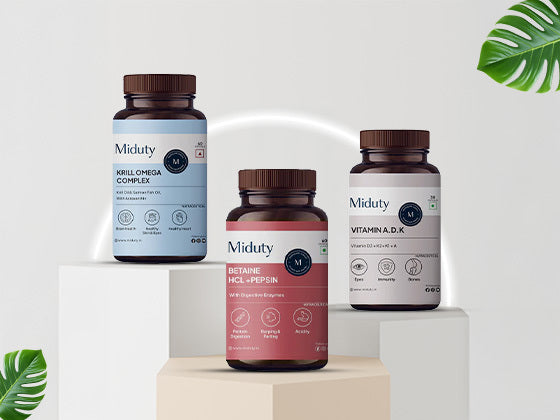


- Vitamin D For Immunity
- Vitamin D for Better Mood & Energy
- Vitamin D Rich Food
- Sunlight for Vitamin D
- Understanding Vitamin D Supplements
- FAQs
When winter rolls around, it's pretty normal to feel a bit run down, low on energy, and like you're catching every cold that comes your way. A big part of that is often because we just don't get enough sunshine, which means our vitamin D levels tend to dip. This guide on Vitamin D for winter gives you some simple, science-backed ideas for what to eat to help your immune system, get more energy, and just feel good all around. We'll talk about the top vitamin D foods, such as fatty fish, egg yolks, and fortified milk. We'll also share helpful tips for taking vitamin D supplements and simple tricks to help your body soak it all up, like using magnesium and healthy fats. You'll soon figure out how to tell if you're low on vitamin D, how to make better food choices in the colder months, and how to shore up your defenses against colds and the flu with some easy everyday practices. If you want to feel better, boost your immune system, or get healthier bones, these winter wellness tips are for you. They fit right into your everyday life, no matter your routine.
Why Vitamin D is Your Winter Essential

Since the days are shorter and the sun isn't as strong in winter, your body doesn't make as much vitamin D naturally. That's why vitamin D matters, because it really raises the risk of having low vitamin D levels. This nutrient actually works a lot like a hormone. It’s pretty important for your immune system, helping to keep inflammation in check and giving your body a hand when colds and flu are going around. People are really looking into how much vitamin D can affect breathing problems, especially during the colder months when everyone is trying to stay healthy. It also helps you soak up calcium, which is good for keeping your bones and teeth strong so you don't lose bone density later on. If you've been feeling tired, down, achy, or catching every bug going around, low vitamin D could be part of the problem. This is even more likely if you don't get much sun and stay indoors a lot.
Vitamin D does more than just help your immune system; it plays a part in keeping your energy up, balancing your mood, and supporting your muscles and nervous system for overall health. When winter comes around, lots of us start looking for the best vitamin D supplement out there. We wonder about things like vitamin D3 vs D2 and how much vitamin D per day we really need. Getting the right amount can truly help us stay feeling good through the colder months. You know, Vitamin D doesn't just work alone; it actually teams up with magnesium, vitamin K2, and omega-3s. That's why having a well-rounded diet is so important for it to really get absorbed and do its job right. Sure, you can add foods like salmon, sardines, egg yolks, mushrooms, and even milk that’s been fortified with vitamin D. But just eating those things might not be enough for some people to get all the vitamin D they need each day. A straight up plan that brings together good food, enough safe sunshine, and the right supplements can do wonders for your immune system in winter and give you more energy every day.
How D3 Powers Your Natural Defenses
Vitamin D is more than a “sunshine vitamin”. It’s a powerful immune-support nutrient that helps your body stay resilient, especially during winter wellness season. When vitamin D levels drop due to low sunlight exposure, your immune system may not respond as efficiently. Here’s a clear, science-led breakdown of immune modulation and how vitamin D3 supports defensive function for stronger everyday protection.
-
Supports innate immunity (first-line defense): Vitamin D helps activate key immune cells (like macrophages) that identify and respond to pathogens quickly, crucial for cold and flu season support.
-
Promotes antimicrobial peptides: It encourages production of natural antimicrobial compounds (like cathelicidin) that help the body fight off germs in the respiratory tract.
-
Balances inflammation response: Vitamin D helps regulate inflammatory signaling, supporting a healthy immune response without excessive inflammation, important for immune balance and recovery.
-
Strengthens respiratory immune health: Low vitamin D is commonly linked with seasonal respiratory issues, which is why “vitamin D for immunity” trends every winter.
-
Supports adaptive immunity (targeted defense): Vitamin D influences T-cell and B-cell activity, helping your immune system “learn” and respond more effectively to specific threats.
-
May help reduce frequent illness: People often experience “vitamin D deficiency symptoms” (fatigue, frequent colds, low mood) because low levels can correlate with getting sick more often.
-
Works synergistically with magnesium and zinc: Magnesium supports vitamin D activation, while zinc supports immune cell function, making “vitamin D + magnesium” a high-interest combo.
-
Helps maintain healthy vitamin D levels indoors: In winter, limited UVB exposure makes vitamin D foods (salmon, egg yolks, fortified milk) and vitamin D supplements more relevant for daily intake.
-
Supports energy and fatigue reduction indirectly: By supporting immune regulation and muscle function, vitamin D can help address low energy, especially when paired with quality sleep and a balanced winter diet.
Keeping your vitamin D status healthy is one of the simplest, most searched-for strategies for immune support and winter wellness. Combine vitamin D rich foods, safe sunlight when possible, and smart supplementation (often vitamin D3) with absorption helpers like magnesium and healthy fats to build a stronger, more balanced defensive function all season long.
Beat the Slump: Uplift Your Mood and Energy
Winter’s shorter days and lower sunlight exposure can trigger the “seasonal slump”, that mix of low mood, fatigue, and reduced motivation many people feel during cold months. Because vitamin D is closely tied to brain function, hormone balance, and energy regulation, low vitamin D levels are often discussed alongside seasonal affective disorder (SAD), winter fatigue, and mood swings. Here’s how the vitamin D- mood- energy connection works in a clear, practical way.
-
Supports serotonin pathways: Vitamin D may influence serotonin activity, a key “feel-good” neurotransmitter linked to mood balance, motivation, and emotional resilience.
-
Plays a role in seasonal affective disorder (SAD): Reduced UVB sunlight can lower vitamin D production, which is why “vitamin D for SAD” and “winter depression” are high-search winter wellness topics.
-
Helps regulate sleep-wake cycles: Vitamin D receptors are present in brain areas connected to sleep; poor sleep can worsen winter fatigue and low mood.
-
Linked with energy and tiredness: One common vitamin D deficiency symptom is persistent fatigue, often paired with low stamina and sluggishness, especially in winter.
-
Supports muscle function and daily vitality: Vitamin D helps maintain muscle strength and performance, which can affect physical energy and overall productivity.
-
May reduce inflammatory stress: Chronic low-grade inflammation is associated with low mood and fatigue; vitamin D helps support a balanced inflammatory response.
-
Works best with magnesium: Magnesium helps activate vitamin D in the body, making “vitamin D + magnesium benefits” a trending, high-interest combo for mood and energy.
-
Absorption matters: Taking vitamin D3 with healthy fats can improve uptake, a popular search topic under “vitamin D absorption” and “best time to take vitamin D.”
-
Diet can help fill gaps: Vitamin D rich foods, salmon, sardines, egg yolks, fortified milk, and UV-exposed mushrooms, support winter nutrition when sunlight is limited.
-
May support cognitive clarity: People often report brain fog during winter; optimizing vitamin D status may support focus, mental energy, and overall wellness routines.
-
Common risk factors increase in winter: Indoor living, sunscreen, darker skin tone, and limited outdoor time can raise the risk of low vitamin D levels.
-
Pairs well with light and lifestyle habits: Morning daylight exposure, movement, and a balanced winter diet complement vitamin D supplementation for holistic winter wellness.
If you’re dealing with low energy, mood dips, or winter blues, checking your vitamin D status can be a smart part of your seasonal wellness plan. Combine safe sunlight when available, vitamin D foods, and thoughtful vitamin D3 supplementation, plus magnesium and healthy fats for absorption, to support a steadier mood, better energy levels, and a more resilient winter routine.
Identify the Gap: Are You at Risk for Deficiency?
It's true that you're more likely to have low vitamin D in winter, but it also really depends on what's going on with your own body - things that change how well you make and use vitamin D. If you're someone who spends a lot of time inside, lives where there isn't much sun, uses a lot of sunscreen, or has darker skin, you might not be getting enough vitamin D from the sun. As we age, our skin isn't as good at producing vitamin D, and if you have more body fat, it can also mean less vitamin D flowing through your system. Sometimes, gut problems can mess with how your body soaks up nutrients. And if you're on a really strict diet, you might be missing out on foods packed with vitamin D, things like salmon, egg yolks, and milk that's had vitamins added to it. Feeling tired, a bit down, or like your muscles are weak? Catching every bug that goes around, or just having aches in your bones? These are pretty common signs of not having enough vitamin D, and they often pop up more during the colder months when we're all thinking about staying well.
Getting tested is the best way to really know if your vitamin D is low, and it helps figure out a good, safe plan to fix it. Usually, you'd go for a 25-hydroxyvitamin D blood test, sometimes called a 25(OH)D test. You can get this done at clinics, and lots of at-home vitamin D test kits offer it too. You know, people are really starting to look into their own health more, with searches like "how to test vitamin D," "optimal vitamin D level," and "how much vitamin D per day" popping up all over the place. Your individual needs for vitamin D3 can be pretty different depending on things like your age, if you're pregnant, what meds you take, or your medical history. The results will really help us figure out if you could use supplements, some changes to what you eat, or a few lifestyle adjustments to get where you need to be. You know, taking vitamin D with magnesium and some healthy fats can really help your body soak it up better. Just be careful not to take a ton without talking to a doctor first, particularly if you have kidney problems or are on meds that affect calcium.
The Optimization Plan: Food, Sun, and Smart Habits

When winter comes around, getting enough vitamin D can be tricky, so it's a good idea to kick things off by eating foods rich in it, in a way that just makes sense for your everyday routine. To get more vitamin D in your day, try adding things like fatty fish, think salmon, sardines, and mackerel, or egg yolks and cod liver oil. You can also find it in milk, yogurt, and cereals that are fortified. UV-exposed mushrooms are a pretty popular plant-based choice these days, and they're really trending in winter wellness searches .To help your body soak up that vitamin D, try eating these foods alongside some healthy fats like olive oil, avocado, or nuts. Oh, and don't forget foods packed with magnesium, such as leafy greens, beans, and pumpkin seeds - magnesium is key for getting that vitamin D working properly. Eating a balanced diet this winter, focusing on these particular foods, is going to really help your immune system, keep your bones strong, and make sure your energy stays up. You'll feel good all around, and you won't need any complex meal plans to do it.
When you're not getting enough UVB, sunlight and supplements can help make up for it. Getting outside around noon can be good for making vitamin D, even when it's chilly out. But how much you make really depends on factors like where you live, if it's cloudy, and your skin tone. So, that's why many folks are always on the hunt for the best vitamin D supplement, figuring out the whole vitamin D3 vs D2 thing, and trying to pin down the best time to take vitamin D. Lots of folks pick Vitamin D3 to keep their vitamin D levels healthy. And here's a tip: if you take it with a meal that has some fat, your body can absorb it better. Not sure about your daily vitamin D intake? A 25(OH)D blood test can help figure out the right amount for you. Don't go for those really big doses, sometimes called "mega" protocols, without talking to a doctor first. This is super important if you have kidney problems or if you're taking any medications related to calcium.
Plate Power: The Best Vitamin D-Rich Foods
When sunlight exposure drops, your plate becomes your best tool for keeping vitamin D levels steady. Building meals around vitamin D rich foods is a high-impact winter wellness move for immune support, bone health, mood, and energy, especially if you’re looking for natural ways to prevent vitamin D deficiency. Here are the best food sources, including animal-based staples and plant-based options, with easy ways to use them.
-
Fatty fish (top natural source): Salmon, sardines, mackerel, herring, and trout are popular “vitamin D foods” because they deliver vitamin D plus omega-3s for heart health and inflammation balance.
-
Canned fish for convenience: Canned salmon and sardines are budget-friendly, high-protein options for quick lunches and snack plates.
-
Egg yolks (simple daily add-on): Add whole eggs to breakfast bowls, omelets, or salads, egg yolks contain vitamin D and pair well with healthy fats for absorption.
-
Cod liver oil (concentrated source): Often searched as a “natural vitamin D supplement,” it can be potent, use it carefully and follow label guidance.
-
Fortified dairy: Fortified milk, yogurt, and cheese are common vitamin D fortified foods that also support calcium intake for bone strength.
-
Fortified non-dairy alternatives: Fortified soy milk, almond milk, and oat milk can help plant-forward diets meet vitamin D intake goals, check labels for vitamin D3 or D2.
-
Fortified breakfast staples: Some cereals, orange juice, and spreads are fortified, making them easy “winter diet” upgrades with minimal effort.
-
UV-exposed mushrooms (best plant option): Mushrooms exposed to UV light can provide vitamin D2 and are trending in plant-based nutrition, great in soups, stir-fries, and pasta.
-
Tofu and plant products (check fortification): Some tofu and plant yogurts are fortified, helping vegan and vegetarian diets support healthy vitamin D levels.
-
Absorption booster tip: Take vitamin D foods with dietary fat (avocado, olive oil, nuts) and include magnesium-rich foods (leafy greens, beans, seeds) to support vitamin D activation.
-
Label-reading hack: Look for “vitamin D fortified” and confirm the amount per serving, this is a common strategy in “how to get vitamin D without sun” searches.
A smart winter nutrition plan combines several vitamin D sources throughout the week: fatty fish a few times, eggs and fortified dairy (or fortified plant milks) more regularly, and UV-exposed mushrooms for plant variety. This balanced approach supports immunity, energy levels, and overall wellness, without relying on sunlight alone.
Catch the Light: Maximizing Weak Winter Sun
In winter, sunlight can feel scarce, and that matters because UVB rays are what your skin uses to make vitamin D naturally. Still, with a few realistic habits, you can maximize safe sunlight exposure even during cold months and sunlight shortfall can cause deficiency. Below are practical tips for vitamin D synthesis, plus the most common barriers that make “how to get vitamin D without sun” such a high-search winter wellness topic.
-
Aim for midday light when possible: UVB is typically strongest around midday, making it the most effective window for vitamin D production (even on chilly days).
-
Prioritize consistency over duration: Short, regular outdoor breaks can be easier to maintain than rare, long sessions, supporting steady vitamin D levels.
-
Expose more skin safely: Face and hands help, but more exposed skin generally increases vitamin D synthesis, balance this with warmth and comfort.
-
Use “light walks” as a winter habit: A brisk outdoor walk supports energy levels, mood, and immune health while helping you catch available daylight.
-
Cloud cover still counts, but less: Bright, overcast days may still provide some UV, though vitamin D production can drop significantly.
-
Latitude is a major barrier: In many regions, winter sun angles reduce UVB intensity, which is why vitamin D deficiency risk rises seasonally.
-
Shorter daylight hours reduce opportunities: Late sunrises and early sunsets make it harder to get daylight during a typical workday.
-
Indoor lifestyles limit exposure: Remote work, commuting by car, and screen-heavy routines shrink time outside, especially in cold and flu season.
-
Cold weather clothing blocks UVB: Coats, scarves, and gloves reduce skin exposure, limiting the body’s ability to make vitamin D naturally.
-
Darker skin tones may need more UVB: Higher melanin reduces vitamin D synthesis efficiency, increasing the importance of vitamin D foods and supplements.
-
Sunscreen vs. vitamin D balance: Sunscreen is important for skin protection; in winter, some people rely more on diet and vitamin D3 supplements to maintain healthy vitamin D levels.
-
Windows don’t help much: UVB largely doesn’t pass through standard glass, so sunny indoor spots won’t meaningfully boost vitamin D production.
-
Air pollution can reduce UVB: Smog and haze can lower UV intensity, making sunlight exposure less effective for vitamin D synthesis.
-
Track symptoms and consider testing: Fatigue, low mood, and frequent illness are common vitamin D deficiency symptoms, consider a 25(OH)D blood test for clarity.
Because winter sunlight exposure can be limited by weather, latitude, clothing, and schedules, many people combine safe daylight habits with vitamin D rich foods and a smart vitamin D3 supplement strategy. This balanced approach supports immunity, mood, and energy, key goals of any winter wellness routine.
The Supplement Secret: D3, Magnesium, and K2
Vitamin D supplements are one of the most searched winter wellness tools, especially when sunlight exposure is low and people want stronger immunity, better mood, and more stable energy levels. If you’re comparing vitamin D3 vs D2, wondering about the best time to take vitamin D, or looking for absorption helpers like magnesium and vitamin K2, this quick guide breaks it down in a practical, easy-to-follow way.
-
Vitamin D3 (cholecalciferol) is typically the go-to choice because it’s the same form your body makes from sunlight and is widely used to maintain healthy vitamin D levels. Vitamin D2 (ergocalciferol) is often found in plant-based or fortified options and can still raise levels, but many people prefer D3 for everyday supplementation. If you’re vegan, look for lichen-based vitamin D3 or a quality D2 product and monitor results with a 25(OH)D blood test for a personalized approach.
-
Vitamin D is fat-soluble, so taking it with a meal that contains healthy fats can improve vitamin D absorption. Think: eggs, avocado, olive oil, nuts, seeds, or fatty fish. Many users search “morning vs night vitamin D,” but consistency matters most, choose a time you’ll remember and pair it with food. If you’re stacking supplements, avoid taking it on an empty stomach and consider spacing it away from high-fiber supplements that may reduce absorption for some people.
-
Magnesium helps activate vitamin D in the body, making “vitamin D + magnesium” a trending combo for energy and immune support. Vitamin K2 is often paired with vitamin D because both relate to calcium balance and bone health, a popular focus in “vitamin D for bones” searches. Also consider that omega-3s and dietary fats can support uptake. The goal isn’t a mega-stack, it’s synergy: vitamin D3 with a fat-containing meal, adequate magnesium from food or supplements, and K2 if it fits your overall plan.
The smartest supplement routine is simple: choose the right form (often vitamin D3), take it consistently with meals, and support absorption with magnesium, K2, and healthy fats. If you’re unsure about dosage, especially if you have medical conditions or take calcium-related medications, use testing and professional guidance to keep your winter wellness plan safe and effective. Few Vitamin D supplements available are:
-
Caldikind-60K Cholecalciferol Sugar Free Granules - Butterscotch Flavour
-
Carbamide Forte Vitamin D3 60000 IU Nano Shot Oral Solution - Orange Flavour
Safety First: Don’t Overdo the Dosage
Vitamin D is super important for staying healthy, it helps your immune system, your mood, and keeps your bones strong. But here's the thing: just because something's good doesn't mean you should go crazy with it. Taking a really high dose of D3 supplements, for example, isn't always the best idea. The biggest worry when it comes to too much vitamin D is that it can make your calcium levels go up. This might lead to you feeling sick to your stomach, constipated, weak, or even confused. It can also be really tough on your kidneys. A lot of people look up "how much vitamin D is too much" or "safe vitamin D dosage." That's because upper limits really do matter, especially when you're getting vitamin D from fortified foods, daily multivitamins, and individual nutrient capsules all at once. When you're trying to fix low vitamin D, getting a 25(OH)D blood test is the smart move. It helps you figure out the right dose without just guessing. If you're planning on using this for a long time, try to stick with a regular, sensible amount. Don't go crazy with huge doses or special "loading" plans unless someone is there to guide you.
You know, Vitamin D is super important for staying healthy, it helps your immune system, your mood, and keeps your bones strong. But here's the thing: just because something's good doesn't mean you should go crazy with it. Taking a really high dose of D3 supplements, for example, isn't always the best idea. The biggest worry when it comes to excessive vitamin D is that it can make your calcium levels go up. This might lead to you feeling sick to your stomach, constipated, weak, or even confused. It can also be really tough on your kidneys. A lot of people look up "how much vitamin D is too much" or "safe vitamin D dosage." That's because upper limits really do matter, especially when you're getting vitamin D from fortified foods, daily multivitamins, and individual nutrient capsules all at once. When you're trying to fix low vitamin D, getting a 25(OH)D blood test is the smart move. It helps you figure out the right dose without just guessing. If you're planning on using this for a long time, try to stick with a regular, sensible amount. Don't go crazy with huge doses or special "loading" plans unless someone is there to guide you.
Your Winter Routine: 3 Steps to Lasting Vitality

The top winter nutrition tricks are really just habits you can stick with. That consistency is key for keeping your vitamin D levels steady, which in turn helps your immune system, your mood, and your energy throughout the whole season. You can kick things off with a straightforward "daily basics" plan. Try to get some vitamin D rich foods into your diet a few times each week, like salmon, egg yolks, or milk (or plant milk) that's been fortified. You can also look for UV-exposed mushrooms. And here's a little trick: make sure you're eating those meals with some healthy fats; it really helps your body soak up that vitamin D. Make sure to get enough magnesium from foods like leafy greens, beans, and pumpkin seeds. It helps your body use vitamin D and can really help with that winter tiredness. If you're not getting enough sun, try to take short breaks outside around midday to help your body make vitamin D naturally. Little changes, like a heartier breakfast or a fish meal once a week, can make staying well in winter seem easy.
To really nail your vitamin D plan, you want to make sure it fits your life, your wallet, and whatever might make you more likely to be low on vitamin D. If you're often inside, live way up north, or just feel crummy with things like a low mood, always being tired, or catching colds a lot, it might be worth getting your vitamin D levels checked. A 25(OH)D blood test can show you if you need to take D3 supplements and how much is safe. Try to remember your vitamin D by taking it with lunch each day. On the weekends, get your winter meals ready, and when cold and flu season hits, schedule some reminders to pop up. Just stay flexible, try different foods, change up when you take supplements, and remember that making progress is what matters, not being perfect. If you combine eating well with the seasons, taking the right supplements, and getting some natural sunlight, you'll create a winter diet routine that really works for your overall wellness and that you'll actually stick to.