10 Best Magnesium-Rich Foods for a Healthier Diet

Magnesium is a vital mineral that promotes muscle function, bone health, and energy production. Consuming magnesium-rich meals is a wonderful method to maintain good health. In this blog, we'll look at the top ten magnesium sources.
Why Magnesium is Essential for Your Body
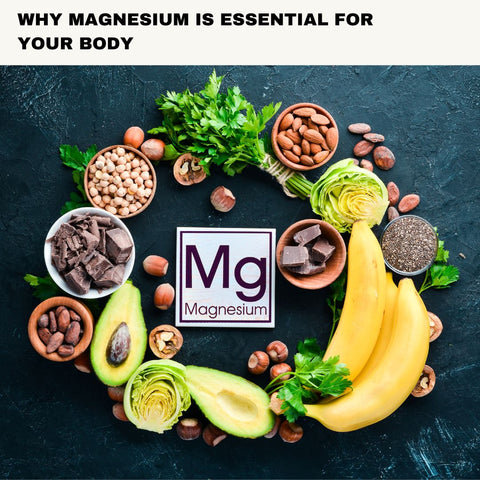
Magnesium is an essential element that regulates several biological activities. It affects almost every cell and organ system. Your body needs magnesium because it helps you produce energy, keep your bones healthy, control how muscles and nerves work, keep your heart healthy, improve brain function, balance blood sugar, get better sleep, help with protein synthesis, reduce inflammation, and ease PMS symptoms.
The Role of Magnesium in Overall Health
Magnesium is important for overall health since it is involved in a variety of physiological functions. It affects practically every system in the body, benefiting both physical and mental health. Here is a summary of magnesium's involvement in health:
-
Energy production and metabolism: Magnesium is necessary for turning food into energy because it aids in the activation of ATP (adenosine triphosphate), the body's principal energy currency. It promotes the breakdown of carbs, proteins, and lipids, resulting in optimal metabolic activity.
-
Bone and teeth health: Magnesium promotes bone and tooth health by regulating calcium and vitamin D levels, which are necessary for bone strength and density. It aids in the structural development of bones and teeth, helping to avoid diseases such as osteoporosis.
-
Cardiovascular health: Magnesium relaxes blood arteries and controls vascular tone, helping to maintain normal blood pressure. It also lowers the risk of cardiovascular illnesses by promoting a regular heartbeat and preventing irregular heartbeats.
-
Muscle and nerve function: Magnesium is essential for muscular contraction and relaxation. It guards against tension, cramps, and spasms. It facilitates the appropriate transmission of nerve signals between the brain and body.
-
Mental health and cognitive function: Magnesium modulates neurotransmitters such as serotonin and dopamine, which improves mood while lowering anxiety and despair. It increases brain plasticity, which promotes learning, memory, and cognitive resilience.
-
Immune system support: Magnesium has anti-inflammatory effects that serve to regulate the immune response. Adequate levels can help prevent chronic inflammation, which has been related to illnesses such as arthritis, diabetes, and heart disease.
-
Blood sugar regulation: In order to maintain appropriate blood sugar levels, magnesium is essential for insulin secretion and glucose absorption. It can enhance metabolic health and reduce the incidence of type 2 diabetes.
-
Hormonal and reproductive health: Magnesium helps women with PMS symptoms such as mood swings, bloating, and cramping. It also promotes proper thyroid function and hormonal balance.
-
Digestive health: Magnesium relaxes intestinal muscles and promotes regular bowel motions by acting as a natural laxative. It promotes healthy digestion and keeps constipation at bay.
-
Sleep and stress management: Magnesium enhances relaxation by regulating the nervous system and reducing cortisol levels, the stress hormone. It promotes deeper, more restorative sleep by aiding melatonin production.
Key Benefits of Magnesium for Vital Functions

Magnesium is a mineral that is required for a variety of biological processes to work properly. Magnesium's primary benefits include increased energy production, bone health support, muscle function regulation, heart health promotion, nervous system enhancement, blood sugar regulation, digestive health, improved sleep quality, inflammation reduction, cognitive function support, and PMS symptoms relief.
Signs of Magnesium Deficiency
Magnesium shortage, also known as hypomagnesemia, can impair various biological systems, resulting in a wide range of physical and mental health problems. The most common symptoms of magnesium deficiency are fatigue, weakness, muscle cramps and spasms, arrhythmia, anxiety and mood swings, numbness or tingling, poor sleep, headaches and migraines, high blood pressure, nausea and appetite loss, osteoporosis or bone weakness, cognitive problems, chronic inflammation, and muscle pain or fibromyalgia-like symptoms.
10 Magnesium-Rich Foods to Include in Your Diet
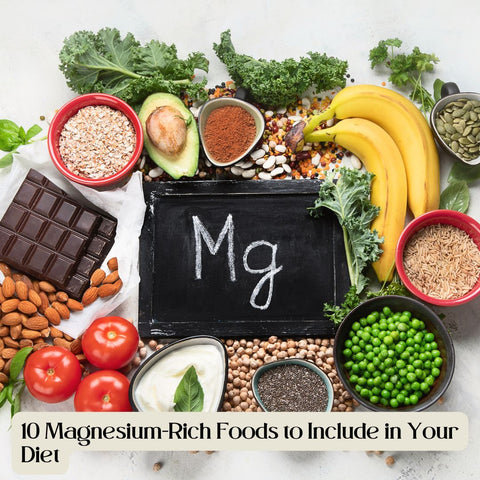
A natural and efficient method to fulfill your daily needs for this vital mineral is to include foods high in magnesium in your diet. These ten foods are high in magnesium and should be a part of your diet:
-
Dark leafy greens: Examples include spinach, Swiss chard, and kale. 1 cup of cooked spinach has approximately 157 milligrams of magnesium. These greens are also loaded with vitamins and antioxidants.
-
Nuts: Examples include almonds, cashews, and Brazil nuts. 1 ounce of almonds contains about 80 mg of magnesium. Nuts are a great source of healthy fats and protein.
-
Seeds: Flaxseeds, chia seeds, and pumpkin seeds are a few examples. There are 150 mg of magnesium in 1 ounce of pumpkin seeds. Omega-3 fatty acids and fiber are also abundant in them.
-
Whole grains: Quinoa, oatmeal, and brown rice are some good examples. One cup of cooked quinoa provides approximately 118 milligrams of magnesium. Whole grains offer a slow-release energy source.
-
Legumes: Lentils, chickpeas, and black beans are a few examples. One cup of cooked black beans contains about 120 milligrams of magnesium. Moreover, legumes are rich in fiber and protein.
-
Dark chocolate: 1 ounce (70-85% cocoa) provides 64 mg of magnesium. It's a delicious way to get magnesium along with antioxidants.
-
Fatty fish: Salmon, mackerel, and halibut are among examples. A 3-ounce plate of salmon provides around 26 milligrams of magnesium. Fish is also high in omega-3 fats and protein.
-
Avocado: 1 medium avocado has approximately 58 mg of magnesium. It's also a great source of potassium, healthy fats, and fiber.
-
Bananas: One medium banana contains 32 mg of magnesium. Bananas are also high in potassium and a quick, energizing snack.
-
Tofu: ½ cup of tofu has approximately 37 milligrams of magnesium. It is a good plant-based protein source, particularly for vegans.
Leafy Greens: Nutrient-Packed Magnesium Sources
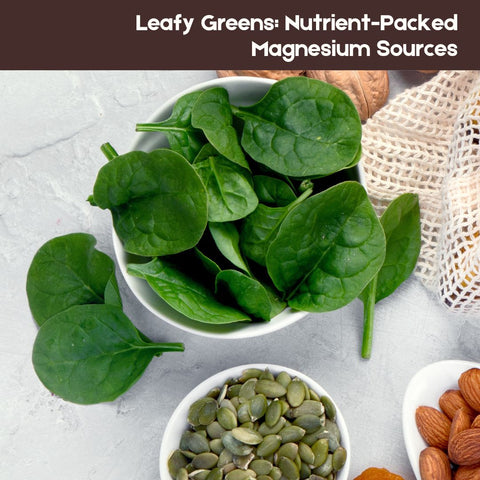
Leafy greens are among the most nutrient-dense foods, including high levels of magnesium as well as antioxidants, vitamins and minerals. Here’s why these greens are exceptional for your health and how to incorporate them into your diet:
-
Top Leafy Greens High in Magnesium such as Spinach, Swiss Chard, Kale, Collard Greens, Mustard Greens.
Health Benefits of Magnesium in Leafy Greens
-
Magnesium helps convert food into energy.
-
Improved nerve communication, relaxation, and cramp relief are all benefits of muscle and nerve function.
-
Heart health helps to regulate blood pressure and inflammation.
-
Strong bones are maintained by working with calcium.
-
Better sleep and a decrease in stress and anxiety are two benefits of mental well-being.
Nuts and Seeds: Crunchy Magnesium Boost
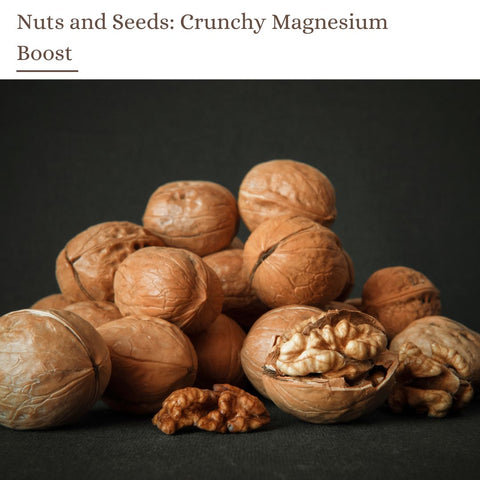
Nuts and seeds are nutrient-dense, crunchy powerhouses that provide protein, healthy fats, and other vital nutrients, as well as a significant boost of magnesium. Here’s why they’re a fantastic addition to your diet and how to incorporate them:
-
Top Nuts and Seeds High in Magnesium such as Pumpkin Seeds, Almonds, Cashews, Chia Seeds, Flaxseeds, Walnuts, and Sunflower Seeds.
Health Benefits of Magnesium in Nuts and Seeds
-
Magnesium and calcium work together to maintain bone density.
-
It prevents cardiovascular problems and lowers blood pressure.
-
It promotes muscle relaxation and relieves cramping.
-
It promotes metabolism and alleviates fatigue.
-
It improves brain health and reduces anxiety.
Whole Grains: Filling and Magnesium-Rich Options
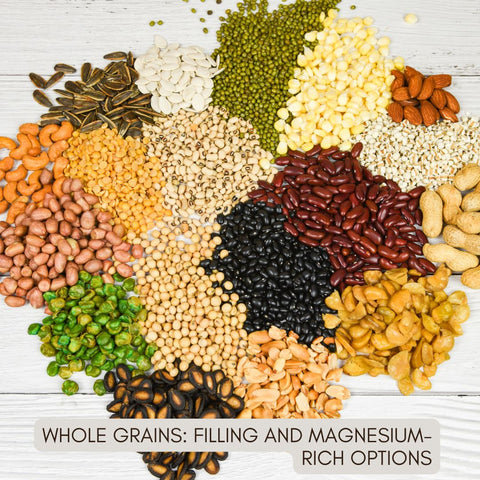
Whole grains are an excellent source of magnesium, offering a nutrient-packed option to fuel your body while providing long-lasting energy. Here’s a closer look at magnesium-rich whole grains and their benefits:
-
Top Whole Grains High in Magnesium such as Quinoa, Brown Rice, Oats, Barley, Buckwheat, Millet, and Bulgur.
Health Benefits of Magnesium in Whole Grains
-
Magnesium helps convert food into usable energy.
-
It supports normal blood pressure and cholesterol levels.
-
Magnesium and calcium combine to strengthen bones.
-
It aids digestion by promoting the formation of good gut bacteria due to its high fiber content.
-
Magnesium stabilizes mood by controlling neurotransmitters, which lower stress and elevate mood.
How to Easily Incorporate Magnesium into Your Meals
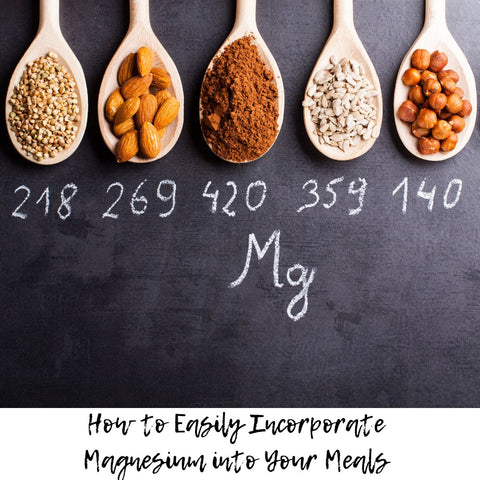
It's simple to include magnesium in your diet. You can eat foods high in magnesium all day with a few easy changes. Here are a few easy and delightful ways to incorporate this important component into your diet:
-
Breakfast ideas include avocado toast, oatmeal toppings, and a smoothie packed with magnesium.
-
Snack suggestions include Greek yogurt with seeds, vegetable sticks with hummus, and trail mix.
-
Lunch ideas include whole-grain wraps, legume-based soups, and quinoa salad.
-
Dinner suggestions include stir-frying, stuffed sweet potatoes, and grilled salmon with greens.
-
Some dessert ideas are Dark Chocolate Squares, Chia Pudding, and Banana-Almond Ice Cream.
-
Drinks include a magnesium-boosting smoothie, green tea, and infused water.
Simple Recipes with Magnesium-Rich Ingredients
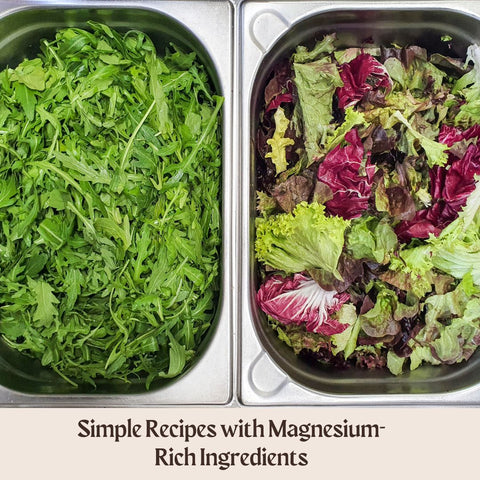
Here are a few simple and delicious recipes that use magnesium-rich products, allowing you to effortlessly raise your magnesium intake while enjoying tasty meals:
-
Avocado and spinach smoothie: Spinach, avocado, and chia seeds are all magnesium-rich foods. Ingredients include 1 cup fresh spinach, 1/2 ripe avocado, 1 tablespoon chia seeds, 1/2 banana, 1 cup almond milk or coconut water, and ice cubes. Combine all of the ingredients in a blender. Blend until smooth, adding additional liquid if needed.
-
Quinoa salad with chickpeas and avocado: Quinoa, avocado, chickpeas, and spinach are rich in magnesium. Ingredients include 1 cup cooked quinoa, 1/2 can be drained and rinsed chickpeas, 1/2 diced avocado, 1 cup chopped fresh spinach, 1 tablespoon olive oil, 1 tablespoon lemon juice, and salt and pepper to taste. After cooking the quinoa as directed on the package, let it cool somewhat. Put the avocado, spinach, chickpeas, and quinoa in a big bowl. Add lemon juice and olive oil and toss until thoroughly mixed. Add salt and pepper for seasoning. Serve cold or warm from the refrigerator.
-
Peanut butter banana toast: Magnesium-rich foods include bananas, peanut butter, and whole grain bread. Ingredients: 1 slice whole grain bread, 1 tablespoon peanut butter, 1/2 sliced banana, and optional chia seeds. Toast the whole-grain bread until crispy. Spread peanut butter over the toast. Top with banana slices and sprinkle with chia seeds for an extra magnesium boost.
-
Grilled salmon with swiss chard and quinoa: Omega-3 foods include salmon, Swiss chard, and quinoa. Ingredients are 2 salmon fillets, 1 tablespoon olive oil, salt and pepper to taste, 2 cups chopped Swiss chard, 1 cup cooked quinoa, and 1 lemon, sliced. Heat olive oil in a skillet over medium heat. Season salmon fillets with salt and pepper. Grill or pan-fry the salmon for about 3-4 minutes on each side, or until fully cooked. In the same skillet, sauté the Swiss chard for 2-3 minutes until wilted. Serve the grilled salmon over quinoa with sautéed Swiss chard and a lemon slice.
-
Chia pudding with almonds and berries: Sources of magnesium include almond milk, chia seeds, and almonds. Ingredients are 2 tablespoons chia seeds, 1 cup unsweetened almond milk, 1 tablespoon honey or maple syrup, 1/4 cup almonds, chopped and 1/4 cup mixed berries (blueberries, strawberries, etc.) In a jar or bowl, combine chia seeds, almond milk, and honey/maple syrup. Stir well and refrigerate overnight. The next day, top with chopped almonds and mixed berries before serving.
Tips for Maximizing Magnesium Absorption
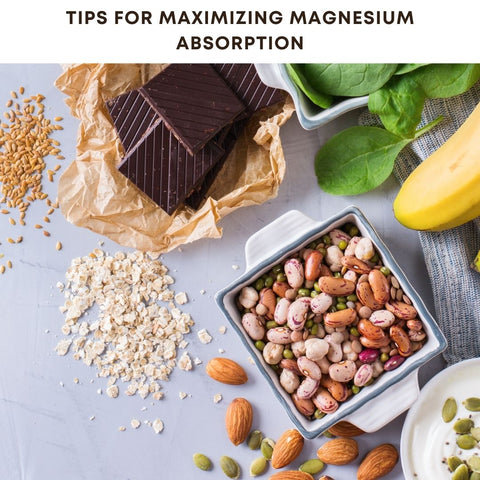
To get the most out of magnesium-rich foods and maximize absorption, examine a few critical elements that might either improve or impair the body's ability to absorb this essential mineral. Here are some tips for improving magnesium absorption:
-
Take magnesium with Vitamin D: Vitamin D enhances magnesium absorption in the gut. Consume foods high in magnesium, such as leafy greens and almonds, together with foods high in vitamin D, such as eggs, fortified dairy products, or sunlight.
-
Include healthy fats: Magnesium is a fat-soluble mineral, therefore combining it with healthy fats can improve absorption. Include foods rich in monounsaturated or polyunsaturated fats, such as avocado, olive oil, or almonds, in your magnesium-rich diet.
-
Avoid taking too much calcium and magnesium: High doses of calcium may compete for absorption since the digestive tract's transport channels for calcium and magnesium are similar. Try to wait a few hours between taking calcium supplements and foods or supplements high in magnesium.
-
Optimize gut health: Sufficient absorption of nutrients, including magnesium, depends on intestinal health. Gut health can be enhanced by eating foods high in probiotics (such yogurt, kefir, and fermented foods) and prebiotics (like whole grains, garlic, and onions).
-
Avoid Excess Sugar and Processed meals: Consuming too much sugar and processed meals might impair magnesium absorption and contribute to magnesium loss in urine. Reduce your intake of processed snacks and sugary beverages in favor of whole foods such as fruits, vegetables, and nuts.
-
Reduce caffeine and alcohol consumption: Both caffeine and alcohol can cause magnesium excretion through urine, depleting magnesium reserves in the body. Limit your use of caffeinated beverages and alcohol, or make up for it by consuming more magnesium-rich foods.
-
Concentrate on magnesium-rich whole meals: Whole, unprocessed meals are often more easily absorbed by the body than magnesium supplements or processed foods. Incorporate whole grains, leafy greens, legumes, nuts, and seeds into your meals for a natural and constant source of magnesium.
-
Magnesium supplements: When supplementing with magnesium, consider forms that are easier for the body to absorb, such as magnesium citrate or magnesium glycinate. Take magnesium supplements after a meal to increase absorption and lessen the likelihood of stomach distress.
-
Stay hydrated: Dehydration can prevent the adequate intake of magnesium because it needs to dissolve in physiological fluids. Throughout the day, sip on lots of water to optimize the absorption of nutrients.
-
Avoid high-phytate foods: Some plant foods, including beans, grains, and nuts, include phytates, which can bind to magnesium and reduce absorption. To reduce phytate levels, soak or sprout grains and legumes before cooking, or pair them with magnesium-rich foods like healthy fats.
Recommended Daily Magnesium Intake
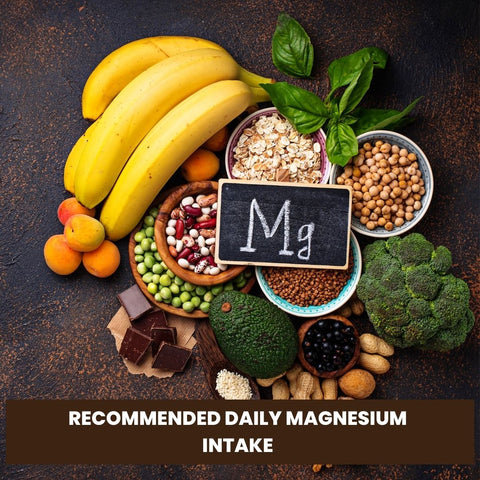
A low magnesium intake might cause weakness, fatigue, cramping in your muscles, or irregular heartbeats. Getting enough is essential, particularly if you run the risk of being deficient. Eat foods high in magnesium, such as leafy greens, whole grains, legumes, nuts, and seeds, to raise your magnesium levels.
Final Thoughts on Magnesium and Its Importance in Daily Nutrition
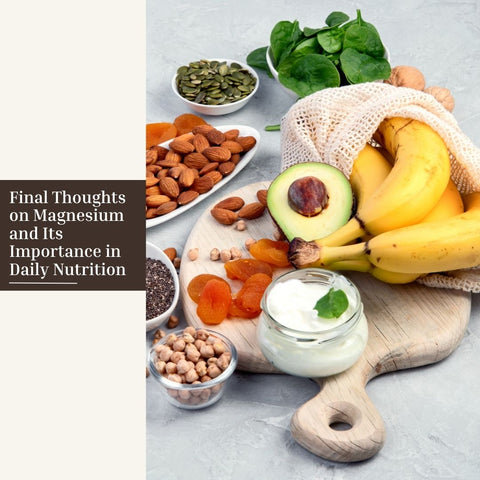
Magnesium is a powerhouse mineral that significantly impacts your health, making it important to prioritize its intake daily. Getting adequate magnesium, whether through food or supplements, can help you feel better, increase energy, support bone health, and maintain a healthy heart and mind. Incorporating magnesium into your diet is straightforward, and with a few careful decisions, you may reap the advantages of this crucial nutrient.