Can Hot Water Damage Your Hair? Understanding the Effects on Hair Health
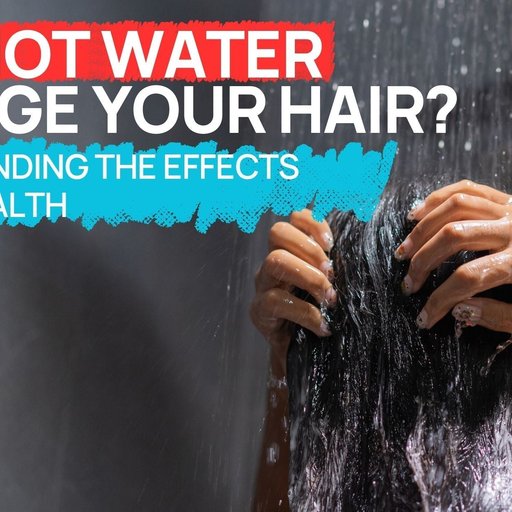
Hot water is commonly employed to wash the hair and scalp, but too much heat can have unforeseen effects on hair health. While warm water opens up hair cuticles, facilitating proper cleansing and product penetration, very hot water can strip the scalp of its natural oils, causing dryness, irritation, and possible damage to hair strands. As time goes on, this can lead to a deterioration in the structure of the hair, causing it to be more susceptible to breakage, frizz, and split ends. It can also disturb the natural balance of the scalp, even leading to an overproduction of oil as the scalp attempts to make up for lost moisture. This can cause an oily, but dehydrated, scalp that impacts hair health overall. Being aware of the effects of hot water on hair and making minor tweaks, like switching to lukewarm water and ending with a cool rinse, can preserve hydration, guard against the scalp, and encourage firmer, healthier hair in the long term.
The Science Behind Hot Water's Impact on Hair and Scalp Health
Hot water can have both beneficial and detrimental impacts on hair and scalp health. As warm water opens up the hair cuticles so that shampoo and conditioner are better absorbed, extremely hot water dries out the scalp by removing its natural oils, causing dryness, irritation, and excessive frizz. It can also soften the hair shaft, which becomes more vulnerable to breakage and split ends. Also, hot water can lead to the scalp producing excess sebum as a reaction to dryness, possibly resulting in an oily scalp after some time. To achieve best hair health, lukewarm or cold water should be used, particularly on the last rinse, to seal in moisture and preserve scalp equilibrium.
How Hot Water Affects the Hair Follicles
Hot water is capable of causing both positive and negative impacts on hair follicles based on exposure duration and temperature. While it effectively cleans the scalp by removing oils and dirt, repeated hot water use tends to compromise the strength of the hair and impacts follicle health. Knowing about such impacts ensures balanced hair maintenance.
-
Hot water swells open the hair cuticle, permitting deep cleaning through the removal of excess oil, dirt, and product residue.
-
It enhances blood flow in the scalp, which can temporarily increase nutrient transfer to hair follicles.
-
Overuse removes natural oils, causing dryness, brittleness, and even scalp irritation.
-
Long-term use can cause weakening of hair strands, making them more susceptible to breakage and split ends.
-
Hot water can disturb the balance of moisture in the scalp, causing overproduction of sebum or excessive dryness.
-
It can cause more frizz and texture because of raised cuticles that don't lie flat.
-
With time, excessive heat can weaken the protein structure of the hair, causing a loss of elasticity and luster.
-
It can irritate sensitive scalps, causing itching, redness, or inflammation.
-
For some scalp conditions, like eczema or dandruff, hot water may aggravate symptoms.
-
Sudden temperature fluctuations, like washing hair with hot water and then cold, may put stress on the hair shaft.
Using lukewarm water rather than hot water will help to keep the scalp and hair structure healthier. Rinsing with a cool rinse afterward seals the cuticle, traps in moisture, and tames frizz, leading to stronger and shinier locks.
The Role of Hot Water in Drying Out Hair and Scalp
Hot water is particularly harmful since it dehydrates the hair and scalp by stripping them of essential moisture and oils. Although it may be soothing and efficient at cleansing, excessive hot water can disrupt the balance of the scalp and lead to hair strands breaking, causing long-term damage. Understanding its effect can help make healthier choices regarding hair care.
-
Hot water removes natural sebum, a protective layer, leaving the scalp dry and unprotected.
-
It destroys the hair cuticle by causing it to remain open, leaving hair more porous and prone to moisture loss.
-
Dryness may lead to itchiness, flakiness, and irritation, especially in sensitive scalps.
-
A dry scalp over time can result in excessive oil production, leading to greasy roots and dry ends.
-
Hot water will break down keratin, the protein which develops strength in hair, and make it more brittle.
-
Natural moisturizing is lost, leading to frizz, unmanageability, and tangling.
-
Dryness also makes the scalp more susceptible to conditions like dandruff as it leads to flaking and shedding.
-
Regular use of hot water breaks hair, leading to split ends and breakage to occur more frequently.
-
Heat also strips color from dyed hair, which will subsequently fade faster and become less shiny.
-
A compromised moisture barrier on the scalp leads to increased sensitivity and ultimately damage to hair follicles.
Dryness may be avoided through the use of warm rather than hot water in washing hair and finishing with a cool rinse. This retains moisture, shuts off the cuticle, and maintains the scalp environment in harmony for healthier, more lustrous hair.
Does Hot Water Really Cause Hair Loss? An Expert’s View
The relationship between hot water and hair loss is not well understood. Although hot water does not cause hair to fall out of the root, overexposure can damage hair strands, compromise scalp health, and lead to conditions that may result in more shedding in the long run. Specialists advise following a balanced hair care regimen to avoid unnecessary damage.
-
Hot water causes the cuticle of the hair to open up, exposing it to damage and breakage.
-
Hot water removes natural oils, which results in dryness and brittleness and weakens hair in the long run.
-
A dehydrated and inflamed scalp can cause inflammation, which has a detrimental effect on hair follicle function.
-
Weak strands tend to fall off more easily, particularly if hair is otherwise weak due to other reasons.
-
Long-term exposure to hot temperatures can upset the moisture balance of the scalp, causing overproduction of oil or flakiness.
-
Hot water can exacerbate existing conditions such as dandruff, which, in extreme cases, can lead to hair thinning.
-
It damages the protein structure of hair, decreasing elasticity and making it more prone to breakage.
-
Rapid temperature fluctuations, like washing with hot water and then cold, can stress the hair shaft.
-
Hot water overuse may lead to scalp sensitivity, and this can have an indirect influence on hair growth cycles.
-
Repeated exposure to high temperatures is not a direct cause of permanent hair loss, but it can cause damage to accumulate faster and leave hair looking thinner with time.
It is advisable to use lukewarm water to wash hair to guard the natural barrier of the scalp and keep hair structure healthy. Ending with a cool rinse closes the cuticle, preserves moisture, and avoids unnecessary hair strand weakening.
How to Wash Hair Without Causing Damage: Expert Tips
Properly washing your hair is key to healthy scalps, balanced moisture, and resilient, glossy locks. You may unknowingly damage your hair with excessive heat, harsh chemicals, or poor techniques. By using professional-approved techniques, you can effectively wash your hair without causing breakage and dryness.
-
Wash with lukewarm water rather than hot water to avoid stripping your hair of natural oils.
-
Select a mild, sulfate-free shampoo like Root Deep Sulphate Free Shampoo based on your hair type and scalp condition.
-
Massage the scalp using your fingertips, not nails, to increase circulation and strip away buildup without irritation.
-
Apply shampoo to the scalp, not the lengths, as too much shampoo on the strands will dry them out.
-
Rinse thoroughly to prevent product residue from building up and making hair dull.
-
Use conditioner primarily on the mid-lengths and ends to prevent weighing down the roots.
-
Detangle hair softly using a wide-tooth comb or fingers during the time that conditioner is on.
-
Don't scrub or rub wet hair a lot, since it is more susceptible to breaking.
-
End with a cool water rinse to seal the cuticle and add shine.
-
Dry hair gently with a microfiber towel or cotton T-shirt rather than rubbing with a rough towel to avoid frizz and breakage.
By following these professional tips, you can keep your hair clean and retain its natural strength, moisture, and luster. Good washing methods are important in encouraging healthier hair and minimizing unnecessary damage in the long run.
Best Water Temperature for Healthy Hair
Water temperature while washing hair is important in ensuring the health, strength, and sheen of hair. Hair may be damaged by too hot or too cold water, affecting the scalp's oil balance, hair cuticle condition, and hair texture. The appropriate water temperature ensures maintenance of moisture, prevention of damage, and a healthy scalp.
-
Lukewarm water (best option) is gentle in cleansing the scalp without draining necessary natural oils.
-
Hot water can dry out the hair cuticle, causing frizz, dryness, and enhanced breakage.
-
Cold water seals the cuticle, trapping in moisture, which makes the hair shinier and smoother.
-
Cycling temperatures using lukewarm water for washing and cool water for rinsing balances the cleansing and moisturizing.
-
Very cold water can fail to remove dirt, oil, and product residue, causing scalp problems.
-
Lukewarm water slightly opens the cuticle, enabling effective cleansing and improved absorption of conditioners.
-
Cool water rinse at the end causes the cuticle to flatten, minimizing frizz and improving shine.
-
Excessive hot water may lead to irritation of the scalp, resulting in flakiness, itchiness, and even oil overproduction.
-
Color-treated hair is best protected from early fading and dryness by using moderate temperatures.
-
A balanced technique of using lukewarm water to wash and cool water to rinse maximizes scalp health and hair vigor.
Experts suggest washing the hair with lukewarm water and ending it with a cool rinse for optimal results. It guarantees proper cleaning, hydration, and a frictionless, frizz-free texture, leading to healthier and more radiant hair.
The Right Washing Routine for Your Hair Type
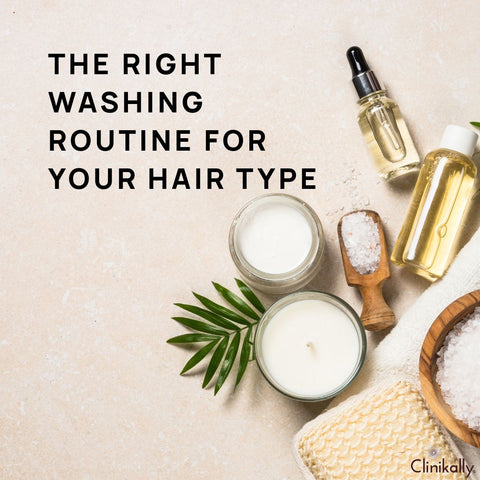
Having a washing routine personalized to your hair type is key to having healthy, strong, and manageable hair. Various hair types possess different requirements, and the right frequency, product, and technique can avoid damage and promote hair health.
-
Oily Hair: Wash 1–2 times a week with a light, clarifying shampoo like
-
Bioderma Node G Purifying Shampoo to strip away excess oil without drying. Steer clear of heavy conditioners on the scalp to avoid buildup.
-
Dry Hair: Shampoo 2–3 times a week with a moisturizing shampoo like Rene Furterer Absolue Keratine Repairing Shampoo and deep conditioner like Hairdew Max Conditioner to rehydrate and keep from getting brittle. Steer clear of sulfates and strong cleansers.
-
Curly or Coily Hair: Shampoo once a week or when necessary with a sulfate-free, moisturizing shampoo like Aveda Scalp Solutions Balancing Shampoo. Between shampoos, co-wash (wash with conditioner only) to keep hydrated.
-
Fine or Thin Hair: Shampoo every 2 days with a light, volumizing shampoo like Foltene Pharma Women Strengthening Shampoo For Thinning Hair. Steer clear of heavy oils and rich conditioners that make hair heavy.
-
Thick or Coarse Hair: Shampoo 1–2 times weekly with a moisturizing shampoo like Sestry Hydrating Therapy Moisturising Shampoo. Deep conditioning treatments keep hair smooth and minimize frizz.
-
Color-Treated Hair: Shampoo with a color-safe, sulfate-free shampoo like Rene Furterer Okara Color Protection Shampoo and wash less often (every 2–3 days) to keep color intense and moisturized.
-
Damaged or Processed Hair: Wash twice a week with a protein-enriched, repairing shampoo like Neutriderm Hair Enhancer Shampoo and conditioner like Pronuries Conditioner to fortify broken strands. Avoid overheat styling.
-
Sensitive Scalp: Shampoo with a gentle, fragrance-free shampoo like Seren Extra Mild Shampoo and wash as required to avoid irritation. Avoid hot water and strong detergents.
-
Wavy Hair: Wash every 2–3 days with a mild shampoo that provides moisture and definition. Use a leave-in conditioner to minimize frizz.
-
Normal Hair: Shampoo every 2–3 days with a gentle shampoo to keep the scalp healthy and natural oil levels in balance. Vary frequency according to lifestyle and climate.
Adhering to a washing schedule appropriate for your hair type keeps the scalp healthy, strands strong, and texture well-maintained. Selecting the proper products and washing frequency prevents most hair issues such as dryness, oiliness, and breakage and encourages overall hair health.
How to Prevent Heat Damage from Hair Washing
Exposure to too much heat while washing hair can lead to weakening of hair strands, drying out, and long-term damage. Techniques and temperature regulation can be utilized to ensure cleanliness with the protection of hair. Through professional guidance, you can reduce heat-induced stress and enjoy healthy, robust, shiny hair.
-
Avoid hot water and instead use lukewarm water to avoid removing natural oils and dehydrating the scalp.
-
Steer clear of prolonged hot water exposure, as this damages the hair cuticle and causes strands to be more likely to break.
-
Reduce washing to prevent excess moisture loss, particularly for dry or damaged hair.
-
Apply a moisturizing shampoo and conditioner to replace lost moisture and keep hair elastic.
-
Rinse hair with cold water at the completion of washing to close the cuticle and diminish frizz.
-
Use a heat protectant prior to using heated styling appliances to avoid further damage.
-
Dry hair gently with a microfiber towel or an old cotton T-shirt rather than rubbing with a harsh towel.
-
Air-dry hair whenever practicable to reduce heat exposure from blow dryers.
-
Operate styling appliances at the lowest heat setting if blow-drying or straightening hair is required.
-
Integrate deep conditioning treatments on a regular basis to replace lost moisture and fortify hair against heat damage.
By making a few tweaks to your washing regimen, you can preserve your hair's natural strength, shine, and overall health by preventing heat damage. Moisturizing hair and being gentle when handling it will do much to prevent dryness, breakage, and frizz.
Hot Water and Scalp Health: Protecting Your Scalp for Better Hair Growth
Washing hair with very hot water can drastically affect scalp well-being and, in turn, hair growth. Hot water strips the hair and scalp of its natural oils, causing dryness, irritation, and even possible inflammation of the scalp. It can cause the weakening of the hair follicles and interfere with the natural cycle of hair growth, making it more susceptible to thinning or breakage. Also, a very dry scalp can secrete extra sebum as a substitute to balance out, leading to an oily or unbalanced scalp condition. In order to promote healthy hair growth, the most suitable water temperature to use is lukewarm, which cleanses well without damaging the hair, and cool rinse at the end, which closes the hair cuticle and ensures scalp moisture.
The Connection Between Scalp Health and Hair Growth
Healthy scalp is the basis for robust, healthy hair growth. Similar to how soil sustains plants, the scalp gives the hair follicles the required environment to flourish. Proper scalp health guarantees healthier hair growth, avoids usual conditions such as thinning and breakage, and leads to thicker, healthier locks in the long run.
-
Clean scalp avoids clogging of hair follicles with oil, dirt, and dead skin cells, which could lead to reduced growth.
-
Hydration maintains the balance of the scalp, avoiding dryness or over-oiliness, which can interfere with hair growth.
-
Proper circulation supplies vital nutrients and oxygen to hair follicles, leading to healthier, stronger strands.
-
A healthy scalp microbiome avoids dandruff, itchiness, and inflammation causing hair to shed.
-
Too much oil can asphyxiate hair follicles, resulting in weaker hair and potential thinning.
-
Scalp disorders such as dandruff or psoriasis can lead to inflammation, which will cause hair loss if it is not treated.
-
Mild exfoliation eliminates dead skin and enhances follicle function, encouraging healthier growth.
-
Steering clear of harsh chemicals from shampoos and treatments shields the natural barrier of the scalp.
-
Lower stress levels support hormonal balance, which is a critical factor for scalp and hair health.
-
Regular scalp care through massages, moisturizing oils, and a balanced diet promotes long-term hair growth and strength.
Scalp care is as essential as hair care. A healthy scalp promotes healthy follicle function, reduces hair loss, and provides the best environment for stronger, shinier, and healthier hair.
Why Scalp Care Matters When Using Hot Water
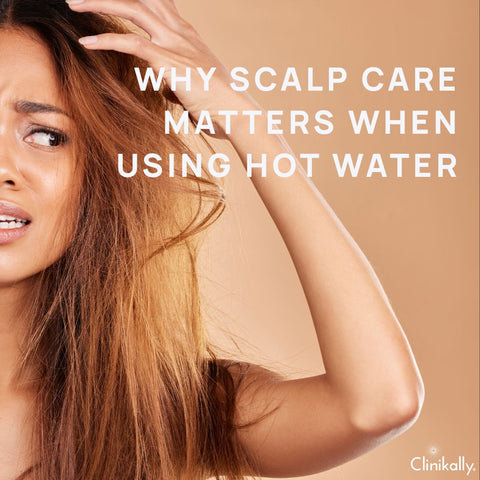
Scalp care is critical while using hot water, as too much heat may disturb the natural balance of its composition and lead to long-term problems in hair health. Though the hot water aids in cleansing the scalp by eliminating dirt and oil, continuous or repeated use can remove vital moisture, cause follicle weakening, and cause irritation. Having proper scalp care prevents hot water from doing unnecessary harm.
-
Hot water strips away natural oils, causing dryness, irritation, and flakiness.
-
It can break down the scalp barrier, making it more prone to inflammation and sensitivity.
-
Excessive use of hot water can stimulate excessive oil production, resulting in greasy roots and dry ends.
-
Dryness and irritation of the scalp can cause itching, which can cause hair follicles to weaken with time.
-
Hot water can exacerbate scalp disorders such as dandruff, eczema, and psoriasis, worsening the condition.
-
It heightens the sensitivity of the scalp, which makes it more susceptible to redness and irritation.
-
Rapid changes in temperatures, for instance from hot to cold water, can cause stress to the scalp.
-
Heat-damaged follicles may cause more loss of hair.
-
An impaired scalp environment can delay the growth of hair and overall hair well-being.
-
Moisturizing and feeding is needed to counteract drying caused by hot water and achieve a balanced scalp.
In order to shield the scalp, lukewarm water should be used for shampooing and concluded with a cool rinse. After that, gentle scalp care with hydration and nutrition ensures a healthy scalp for healthy and robust hair.
Tips for Ensuring Your Scalp Remains Healthy
A healthy scalp is the foundation for healthy, vibrant hair growth. Good scalp care avoids dryness, irritation, and hair issues like dandruff and thinning. With simple yet effective habits, you can create an ideal environment for your hair to flourish.
-
Shampoo your scalp regularly with a gentle, sulfate-free shampoo to clear out excess oil and build-up without eliminating natural moisture.
-
Replace hot water with lukewarm water to avoid dryness and irritation.
-
Massage your scalp when washing to stimulate blood flow and healthier hair follicles.
-
Exfoliate every now and then using a mild scalp scrub or exfoliating shampoo to remove dead skin cells and product residue.
-
Maintain a hydrated scalp by using lightweight, non-comedogenic oils or scalp serums if necessary.
-
Shun harsh hair care products with alcohols, sulfates, and silicones that can unbalance the scalp.
-
Shield your scalp from sun exposure by covering your head with a hat or using sun-protective hair products when outside.
-
Eat a balanced diet supplemented with vitamins and minerals such as biotin, zinc, and omega-3 fatty acids to feed your scalp from within.
-
Steer clear of over-heat styling and reduce the use of hot tools close to the scalp to avoid dryness and damage.
-
Regulate stress levels since excessive stress may cause hormonal imbalances that compromise scalp health and hair growth.
By adopting these scalp-care routines, you can establish the optimal conditions for healthy, robust hair. A healthy scalp promotes steady hair growth, avoids typical scalp problems, and boosts overall hair vitality.
Incorporating the Right Hair Care Habits for Optimal Results
Even integrating the proper hair care routines is indispensable to ensure a healthy scalp and healthy, strong hair. Regulating the water temperature is one of the most crucial steps—using lukewarm water rather than hot water keeps the natural moisture barrier of the scalp intact and avoids unnecessary dryness or oil imbalance. The use of gentle, sulfate-free shampoo and moisturizing conditioners can also shield hair from damage while keeping it hydrated. Scalp massage with essential oils or gentle serums can stimulate blood flow, which promotes improved hair growth and scalp health.
Another important habit is refraining from over-heat styling and chemical treatments, which gradually weaken hair strands. Air drying or applying heat protectants while styling reduces breakage and split ends. Trimming hair regularly also stops damage from moving up the hair shaft, making hair healthier in appearance and feel. A balanced diet with vitamins, proteins, and omega-3 fatty acids promotes hair growth from the inside out, providing the hair with the required nutrients.
By following these habits and taking notice of how water temperature impacts scalp wellness, you are able to make a best case for hair growing healthy and resistant. Proper maintenance and consistency are important in ensuring long-term healthy results for the hair.