Can Oils Help Psoriasis? A Science-Backed Skincare Guide

If you have itchy, unpleasant psoriasis patches, you are not alone. Psoriasis is an autoimmune illness that causes an increase in the creation of skin cells. This rather common skin ailment can flare up at any time, appearing pink or red with silvery-white scales on fair skin tones, salmon-colored with silvery-white scales on medium skin tones, and violet or dark brown with gray scales on deeper skin tones. Read on to discover more about essential oils and psoriasis.
Understanding Psoriasis: A Chronic Skin Condition with Complex Triggers
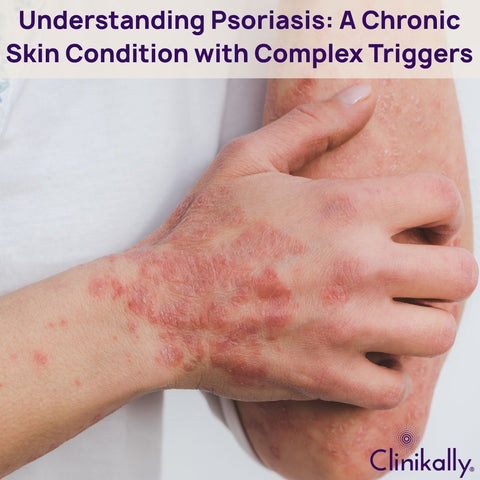
Psoriasis is a chronic, immune-mediated skin disorder distinguished by red, scaly areas and plaques. It is not contagious, but it can cause pain, itching, and reduce a person's quality of life. Psoriasis is genetically predisposed and can be triggered by a variety of conditions such as infections, skin traumas, stress, and medications. Key features of psoriasis:
-
Immune system dysfunction: Psoriasis is an autoimmune disease in which the immune system incorrectly assaults healthy skin cells, resulting in rapid cell turnover and inflammation.
-
Genetic predisposition: A family history of psoriasis raises the likelihood of developing the disease, implying a genetic component.
-
Environmental triggers: Infections, skin injuries, stress, certain drugs, and lifestyle choices can all cause or exacerbate psoriasis flare-ups.
-
Chronic nature: Psoriasis is a chronic disorder with no cure, although symptoms can be managed by a variety of treatments and lifestyle changes.
-
Impact on quality of life: Psoriasis can cause physical pain, emotional misery, and interfere with a person's social and daily activities.
-
Variety of forms: Psoriasis can take various forms, including plaque psoriasis (the most prevalent), guttate psoriasis (small, drop-like lesions), and pustular psoriasis (pus-filled pimples).
-
Psoriatic arthritis: Some people with psoriasis might develop psoriatic arthritis, which causes joint pain and inflammation.
What Causes Psoriasis and Why It Persists
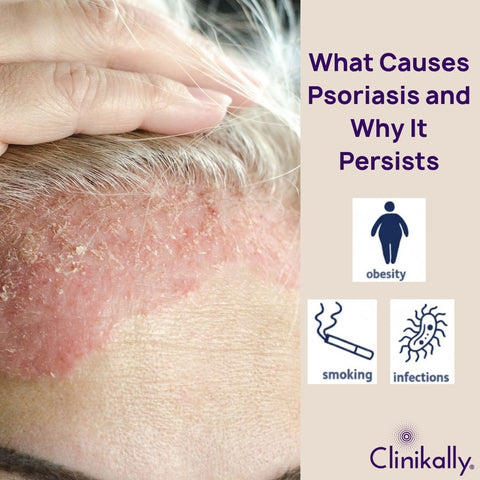
Psoriasis is generally caused by immune system malfunction, in which immune cells mistakenly target healthy skin cells, resulting in inflammation and fast skin cell turnover. This causes the distinctive thick, scaly patches of psoriasis. The exact cause of this immune system malfunction is unknown, however it is thought to be a combination of genetic predisposition and environmental variables. Psoriasis is classified as a chronic disorder since the underlying immune system dysfunction persists, though flare-ups can be induced by a variety of circumstances and may occur intermittently. Here's a thorough breakdown:
Causes:
-
Immune system dysfunction: The primary cause of psoriasis is an overreaction by the immune system. Immune cells (such as T-cells) assist the body fight illnesses and other substances. In psoriasis, these cells incorrectly target skin cells, causing them to grow abnormally fast.
-
Genetic predisposition: Psoriasis often runs in families, indicating a genetic component. Researchers discovered particular genes that may boost a person's vulnerability to the illness. However, inheriting these genes does not guarantee that you will acquire psoriasis, implying that environmental variables also play a role.
-
Environmental factors: Several factors can cause or intensify psoriasis flare-ups. Infections, skin injuries, stress, certain drugs, smoking and alcohol use, and hormonal changes are all examples.
Why It Persists:
-
Chronic nature of the underlying immune dysfunction: Psoriasis is often caused by an immune system failure that is not transient. Once the immune system begins attacking skin cells, it frequently continues to do so, resulting in a chronic, recurring problem.
-
No cure, but management is possible: There is no cure, however management is feasible. While there is no cure for psoriasis, numerous therapies and lifestyle changes can help control symptoms, prevent flare-ups, and improve overall quality of life.
-
Individual variability: The severity and frequency of psoriasis flare-ups can differ greatly from person to person. Some people may go through periods of remission (when their symptoms go away or diminish), whilst others may have permanent symptoms.
-
The significance of identifying triggers: Identifying and managing personal triggers is critical for treating psoriasis. Keeping a symptom diary can help people identify what triggers their condition, allowing for better management.
Role of the Immune System and Inflammation
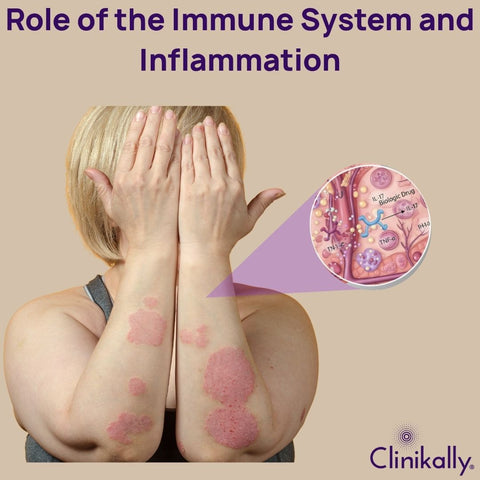
Psoriasis is an immune-mediated illness that affects the entire body, not only the skin. At its foundation is a misfiring immune system that generates persistent inflammation, resulting in the distinctive plaques and scales observed on the skin.
-
Psoriasis is an autoimmune disorder: In psoriasis, the immune system mistakenly assaults healthy skin cells, treating them as invaders. This aberrant immune response causes overproduction of pro-inflammatory cytokines, rapid skin cell turnover (every 3-5 days instead of the typical 28 days), and the accumulation of dead skin cells on the surface.
-
Important immune cells involved: T cells (particularly Th1 and Th17 subtypes) are hyperactive white blood cells that emit inflammatory signals. Dendritic cells stimulate T cells and release TNF-α and IL-23, causing inflammation. Skin cells that respond to cytokines expand and divide rapidly, resulting in plaque development.
-
Inflammatory: Psoriasis is characterized by chronic inflammation caused by TNF-α, IL-17, IL-23, IL-22, and IL-6, as well as IFN-γ. These substances enhance the immune response, attract additional immune cells to the skin, and fuel the red, raised, and scaly lesions of psoriasis.
-
Why the cycle continues: In a healthy immune response, inflammation subsides once the threat is eliminated. In psoriasis, the immune system fails to shut down, causing the skin to remain in a constant state of inflammation and rapid renewal. Triggers such as stress, infection, trauma, and some medications can exacerbate this loop.
-
Targeting the immune system in treatment: Modern medications aim to decrease the immune response with biologics like adalimumab and secukinumab, which inhibit particular cytokines such as TNF-α and IL-17. Topical corticosteroids diminish local inflammation. Phototherapy lowers immunological activity in the skin. Systemic immunosuppressants (such as methotrexate or cyclosporine) reduce hyperactive immune responses.
Why Hydration and Barrier Repair Matter in Psoriasis Care
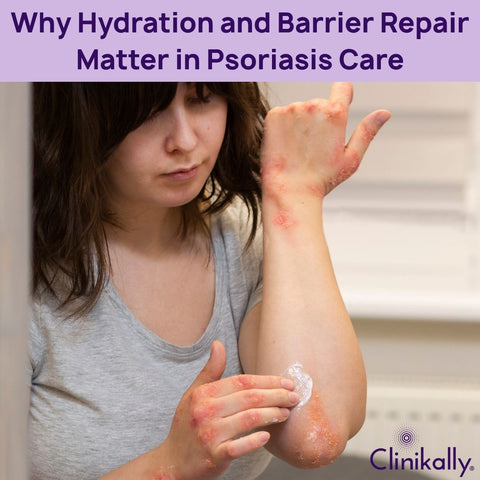
Psoriatic skin is dry, inflammatory, and fragile, owing to a disruption in the skin's normal barrier function. Addressing this dysfunction is critical to relieving symptoms and increasing therapy efficacy.
-
The skin barrier (particularly the stratum corneum) serves two functions: locking in moisture and keeping out irritants, bacteria, and allergies. In psoriasis, this barrier thins and leaks, making it susceptible to water loss and easily penetrated by external irritants. This increases the skin's sensitivity and reactivity, creating a vicious cycle of dryness, irritation, and flaking.
-
Hydration: People with psoriasis frequently have trans epidermal water loss (TEWL), which means the skin is unable to retain moisture. Without moisture, skin becomes tight, cracked, and uncomfortable; itching and irritation worsen; and topical therapies do not absorb or perform well. Glycerin, urea, and hyaluronic acid are humectants, which attract water into the skin, whereas occlusives (such as oils or petrolatum) lock it in.
-
Barrier failure promotes inflammation: When the barrier is disrupted, dendritic cells and T cells become more easily activated, inflammatory cytokines are overproduced, and the immune system incorrectly "defends" the skin, exacerbating psoriasis. This is why barrier restoration is more than simply a cosmetic procedure; it also provides immunological protection.
-
Moisturizers: When used consistently, moisturizers lessen the frequency and intensity of flares, soften plaques and scaling, improve the penetration of prescription medicines (such as steroids or vitamin D analogs), and can reduce drug dependency. Ceramides, niacinamide, shea butter, jojoba, or squalane are all possible constituents.
-
Hydration after bathing: Bathing temporarily hydrates skin, but if not sealed in within 3 minutes, it evaporates, leaving skin even dry. This is why physicians advocate lukewarm baths or showers (not hot) and the rapid use of moisturizer or oil-based ointment after the bath.
Exploring the Best Oils for Psoriasis: What Science and Tradition Say
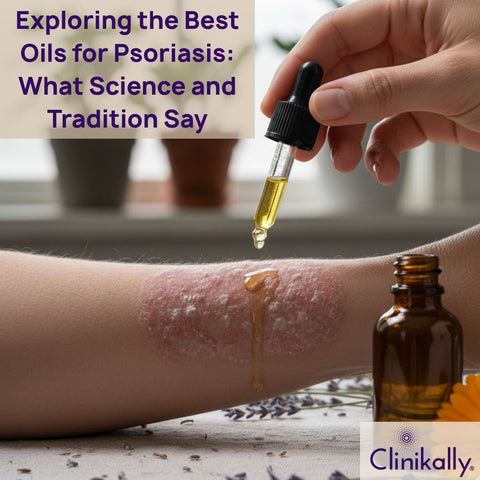
Psoriasis, an inflammatory skin illness characterized by inflammation and rapid cell turnover, frequently causes skin to become dry, scaly, and itchy. While modern medicine provides excellent therapies, plant-based oils, which are anchored in both science and traditional healing, can supplement psoriasis treatment by hydrating, lowering inflammation, and promoting skin barrier restoration.
Coconut Oil: A Fatty Acid-Rich Moisturizer
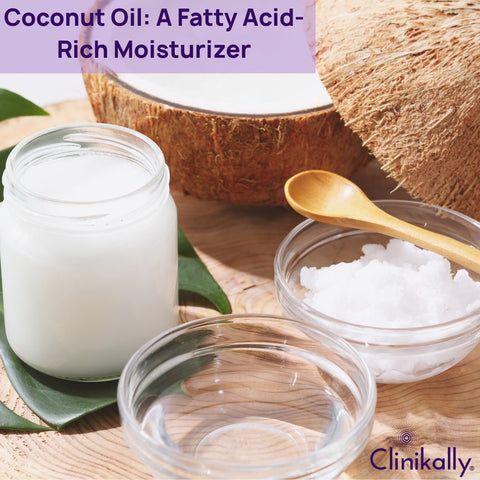
Coconut oil is more than just a pantry staple; it's a therapeutic skin emollient with a long history in traditional medicine and growing support from dermatological science. Coconut oil is beneficial to psoriasis patients because it provides hydration, barrier support, and anti-inflammatory properties.
-
Coconut oil contains 90% saturated fats, including lauric acid (49%), caprylic and capric acid, myristic and palmitic acid, polyphenols, and vitamin E, which provide antioxidant action.
-
These fatty acids can soften dry, scaly plaques, restore lipids in the skin's outer layer, and prevent moisture loss (occlusive action).
Jojoba Oil: Mimicking Natural Sebum for Deep Repair
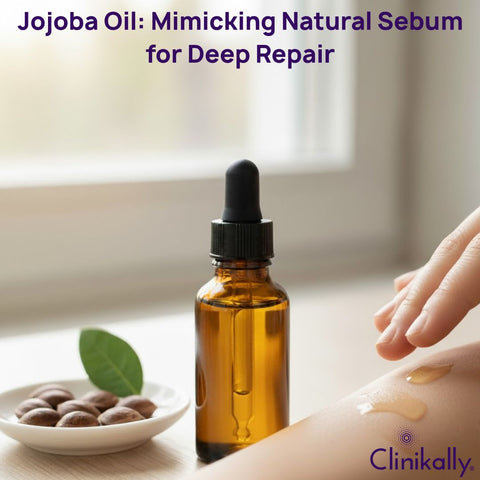
Jojoba oil, obtained from the seeds of the Simmondsia chinensis plant, is notable in skincare for its striking resemblance to human sebum, an oily material produced naturally by our skin. This distinguishing feature makes jojoba oil extremely well-tolerated, especially by sensitive or weakened skin, such as in psoriasis. Jojoba oil, unlike most oils, is classified as a liquid wax ester rather than a triglyceride. Its structure closely resembles the lipids found in our skin's natural barrier. This allows it to penetrate fast without leaving a greasy residue, integrate flawlessly with the skin's natural oils, and promote lipid replenishment, hence assisting barrier restoration.
-
Hydration without clogging: Jojoba oil is non-comedogenic, thus it does not clog pores. Instead, it helps to seal in moisture by creating a permeable barrier, preventing transepidermal water loss (TEWL), and softening and soothing dry, flaky spots. These benefits are especially important for persons with psoriasis, as their skin is frequently dry, cracked, and inflamed.
-
Barrier repair and protection: Jojoba oil contains vitamin E, B-complex vitamins, zinc, and copper, all of which help with wound healing, inflammation reduction, and antioxidant defense. According to research, jojoba oil may increase keratinocyte recovery, improve skin resilience over time, and aid in microcrack healing, hence reducing tightness and pain in psoriatic plaque.
-
Anti-inflammatory properties: In addition to its physical barrier benefits, jojoba oil has modest anti-inflammatory qualities. It may help lessen the redness, itching, and stinging that are commonly linked with flare-ups, particularly when used on damp skin on a frequent basis.
Tea Tree Oil: Antiseptic Benefits with a Cautionary Note

Tea tree oil, derived from the leaves of the Melaleuca alternifolia plant, is well-known for its powerful antibacterial, antimicrobial, and anti inflammatory qualities. It is frequently used to treat skin disorders characterized by microbial overgrowth, irritation, or mild infections, all of which can exacerbate psoriasis. However, its application in psoriasis treatment requires cautious evaluation.
-
Antimicrobial power: Tea tree oil's principal active ingredient, terpinen-4-ol, is known to kill bacteria, fungus, and some viruses, minimize Staphylococcus aureus colonization—a common cause of secondary skin infections—and help prevent infection in cracked or raw psoriatic plaques. This is especially useful in cases of scalp psoriasis or areas prone to scratching and disintegration.
-
Anti-inflammatory effects: Tea tree oil also has minor anti-inflammatory properties, with some studies indicating a reduction in histamine-induced skin inflammation as well as potential relief from itching and irritation. However, the data is weak, and additional rigorous clinical trials are required, particularly in psoriatic situations.
Neem Oil and Evening Primrose: Herbal Allies in Flare Management

Neem oil and evening primrose oil have acquired popularity as natural treatments for psoriasis due to their traditional use and developing scientific evidence. Both are botanical oils with potent anti-inflammatory and skin-calming effects, making them useful allies for treating psoriasis flare-ups. While their methods are distinct, they provide complementing advantages to irritated, inflamed, and scaly skin.
Neem Oil
-
Derived from the seeds of the Azadirachta indica tree. Traditionally used to treat skin infections, inflammation, itching, and wound healing.
-
Key active components include nimbidin, azadirachtin, and quercetin, which have anti-inflammatory, antibacterial, and antifungal activities. Contains important fatty acids (oleic, stearic, and linoleic), vitamin E, and limonoids.
-
Reduces itchiness and redness during flares. Treats secondary infections in cracked or leaking plaques. Promotes healing by stimulating skin renewal. Reinforces barrier healing by replacing fatty acids.
Evening primrose oil:
-
Originated from the seeds of the Oenothera biennis plant. Gamma-linolenic acid (GLA) is a powerful omega-6 fatty acid with demonstrated anti-inflammatory properties.
-
GLA is converted into prostaglandin E1 (PGE1), which modulates immune response and reduces inflammation. It improves skin elasticity and moisture, making it ideal for dry, scaling plaques.
-
Reduces flare frequency and intensity, particularly among inflammatory subtypes. Improves skin roughness and dryness caused by barrier failure. May promote hormonal balance, which could be beneficial in psoriasis associated with menstrual or perimenopausal flares.
Incorporating Oils Into Your Skincare Routine Safely
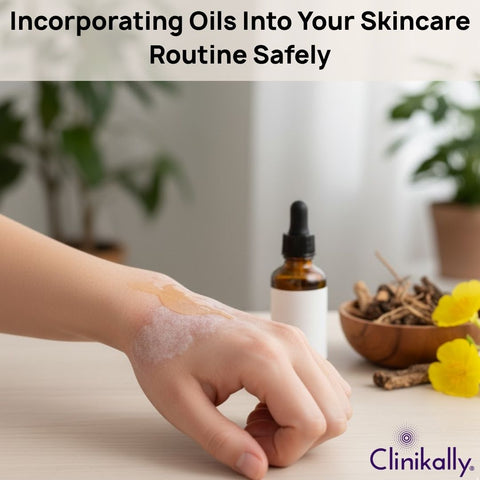
Natural oils can be effective companions in psoriasis management; but, to optimize benefits and avoid irritation, they must be used with intention, technique, and awareness. Whether you're using oils for hydration, barrier repair, or to soothe flare-ups, using them correctly ensures that they support, not stress, your skin.
-
Choose the appropriate oil for your skin's needs: Psoriasis symptoms and triggers differ from person to person. Choose an oil that addresses your individual concerns, such as dry, scaly plaques (coconut, jojoba, sunflower seed), redness and irritation (rosehip, evening primrose, argan), itching or scalp flaking (neem, tea tree (diluted), jojoba), and post-flare skin restoration.
-
Apply to damp skin for better absorption: To maximize absorption, use oils shortly after bathing or showering, when the skin is still slightly moist. To prevent moisture loss, always apply oils after using water-based treatments or moisturizers.
-
Layer oils correctly throughout your routine: Use this order to layer skincare with oils such as cleansing, topical therapy (e.g., steroid, salicylic acid, vitamin D analog), moisturizer (if using), and face or body oil (1-3 drops, rubbed in gently). For daytime use, apply sunscreen as needed.
-
Dilute essential oil: Essential oils such as tea tree, lavender, or eucalyptus must be diluted in a carrier oil (such as jojoba, sunflower, or coconut) to prevent burning, stinging, or allergic responses. A safe dilution ratio is 1-2 drops essential oil per 1 teaspoon (5 mL) carrier oil, and for sensitive skin or facial use, use a 0.5-1% dilution.
-
Before using new oils, patch test them: Before using a new oil extensively, perform a 24-hour patch test in which you apply a tiny amount to the inner forearm or behind the ear, cover it, and watch for redness, itching, burning, or rash. If no reaction develops, you can proceed to use it more broadly.
-
Stay consistent: Most emollient or barrier-repair oils can be applied once or twice a day. Apply calming oils (such as neem or tea tree) sparingly and solely to affected areas. Leave on overnight (with a shower cap) or for a few hours before shampooing.
-
Know when to stop or switch: Stop using the oil if you detect worsening redness, burning, or rash, new breakouts or pustules, peeling, or slow healing. In such circumstances, visit your dermatologist before continuing or switching to another oil.
How to Layer Oils with Other Treatments
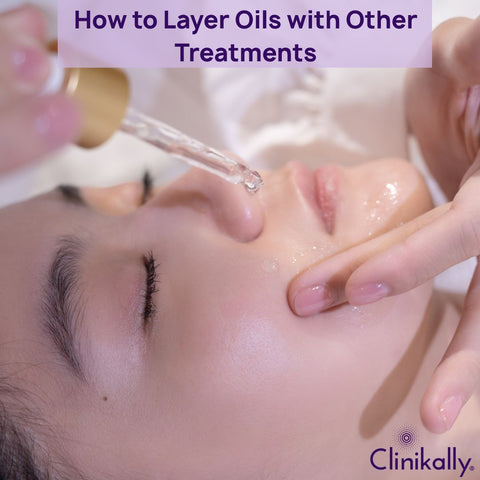
When carefully layered, oils can improve the efficacy of your therapies, reduce irritation, and build the skin barrier. Keep in mind that actives and drugs come first, followed by oils. Allow each layer to perform its job—and pay attention to how your skin responds.
Patch Testing and Sensitivity Concerns
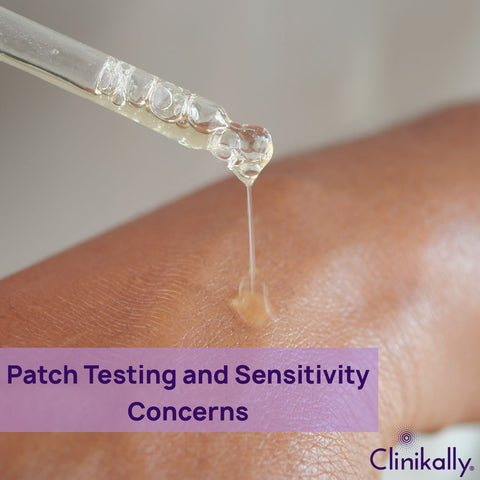
Psoriasis-prone skin is frequently sensitive, irritated, and fragile, particularly during flares or following aggressive therapies. While oils can provide relief and repair, they can also cause irritation, allergic reactions, or aggravate inflammation if not properly analyzed. Patch testing is vital when incorporating new oils into your routine. A patch test is a simple way to check for potential skin reactions, such as redness, itching, burning, or rash, before applying a substance to wider regions. In psoriatic skin, which is already weakened, even natural oils can cause responses; essential oils and unprocessed botanicals are more likely to cause sensitization, and some oils may interact badly with active treatments or cracked skin. Take these safe, dermatologist-recommended steps:
-
Choose a clear testing area. Use your inner forearm, behind the ear, or along the jawline.
-
Dilute the oil for carrier oils (such as jojoba and rosehip). Use 1-2 drops straight, and essential oils. dilute to 1% concentration (1 drop of EO + 1 tsp carrier oil).
-
Apply a tiny amount. Dab onto 1-2 cm of clean, dry skin.
-
Leave exposed and undisturbed for 24-48 hours.
-
Observe the area. Check for redness, pimples, burning, peeling, and itching.
Carrier Oils vs. Essential Oils: Know the Difference
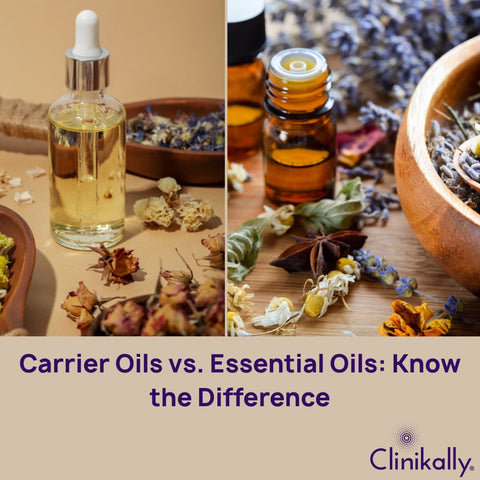
When incorporating oils into a skincare routine—especially for conditions like psoriasis—understanding the difference between carrier oils and essential oils is crucial. Each serves a distinct purpose, has unique properties, and must be used differently to ensure safety, effectiveness, and skin compatibility.
-
Carrier Oils: They are cold-pressed or expeller-pressed oils extracted from nuts, seeds, or fruits. They're called "carriers" because they dilute and carry essential oils onto the skin safely. Carrier oils are safe to use directly on the skin in most cases. Key Characteristics rich in fatty acids (like omega-3 and omega-6) and vitamin E, help moisturize, repair the skin barrier, and reduce inflammation, non-volatile, with a mild or neutral scent and absorbed slowly, offering lasting hydration.
-
Essential Oils: They are highly concentrated fragrant chemicals derived from plant parts such as leaves, flowers, bark, or roots. They should not be used undiluted on the skin because of their potency and tendency to induce irritation or allergic responses. Terpenes, phenols, and aldehydes are all active chemicals. It has antibacterial, anti-inflammatory, and aromatherapeutic benefits. It is quite strong and must always be diluted with a carrier oil. It is frequently used in very small quantities (1-2 drops per teaspoon of carrier).
Choosing the Right Oil for Your Skin: Tailoring Care to Psoriasis Type
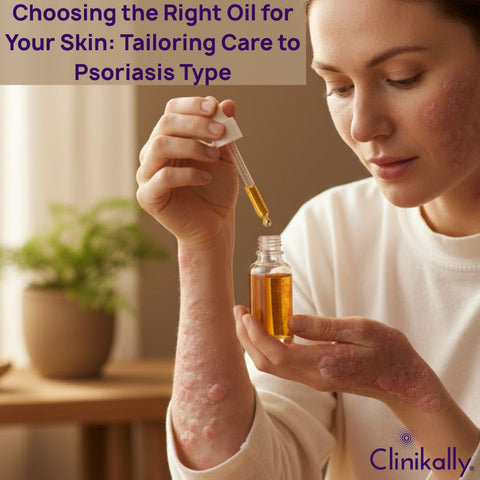
Psoriasis is not one-size-fits-all. From scalp plaques to inverse folds, each variety of psoriasis brings its own set of challenges—and the oil you use should be tailored to your skin's demands. Some oils promote hydration and barrier repair, while others address irritation, inflammation, or secondary infection. Here's how to select the best oil for the type and location of your psoriasis for safe, effective relief.
-
Always conduct a patch test before applying to huge areas.
-
Choose cold-pressed, unrefined oils free of chemicals and synthetic fragrances.
-
Use a carrier oil basis for essential oils and keep the dilution to 1% or less.
-
Oils are complementary, not alternatives for prescription treatments.