Charcoal Soap Benefits for Healthier and Clearer Skin
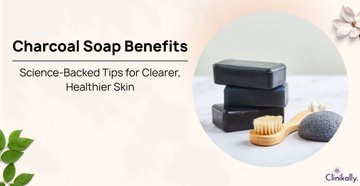
Few substances have had as much of an impact on the skincare industry as activated charcoal. Charcoal, which is commonly included in facial masks, cleansers, and now soaps, has garnered a reputation as a powerful deep-cleaning agent. But is it all hype, or does science back up the skin-clearing claims? In this blog, we'll look at the benefits of charcoal soap.
The Science Behind Charcoal Soap: Why It Works
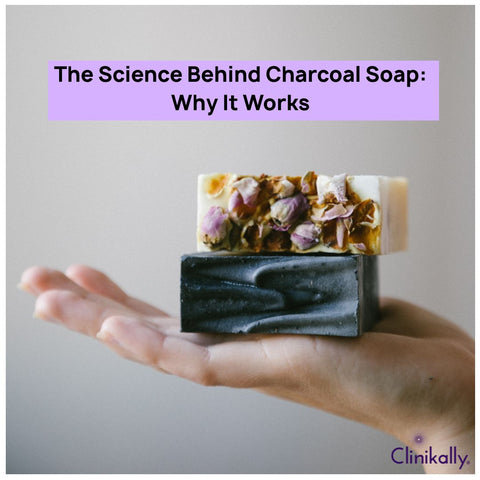
Activated charcoal's effectiveness stems from its adsorptive characteristics and capacity to purify without unduly stripping the skin. Science backs up its ability to gently cleanse clogged pores and balance oil, making it an excellent solution for a variety of skin types. Remember, more is not always better. It only takes a few times each week, combined with a well-balanced skincare routine, to observe improvements without drying out your skin.
Activated Charcoal: What Makes It a Skincare Hero
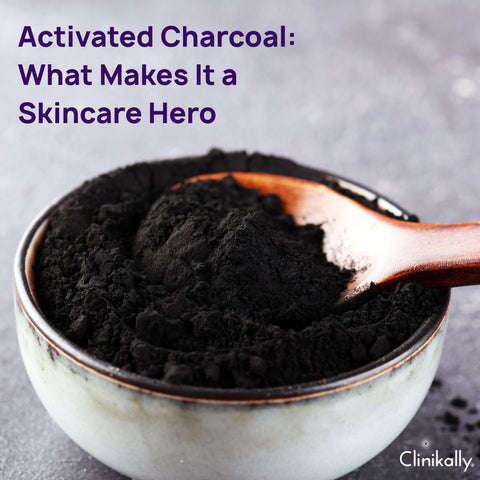
Activated charcoal is a type of carbon that has been processed at extremely high temperatures to produce a thin, porous powder. This "activation" significantly enhances its surface area—a single gram can have hundreds of square meters of adsorption capacity.
-
Detoxifies the skin: Charcoal attracts toxins, microorganisms, and pollutants that collect on the skin. It helps to remove these pollutants, leaving your skin feeling clean, invigorated, and breathable.
-
Fights acne-causing Build-Up: Activated charcoal can help to prevent breakouts by unclogging pores and decreasing surface bacteria. It is especially beneficial for people with oily, acne-prone skin.
-
Balances oil production: It cleanses excess oil without fully stripping the skin, which helps to keep your complexion balanced rather than dry.
-
Improves skin texture: The natural exfoliating effect gently eliminates dead skin cells, resulting in smoother, brighter skin.
-
Soothes urban-stressed skin: Pollution and everyday filth can dull your skin. Charcoal's propensity to bond to environmental pollutants makes it an ideal choice for city dwellers or those who are exposed to harsh environments.
Molecular Properties: How Charcoal Binds to Impurities

The cleansing power of activated charcoal is based on science, not magic. Its large surface area, pore structure, and molecular attraction mechanisms make it one of the most effective natural detoxifiers in skincare. Used correctly, it's a mild yet efficient technique to bind to what your skin doesn't need—allowing you to maintain more of what it does.
Historical Use of Charcoal in Medicine and Skincare
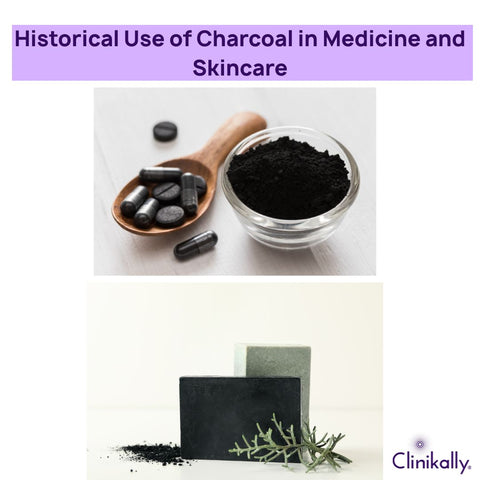
Long before contemporary science discovered the mysteries of activated charcoal, traditional societies treasured it for its healing and cleaning properties. The centuries-long use of charcoal across cultures highlights its:
-
Natural detoxifying properties
-
The ability to clean gently but effectively
-
Broad safety profile.
This rich history, combined with scientific validation, makes charcoal a reliable ingredient in modern skincare routines.
Top Benefits of Using Charcoal Soap for Your Skin
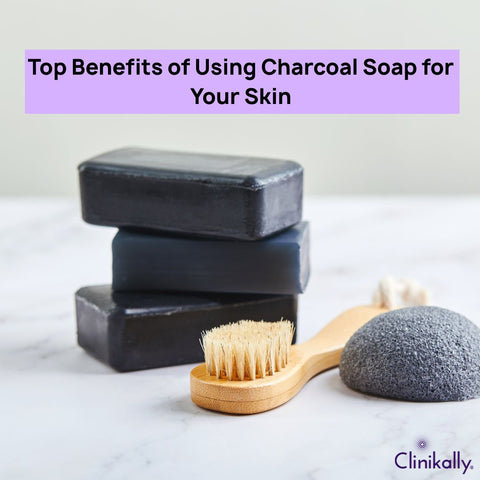
Activated charcoal soap is popular for a reason: it provides a variety of skin-loving advantages that help you attain a cleaner, healthier complexion. Here are the top reasons to include charcoal soap in your beauty routine:
-
Deep cleansing and detoxification: Charcoal's porous structure attracts dirt, oil, and pollutants, efficiently eliminating impurities from your skin and unclogging pores.
-
Controls Excess Oil: It absorbs excess sebum without stripping your face, reducing shine and preventing blocked pores.
-
Fights Acne and Breakouts: By eliminating bacteria and pollutants, charcoal soap reduces the frequency and severity of acne flare-ups.
-
Gentle Exfoliation: Some charcoal soaps promote gentle exfoliation by eliminating dead skin cells, revealing smoother, brighter skin.
-
Reduces Blackheads and Enlarged Pores: Regular use can help reduce the appearance of blackheads and constrict pores, resulting in a more refined complexion.
-
Balances Combination Skin: Charcoal soap balances oily and dry skin, making it excellent for combination skin types.
-
Soothes Irritation: When coupled with relaxing ingredients such as aloe vera or chamomile, charcoal soap can help to reduce redness and irritation.
-
Ideal for urban skin: It eliminates pollution particles and environmental contaminants that might otherwise dull and harm your skin.
Deep Cleansing Action: Removing Dirt and Oil

One of the most notable advantages of charcoal soap is its amazing capacity to deeply cleanse your skin by attracting and eliminating dirt, oil, and pollutants.
-
Activated charcoal's millions of tiny pores act as a magnet, attracting and trapping dirt, pollutants, and excess sebum on the skin's surface. Unlike most cleansers, which simply rinse away surface grime, charcoal adsorbs impurities and pulls them out from deep within pores. It binds excess oil without removing your skin's natural moisture, preventing clogged pores and breakouts.
-
Acne and blackheads can be prevented by clearing out accumulated oil and debris. Cleaner, lighter, and more breathable skin is the result of refreshed skin. It keeps the skin's natural moisture content while reducing shine.
Acne and Breakout Control: A Natural Clarifier

Charcoal soap has become a popular choice for those dealing with acne and outbreaks, and for good reason. Its natural characteristics make it an efficient clarifier that keeps skin clean without using harsh chemicals.
-
By binding to sebum, charcoal soap decreases the greasy buildup that frequently clogs pores and causes acne. Activated charcoal absorbs dirt, pollutants, and germs, all of which are major causes of breakouts. While charcoal is not a treatment, its ability to eliminate surface germs may help reduce acne-causing microorganisms. Charcoal soap prevents blackheads and whiteheads from forming by removing pore-clogging material.
-
Unlike some harsh acne treatments, charcoal soap cleanses deeply without stripping your skin or making it too dry. It promotes the skin's natural equilibrium, making it appropriate for daily use in your skincare regimen. Can be taken with other gentle acne-fighting substances such as tea tree oil or salicylic acid to improve results.
Odor Neutralization: Keeping Skin Fresh and Balanced
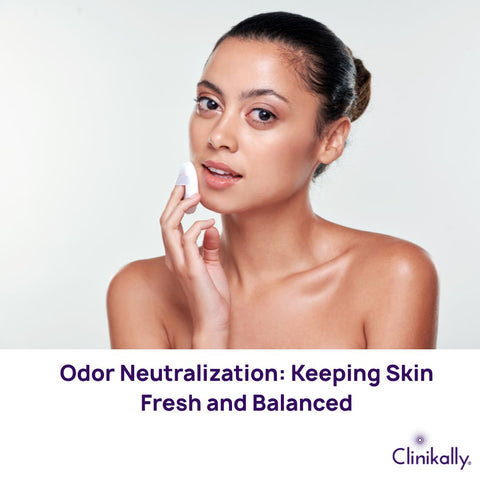
Beyond cleansing, charcoal soap has the added benefit of neutralizing odors, allowing your skin to stay fresh and balanced all day.
-
Activated charcoal binds to the substances that cause unpleasant scents, such as sweat and germs. Charcoal soap helps keep your skin naturally fresh by reducing the microorganisms that cause body odor. Its mild washing action keeps the skin's natural pH and moisture levels balanced, reducing odor-causing disorders.
-
Charcoal soap's odor-fighting properties keep you feeling clean long after you wash. Unlike strong deodorants, charcoal soap refreshes without causing irritation or dryness. Natural and calming, it's an excellent choice for those who are sensitive to chemical deodorants.
How to Incorporate Charcoal Soap into Your Routine
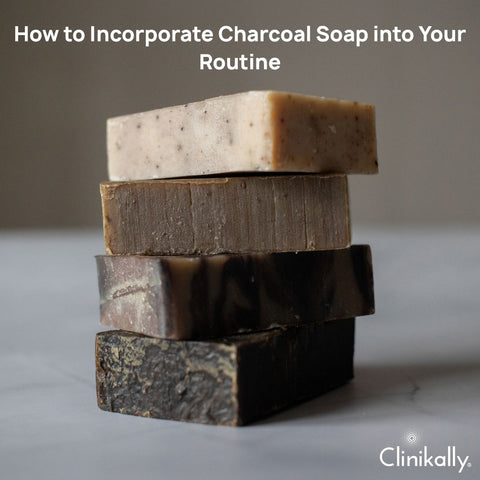
Charcoal soap can be a powerful addition to your skincare routine—but using it correctly is essential for maximizing benefits while keeping your skin balanced.
-
Start slowly: Try using charcoal soap 2-3 times a week to see how your skin reacts. Overuse can cause dryness, particularly on sensitive or dry skin.
-
Use it as a cleanser: Lather the soap in your hands and gently massage it into damp skin, focusing on areas prone to oiliness, breakouts, or congestion, such as the T-zone.
-
Avoid Over-Scrubbing: Charcoal soap exfoliates gently; avoid hard scrubbing to avoid irritation.
-
Rinse thoroughly: To keep pores clear and skin calm, rinse off any soap residue with lukewarm water.
-
Follow with Moisturizer: Because charcoal soap can be drying, apply a moisturizer appropriate for your skin type soon after cleansing to stay hydrated.
-
Use in Specific regions: If you have combination skin, use charcoal soap just on oily regions (forehead, nose, and chin) and a softer cleanser elsewhere.
-
Pair with complementary products: For acne-prone skin, combine charcoal soap with gentle toners or spot treatments. Add moisturizing serums or lotions to help with dry skin.
Choosing the Right Charcoal Soap for Your Skin Type
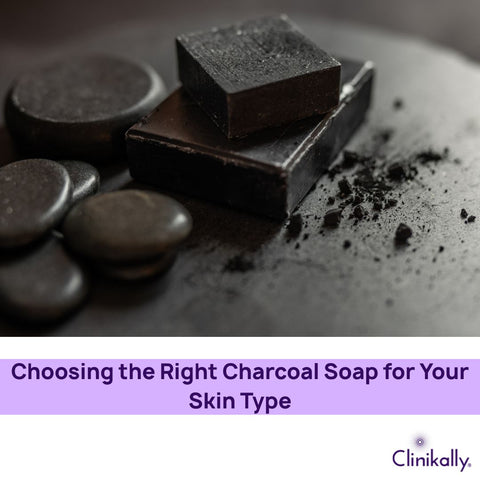
Not all charcoal soaps are created equally. Choosing one that is appropriate for your skin type ensures that you receive the most advantages while avoiding irritation or dryness. Here's how to make sensible choices:
-
Oily and acne-prone skin: Look for charcoal soaps containing oil-absorbing substances such as tea tree oil, salicylic acid, or clay. Non-comedogenic products will not clog pores. Gentle antimicrobial characteristics can help minimize outbreaks.
-
Dry and sensitive skin: look for charcoal soaps that contain hydrating ingredients such as aloe vera, glycerin, shea butter, or coconut oil. To minimize sensitivity, use fragrance-free or hypoallergenic choices. Chamomile and calendula are soothing additions.
-
Combination Skin: Look for balanced formulas that cleanse oil-prone areas without stripping dry patches. Soothing and hydrating ingredients alongside charcoal’s detoxifying benefits.
-
Normal skin: Look for mild charcoal soaps that maintain your skin’s natural balance. Formulas with gentle exfoliants for smooth texture.
-
Mature skin: Look for charcoal soaps combined with anti-aging ingredients like antioxidants (vitamin E, green tea) or hydrating oils. Soothing and nourishing components to prevent dryness and irritation.
Best Times to Use It: Face, Body, or Both?

Charcoal soap is versatile, but how and where you apply it might influence the effects. Here's how to make the best of it:
-
Charcoal soap for your face: Ideal for oily, acne-prone, or combo skin with plugged pores and outbreaks. Use 2-3 times per week to avoid dryness or irritation. Ideal for nighttime cleansing to eliminate the day's accumulation of oil, filth, and pollution. Throughout the day, use a light moisturizer and sunscreen.
-
Using charcoal soap on your body: Areas prone to sweating, odor, or clogged pores, such as the back, chest, and underarms. It can be applied everyday or every other day, depending on skin sensitivity. Ideal for showering, particularly after an exercise or exposure to grime and pollutants. To avoid dry skin, moisturize your body afterward.
-
Using charcoal soap on your face and body: If you have oily or acne-prone skin, using charcoal soap on your face and body can help—but keep an eye out for signs of over-drying. For combination skin, apply soap to oily areas (such as the face, T-zone, and back) and use gentler cleansers elsewhere.
Combining Charcoal Soap with Your Skincare Regimen
If done correctly, incorporating charcoal soap into your current routine can increase the benefits to your skin. Here's how to put it together effectively:
-
Use charcoal soap as a deep cleaner: Use charcoal soap 2-3 times per week as your primary washing step to eliminate buildup, oil, and pollutants.
-
Follow with mild toners or moisturizing mists: After cleansing, apply a light toner or hydrating mist to restore your skin’s pH balance and prepare it for moisturizers.
-
Moisturize well: Charcoal soap can be drying, so always follow with a moisturizer appropriate for your skin type to preserve hydration and barrier function.
-
Spot treatments: Apply acne spot treatments (such as benzoyl peroxide or salicylic acid) after moisturizing to reduce irritation.
-
Avoid over-exfoliation: Charcoal soap has a gentle exfoliating action; avoid using it in conjunction with abrasive scrubs or powerful chemical exfoliants to avoid irritation.
-
Sun protection: Apply a broad-spectrum sunscreen every day, especially after deep cleansing, which might make your skin more sensitive to UV damage.
-
Adjust frequency based on skin response: If you experience dryness or irritation, limit your use of charcoal soap and replace it with a softer cleaner on alternate days.
-
Pair with complementing ingredients: Charcoal soap pairs nicely with hydrators (Hyaluronic acid, glycerin), soothers (Aloe vera, chamomile), and acne fighters (tea tree oil, niacinamide).
Potential Side Effects and Personalized Usage Tips

While charcoal soap has many advantages, it's important to understand the potential side effects and how to use it for your specific skin type.
-
Dryness and tightness: Charcoal's strong cleansing action can remove natural oils, resulting in dry or tight skin, particularly for dry or sensitive skin.
-
Irritation and redness: Overuse or harsh scrubbing with charcoal soap can result in irritation, redness, or flaking.
-
Allergic reactions: Although uncommon, some people may react to additives in charcoal soaps, such as fragrances or preservatives.