How to Choose the Best Salicylic Acid Formula for Clear Skin
Navigating the crowded aisle of salicylic-acid skincare can feel overwhelming, but understanding a few core facts makes choosing the perfect formula easy. Salicylic acid-an oil-soluble beta-hydroxy acid (BHA)-travels deep into clogged pores to dissolve excess sebum, blackheads, and acne-causing bacteria while soothing inflammation for visibly clearer, healthier skin. Whether you’re fighting persistent breakouts, “maskne,” hormonal acne, or dull, congested texture, seek dermatologist-recommended products, here at Clinikally. Lightweight gel cleansers, alcohol-free toners, leave-on serums, and overnight spot treatments offer targeted solutions for oily, combination, and sensitive complexions alike. Prioritize non-comedogenic, fragrance-free, paraben-free products for daily gentle exfoliation without irritation and always layer with broad-spectrum SPF to avoid post-inflammatory hyperpigmentation. By mimicking concentration, delivery system, and supporting actives, this powerhouse BHA can unveil long-term blemish control and radiant, refined glow. To understand it in detail, keep on reading!
Demystifying Salicylic Acid: What Makes It a Skincare Essential?
Salicylic acid is an essential product in today's skincare regimen, particularly for acne-prone, blackhead-prone, and oily skin. With its strong beta-hydroxy acid (BHA) property, salicylic acid penetrates deep into the pores to loosen sebum, dead skin cells, and impurities that get clogged inside-hence making it one of the most effective ingredients for acne skin. It gently exfoliates the skin’s surface, promotes cell turnover, and reduces excess oil without stripping the skin of essential moisture. Known for its anti-inflammatory and antibacterial properties, salicylic acid helps calm active breakouts while preventing new ones from forming. Whether you’re dealing with hormonal acne, whiteheads, or textured skin, this ingredient targets the root cause for visibly clearer, smoother skin. Salicylic acid now appears on everything from face cleansers and toners to spot treatments, making it an all-around must-have for attaining healthy, blemish-free complexion.
Understanding Salicylic Acid and Its Role as a BHA
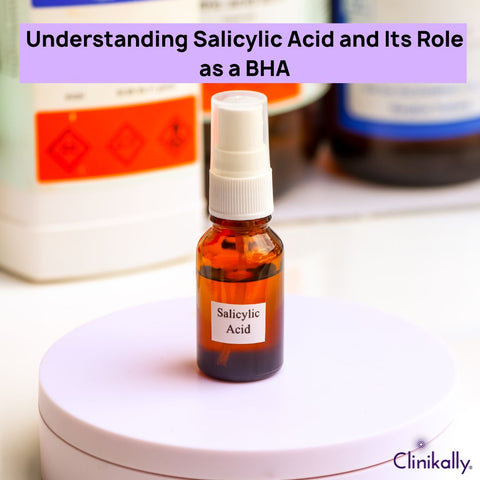
Salicylic acid, a strong beta hydroxy acid (BHA), is a dermatologist-endorsed product that is a crucial factor in contemporary skincare regimens, particularly for individuals who are suffering from acne, blackheads, open pores, and oily complexion. As an oil-soluble exfoliant, salicylic acid dissolves deep within the pores, breaking down excess sebum and dead skin cells, making it a top pick for clearer, smoother-looking skin. Used in cleansers, toners, spot treatments, and peels, this product has become a mainstay in oily and acne-prone skin products, providing noticeable results after continuous use.
-
Salicylic acid is a beta hydroxy acid (BHA) with a deep exfoliating effect.
-
It penetrates oil-filled pores to clean out dirt, dead skin, and excess sebum.
-
Continuous use minimizes acne breakouts, blackheads, and whiteheads.
-
It encourages quicker skin cell turnover for a clearer, smoother complexion.
-
Salicylic acid is anti-inflammatory, soothing inflamed, red, or irritated skin.
-
It is best suited to oily, acne, and combination skin types.
-
Salicylic acid cleans out pores, thereby minimising their appearance over time.
-
It makes other acne treatments work better by preparing the skin.
-
Contains in many products such as face washes, serums, and pads.
-
Fades post-acne marks and pigmentation with consistent use.
-
It aids in preventing future breakouts by keeping pores clear.
-
Salicylic acid is commonly used in chemical peels for exfoliation.
-
Pairs well with niacinamide, zinc, and tea tree oil in spot treatments.
-
Is non-comedogenic and safe for use every day in lower concentrations.
-
Promotes well-balanced oil production, allowing for shine and greasiness control.
Adding salicylic acid to your skincare treatment is a great way to combat acne, minimize blemishes, and keep pores healthy. Its power to exfoliate internally makes it a product everyone with oiliness to contend with should have. Used daily, salicylic acid works to convert clogged, acne-ridden skin into a clearer, healthier-looking complexion.
How It Works at the Cellular Level to Target Acne
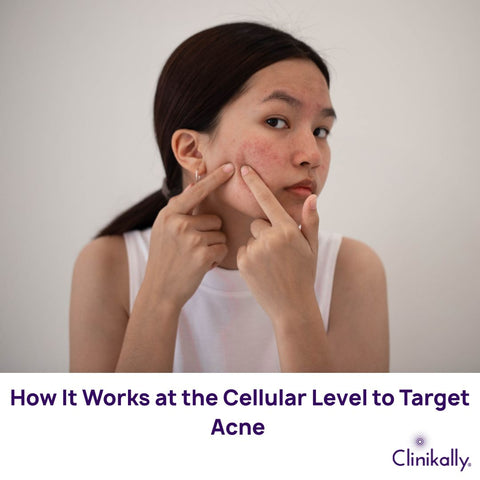
Learning how salicylic acid operates at the cellular level explains why it's such a potent treatment for acne and a promoter of healthy skin. Being a beta hydroxy acid (BHA), salicylic acid is oil-soluble and keratolytic, which means it penetrates deeper than topical treatments. Such deep penetration attacks acne at its root by controlling skin cell turnover, breaking down clogged pores, and combating inflammation - making it among the most reliable ingredients for acne skin.
-
Salicylic acid penetrates the stratum corneum and invades sebaceous follicles because of its lipophilic (oil-attracting) character.
-
Within the pore, it breaks up desmosomes, referred as intercellular "glue" that unites dead cells.
-
This exfoliation action stops keratin and sebum accumulation, which are the major causes of comedones.
-
It corrects hyperkeratinization, a primary reason for clogged pores and acne.
-
Salicylic acid possesses comedolytic effects-i.e., it clears out existing blackheads and whiteheads.
-
It has anti-inflammatory action by suppressing few enzymes, with consequent reduction of redness and swelling.
-
On a cellular level, it induces desquamation (natural peeling of the skin) without disturbing the dermis.
-
Decreases bacterial count within pores by making the environment unfavorable for acne-producing Cutibacterium acnes.
-
Stimulates quicker renewal of the skin by activating basal keratinocyte turnover.
-
Its anti-microbial and exfoliative activities minimize subsequent acne outbreaks.
-
Supports epidermal health of the skin by removing buildup without disrupting moisture equilibrium at lower concentrations.
-
Acts synergistically with niacinamide or zinc to reduce irritation and boost cellular repair.
-
Through its molecular weight, it is able to target the activity within sebaceous units as opposed to superficially only in the skin.
-
Decreases follicular occlusion, a precursor to inflammatory acne lesions.
-
Long-term applications reprogram the rhythm of the skin's oil regulation and turnover.
By working at the cellular level, salicylic acid doesn't only address current breakouts-it prevents others from occurring. Its special power to unclog pores from the inside out, reduce redness and inflammation, and balance cellular sloughing makes it a staple ingredient in evidence-based acne treatments.
Who Should-and Shouldn’t-Use Salicylic Acid Products
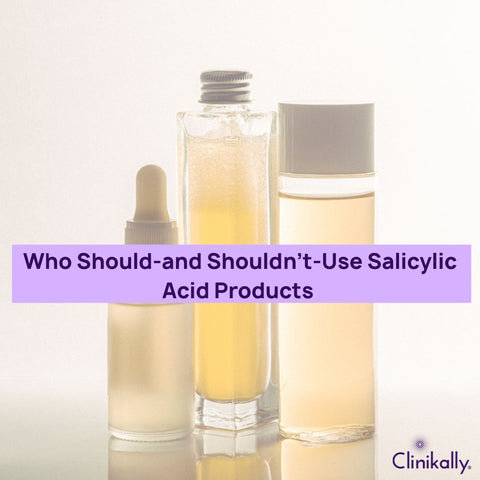
Salicylic acid is a tried-and-true acne and oily skin treatment powerhouse, but it's not right for everyone. Though its exfoliating and anti-inflammatory benefits help many, others can develop irritation or dryness if applied improperly or to the wrong skin types. Knowing who should-and shouldn't-apply salicylic acid prevents negative reactions and ensures best skincare outcomes.
-
Best for oily, acne, and combination skin types in need of pore-clearing.
-
Best for those with blackheads, whiteheads, or mild to moderate inflammatory acne.
-
Excellent for those with ingrown hairs or keratosis pilaris due to its keratolytic action.
-
Safe for those with body acne, especially on the chest or back.
-
Helpful for those with clogged pores or makeup/congestion from sunscreen.
-
Not for extremely dry or eczema skin, as it can be too drying or irritating.
-
Should be avoided or used carefully by people with rosacea-sensitive skin.
-
Should not be used by those with aspirin allergy (salicylate), as cross-reactivity may occur.
-
Pregnant and lactating women should seek the advice of a dermatologist before using high-strength products.
-
Should be introduced slowly into skincare to establish tolerance and prevent over-exfoliation.
-
Those taking retinoids, benzoyl peroxide, or AHAs must space out the use to protect against barrier damage.
-
Teens and adults can benefit, but product strength and frequency must be equivalent to skin maturity and sensitivity.
-
Good for use in cleansers and spot treatments with lower concentrations (0.5-2%) for regular maintenance.
-
Not good for use on broken, irritated, or peeling skin.
-
Patch testing prior to adding new salicylic acid products to daily use is advisable.
When used on the right skin types and under proper guidance, salicylic acid can be a transformative ingredient. However, understanding individual skin needs and potential contraindications ensures safe, effective, and long-term benefits without compromising skin health.
Comparing Formulations: Gel, Cream, or Serum-Which One Is for You?
Choosing the right formulation of salicylic acid-gel, cream, or serum-can significantly impact how effectively it works for your skin type and concerns. Each format delivers the active ingredient differently, influencing absorption, potency, and comfort. Gels are light and oil-absorbing, which is great for oily or acne skin because they control shine and attack blemishes without adding weight. Creams provide a more moisturizing, richer base, which is great for dry or combination skin types that require exfoliation without losing moisture. Serums, which are usually water- or silicone-based, deliver an intense dose of salicylic acid and penetrate very deeply, so they work well for aggressive acne or texture irregularities. Serums usually pair with other actives such as niacinamide or hyaluronic acid, boosting multi-benefit regimens. Comparing products by texture, rate of absorption, and other actives allows you to tailor your skincare routine for maximum benefit. Knowing these differences means that salicylic acid not only addresses your issues but also maintains your skin's overall health and harmony.
Salicylic Acid Gel: Best for Oily, Acne-Prone Skin
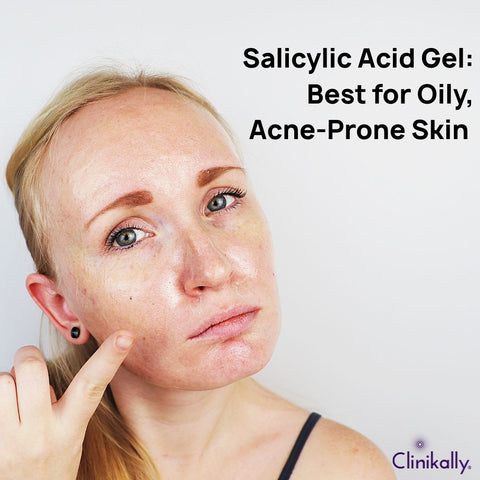
Salicylic acid gel is a best pick for oily and acne skin types because of its non-greasy, lightweight texture and deep penetration. Designed to quickly absorb without clogging pores, gel products containing salicylic acid regulate excess sebum, unclog blackheads and whiteheads, and calm inflammation without drying out the skin. The quickly absorbed formula enables the BHA to penetrate deep within pores, break down debris, and treat acne at its source. Gels are particularly good for individuals who are struggling with active blemishes, oily T-zones, or congestion in wet climates. Formulations also often feature calming and moisturizing ingredients such as aloe vera, niacinamide, or green tea extract to counterbalance exfoliation with comfort. Suitable both for spot treatments and overall application, salicylic acid gels deliver direct, efficient acne management while assisting in the maintenance of a clearer, smoother complexion. If your skin leans oily or you struggle with frequent blemishes, gel formulations offer the perfect balance of efficacy and refreshingly light texture. Few gel form of salicylic acid containing products are:
Salicylic Acid Cream: Nourishment with Exfoliation
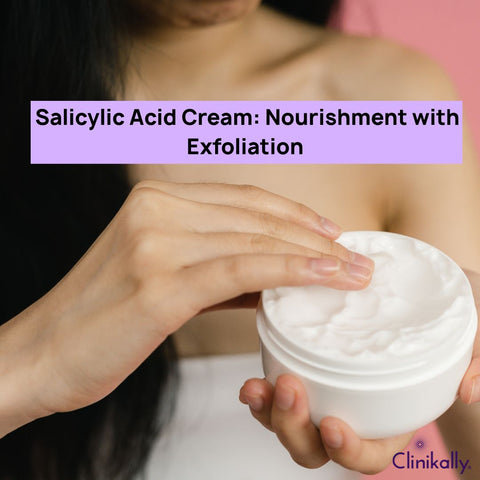
Salicylic acid cream is the best of both worlds when it comes to gentle exfoliation and intense moisturizing, and it is suitable for dry, sensitive, or combination skin types. Cream-based products are richer in moisturizing agents such as ceramides, shea butter, or squalane compared to gels or serums, which can avoid dryness or irritation that usually comes with exfoliating acids. While salicylic acid exfoliates, opening up clogged pores, smoothes out rough texture, and minimizes blemishes, the creamy base replenishes moisture and feeds the skin's barrier. Therefore, it is particularly good for those suffering from acne that has underlying dryness, flaky areas, or barrier sensitivity. Perfect for every day or as a nighttime treatment, salicylic acid creams release exfoliating advantage slowly and over time without robbing the skin of natural oils. For the individual who wishes for smooth skin with extra comfort, a salicylic acid cream works and leaves skin soft, soothed, and in balance. Few cream formulations of salicylic acid products are:
Salicylic Acid Serum: Potent, Lightweight, and Fast-Absorbing
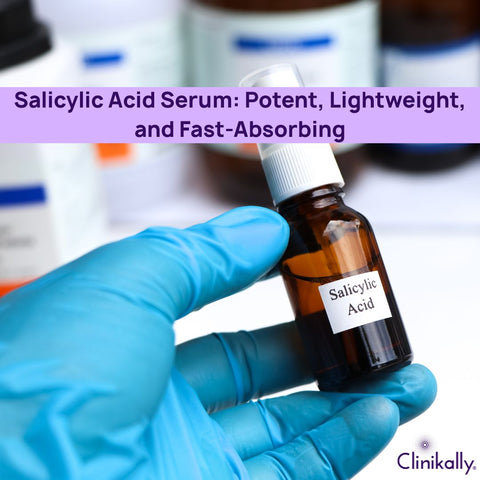
Salicylic acid serum is a strong, quickly absorbed formula created for purposeful treatment of blemishes, blackheads, and irregular skin texture. Perfect for all skin types-particularly those plagued with ongoing breakouts or textured areas-serums provide a concentrated dose of salicylic acid right into the pores to loosen oil, strip away dead skin cells, and reduce redness. They are light enough to layer under moisturizers or SPF without clogging pores or leaving skin feeling oily or weighed down. Most salicylic acid serums also contain synergistic components such as niacinamide, tea tree oil, or zinc, enhancing their acne-fighting and soothing benefits. Due to serums' fast penetration and deep delivery, they're ideal for targeting the current pimples or using them all over for more serious or clogged cases. Whether applied during the morning or evening, salicylic acid serums are an effective, high-impact solution for smoother, clearer, and finer skin with minimal effort. Few serum formulations for salicylic acid products are:
Application Tips: When and How to Use Salicylic Acid Safely
Using salicylic acid correctly is key to reaping its acne-fighting and exfoliating benefits without irritating your skin. Start by using it once every other day, especially if you’re new to acids, and gradually build up to daily use based on your skin’s tolerance. Apply it on clean, dry skin-either as a toner, serum, gel, or cream-after cleansing and before moisturizing. Don't layer it with powerful actives such as retinol, benzoyl peroxide, or AHAs unless under a dermatologist's direction because it may cause over-exfoliation and sensitivity. Always end with a moisturizer that is non-comedogenic and hydrating to reinforce the skin barrier. Wearing a broad-spectrum sunscreen in the day is most important since salicylic acid can make your skin hypersensitive to UV light. Treat the spot if necessary, but avoid overdoing it or over-applying. With proper use and regularity, salicylic acid can be a gentle and effective partner in your skincare regimen for brighter, balanced, healthier-looking skin.
Frequency of Use and Layering with Other Actives
Salicylic acid is an effective but potentially irritating active, so knowing how frequently to use it-and how to mix it with other skincare actives-is crucial for achieving the most benefits with the least irritation. Frequency and compatibility are skin-type, product-strength, and combination-dependent. Here's a step-by-step guide to get you using salicylic acid both safely and effectively:
-
Start with 2-3 times a week, particularly if using a serum or leave-on treatment.
-
Oily, acne, or durable skin types may be able to increase use for once daily, whereas
-
Sensitive or dry skin can probably get away with using it once or twice weekly for fear of triggering over-exfoliation.
-
Salicylic acid cleansers like COSRX Salicylic Acid Daily Gentle Cleanser are gentler and are usually okay to use daily because time in contact with the skin is short. Especially.
-
Leave-on products (such as creams or serums) are more concentrated and must be applied with care initially.
-
Always put salicylic acid on after cleansing and before moisturizing-preferably on freshly cleansed, dry skin.
-
Don't mix salicylic acid with harsh exfoliants such as glycolic acid, lactic acid, or physical scrubs in the same routine, as this can cause irritation.
-
Layering with retinol or tretinoin may enhance dryness and sensitivity-alternate on alternate evenings or use under the care of a professional.
-
Niacinamide products like Clinikally The Ultimate NIA (10% Niacinamide) Serum works well with salicylic acid and may be used to soothe redness and fortify the skin barrier.
-
Use vitamin C and salicylic acid separately unless in formulations designed to be used together, since varying pH values will decrease effectiveness.
-
Always finish with a gentle, non-comedogenic moisturizer such as Dermalsure Hydratone Light Face Moisturiser to moisturize and shield the skin.
-
Morning use necessitates sunscreen, as salicylic acid has the potential to enhance photosensitivity and risk of hyperpigmentation. Use Clinikally SunProtect Sunscreen SPF 50/PA+++ before going out in the sun.
When utilized at proper frequency and considered layering, salicylic acid can be a game-changer for acne, texture, and oil control. Paying attention to your skin, beginning slowly, and staying away from mutually exclusive actives are the secret ingredients to clear, healthy skin without irritation or barrier disruption.
Morning vs. Night: Timing Matters
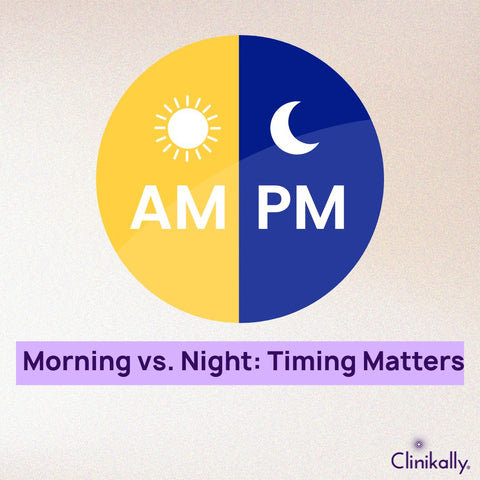
The when of applying salicylic acid is important to how effectively it functions and how your skin responds to it. Figuring out when to apply it-morning or evening-can help you maximize the use of this potent exfoliant while reducing possible irritation or sun sensitivity.
-
Nighttime application is usually ideal for salicylic acid, particularly in leave-on products such as serums or creams, since your skin naturally repairs and renews itself while asleep.
-
Applying salicylic acid at night also reduces the risk of photosensitivity that results from acids combining with UV exposure even with SPF.
-
Morning use is okay when using lower-strength products such as face washes or toners that are rinsed off immediately and followed by a broad-spectrum sunscreen.
-
If your regimen involves other actives such as retinol or exfoliating AHAs, it's best to leave those for other nights and not layer them with salicylic acid.
-
Daytime application might be helpful for oily skin that tends to break out around noon, but always follow with a moisturizer and SPF 30 or more.
-
For sensitive skin, nighttime application with a soothing barrier-repair cream could be more effective and kind.
Ultimately, whether you apply salicylic acid in the morning or evening will depend on your product type, skin sensitivity, and overall skincare routine. Whatever time you decide, consistency and sun protection are important to obtaining clear, healthy skin.
Signs of Overuse and How to Avoid Skin Irritation

While salicylic acid is a miracle worker for acne and oily skin, overusing it can irritate your skin and deplete your skin barrier. Knowing how to prevent early signs of overuse and recognizing them is key to safe, effective results.
-
Dryness, flakiness, or tightness may mean your skin is losing vital moisture.
-
Redness, stinging, or burning on application is a typical sign of sensitization or overexfoliation.
-
Sudden breakouts or tiny bumps may happen when the skin barrier is broken due to overuse of acid products.
-
Shiny but tight skin is a sign that your skin is inflamed and dehydrated.
-
Don't use several products for exfoliation (such as glycolic acid, lactic acid, or physical exfoliants) at the same time as salicylic acid.
-
Use them 2-3 times a week at first, particularly for serums and leave-on products.
-
Follow with a hydrating, repair barrier moisturizer with ceramide- or panthenol-containing ingredients.
-
Salicylic acid should never be used on broken, sunburned, or sensitized skin.
-
Always use sunscreen daily since over-exfoliated skin is more susceptible to UV damage.
-
New actives should be phased in slowly and watched closely for your skin's reaction.
By listening to your skin and balancing your routine, you can avoid overuse pitfalls while still enjoying the exfoliating, acne-cleansing benefits of salicylic acid.
Choosing Wisely: Personalized Formulation Guidance for Better Results

When using salicylic acid, one size does not fit all-identifying the proper formulation according to your skin type and issue is vital for attaining effective, irritation-free results. Oily and acne-prone skin responds best to gel-based products that get deep into the pores immediately and attack blemishes without depositing additional oils. Dry or sensitive skin types might like cream formulations that couple exfoliation with moisturizing ingredients to avoid flakiness and tightness. Serums, on the other hand, are ideal for those seeking potent, fast-absorbing solutions that tackle stubborn acne, rough texture, or enlarged pores. Also, consider additional ingredients-look for niacinamide to reduce redness, hyaluronic acid for hydration, or tea tree oil for antibacterial support. Start with lower concentrations (0.5-1%) if you’re new to salicylic acid, and gradually increase based on your skin’s response. By aligning your skincare goals with the right product type and concentration, you can ensure that salicylic acid works for your skin-not against it-delivering clearer, healthier results over time.