Coal Tar In Haircare: Clearing the Myths with Real Facts

Coal tar in beauty products is still a hot topic that raises several doubts and misconceptions about the safety and efficiency of using this ingredient for scalp and hair care. Being widely available in coal tar shampoo formulations on the market, the role of this ingredient is most recognized for treating several scalp issues such as dandruff, scalp psoriasis, seborrheic dermatitis, and itch scalps. However, besides the various known advantages that these ingredients have already proven for scalp and skin ailments, there are also several misconceptions that surround the topic of using these ingredients for your scalp and hair care needs.
Understanding Coal Tar in Haircare
Coal tar has been a trusted component in hair products, particularly in the treatment and management of scaling conditions on the scalp, including dandruff, psoriasis, and seborrheic dermatitis. Coal tar, obtained from the processing of coal, has been found effective in slowing down the rapid cellular growth and scaling on the scalp, alleviating irritation, pruritus, and inflammatory conditions. Even today, its commercial demand has not reduced as it is used in hair products as a therapeutic component in managing scalp psoriasis and dandruff. Refined and improved coal tar products are more convenient and can be applied on the scalp on a routine basis for maintaining a healthy scalp and regulating oil secretions. Coal tar hair products, in combination and as directed, have been found effective in enhancing the growth and conditioning of hair.
What Coal Tar Is and How It Works on the Scalp
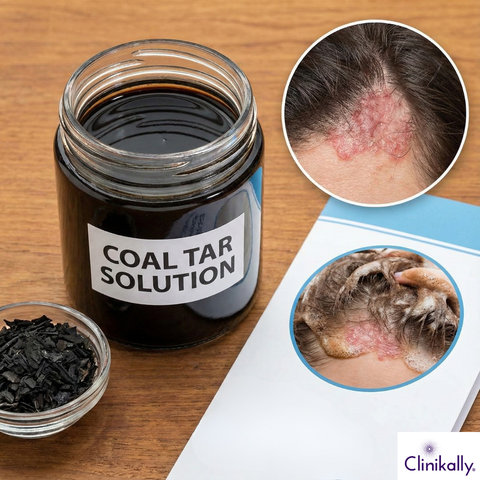
Coal tar is one of the long-established ingredients suggested for use by dermatologists, now found in most medicated shampoos for scalp, specifically for treating dandruff, scalp psoriasis, and seborrheic dermatitis. Although new ingredients are now very popular in the world of hair care, coal tar remains one of the most-inquired, long-established ingredients for treating scalp conditions.
-
A dark, thick product obtained in coal processing
-
Long used in medical shampoos and scalp preparations
-
Known as an antidotes/dermato-vegetable preparation, with properties
-
Formulations available over-the-counter and by prescription only
The Role of Coal Tar in the Scalp Care is:
-
Controls excessive growth of skin cells, a major contributor to flakes in psoriasis
-
Helps to reduce the scaling associated with dandruff
-
Relieves itching and scales associated with dandruff and eczema
-
Softens thick plaques and makes them easier to remove with soap
-
It assists in restoring the natural balance of the scalp
The reason of popularity of coal tar in scalp care is:
-
Proven clinically for scalp psoriasis treatment
-
Assists in managing chronic dandruff effectively
-
Recommended by dermatologists for maintenance of the scalp
In conclusion, coal tar offers a proven and very effective remedy for scalp conditions. Even if this remedy may not offer anything particularly novel or exciting within the realm of haircare, its effectiveness in treating scalps with itchiness, flakes, and inflammation makes coal tar shampoo a continually sought-after remedy by those with stubborn dandruff and psoriasis of the scalp.
Myths vs Facts about Coal Tar
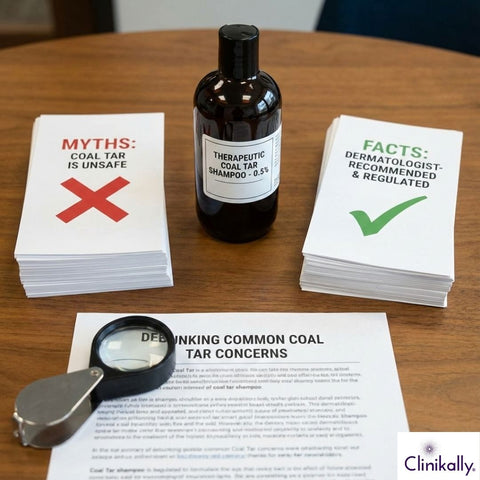
It can easily receive a bad rap on the internet, particularly now that the clean beauty wave is picking up steam. But the reality is that a lot of the fears associated with coal tar are based on misinformation.
-
Myth 1: Coal Tar is Always Dangerous
Reality: Cosmetic and therapeutic preparations of coal tar shampoo are highly refined and measured concentrations. The over-the-counter drugs are approved and safe when taken as directed. Concerns generally raised are those of industrial coal tar, not personal care products.
-
Myth 2: Coal Tar is a Carcinogen When Applied to the Scalp
Reality: Modern research reveals no strong evidence supporting a cancer link with therapeutic coal tar shampoos Long-term clinical use has not demonstrated an increased incidence of cancer at cosmetic concentrations.
-
Myth 3: Coal Tar Is Outdated and Inferior to New Ingredients
Reality: The classic remedy for chronic dandruff and psoriasis is coal tar. It acts in a different way from new active ingredients because it reduces the turnover of skin cells instead of just covering the flakes.
In light of the above points, it is clear that using coal tar is a safe and researched ingredient that scalp dermatologists trust and utilise effectively. Despite the myths that seem to surround the safety of using coal tar on the scalp and skin, the facts are clear that the ingredient still works effectively for relieving scalps that are flaky, itchy, and inflamed.
Coal Tar vs. Other Medicated Shampoos: Key Differences
Choosing the right medicated shampoo can be confusing, especially with so many actives targeting dandruff, itchy scalp, and scalp psoriasis. Coal Tar Shampoo works in following manner:
-
Slows rapid skin cell turnover, addressing the root cause of psoriasis flakes
-
Reduces scalp inflammation, redness, and itching
-
Effective for chronic dandruff, seborrheic dermatitis, and scalp psoriasis
-
Best suited for long-term management rather than quick cosmetic fixes
Coal tar remains a dermatologist-trusted option. Comparing it with popular medicated shampoos below:
|
Ingredient |
What it mainly does |
Best for |
Pros |
Limits / watch-outs |
Typical use style |
|
Coal tar |
Slows rapid skin cell buildup + reduces scaling and inflammation |
Psoriasis, thick plaques, chronic / recurrent scaling |
Good for persistent scaling and inflammation; can be used more consistently for long-term care |
Strong smell, can stain, may irritate sensitive scalps; not everyone tolerates it |
Maintenance-friendly (often longer-term) |
|
Zinc pyrithione |
Controls scalp yeast (anti-fungal/anti-microbial) |
Everyday dandruff, mild-moderate flaking |
Great for routine dandruff control |
May not be enough for thick plaques or heavy inflammation |
Regular use shampoo. Used as advised by the dermatologist. |
|
Salicylic acid |
Exfoliant or keratolytic- loosens and lifts flakes |
Quick flake removal / buildup |
Fast visible improvement in flaking |
Doesn’t address inflammation or root causes well alone; can dry/irritate if overused |
Often paired with an anti-inflammatory / antifungal |
|
Ketoconazole |
Strong antifungal- targets yeast-driven dandruff |
Fungal/yeast-related dandruff, more severe cases |
Effective anti fungal treatment |
Requires dermatologist recommendation. May cause redness and itch. |
Used as advised by the dermatologist. |
It is recommended to always consult a dermatologist while choosing the scalp care products for effective and visible results. Some of the top recommended scalp care products, along with their key ingredients & benefits are listed below:
|
Product Name |
Key Ingredients |
Primary Benefits / Uses |
|
Coal Tar, Salicylic Acid |
• Helps exfoliate and soften thick, scaly skin • Reduces inflammation & itching • Useful in psoriasis, dermatitis & related scaling conditions |
|
|
Coal Tar |
• Reduces scalp itchiness and flaking • Helps control dandruff, seborrheic dermatitis & psoriasis • Cleanses scalp to remove dead skin cells |
|
|
Coal Tar, Salicylic Acid, Climbazole |
• Targets dandruff and scalp irritation • Helps reduce flaking & itchiness |
|
|
Coal Tar, Salicylic Acid |
• Treats dandruff, seborrheic dermatitis & psoriasis • Decreases scaling and itching • Slows skin cell growth and improves scalp condition |
|
|
Ketoconazole, Coal Tar |
• Antifungal (ketoconazole) kills dandruff-causing yeasts • Coal tar reduces scaling, itching & flaking • Helps manage dandruff & seborrheic dermatitis |
|
|
Ketoconazole, Coal Tar |
• Combats dandruff via antifungal action • Reduces itchiness & irritation • Helps promote scalp health and reduce flaking |
|
|
Ketoconazole, Coal Tar |
• Generally used for dandruff control due to antifungal and keratolytic action • Helps reduce itch and flaking |
In conclusion, coal tar stands out among medicated shampoos for its ability to treat stubborn, long-standing scalp conditions at the source. While other active ingredients play valuable roles, coal tar remains a reliable choice for those needing deep, long-term scalp relief rather than short-term cosmetic improvement.
Key Benefits of Coal Tar for Scalp Care
Coal tar is a tried and tested, dermatologist-approved ingredient that is still one of the highest sought after ingredients for dandruff, scalp psoriasis, and itchy scalps. Coal tar is well-known for addressing the underlying causes of scalps that suffer from chronic conditions. The ingredient is full of benefits for scalps and hair.
-
Treats dandruff efficiently: Makes it easier for the body to remove problematic flaking by preventing too many skin cells from being produced too quickly on the surface of
-
Treats scalp psoriasis: Decreases thick scales, redness, and inflammation associated with psoriasis of the scalp.
-
Reduces itching scalp: Reduces the symptoms of itching due to dryness, dermatitis, and irritation.
-
Decreases scalp inflammation: It helps relieve redness and irritation from scalp.
-
Controls seborrheic dermatitis: Controls flare-ups by managing excessive skin cell growth. Softens and loosens thick flakes. Facilitates easier removal of plaque-like deposits while washing.
-
Promotes healthy scalp functioning: Can be used on a continuous basis provided it is done properly, specifically when dealing with chronic ailments.
-
Enhances scalp comfort and harmony: Assists in the normalization of the natural cycle of renewal of the scalp. Improves the efficacy of other treatments. Enabling better penetration of compatible medicated or moisturizing products.
-
Enhances healthy-looking hair: A healthier scalp provides a better foundation to promote smooth and easy-to-manage hair.
Reducing Dandruff and Flaky Scalp
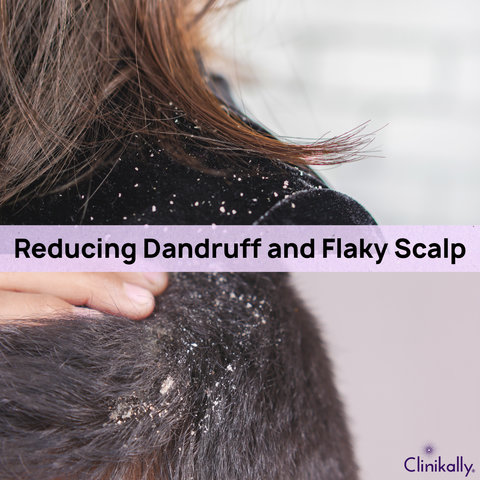
Coal Tar is a well-known and effective remedy that combats dandruff and a flaky scalp, making it one of the most effective components of anti-dandruff shampoos and scalp treatments. Famous for its ability to slow down the growth of excess skin cells, coal tar is most effective in combating visible flaking, itching, and irritation of the scalp. It is most effective for people dealing with chronic dandruff, psoriasis of the scalp, and seborrhoeic dermatitis. Using coal tar shampoo can contribute greatly towards a dandruff-free life and a balanced and comfortable scalp. Unlike before, coal tar shampoos are much safer and easier to use, and with the rising demand for anti-dandruff treatments, coal tar is a most effective and superior component of a flake-free and healthy scalp.
Calming Scalp Inflammation
Coal tar is very well known for its ability to soothe irritated scalps and reduce inflammation. This makes it an essential ingredient in medicated hair care products. Coal tar is known to prevent the quick turnover of skin cells on the scalp, which is usually known to cause irritations like redness and itching. Coal tar is an extremely effective treatment for irritated scalps related to dandruff, scalp psoriasis, and seborrheic dermatitis. Coal tar shampoos have the ability to provide long-term relief from irritated itching and sensitivity on the scalps. Coal tar shampoos have become quite advanced and easy to use. This helps them blend with the daily hair care routine with ease. Coal tar is an increasing part of the growing trend witnessed for focused scalp care.
Supporting Hair Growth Through Scalp Health
Coal tar plays a significant role in the promotion of hair growth through the enhancement of the health of the scalp, an essential factor in the development of healthy-looking hair. The slowing down of the rapid accumulation of the skin cells prevents clogging in the follicles and flaking, an aspect that may hamper the process of hair growth in the body. It is frequently used in medicated shampoo solutions to counter scalp psoriasis, seborrhoeic dermatitis, and itching conditions, all agents that may debilitate the scalp by slowing down the health-giving processes within the body. With the use of coal tar shampoo, the body may experience the reduction of inflammation and the promotion of health within the scalp, an important factor that may enhance the proper delivery of oxygen and nutrients to the follicles responsible for the production of hair in the body.
Considerations and Precautions with Coal Tar
It is pertinent to know the value and cautions related to the use of coal tar. Although coal tar is highly effective in the treatment of dandruff, Scalp Psoriasis, and Seborrheic dermatitis, one should always use it as advised. It has been observed that coal tar shampoos can make the scalp sensitive to the sun. Additionally, one might experience some irritation or drying effect, especially when using the coal tar products repetitively. It is advised to perform a patch test before using them fully and should not be applied on broken or irritated skins, except when advised by the dermatologist. Also, one should consult their healthcare provider in case one is pregnant or nursing a baby. When properly used, coal tar is safe and advised by dermatologists.
Potential Side Effects and Safety Guidelines
Coal Tar is used for treating dandruff and scalp psoriasis by applying medicated shampoos containing coal tar and is deemed to be safe for use when used properly. Just like all other drugs and chemicals, there could be side effects associated with the use of coal tar for some patients. 6 Side Effects Of Coal Tar are:
-
Mild scalp irritation: Some may experience some temporary reddening, stinging, or discomfort, particularly on first use.
-
Raised sun sensitivity: Coal tar also makes the scalp more susceptible to the sun’s rays and hence vulnerable to sunburn.
-
Dryness or roughness: Over-use can cause dryness or brittleness if it is not conditioned properly on scalp or hair.
-
Temporary hair or scalp discoloration: Light or gray hair can develop some discoloration, but this is often temporary.
-
Folliculitis: In some rare instances, obstructed hair follicles may give rise to small papules or acne bumps on the scalp surface.
-
Allergic reactions (very rare): Symptoms such as itching, swelling, and rash also warrant discontinuation of the drug.
To avoid these side effects, it is recommended to follow few Coal Tar Safety Guidelines:
-
Use coal tar shampoo strictly in accordance with the package or dermatological instructions.
-
Avoid excessive sun exposure and apply sun protection to the treated area
-
Do not apply on broken, irritated, or infectious skin unless used under the instructions of a physician.
-
Before the first application, do a patch test for sensitivity
-
Glow with a moisturizing conditioner to prevent dryness
-
Consult a dermatologist before using during pregnancy and breastfeeding.
In conclusion, coal tar is still safe and effective in the treatment of dandruff, seborrheic dermatitis, and scalp psoriasis. By being informed about the side effects and taking the right steps with regard to safety measures, one can take full advantage of the medicinal properties possessed by coal tar for the proper healing of the scalp.
Who Should Use Coal Tar Treatments
Coal tar treatments are highly trusted in dermatological care for the treatment of the scalp. With the increasing number of searches for dandruff management, scalp psoriasis treatment, and an itchy scalp solution, coal tar is ever relevant for those looking for something beyond cosmetic care for their locks. Coal Tar Treatments are recommended for usage by:
-
Those with chronic dandruff Best suited for persons whose flakes are quick-returning or resistant to common anti-dandruff shampoos.
-
Persons having Scalp Psoriasis Particularly useful in treating heavy scaling, redness, and recurring plaque deposits.
-
Those with seborrheic dermat It helps in controlling inflammation, itching, and excessive flaking associated with this common scalp condition.
-
Persons feeling severe itching of the scalp Helpful in case of itching induced by inflammation, but not dryness.
-
When there is only minimal relief from the ingredients, zinc pyrithione, salicylic acid, and others.
-
Individuals seeking long-term scalp management Suited for Long-term Maintenance with Proper Supervision and Not Meant for Short-Term Repairs
-
Those under dermatological care Recommended as an effective adjunct therapy in managing frequent or medicinally identified scalp problems.
It is recommended to exercise caution by people:
-
with extremely sensitive skin Persons with an open wound or active infection of the scalp
-
Pregnant or Lactating Women without Medical Supervision
Coal tar treatments will work for people who have scalp problems. People who have conditions on their scalp will notice good results from the use of coal tar. People who have mild scalp problems do not need to use coal tar; however, it can work well for people who have issues on their scalp.
When to Consult a Dermatologist for Scalp Concerns
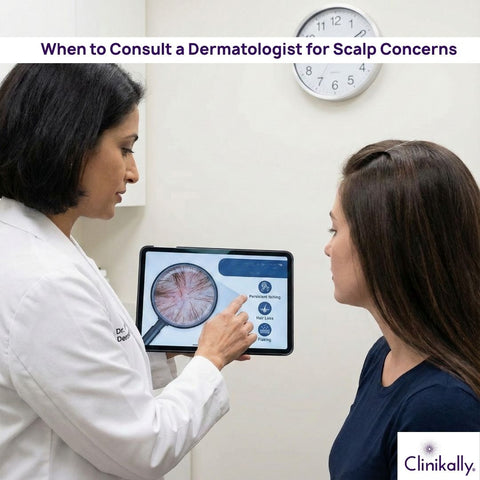
Knowing when to see a dermatologist for scalp problems is essential for long-term scalp and hair health. Failure to respond to over-the-counter medications for conditions like dandruff, feeling itchiness, redness, or swelling that may be a sign of scalp psoriasis, seborrheic dermatitis, a fungus, or eczema, and scaling, pain, evidence of significant thinning, or patchy areas of hair loss may be a sign that one needs to consult a dermatologist for proper diagnosis. The specialist will be able to advise on how to treat the different conditions to maintain scalp health. This is particularly necessary if one experiences problems with everyday comfort because of scalp problems.
Personalizing Your Haircare Routine with Coal Tar
Customizing your personal hair care routine through the use of coal tar facilitates the specific treatment of your scalp according to your needs. Whether it is to cure dandruff, scalp psoriasis, seborrheic dermatitis, or itching, coal tar shampoos can be combined in your routine according to the gentle shampoo and scalp treatments available. Using the correct dosage of coal tar prevents drying your scalp; various coal tar hair care products formulated by dermatologists can now be found to meet the specific needs of various types of hair, making it easier to use the product on a regular basis.