How Natural Herbs Detoxifies Your Liver?
Many common herbs have been used in traditional medicine for centuries to promote liver detoxification and overall liver health. While these herbs are not a substitute for medical therapies when liver disease is present, they can provide gentle, natural support for liver function, particularly when combined with a balanced diet and a healthy lifestyle. In this blog, we will explore common herbs that can aid in liver detoxification.
The Power of Herbs in Liver Detoxification: What You Need to Know
The liver is the body's primary detox organ, working tirelessly to filter toxins, metabolize nutrients, and maintain internal balance. While the liver accomplishes these functions naturally, modern lifestyles, which are high in processed foods, drugs, toxins, and alcohol, can strain it over time. This is where herbs come in. Many common herbs have been scientifically and traditionally shown to help liver detoxification, protect liver cells, and improve the body's natural cleansing processes.
How Milk Thistle (Silymarin) Supports Liver Health
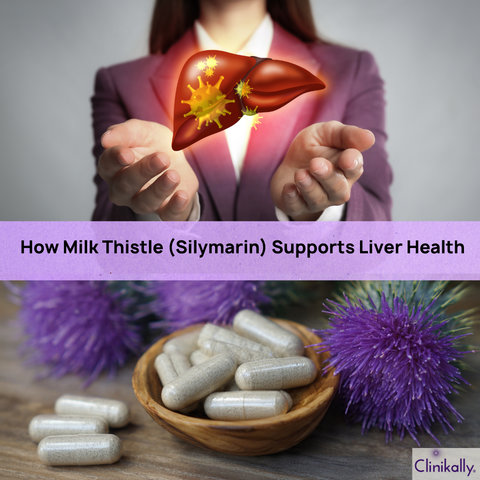
Silymarin accounts for 65-80% of the active extract from milk thistle seeds. It includes several chemicals, including silibinin, silydianin, and silychristin, with silibinin being the most bioactive.
-
Antioxidant protection: The liver's detoxifying activity exposes it to continual oxidative stress. Silymarin neutralizes free radicals and increases glutathione levels (a potent internal antioxidant), hence minimizing liver cell damage.
-
Anti-inflammatory effects: Chronic liver inflammation can result in fibrosis, cirrhosis, or fatty liver disease. Silymarin inhibits inflammatory cytokines and enzymes, including COX-2 and NF-κB.
-
Liver cell regeneration: Silymarin increases protein synthesis and activates RNA polymerase I, enabling the repair and regeneration of injured liver cells.
-
Protection against toxins: It acts as a membrane stabilizer, preventing toxins like alcohol, pollutants, and heavy metals from penetrating liver cells. Silymarin has been shown to counteract damage from acetaminophen, alcohol, ammonia, and certain chemotherapeutic drugs.
-
Improves liver enzyme levels: Clinical research has shown that silymarin supplementation can lower ALT, AST, and GGT, which are markers of liver stress.
The Benefits of Turmeric (Curcumin) for Liver Detox
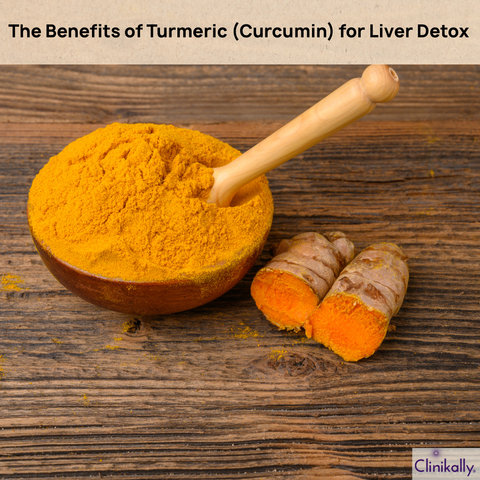
Curcumin is a polyphenol found in turmeric roots. It is known to reduce inflammation and oxidative stress and promote cellular health. Curcumin's benefits are most effective when combined with piperine (black pepper extract), which boosts absorption by up to 2,000%.
-
Enhances natural liver detoxification: The liver detoxifies toxic substances in two stages: Phase I (modification) and Phase II (neutralization and excretion). Curcumin activates phase II enzymes such as glutathione-S-transferase (GST), which helps convert fat-soluble toxins into water-soluble forms for elimination.
-
Combats oxidative stress: Detoxification produces free radicals, which can harm liver cells if not neutralized. Curcumin is a powerful antioxidant that boosts the activity of glutathione, superoxide dismutase (SOD), and catalase, the liver's primary defense mechanisms.
-
Reduces liver inflammation: Chronic inflammation is linked to illnesses such as fatty liver, fibrosis, and cirrhosis. Curcumin inhibits pro-inflammatory markers including TNF-α(Tumor Necrosis Factor alpha), IL-6, and NF-κB.
-
Prevents fatty liver accumulation: Curcumin improves insulin sensitivity and lipid metabolism, which helps to prevent fatty liver accumulation. It may reduce hepatic fat storage and triglyceride levels in the liver.
-
Promotes liver cell repair: Curcumin promotes hepatocyte regeneration and may help restore liver damage by increasing healthy cell turnover.
Garlic: A Super Herb for Boosting Liver Function
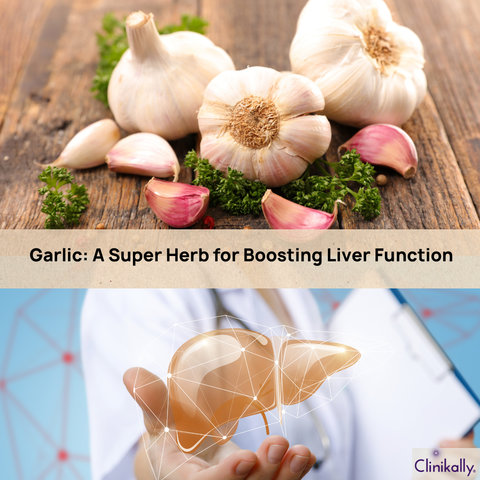
When garlic is crushed or chopped, it produces allicin, a sulfur-rich compound known for its antioxidant, anti-inflammatory, antimicrobial and detoxifying properties. These compounds play a key role in helping your liver neutralize and eliminate harmful toxins.
-
Activates liver detox enzymes: Garlic contains sulfur compounds that stimulate Phase I and Phase II detoxification enzymes in the liver. These enzymes help break down and eliminate toxins, heavy metals, and metabolic waste.
-
Increases glutathione levels: Glutathione is your liver’s most powerful antioxidant, essential for toxin removal and cellular protection. Garlic helps preserve and boost glutathione activity, especially under stress or toxin exposure.
-
Reduces liver inflammation: Garlic reduces liver inflammation by suppressing inflammatory markers such as TNF-α, IL-6, and CRP. It also inhibits NF-κB, which causes inflammation in liver disease.
-
Protects against fatty liver disease: Garlic has been shown in studies to lower hepatic fat buildup, insulin resistance, and lipid peroxidation, making it protective against fatty liver disease. It improves cholesterol metabolism and lowers triglycerides.
-
Combats heavy metals and toxins: Garlic may bind to and assist eliminate heavy metals like as lead, mercury, and cadmium. Its chelating capabilities make it a moderate detoxifier of environmental contaminants.
How Garlic Helps Detoxify the Liver
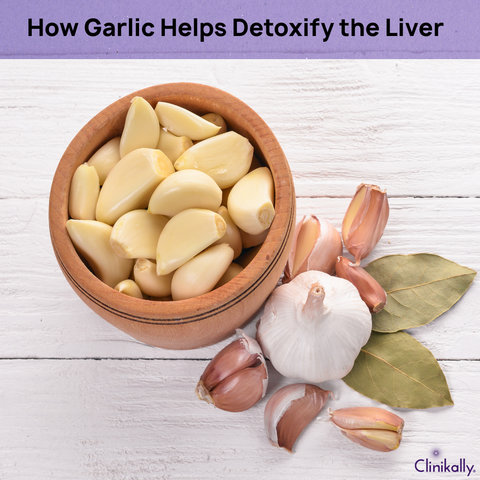
Garlic is frequently praised as a culinary staple, but its therapeutic properties—particularly in liver detoxification—are equally impressive. Garlic, which is high in sulfur-containing compounds, antioxidants, and minerals, plays an important function in improving the liver's natural detox processes.
The ability of garlic to detoxify the liver is as follows:
-
Stimulates liver detox enzymes: Garlic includes organic sulfur compounds such as allicin, alliin, and S-allyl cysteine, which stimulate liver detox enzymes. These substances aid in the activation of essential Phase I and Phase II liver detoxification enzymes, such as cytochrome P450, which modify toxins, and glutathione S-transferase, which neutralizes and prepares toxins for evacuation. Garlic helps the liver break down and eliminate poisons such as narcotics, alcohol, and environmental contaminants.
-
Boosts glutathione: Glutathione is necessary for detoxification and liver health. Garlic, which contains glutathione, promotes glutathione production and protects glutathione levels from oxidative stress. Garlic boosts the liver's antioxidant defenses and increases toxin clearance efficiency.
-
Reduces free radicals: Detoxification produces reactive oxygen species (ROS), which can injure liver cells. Garlic contains antioxidants that neutralize free radicals, minimize oxidative stress, and prevent lipid peroxidation. Garlic shields liver tissue during detoxification and minimizes cellular damage.
-
Supports bile production: Garlic stimulates bile secretion, which aids in fat digestion, eliminates fat-soluble toxins and cholesterol, and promotes regular bowel movements—all of which are necessary for toxin excretion. Allows for more efficient toxin removal through the digestive tract.
-
Binds and removes heavy metals: Garlic acts as a natural chelator, which means it can bind and remove heavy metals such as lead, mercury, and cadmium. Garlic has been shown in studies to help eliminate toxins from the body, particularly from the liver and kidneys. Reduces toxic load and promotes liver recovery after heavy metal exposure.
-
Reduces liver enzymes in fatty liver disease: Garlic supplementation has been shown in clinical studies to lower ALT and AST (markers of liver damage), reduce hepatic fat content, and increase insulin sensitivity.
Combining Garlic, Milk Thistle, and Turmeric for Optimal Liver Health
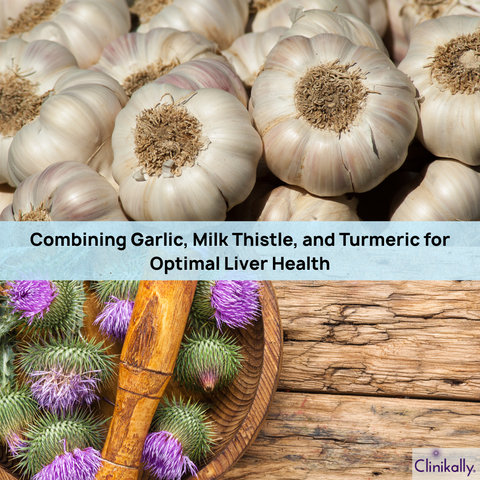
Garlic, milk thistle, and turmeric can be combined to benefit liver health because each has characteristics that assist liver function and detoxification. Milk thistle contains silymarin, which protects liver cells and decreases inflammation. Turmeric contains curcumin, which helps to reduce liver fat and inflammation. Garlic, which has traditionally been used for medical purposes, can also help with liver function.
-
Milk thistle: Milk thistle, which contains the active ingredient silymarin, is commonly used to preserve liver cells and prevent inflammation. According to studies, it may benefit a variety of liver disorders, including fatty liver disease and cirrhosis.
-
Turmeric: The curcumin has strong antioxidant and anti-inflammatory effects, making it effective for treating liver diseases such as fatty liver. It helps to minimize liver fat and inflammation.
-
Garlic: It has been traditionally utilized for its therapeutic properties and is thought to be good for liver function. It can be used to treat liver disorders.
How to Safely Use These Herbs for Liver Detox
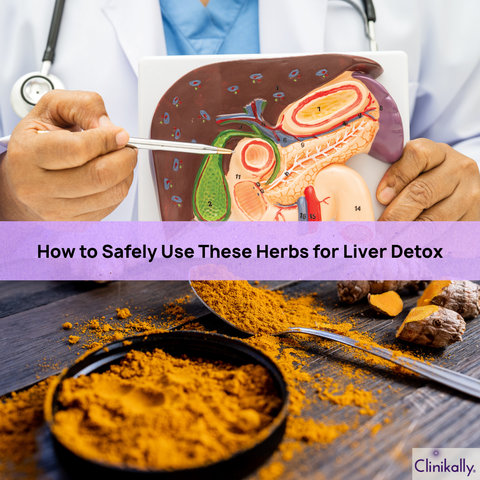
Combining garlic, milk thistle, and turmeric can provide powerful liver support—but using them safely and effectively is essential for maximizing benefits while avoiding side effects. Here's a simple, evidence-based method to properly incorporate these herbs into your liver detox regimen.
-
Understand their individual roles: Understand their particular responsibilities, such as garlic (boosts detox enzymes, binds heavy metals), milk thistle (regenerates liver cells, protects against toxins), and turmeric (reduces inflammation, increases bile production).
-
Dosage and usage guidelines: Milk thistle (Silymarin) standardized extract (70-80% silymarin content). Dosage: 200-400 mg, 2-3 times per day. Take with meals. Long-term use (>3 months) is typically safe. Turmeric (Curcumin) extract is standardized with piperine (black pepper). Dosage: 500-1,000 mg/day. Take with food and healthy fats for optimal absorption. Safe Duration High doses can last up to 12 weeks; prolonged use is acceptable in food form. Garlic pills, aged garlic extract, or crushed raw cloves. Raw: 1-2 cloves per day (crushed and left to sit for 10 minutes before consumption). Extract 300–600 milligrams each day. To prevent stomach discomfort, take with meals. Daily use is safe, but avoid excessive intake.
-
Best practices for combining herbs: Introduce one herb at a time for a few days to assess tolerance. Combine with food, especially turmeric and garlic, to prevent intestinal discomfort. Try a 4-6 week detox cycle, followed by a short pause if utilizing therapeutic amounts. Water aids in the removal of toxins produced during liver detoxification.
-
Monitor your body's reaction: Look for symptoms of intolerance or overuse, such as nausea or indigestion (common with raw garlic or high turmeric doses), headaches or exhaustion (potential detox reaction), and skin rash or allergy (rare but possible). If any symptoms appear, lower the dose or discontinue temporarily and consult a healthcare provider.
-
Supportive habits for detox: Eat a whole-food, antioxidant-rich diet, limit your intake of alcohol, sweets, and processed foods, incorporate mild movement (yoga, walking), and practice deep breathing and hydration on a regular basis to boost herb effectiveness.
Best Herbal Supplements for Liver Detox
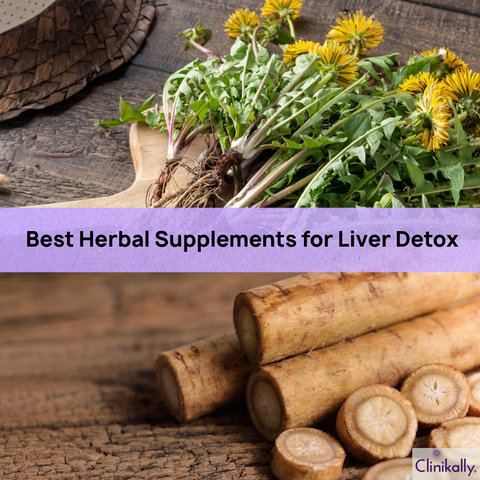
Choosing the right herbal supplements will greatly improve your liver's natural ability to detoxify, repair, and operate properly. Whether you're dealing with fatty liver, slow digestion, or toxin accumulation from alcohol, drugs, or a bad diet, here are some of the best herbal products for liver detox, supported by research and traditional practice.
-
Milk thistle (Silymarin): It is the most studied liver plant. Benefits include regeneration of damaged liver cells, increased glutathione production, and protection from alcohol, toxins, and drug-induced damage.
-
Garlic (aged garlic extract): Improves detox enzymes and heavy metal elimination. Benefits include increased glutathione levels, activation of liver-cleansing enzymes, and improved heart and immune health.
-
Turmeric (curcumin with black pepper): It is an anti-inflammatory and antioxidant powerhouse. Benefits include reduced liver inflammation (great for NAFLD), improved bile flow and fat metabolism, and protection against oxidative stress.
-
Dandelion root: A natural liver and digestive tonic. Benefits include increased bile production, improved digestion and toxin elimination, and a moderate diuretic to flush toxins.
-
Schisandra berries: They are a traditional Chinese liver tonic and adaptogen. The benefits include improved Phase I and II liver detox pathways, protection of liver cells from injury, and increased endurance and stress resilience.
-
Artichoke leaf extract: It protects the liver and improves cholesterol metabolism. Benefits include increased bile flow, reduced liver enzymes, and improved fat digestion.
-
Burdock root: It is a blood-purifying and liver-supporting plant. Benefits include the removal of toxins from the bloodstream, support for lymphatic drainage and skin health, and a mild liver stimulant.
-
LivDetox blends (multi-herbal formulations): Comprehensive, synergistic formulations. Look for blends containing milk thistle, dandelion, turmeric, artichoke, schisandra, and licorice root.
You can also use the following recommended liver detox tablets to support your liver health and enhance your daily detox routine:
- Carbamide Forte Liver Detox Multivitamin Tablet
- Wellbeing Nutrition Slow Liver Detox Capsule
- Miduty Liver Detox Capsule
- Swisse Ultiboost Liver Detox Tablet
-
Pure Nutrition Milk Thistle Liver Detox With 80% Silymarin Flavonoids Veg Tablet
DIY Liver Detox with Milk Thistle, Turmeric, and Garlic
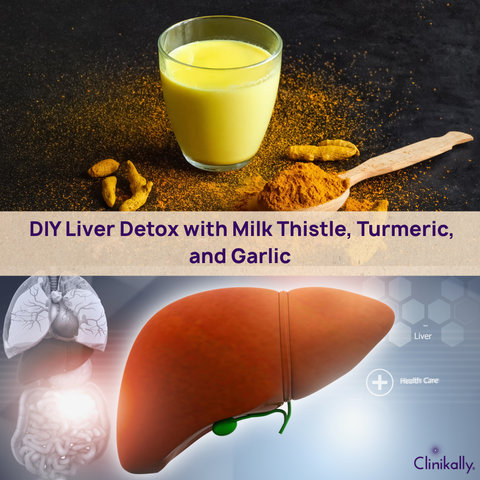
To support your liver, you don't need expensive kits or harsh cleanses; some of the best liver detoxifiers may be found in your kitchen or supplement cabinet. Milk thistle, turmeric, and garlic form a powerful herbal combination that naturally detoxifies, protects, and rejuvenates your liver. To make your own homemade liver detox plan, use these herbs safely and effectively.
-
Ingredients for golden garlic liver detox elixir: 1 cup warm water, 1 crushed raw garlic clove (sit for 10 minutes), ½ tsp turmeric powder, pinch of black pepper, juice of ½ lemon, and ½ tsp raw honey (optional). Combine the ingredients. Drink cautiously on an empty stomach in the morning. Repeat daily during your detox (3-7 days for beginners, up to 21 days for more extensive support). Benefits include activating liver enzymes, increasing glutathione levels, improving bile flow, and alkalizing the body.
Conclusion: Rejuvenate Your Liver with These Powerful Herbs
Your liver works diligently to filter pollutants, digest nutrients, and maintain metabolic health—but it is frequently overworked by a poor diet, alcohol, drugs, and environmental stressors. Traditional herbs such as milk thistle, turmeric, and garlic can help to support and rejuvenate your liver. Each of these plants brings something special to the table.
-
Milk thistle regenerates and protects liver cells thanks to its powerful antioxidant, silymarin.
-
Turmeric reduces inflammation and increases bile flow, which aids digestion and detoxification.
-
Garlic activates detox enzymes, boosts glutathione production, and aids in heavy metal removal.
When combined, they constitute a synergistic trio that improves your liver's ability to detoxify, repair, and function optimally. Adding these herbs to your daily routine—whether through pills, drinks, or recipes—can benefit you:
-
Improve liver function
-
Protect against toxin-related damage
-
Maintain overall vitality and energy.
You do not need extreme cleanses or trendy detox fads. Simple, natural herbs like milk thistle, turmeric, and garlic, combined with a balanced diet and healthy lifestyle, can provide your liver with the nourishment it requires to grow and replenish from within.