Discovering the Power of EGF (Epidermal Growth Factor) in Skincare
Discovering the potential of Epidermal Growth Factor (EGF) in cosmetics reveals a potent substance known for its extraordinary rejuvenation properties. This blog examines EGF's involvement in skincare and its advantages.
Understanding EGF: A Skincare Revolution
Understanding the Epidermal Growth Factor represents a watershed moment in skincare, ushering in a new era of regenerative and anti-aging treatments. Skincare formulations that use EGF's intrinsic capacity to stimulate cellular renewal, collagen formation, and wound healing can produce revolutionary outcomes, allowing people to obtain healthier, more youthful-looking skin.
What is EGF?
Epidermal Growth Factor (EGF) is a protein that the body naturally produces and is found in a variety of bodily fluids, including saliva, urine, and breast milk. It is essential for cellular growth, proliferation, and differentiation. EGF works by attaching to specific receptors on the surface of cells, notably epithelial cells that comprise the skin and other organs.
EGF was discovered in the 1960s by Nobel Prize-winning scientists Stanley Cohen and Rita Levi-Montalcini. Their revolutionary research revealed that EGF may accelerate the growth and division of epidermal cells, resulting in skin tissue regeneration and wound healing. Topical treatments may contain synthetic or recombinant EGF produced from yeast or bacteria. These EGF-containing products are said to help with skin renewal, heal damaged skin, and minimize the appearance of wrinkles and fine lines. EGF is frequently found in serums, lotions, and masks marketed to combat aging skin and create a more youthful appearance.
The Science Behind EGF
The study of epidermal growth factor emphasizes its diverse role in skin biology and wound healing. Understanding EGF's methods of action allows scientists to create novel skincare formulations and therapeutic approaches that enhance skin health, renewal, and regeneration.
Benefits of EGF for Skin Health

Epidermal Growth Factor (EGF) has numerous benefits for skin health, making it a popular element in skincare products. Here are some of the major advantages of EGF for the skin:
1. Stimulates Cell Renewal: EGF promotes epidermal cell proliferation and migration, resulting in the turnover of the skin's outer layer. This speeds up the removal of dead skin cells and the regeneration of new, healthy cells, resulting in smoother, more luminous skin with better texture and tone.
2. Promotes Collagen Synthesis: EGF activates fibroblasts, which produce collagen and elastin in the skin. Increased collagen synthesis results in tighter, more elastic skin with fewer fine lines, wrinkles, and sagging, giving a more youthful appearance.
3. Enhances Wound Healing: EGF promotes cell proliferation, migration, and tissue regeneration, all of which are essential for wound healing. Its capacity to speed skin healing allows wounds to heal faster and more effectively, lowering the risk of infection and scarring.
4. Improves Skin Texture and Elasticity: EGF improves skin texture and elasticity by stimulating cell renewal and collagen formation, resulting in smoother, firmer, and more resilient skin. It helps to address common indicators of aging, such as roughness, uneven tone, and loss of firmness, resulting in a more young and revitalized appearance.
5. Rejuvenates Aging Skin: EGF's regenerative qualities make it a powerful anti-aging element in skin care. Its capacity to promote cell turnover, collagen formation, and wound healing aids in the reduction of wrinkles, fine lines, and age spots, resulting in younger-looking skin.
6. Supports Overall Skin Health: EGF contributes to overall skin health by encouraging proper cell activity, healing mechanisms, and barrier function. It promotes the skin's natural balance, resilience, and vitality while protecting against environmental stressors and premature aging.
7. Addresses Various Skin Concerns: EGF can aid individuals with many skin issues, including aging, dryness, dullness, acne scars, hyperpigmentation, and uneven texture. Its adaptable characteristics make it suited for all skin types and may be included in skincare programs to meet specific requirements and goals.
8. Boosts the Efficacy of Skincare Products: When coupled with other active components such as peptides, antioxidants, and hyaluronic acid, EGF can improve the effectiveness of skincare solutions. It enhances the rejuvenating benefits of formulations, resulting in more significant and obvious changes in skin health and appearance.
Anti-Aging Properties
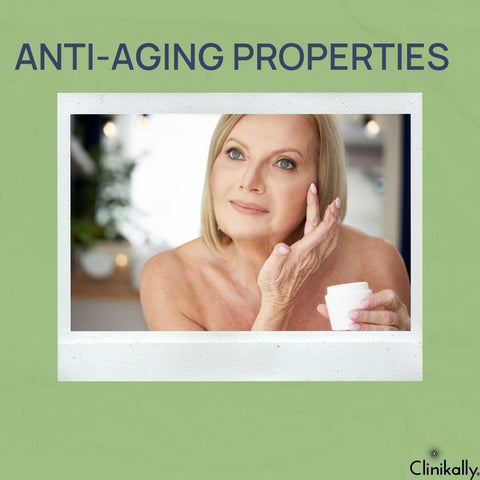
Epidermal Growth Factor (EGF) stimulates collagen production, promotes cell renewal, improves skin elasticity, reduces wrinkles and fine lines, improves wound healing, rejuvenates aging skin, protects against environmental damage, and promotes overall skin health. Individuals who use EGF in their skincare routines can obtain smoother, firmer, and more youthful-looking skin, as well as apparent improvements in tone, texture, and luminosity.
Enhancing Skin Regeneration
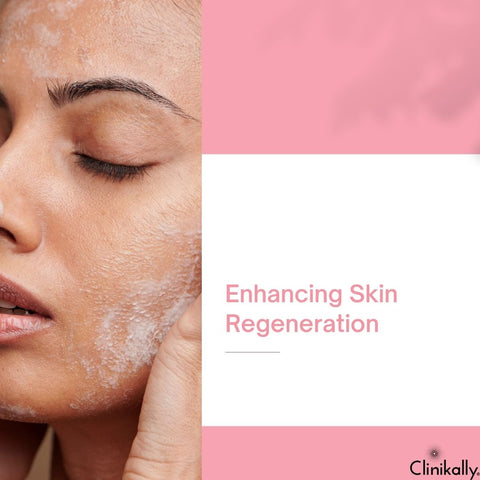
Epidermal Growth Factor (EGF) stimulates cell proliferation, speeds up wound healing, promotes tissue repair, reduces scarring, improves skin texture and tone, aids in post-treatment recovery, and rejuvenates ageing skin. Incorporating EGF into skincare routines can help people attain healthier, more resilient skin that has apparent changes in texture, tone, and appearance.
Improving Skin Texture and Tone
Epidermal Growth Factor (EGF) stimulates cell renewal, increases collagen synthesis, reduces hyperpigmentation, smoothes rough skin, improves skin suppleness, rejuvenates dull skin, and evens out skin tone. Incorporating EGF into skincare routines can help people achieve smoother, more radiant skin with visible texture and tone improvements, resulting in a healthier, younger-looking complexion.
Incorporating EGF into Your Skincare Routine
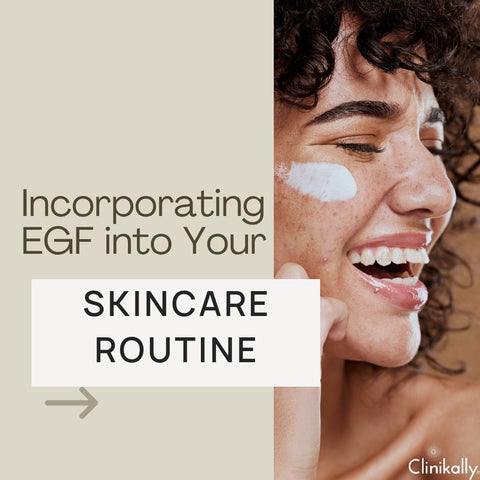
Incorporating Epidermal Growth Factor (EGF) into your skincare routine will help you reap its rejuvenating advantages and achieve healthier, more youthful-looking skin. Here's how you can include EGF to your everyday skincare routine:
1. Cleanse Your Skin: Begin by scrubbing your skin with a gentle cleanser to remove debris, oil, and pollutants. Choose a cleanser that is appropriate for your skin type to provide a clean canvas for the application of skincare products.
2. Apply EGF Serum or Cream: After cleansing, apply an EGF serum or cream to your face and neck. Follow the instructions provided with the product for the correct amount and application method. Gently massage the EGF product into your skin using upward motions until fully absorbed.
3. Layer with Additional Products: If desired, layer the EGF serum or cream with other skincare products, such as moisturizers, sunscreen, or treatment serums. Follow the recommended order of application, starting with lightweight products and ending with heavier formulations.
4. Use Morning and Night: Incorporate EGF into both your morning and evening skincare routines for maximum benefits. Consistent use ensures continuous delivery of EGF to your skin, promoting skin renewal, repair, and rejuvenation around the clock.
5. Adjust Frequency as Needed: Pay attention to how your skin responds to EGF and adjust the frequency of use as needed. If you experience any irritation or sensitivity, reduce the frequency of application or switch to a milder formulation.
6. Combine with Complementary Ingredients: Consider combining EGF with other complementary skincare ingredients, such as peptides, antioxidants, and hyaluronic acid, to enhance its efficacy. Look for skincare products that contain multiple beneficial ingredients for comprehensive skincare benefits.
7. Consider Professional Treatments: For additional benefits, consider incorporating professional skincare treatments that utilize EGF, such as microneedling or laser therapy. These treatments can enhance the effects of EGF products and promote deeper skin rejuvenation and repair.
8. Be Patient and persistent: Adding EGF to your skincare routine may take some time to show results, so be patient and persistent with your regimen. Follow your program for several weeks or months to notice substantial improvements in skin texture, tone, and general appearance.
9. Monitor Your Skin's Response: Pay attention to how your skin reacts to EGF and make adjustments to your skincare routine accordingly. If you observe any adverse reactions or changes in your skin, stop using it and see a dermatologist.
Choosing EGF-Infused Products

When selecting EGF-infused products, examine aspects such as brand reputation, ingredient concentration, formulation, extra ingredients, packaging, skin issues, patch testing, seeing a dermatologist, and researching product claims. Selecting high-quality EGF products matched to your skincare needs allows you to efficiently utilize EGF's rejuvenating properties for healthier, more youthful-looking skin.
Best Practices for Application

To get the most out of Epidermal Growth Factor (EGF) in your skincare routine, make sure to use it correctly. Here's a guide to help you use EGF products efficiently.
1. Cleanse thoroughly: Use a gentle cleanser to remove dirt, oil, and makeup. Clean skin allows EGF to be absorbed more effectively.
2. Apply Toner: Apply a toner to balance the pH of your skin and prepare it for improved absorption of active chemicals. A moisturizing toner can boost the benefits of EGF.
3. Use a Pea-Sized Amount: A tiny amount is typically sufficient. Follow the product's directions for the suggested amount. Too much product can overwhelm the skin and impair effectiveness.
4. Gentle Application: Apply the product with gentle patting motions rather than rubbing. Be extra cautious around delicate parts, such as the eyes.
5. Layering Order: When using an EGF serum, apply it before heavier products such as creams or oils. To increase hydration and absorption, seal in the EGF with an excellent moisturizer.
6. Combine with Complementary Ingredients: Combine with antioxidants such as vitamin C to improve skin protection and regeneration. To avoid irritation, combine with retinoids or acids (such as AHAs/BHAs) with caution.
7. Day and Night Use: For optimal results, use EGF products in the morning and night. To protect your skin, always apply sunscreen in the morning after your skincare routine, as EGF can make it more sensitive to the sun.
8. Consistency is Key: Incorporate EGF into your daily skincare routine consistently for noticeable results. Visible improvements may take several weeks, so be patient and persistent.
9. Follow Product recommendations: For the best results, follow the manufacturer's exact recommendations. Ensure that you use the proper amount and frequency.
10. Monitor Skin Response: Before beginning regular use, perform a patch test to rule out any allergic reactions or sensitivities. If you develop discomfort or unpleasant effects, reduce the frequency of usage or quit altogether, and visit a dermatologist.
11. Store Properly: Store EGF products in a cold, dark area to maintain their efficacy. Light and heat can destroy active substances.
12. Consider Professional Guidance: A dermatologist may provide personalized guidance and ensure that EGF products are appropriate for your skin type and issues.
Combining EGF with Other Ingredients
Combining EGF with other skincare ingredients such as hyaluronic acid, antioxidants, peptides, niacinamide, retinoids, exfoliating acids, ceramides, and sunscreen can boost its efficacy and provide all-around skin benefits. By following best practices for layering, monitoring skin response, and contacting a dermatologist, you can design a synergistic skincare routine that maximizes the effects of EGF and other active ingredients.
Potential Side Effects and Precautions
While EGF can give considerable benefits for skin renewal and anti-aging, it is important to be aware of any adverse effects and take appropriate measures. Conduct a patch test, gradually add EGF, protect your skin from the sun, mix components carefully, see a doctor if necessary, and monitor your skin's reaction. By following these instructions, you can safely add EGF into your skincare routine and reap its advantages while minimizing the danger of side effects.`