Shampoo Expiration Dates: What They Mean and Why They Matter
Hair care products have become one of the most popular categories among today’s generation, largely due to the prevalence of hair-related concerns. The use of expired shampoos is one of the biggest problems that should not be disregarded. Most of us purchase the products suggested by our favorite influencers or trending on social media, but only use them a few times and then put them on the shelf. Then in months, we could use these products without noticing their expiry date and believing in the brand rather than in the safety of the product we are using. This article will explain why it is worthwhile to check the expiry date of shampoo and how using expired products may impact your scalp and hair. But ever wondered whether the date of expiry of shampoos matters?
In the same way, perishable food products have a shelf life, so do beauty products such as shampoos. This significant aspect should not be overlooked because it may lead to several setbacks, such as a less effective way to care for hair and feed it, or even adverse reactions of the scalp.
Demystifying Shampoo Expiration: What Does It Mean?
When you pick up a shampoo bottle, you might wonder: Does shampoo expire in the same way as food or medicine does? The answer is yes, but the meaning is a little different. Shampoo expiration isn’t about a product suddenly becoming toxic overnight; it’s about the gradual breakdown of its ingredients, which eventually affects both safety and performance.
All shampoos are a combination of hair cleaning agents (hair cleansers) used on hair (such as surfactants), conditioning agents, fragrance, and preservatives. With time, these ingredients destabilize. Consequently, the shampoo may no longer clean effectively, may have a strange smell, or may even have bacteria or mold in it when the preservatives have lost their strength. That is the reason why it is really important to know that shampoo has an expiration date, as it means that the manufacturer will have to imagine that the quality of the shampoo is no longer guaranteed.
Unlike food, there is usually no definitive use-by or expiry date on the shampoo. Rather, some bottles have a small icon/code showing the duration the product remains safe and effective. That is why knowing how to check the shampoo expiry date is critical to safe use.
Here’s what expiration typically means for shampoo:
Unopened shampoo expiration: Many shampoos are formulated to maintain their integrity and effectiveness for a period of 2 to 4 years, provided they are kept in optimal conditions. Storing them in a cool, dry environment away from direct sunlight can help preserve their quality and prolong their shelf life.
Period after opening shampoo: As soon as you twist off the cap of the bottle, a ticking clock starts. The lifespan of your shampoo begins to wane, with its expiration date slowly approaching. Typically, most formulas remain effective for a period ranging from 12 to 24 months, largely influenced by the types and amounts of preservatives used in their formulation.
Decoding Common Symbols: The “Period After Opening” and More
Checking has become one of the most common means, and this is done by searching the PAO (Period After Opening) symbol. It is represented as a small open jar with a number in it, e.g., 6M or 24M. This shows the shelf life of the shampoo once it has been opened, e.g., 12M would imply that the shampoo is to be utilized within 12 months of opening the bottle.
Some bottles may contain a best-before date or the expiry date stamped on the bottle to note the date the shampoo expires. The markings aid a consumer in knowing whether a product is still good to use or not.
It’s often placed at the lower part of the label, marked with a range to guide you:
|
Symbol (PAO) |
Meaning |
Description |
|
6M |
Good for 6 months after opening |
The product should be used within 6 months once opened to ensure safety and effectiveness. |
|
12M |
Good for 12 months after opening |
Safe and effective for a year after first opening. Common for skincare and makeup products. |
|
18M |
Good for 18 months after opening |
Can be used up to 1.5 years after opening; often applies to powders or less perishable items. |
|
24M |
Good for 24 months after opening |
Safe for two years after opening; usually found in products with stable formulations. |
Expiration Dates vs. Shelf Life: What’s the Difference?
-
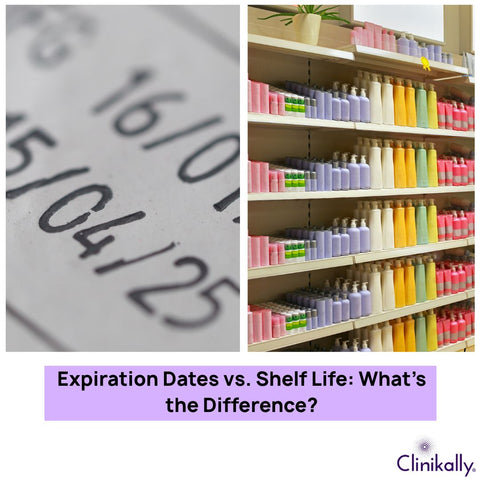
Shelf Life: It is a term used to describe the longest period through which an unopened shampoo can remain viable and safe upon storage at the most ideal conditions. As a rule, the shelf life of an untouched bottle of shampoo would last between 2-4 years, depending on the composition and package.
-
Expiration Date: This comes as the particular date when people can no longer use the shampoo because it is no longer safe. It will apply to products that have been opened and also those that have not been opened, and it means, about the product, at what stage does the manufacturer of the product cease to be able to assure that the quality or safety of the product is assured.
-
Period After Opening (PAO): This is the term to be used to describe the period within which a shampoo product can be safely used, remembering that the bottle is open. The shortness of this period compared to the shelf life of the product is attributed to the exposure of the product to air, moisture, and bacterial contamination.
Why Not All Shampoos List an Expiration Date?
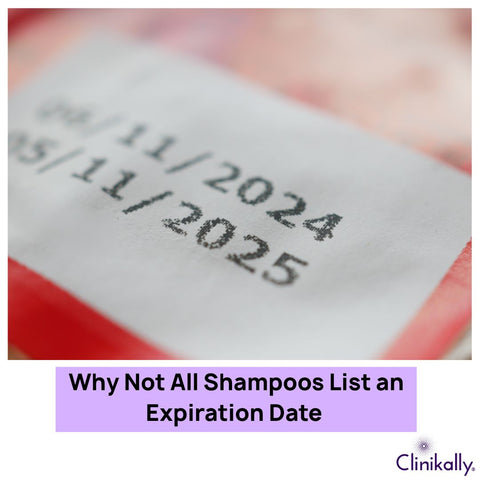
Differing from medications, shampoos fall under and are defined as cosmetics, and in most regions, there is no legal requirement that the producer of the same indicate an expiration date. Rather, numerous depend on the symbol of PAO. That is why not all bottles may mention a written expiry date on shampoo. In this instance, you will have to depend on bad shampoo indicators such as alterations in the appearance, scent, or performance.
Shampoos qualify as cosmetics and not as drugs, hence there is a significant variation in the regulatory aspects. In most regions, manufacturers do not have to place the expiration date on their shampoo because of the sell products. Rather, they post a commonly used Period After Opening (PAO) shampoo symbol that denotes a limited period during which the product stays efficient once it is opened. As a result, not all bottles carry a visible expiry date, thus consumers are put in a dilemma about the durability of the product. In such circumstances, it becomes pertinent to remain alert and note the indications that the shampoo has spoiled. Check obvious changes in texture, including lumpy or too-thick texture, odd or rancid odor, or deterioration of application performance. The following factors will guide you in knowing whether you should replace your shampoo.
Factors That Shorten or Extend Your Shampoo’s Life
Shampoos vary significantly in their shelf life. While some products can remain viable for years when kept in a bathroom, others may deteriorate more quickly. The longevity of a shampoo largely depends on its formulation and storage conditions. Understanding the key factors that influence the freshness of your shampoo can help you determine how long it will last before going bad.
The Role of Preservatives: Conventional vs. Natural Formulas
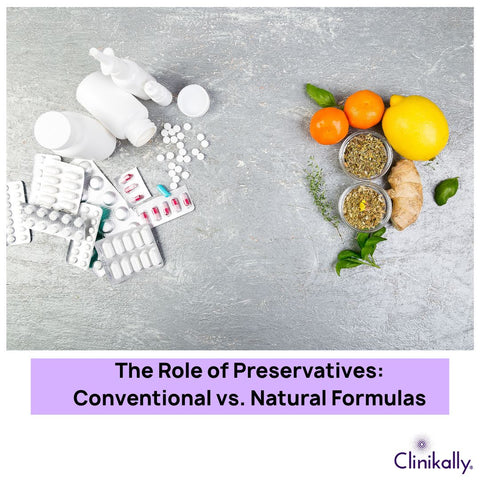
Preservatives are added to most shampoos to prevent bacterial growth. Conventional shampoos with synthetic preservatives like parabens or formaldehyde releasers typically have a longer shelf life, lasting up to 3 years unopened. One of the main reasons some shampoos last longer is the preservatives. Preservatives are added to stop bacteria, mold, and yeast from growing in your bottle.
Conventional Shampoos – The traditional Mild shampoos tend to make use of the synthetic preservatives, including the parabens, formaldehyde-releasing products, or isothiazolinones. When used in the right quantity, these compounds are efficacious in avoiding the growth of microbes and may considerably improve the shelf life of the product, up to three years in some cases, when the product is not opened. Due to their strength, traditional hair shampoos have long shelf life expectancies and can last months when open, provided it is kept properly.
Natural or Organic Shampoos- Instead, natural or clean shampoos will more often than not shun the use of synthetics as preservatives, screening rather towards the use of a gentler group of preservatives like potassium sorbate, sodium benzoate, or even naturally occurring essential oils. Safer and popular among individuals who prefer to have fewer chemicals in their hair care regimen, such ingredients are not as potent in guarding against bacteria and mold. This means that natural shampoos tend to have shorter shelf lives, usually 6-12 months, and need to be used more rapidly when opened.
On the other hand, organic shampoo shelf life is usually shorter because these products use natural preservatives or none at all. This makes them more vulnerable to spoilage and microbial contamination. Sulfate-free shampoo expiration is also generally shorter since gentler formulas often include fewer stabilizers.
Environmental Effects: Heat, Light, and Moisture
The manner in which you store your shampoo is very important to the duration it remains fresh. With the bottle closed, even tightly, its surrounding area may slowly alter the formula. Heat, light, and moisture are three of the largest culprits.
1. Heat: The breakdown of shampoo ingredients is accelerated by high temperatures. When you leave a bottle in a hot car, in a place near a window or heater, the formula may separate or turn watery. Preservatives are also weakened by heat, and this implies that bacteria may develop with ease. The safest option is to keep shampoo at room temperature.
2. Light: Direct sunlight not only causes color to fade on the packaging it also has an impact on what is in the package. Exposure to light may cause some ingredients to become unstable, particularly when the shampoo is in an uncoloured or lightly coloured bottle. This may turn your shampoo and make it less effective over time, in terms of color, smell, or texture.
3. Moisture: Bathrooms are humid areas in nature, and each hot shower fills the air with steam. When moisture is in your shampoo bottle, such as when you leave the cap open or when water drips into the bottle, it is the ideal environment where bacteria and molds thrive. This is among the principal reasons for the growth of bacteria on shampoos.
Organic and Sulfate-Free: Why “Clean” Shampoos Expire Faster
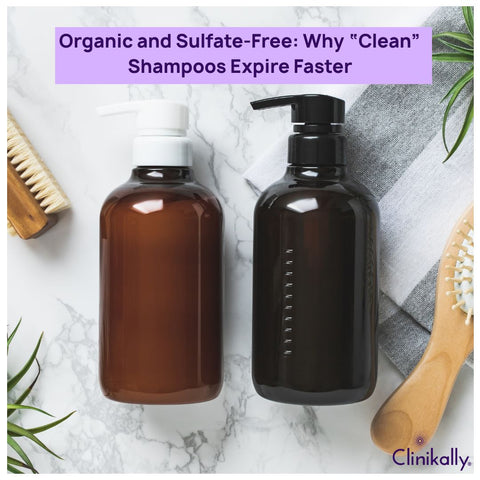
Sulfate-free, natural, or organic shampoos tend to be of shorter shelf life than non-organic shampoos. This is the case because the majority of these products do not incorporate synthetic preservatives, parabens, and stabilizers, which extend the life of the products. Instead, they resort to other substitutes (milder or vegetarian), which, however, do not stop the growth of bacteria or the separation of ingredients either.
In addition, botanical extracts, essential oils, and other active natural ingredients are typically also included in clean shampoos, and they can be washed away more readily by heat and exposure, as well as by air and light. This could, down the line, lead to a change in smell, consistency, and performance, even in cases where the product has not yet become technically spoiled.
Sulfate-free shampoo or organic shampoos are made of gentler plant-based ingredients that consumers tend to prefer. A shorter shelf life is however, is the trade-off. These shampoos may be spoiled within 6-12 months after opening without proper preservatives, and in some cases, within a shorter period when they are exposed to heat and water.
Here are some suggestions for the Organic & Sulfate Free Shampoo:
Spotting and Preventing Spoilage: When is a Bottle No Longer Good?
Expired shampoo may reduce its efficacy, and this implies that it may not wash your hair as effectively as it is supposed to. There might also be bad odors coming out of the bottle, which is a definite indication that the product has withered away with time. Moreover, the application of old shampoo can irritate the scalp because of the possible development of harmful bacteria and hair growth. Luckily, there are unique signs that assist you in knowing when your shampoo is beyond its expiry so that you can take necessary measures before any side effects arise.
Ingredient Separation and Product Performance Decline
It is quite simple to get your hair care wrong when you apply the shampoo whose expiration date has passed, due to the ineffectiveness of the cleaning process and poor results. After the expiry date of the shampoo, it cannot clean your hair properly; therefore, it would be dirtier or oilier.
As the shampoo grows old, its consistency may change unwantedly, either getting excessively liquid or abruptly becoming viscous due to the wear out of elements in the shampoo. These changes not only reduce the effectiveness, but they can also reduce the pleasure of using the product in general.
Colorless shampoo may result in poor cleaning and bad performance. It might fail to wash your hair properly, and it will be left dirty or oily. Another thing that you may notice is the absence of lather, which is necessary in the dispensing of shampoo. As well, the texture can alter; it can be watery or clumpy with a breakdown of the ingredients.
Sensory Signals: Odor, Texture, and Color Changes
-
Odor: When your shampoo begins to smell sour or rancid, or even very different than when you originally bought it, this is a very big red flag. A sweet, flowery, or fresh scent must always be the same, as any variation may point to spoilage or chemical decay.
-
Texture: Pay close attention to the texture of your shampoo. Should you observe thick clumps developing or a watery layer on the top or bottom of the bottle, or an abnormal stickiness, then these are obvious signs that the ingredients may have deteriorated over a period of time. Preferably, shampoo must be smooth and even.
-
Color: Chemical instability can be frequently indicated by the discoloration of the shampoo itself. Should there be a color change, be it darkened, lightened, or acquire an unwanted this may be an indication that the formulation has started to degrade and thus may not be effective on your hair.
Proper Storage Techniques for Longer-Lasting Shampoo
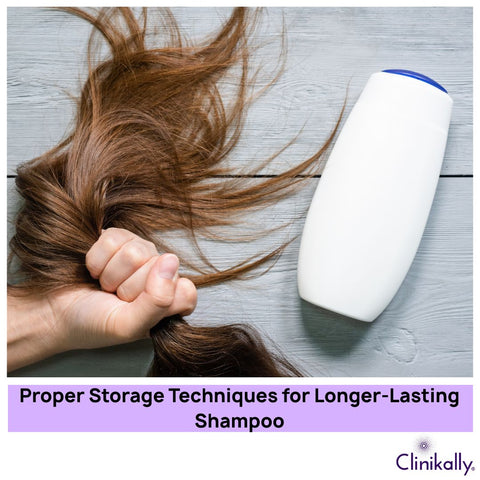
To ensure your shampoo maintains its quality and freshness for as long as possible, consider implementing the following guidelines:
-
Seal Tightly: Whenever you are not using your shampoo, make sure the bottle tops are locked tightly. This simple step can prevent unwanted air exposure, which can degrade the product over time.
-
Choose the Right Storage Spot: Your shampoo should be kept out of direct sunlight and in a cool, dry place. A shortened shelf life can result from the shampoo's chemical composition being changed by excessive heat and UV light.
-
Minimize the Humidity: Don't leave your shampoo in the shower where it could get wet and steamy. Given how humid the restroom may get, water may be introduced into the bottle, which could encourage the growth of bacteria.
-
Opt for a Pump Dispenser: If moisture frequently collects around the cap of your shampoo bottle, consider transferring the product into a pump dispenser. This not only helps to keep the cap dry but also makes dispensing the shampoo more convenient and hygienic.
Personalizing Your Hair Care: Making Informed Choices for Safe Shampoo Use
Each person has a unique type of hair, and hence, a one-size-fits-all approach to using shampoo may not provide us with the best outcomes. Your hair type, the texture of your hair, your lifestyle- even your climate- can mean a lot in what works best on you. It is good to read ingredient labels when selecting shampoo so that you do not use harsh sulfates, parabens, or strong odors if you have sensitive skin. Using products that contain nourishing, natural extracts can help sustain the health of the scalp and decrease the possibility of irritation. Discussing with a dermatologist or hair specialist would also help to clarify particular needs, especially when one is faced with such a problem as dandruff or hair fall. By customizing your hair care process, you have safety, effectiveness, and healthier-looking hair permanently.
Now that you know how to check expiration dates for shampoo and prevent spoilage, you can make smarter decisions about your hair care products and their routine. Here are some takeaways:
-
Always check for the period after the opening shampoo symbol.
-
For organic shampoos, buy smaller bottles to use up faster.
-
If you buy in bulk, ensure proper storage to reduce waste.
-
Don’t ignore signs of bad shampoo, as expired products may irritate your scalp.
-
Be mindful of the shampoo ingredient stability- some formulas last longer than others.