


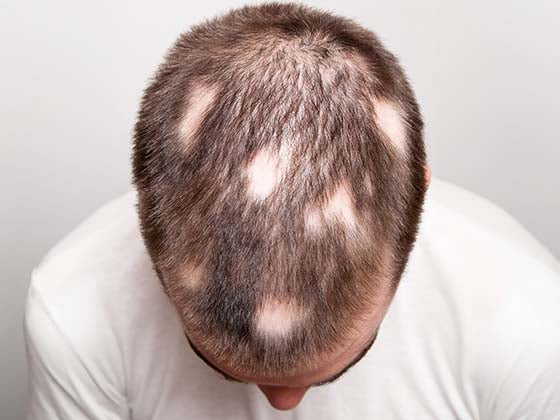



The concept of "reprogramming" your hair may sound like science fiction, but owing to epigenetics, it is becoming a cutting-edge reality. Epigenetics describes how environmental and lifestyle variables can turn genes "on" or "off" without changing your DNA sequence. In this article, we will look at epigenetics and hair health.
The Science of Epigenetics: Unlocking Hair’s Genetic Potential

Your genes may set the stage, but they do not dictate your complete hair tale. Epigenetics—the science of how external variables influence gene expression—has shown us that your environment, habits, and even your emotions can influence how your hair grows, sheds, or thrives. Epigenetics is shifting hair care from a passive procedure to a potent, tailored method.
-
A hair DNA test reveals which genes are susceptible to stress or hormonal disruption.
-
A customized product routine based on your unique gene expression patterns
-
Real-time tracking of follicle activity and scalp health using smart wearables.
This future is already in the works, and it puts you in control of your hair health journey.
What is Epigenetics? How It Influences Hair and Scalp

Epigenetics refers to biological systems that regulate gene function without changing the underlying DNA sequence. Consider your DNA to be a piano with genes as the keys and epigenetics as the player determining which notes to play. DNA methylation, histone modification, and MicroRNA signaling are examples of important epigenetic mechanisms. These mechanisms have the ability to activate or deactivate genes, thereby increasing or decreasing the production of proteins required for hair growth, follicle health, and scalp balance.
Gene Expression and Hair: The Role of Environmental Factors

Gene expression is the process by which your body activates certain genes and produces proteins required for growth, repair, and function. Keratin (structure and strength), growth factors (for hair cycle regulation), and enzymes (for scalp health and nutrient absorption) are examples of proteins found in hair. However, not all genes are always "on". Environmental signals, such as stress, nutrition, temperature, or chemical exposure, can activate or deactivate genes, influencing whether your hair grows thick and full or weak and prone to shedding.
Key environmental factors that influence hair gene expression include stress (activates cortisol-related genes that trigger shedding and shorten the growth phase), UV exposure (can damage follicle DNA, suppress protective gene activity, and increase oxidative stress), pollution (alters gene regulation tied to inflammation and scalp irritation), nutrition (essential nutrients like zinc, iron, and biotin promote expression of growth and repair genes), temperature (cold exposure can reduce inflammatory gene activity and promote circulation-linked gene expression), and sleep & circadian rhythm (poor sleep disrupts time-based expression of hair cycle genes, e.g., melatonin pathways).
Epigenetics vs. Genetics: Why Reprogramming Matters for Strands

Most of us believe that our hair health is solely governed by our genes. While genetics establishes the foundation for your hair's structure, density, and growth cycles, epigenetics determines how closely those genetic instructions are followed—or ignored.
1. Genetics: It refers to the DNA code you inherited from your parents. These genes influence hair thickness and color, natural curl pattern, susceptibility to hair loss or graying, and hormonal sensitivity (for example, to DHT). However, your genetic code is fixed and does not change. What can differ is how the code is understood and expressed.
2. Epigenetics: It is the study of how extrinsic stimuli activate or deactivate genes without altering your DNA. Chemical markers (such as DNA methylation or histone modification) indicate whether a gene is active or dormant. For your hair, this implies that epigenetics can influence how long hair follicles remain in the development phase, how much keratin your body produces, how sensitive your scalp is to inflammation or hormone swings, and how quickly follicles shrink.
Benefits of Epigenetic Hair Care
 The main advantages of epigenetic hair care:
-
Promotes hair growth: Epigenetic formulations can revive dormant or shrunken hair follicles by stimulating the expression of genes involved in the anagen (growth) phase of the hair cycle. This can cause faster hair renewal, higher hair density, and thicker strands over time.
-
Slows hair aging: Epigenetic chemicals help to preserve healthy hair gene expression patterns, which decline with age. This may help to prevent graying by preserving melanin production, boosting hair elasticity and strength, and minimizing aging-related breakage and brittleness.
-
Targets the cause rather than just symptoms: Unlike traditional hair care, which focuses on surface restoration, epigenetic treatments seek to restore the biological environment of the scalp and follicles. They commonly target inflammation, poor circulation, hormone imbalances, or environmental damage.
-
Promotes a healthier scalp microenvironment: Epigenetic hair care solutions frequently contain antioxidants, peptides, or plant-based actives that improve scalp moisture and barrier function, reduce oxidative stress, and improve cellular communication. This produces a better environment for long-term hair health.
-
Useful in hair loss prevention and recovery: Epigenetic care can reactivate stem cells around the follicle bulge, counteract the effects of DHT and other androgens (particularly in androgenetic alopecia), and support post-partum or post-stress hair restoration.
-
Compatible with other treatments: Epigenetic products combine well with PRP (Platelet-Rich Plasma), microneedling, low-level laser therapy, and hair transplants. They improve outcomes by increasing follicular reactivity and facilitating recovery.
-
Science-based formulations: Most epigenetic hair care products are free of harsh sulfates, silicones, or parabens, rich in biomimetic peptides, botanical stem cells, and growth factors, and developed through biotech advances to achieve targeted, cellular-level outcomes.
Revitalizing Follicles: Enhancing Growth Through Gene Regulation

Gene regulation describes how your body controls the activity of individual genes, effectively turning them "on" or "off" to perform important jobs. In the context of hair, this includes genes that control hair cycle phases (growth, rest, and shedding), keratin production (the protein that makes up hair), stem cell activity in hair follicles, and inflammation and stress responses that impact scalp health. Stress, poor nutrition, hormone imbalances, or environmental damage can all alter gene activity, causing hair growth to stall and follicles to shrink or go dormant. Targeting gene pathways associated with follicular activity can:
-
Extend the growth phase (anagen) to create longer, thicker strands
-
Reactivate dormant follicles to restore growth in thinning areas.
-
Reduce inflammation and oxidative stress, which weakens the hair roots.
-
Enhance nutrient delivery by improving blood flow and scalp environment.
Strengthening Strands: Repairing Damage at the Molecular Level

Hair is composed of keratin, a protein that is organized into keratinocytes (keratin-producing cells). Several forms of connections connect these keratin strands:
-
Disulfide bonds are strong sulfur-based bonds that provide hair strength and rigidity.
-
Hydrogen bonds are weaker bonds that keep the hair together but are more susceptible to moisture changes.
-
Salt bonds are electrostatic bonds that help to stabilize a structure.
Molecular repair targets the hair's basic structure and the links that hold it together. This entails two main approaches:
-
Keratin Strengthening: Specialized treatments can help reinforce the keratin matrix, filling hair damage-induced gaps. These solutions frequently contain keratin peptides, which resemble natural keratin and link with hair fibers to mend breaks and restore strength.
-
Repairing damaged bonds: Bond-repairing products, such as bis-aminopropyl dimethicone or cysteine derivatives, can directly restore damaged disulfide bonds. This helps to restore hair strength and suppleness, particularly after chemical or heat damage.
-
Moisture and protein balance: Keeping moisture and protein levels balanced is essential for preventing further damage and enhancing hair flexibility. Hydrolyzed silk protein and amino acids strengthen hair, while glycerin and hyaluronic acid increase moisture retention.
Healthier Scalp: Optimizing Conditions for Vibrant Hair

A healthy scalp is essential for vivid, thick hair. To stimulate healthy hair development, your scalp, like plant soil, must be in excellent condition. Neglecting your scalp can cause hair thinning, breakage, and even hair loss. By adjusting your scalp's environment, you may improve circulation, reduce inflammation, and create the optimal circumstances for vibrant, strong hair.
Integrating Epigenetics into Your Hair Care Routine

Including epigenetic hair care in your routine can boost your scalp's biological health, increase follicle vitality, and encourage fuller, healthier hair growth from inside. Here's how to do it successfully:
-
Understanding your hair and scalp needs: Before using epigenetic goods, consider the kind of hair loss (hormonal, stress-related, postpartum, aging), scalp condition (dry, inflamed, greasy, sensitive), and hair goals (thicker strands, regeneration, slower aging, reduced shedding). This guarantees that you choose specific epigenetic actives over general hair care.
-
Choose the proper epigenetic products: Look for treatments that include proven epigenetic ingredients like peptides (e.g., Acetyl Tetrapeptide-3, Biotinoyl Tripeptide-1), plant stem cells (e.g., Swiss apple, edelweiss), proprietary complexes, antioxidants such as EGCG (from green tea), resveratrol, and growth factors or cytokines in advanced formulations.
-
Create a consistent application routine: To change follicular behavior, epigenetic therapies must be used consistently and over time. A sample routine includes applying epigenetic serum/tonic directly to a clean scalp at night (best for regeneration), massaging gently for 1-2 minutes to stimulate circulation, and allowing it to absorb overnight (do not rinse), and using lightweight peptide sprays or antioxidant mists in the morning (optional booster), followed by UV protection if exposed to sunlight. Daily, or at least 4-5 times per week.
-
Combination with scalp stimulation techniques: Increase absorption and follicular responsiveness with microneedling, scalp massage (daily), and low-level laser treatment (LLLT).
-
Support with lifestyle and nutrition: For best results, combine with a pro-hair environment that includes an anti-inflammatory diet (rich in omega-3, antioxidants, zinc, biotin), stress management (meditation, adaptogens like ashwagandha), adequate sleep and hydration, and hormonal balance (especially for PCOS- or thyroid-related hair loss).
-
Avoid components that interfere: Avoid harsh sulfates, parabens, silicones, alcohol-based styling products, and anything containing synthetic fragrances or known irritants. These can undermine the benefits of epigenetic care by increasing inflammation or preventing absorption.
-
Track your progress: Visible benefits often occur within 8-12 weeks, with continuous improvement over 6 months. Take monthly photographs to monitor density, fall rate, and scalp condition. If you're unsure about the core cause or how to proceed, consult a trichologist.
Choosing Epigenetic Products: Key Ingredients for Hair Health

Some important ingredients to look for in epigenetic hair care products:
-
Keratin peptides: They are tiny fragments of keratin protein that enter the hair shaft and reinforce and repair the protein structure from within. They help damaged hair regain strength, elasticity, and smoothness while protecting it from further breakage.
-
Caffeine: Studies have shown that this stimulant improves scalp circulation, energizing hair follicles and promoting hair growth. It also blocks DHT (dihydrotestosterone), a hormone associated with hair loss, particularly in cases of androgenetic alopecia (pattern baldness).
-
Peptides: They are short amino acid chains that can enter the skin and promote hair follicle regeneration. Copper peptides, in particular, are recognized for increasing blood flow to the scalp and stimulating the formation of collagen and elastin, both of which are essential for follicle health.
-
Hyaluronic acid: It acts as a moisture-binding agent, helping to keep the scalp and hair hydrated. It absorbs moisture into the skin, preventing the scalp from becoming excessively dry, which can cause irritation, flakiness, and hair breakage.
-
Niacinamide (Vitamin B3): It boosts microcirculation in the scalp, allowing critical nutrients to reach hair follicles more efficiently. It also has anti-inflammatory effects, making it useful for treating irritated or inflamed scalps.
-
Resveratrol: It is an antioxidant that is present in grapes and berries. It protects hair follicles from oxidative stress, which can lead to premature aging of the scalp and hair.
-
Plant stem cells: They are high in growth factors, which can activate human stem cells and induce follicle regeneration. Plant-derived stem cells, such as those found in apples and argan trees, are employed in hair care products to promote cellular renewal and preserve hair from environmental damage.
-
Biotin (Vitamin B7): It is a water-soluble vitamin that promotes keratin formation and improves the general health of hair, skin, and nails. It strengthens hair by promoting keratin synthesis and feeding the follicles.
-
Growth Factors (EGF, VEGF): EGF (epidermal growth factor) and VEGF (vascular endothelial growth factor) are proteins that promote cell division and blood vessel expansion, respectively. EGF can help regenerate hair follicles, whilst VEGF promotes scalp circulation.
Application Tips: Maximizing the Impact of Gene-Based Care

Some application suggestions to help you get the most out of gene-based hair care treatments:
-
Begin with a clean scalp: Use a gentle, sulfate-free shampoo to thoroughly cleanse your scalp, removing oils, styling products, and grime. Consider using a scalp scrub once or twice each week to remove dead skin cells and improve absorption. After shampooing, pat your scalp dry with a towel, leaving it slightly damp but not soaking wet. This will allow the products to enter better.
-
Target the scalp with precision: Part your hair into parts and apply the product straight to the scalp, emphasizing on places where hair is thinning or falling out. Instead of kneading the product through the hair, apply it precisely to the scalp using a dropper or fine nozzle applicator. If you're using a serum or growth treatment, gently massage it into your scalp using your hands to stimulate circulation and absorption.
-
Use continuously: Follow the frequency specified on the product label (most treatments should be administered daily or a few times per week). Consistency is essential for treatments that target hair growth or follicle regeneration because it allows the product to reprogram follicular activity gradually. If you're using a night mask or overnight treatment, make sure to leave it on for at least 6-8 hours. Consider applying it before bed and allowing it to absorb overnight.
-
Pair with scalp massage: After applying your serum, use your fingertips or a scalp massager to gently massage the substance into your scalp in small circular strokes. Massage your scalp for 3-5 minutes to increase circulation, relax scalp muscles, and ensure uniform product distribution. Concentrate on regions of thinning or hair loss to improve the product's effectiveness on those follicles.
Allow time between applications for best effectiveness: If using numerous products (for example, a hair serum followed by a hair oil or hair mask), allow each one to fully absorb before applying the next. Typically, allow 5–10 minutes between applications to avoid dilution and allow each product to play its intended role. -
Add heat (optional): Increase Product Penetration: After applying your product, cover your head in a warm towel or wear a heat cap for 15-20 minutes to promote deeper absorption. Make sure the heat is mild; excessive heat might harm your hair and scalp. Alternatively, if you're using a hair mask or leave-in treatment, covering it in a shower cap and applying a little heat with a blow dryer for a few minutes might help boost the treatment's effectiveness.
-
Continue with a healthy diet and lifestyle: To promote cellular hair health, eat a nutrient-dense diet rich in vitamins and minerals (such as vitamin A, vitamin C, vitamin D, vitamin E, biotin, and zinc). Stay hydrated to keep your scalp moisturized and healthy. Consider implementing stress-reduction measures such as meditation, exercise, or proper sleep to lower cortisol levels, which can be detrimental to hair health.
-
Patience: To monitor your progress, take photos of your hair and scalp at regular intervals (every 4-6 weeks) to identify any changes. Keep a notebook to record any changes in hair texture, thickness, or growth rate, since such information will allow you to track the long-term impact of the items you use.
Tailoring to Your Needs: Personalizing Epigenetic Treatments

Personalizing epigenetic therapies for your hair care routine can maximize their effectiveness and address specific difficulties, such as increasing growth, strengthening strands, or restoring general scalp health. Epigenetic therapies operate by altering gene expression in hair follicles, allowing you to personalize your strategy to your specific hair goals. Here's how you can personalize your hair care routine using epigenetic principles:
-
Identify your hair type and goals: Before you can select the appropriate treatments, you must first determine your hair type and specific goals. Epigenetic products can be tailored to treat a variety of issues, including thinning, breakage, dryness, and scalp health.
-
Choose ingredients according to your specific needs: To tailor your routine, select epigenetic products depending on elements that correspond to your hair goals. Epigenetics can affect hair at the genetic level, so knowing which substances interact with your hair follicles will help you choose the best treatments.
-
Select the appropriate application method: Depending on your lifestyle, you may select a treatment that is quick to apply or one that provides long-term sustenance. Choose items that are appropriate for the amount of time you can devote to your hair care routine.
-
Time your treatments according to your hair's natural rhythms: Your hair has natural growth cycles, and timing your treatments around these cycles can improve their effectiveness. For example, the majority of your body's reparative processes occur at night; thus, a nighttime treatment can allow items to function in tandem with your body's natural rhythms.
-
Consider a layered approach: Sometimes the best results are obtained by combining treatments that address various layers of hair health. For example, you may apply a scalp serum to stimulate growth and then follow up with a deep-conditioning mask to heal damage and hydrate the hair.
-
Monitor your progress: Hair care is not a universal solution; your treatments should adapt as your hair changes. Epigenetic treatments can take a while to produce results, so tracking progress is critical.
-
Consult a professional: For people with complex hair care needs, consulting a trichologist or a genetics expert can help them design a genuinely individualized routine.
The Future of Hair Care: Personalized Epigenetic Strategies

Epigenetic hair care is revolutionizing the beauty industry by offering personalized treatments that cater to your unique biology, promoting long-term hair health. Instead of one-size-fits-all products, the future is in personalized regimens based on individual gene expression, stress levels, and environmental exposures.
Neuroepigenetics will connect stress management to hair vitality, while tailored supplements will boost outcomes from within. These tactics will adapt to seasonal or lifestyle changes, providing personalized care tailored to your body and environment in real-time. Collaboration with professionals such as trichologists and dermatologists will ensure clinically acceptable results at home. Finally, this strategy switches hair care from reactive therapy to proactive prevention, conserving follicular youth, delaying aging, and enhancing scalp health over time, resulting in fuller, stronger hair.