Extreme Hair Fall: Causes, Treatments, and Prevention
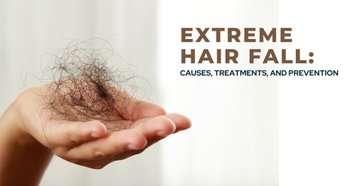
Extreme hair loss, often known as excessive hair shedding or alopecia, can be upsetting and suggest underlying health problems. In this blog, we look at the causes, treatments, and prevention of hair loss.
Understanding Extreme Hair Fall
Alopecia, or hair loss, can affect the scalp or the entire body and be temporary or permanent. It could be caused by genetics, hormonal changes, medical problems, or the normal aging process. Anyone can lose hair, but men are more prone to it.
Identifying the Symptoms
Both men and women lose hair thickness and volume as they age. This type of baldness is typically not caused by an illness. It is associated with aging, heredity, and changes in the hormone testosterone. Inherited, or pattern baldness affects far more males than females.
Common Causes of Extreme Hair Fall
-
The fallout can be sudden or gradual.
-
Thins
-
It may regenerate on its own.
-
Requires surgery for regeneration.
-
Needs immediate care to prevent permanent hair loss.
- Genetic Factors and Heredity
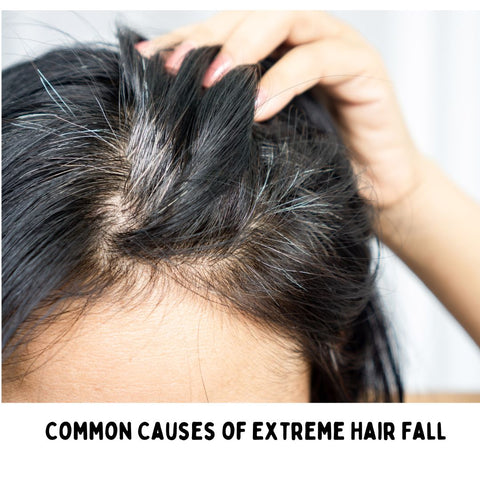
The vulnerability to androgenetic alopecia is inherited from one or both parents. While the exact inheritance pattern is difficult to determine, it is usually polygenic, meaning numerous genes contribute to the illness. This means that if one or both of your parents had pattern baldness, you are more likely to develop it.
DHT, a testosterone byproduct, attaches to androgen receptors in scalp hair follicles, causing them to miniaturize. Over time, the afflicted hair follicles generate thinner, shorter, and less pigmented hair, eventually ceasing hair development in specific parts of the scalp.
- Hormonal Imbalances
Hormonal abnormalities can affect both men and women, causing hair to thin or fall out. Correcting the imbalance often promotes hair regrowth. Most people associate hormone imbalances with estrogen or testosterone, but thyroid disorders can also cause hair thinning.
- Nutritional Deficiencies
Iron deficiency is one of the most common causes of hair loss, mainly among vegetarians and women with heavy periods. Iron is the raw ingredient for hemoglobin, a protein that transports oxygen throughout the body, including hair follicles.
- Stress and Psychological Factors
Stress and psychological disorders significantly impact hair health, resulting in hair loss and thinning. Understanding how stress affects hair health and implementing proper management strategies can help you improve your mental and physical health. To support long-term hair health and well-being, incorporate stress-reduction techniques, seek psychological help, and lead a balanced lifestyle.
Medical Conditions and Medications
-
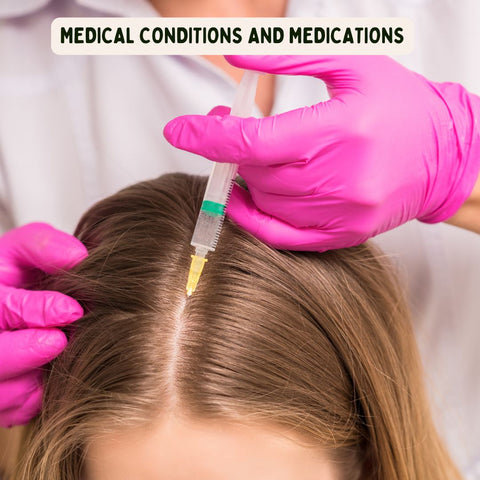
Topical Minoxidil: Topical minoxidil inhibits hair thinning and promotes new hair growth. This medication can help people with many different types of hair loss, including male and female pattern hair loss, also known as androgenetic alopecia; alopecia areata, an autoimmune disease in which the body's immune system attacks healthy tissues, including the hair follicles; telogen effluvium, in which hair falls out all over the scalp due to an interruption in the body's cycle of hair production; and anagen effluvium, or rapid hair loss resulting from medical.
-
Oral Finasteride: Oral finasteride is a prescription drug that treats male-pattern hair loss, also known as androgenetic alopecia. It reduces hair loss and promotes new hair growth by suppressing the body's synthesis of a hormone that destroys hair follicles. This drug is given orally once per day and works best when taken simultaneously every day.
-
Antiandrogens: Female pattern baldness, also known as androgenetic alopecia, may be treated with medications that suppress androgens—sex hormones that damage or kill hair follicles—to prevent hair loss. Antiandrogen drugs, such as spironolactone and estrogen-containing oral contraceptives, are only available with a prescription. Antiandrogens typically begin to function after four months. Long-term treatment is required to prevent hair loss from reoccurring.
-
Corticosteroids: Some types of hair loss are caused by an autoimmune condition and require a different treatment than hormonal hair loss. An autoimmune illness occurs when the immune system destroys healthy organs and tissues, including the skin. Occasionally, the body destroys healthy hair follicles. Corticosteroids treat alopecia areata, lichen planopilaris, and discoid lupus erythematosus. These immune system suppressors can alleviate the symptoms of an autoimmune condition, allowing hair to grow. Steroids are available as topical applications or injections, and they all require a prescription. Dermatologists determine the best treatment option based on your age and the severity of your symptoms.
-
Other Medications: Many types of hair loss are treated with various drugs to achieve the best outcomes. Dermatologists may prescribe antibiotics to prevent the immune system from attacking healthy hair cells, as well as antimalarial drugs to minimize scalp inflammation.
Environmental and Lifestyle Factors
Environmental and lifestyle variables significantly impact hair health. By being aware of these causes and making proactive efforts to mitigate their impact, you can lower your risk of experiencing severe hair loss. Combining these preventive steps with a healthy lifestyle and a personalized hair care program will help you retain robust and healthy hair.
Effective Treatments for Extreme Hair Fall
The most effective treatment for severe hair loss combines medication interventions, lifestyle adjustments, and preventive measures. Identifying the underlying cause of hair loss is critical for determining the best treatment. A consultation with a healthcare professional or dermatologist will provide personalized recommendations and assist you in developing a complete strategy to manage and potentially reverse hair loss.
Medical Treatments
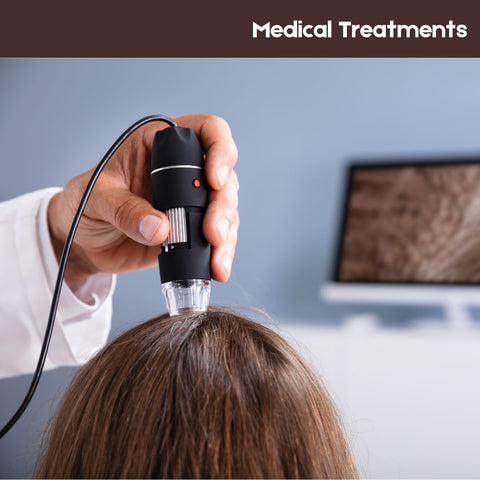
There are medications available to treat pattern baldness (hereditary). The most popular options include minoxidil (Rogaine), available over the counter in liquid, foam, and shampoo form (without a prescription).
- Minoxidil and Finasteride
Minoxidil is an over-the-counter topical treatment. It works by stimulating hair follicles, increasing blood flow to the scalp, and extending the hair's growth phase. It is available in liquid and foam forms, with concentrations of 2% and 5%. It is applied directly to the scalp twice a day. Improvements take several months to see.
- Hormone Therapy
Hormone therapy can be an effective treatment for hair loss. It can promote hair health and reduce hair loss.
- Prescription Medications
Prescription medications for severe hair loss treat various causes, including hormone imbalances and genetic factors. Choosing the proper drug entails considering the underlying cause of hair loss, the individual's reaction, and any side effects.
Non-Medical Treatments
Non-medical treatments for extreme hair fall can be highly effective, tailored to individual needs, and used alongside medical treatments. Incorporating dietary changes, scalp care, advanced therapies like LLLT and PRP, and stress management can significantly improve hair health. Both internal and external factors, a holistic approach is essential for managing hair loss and promoting regrowth.
- PRP (Platelet-Rich Plasma) Therapy
PRP therapy is a promising non-surgical treatment for hair loss that promotes hair growth and density by leveraging the body's natural healing ability. Many people get major benefits from frequent treatment.
- Hair Transplants
Hair transplants provide a long-term solution to hair loss, with the ability to restore both hair and confidence. Choosing the correct procedure, surgeon, and aftercare plan is critical for optimal results. While hair transplants entail a significant financial and time investment, the benefits can be life-changing for patients with hair loss.
- Low-Level Laser Therapy (LLLT)
Low-Level Laser Therapy (LLLT) is a non-invasive treatment option for people who have hair loss or thinning. It can stimulate hair follicles and enhance hair density, LLLT is a valuable tool in the fight against hair loss. LLLT requires a commitment to frequent use, and its benefits—minimal side effects, ease of use, and compatibility with other treatments—make it an enticing option for many people.
Natural and Home Remedies
-
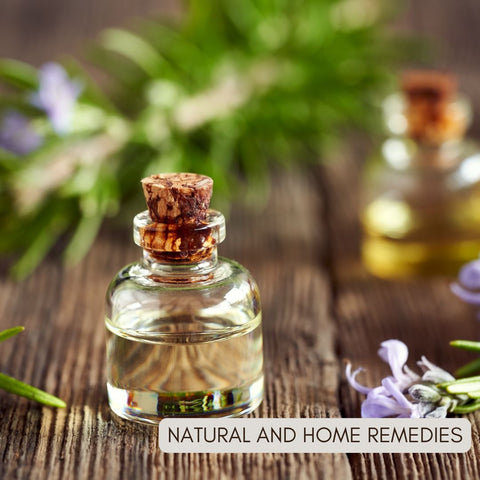
Rosemary Oil: It improves blood circulation in the scalp and promotes hair growth. It also has anti-inflammatory properties, which help deal with scalp problems like dandruff.
-
Peppermint Oil: It helps to stimulate blood flow to the scalp, cool the skin, and increase hair follicles. Apply a few drops of peppermint oil and a carrier oil to your scalp. You can also mix it with your regular shampoo.
-
Lavender Oil: It contains antibacterial qualities that promote a healthy scalp environment. It is also recognized for its relaxing properties, which can help alleviate stress, a significant cause of hair loss.
-
Aloe Vera: It is well-known for its soothing effects and ability to adjust the scalp's pH. It reduces dandruff and unblocks hair follicles that may be clogged with excess oil.
-
Neem: Neem has robust antibacterial characteristics that can help treat scalp infections and dandruff, leading to hair loss. It also increases the blood flow to the scalp. Boil neem leaves in water until the water is reduced by half. After shampooing, rinse your hair with neem-infused water. Alternatively, you can paste neem leaves and apply them to your scalp.
-
Fenugreek Seeds: They contain proteins and nicotinic acid, enhance hair growth, and prevent hair loss. They also strengthen the hair shaft and improve its shine. Soak fenugreek seeds in water overnight and then crush them into a pulp.
-
Protein-Rich Foods: Hair is primarily composed of the protein keratin, which promotes hair growth and strength while decreasing hair loss.
-
Omega-3 Fatty Acids: They are necessary for scalp health and keep hair from becoming dry and brittle, which can lead to breakage.
-
Vitamins and minerals: It improves hair health and growth. It is found in eggs, nuts, seeds, leafy greens, etc. Zinc aids in the regeneration of hair tissues and ensures that the oil glands surrounding the follicles function correctly. It is present in nuts, seeds, and whole grains. Iron reduces hair loss by ensuring that the hair follicles get enough oxygen.
-
Egg Mask: It includes proteins, biotin, and vital vitamins, all of which nourish and encourage hair growth. It also strengthens hair strands, reducing breakage.
-
Onion Juice: It contains sulfur, which promotes tissue collagen formation and hair regeneration.
-
Coconut Milk: It is rich in essential fats, proteins, and minerals that are beneficial for the scalp and hair. It stimulates hair growth and increases its thickness. Extract fresh coconut milk and apply it to your scalp and hair.
-
Lifestyle and Habits: Chronic stress contributes significantly to hair loss by disrupting the hair growth cycle. Managing stress is essential to maintaining good hair. Yoga, regular exercise, and deep breathing are all effective stress-reduction techniques.
- Essential Oils
Essential oils are a natural and effective treatment for hair loss, promoting healthy growth, improving scalp health, strengthening hair follicles, and reducing hair loss. They are powerful and should always be diluted with carrier oil before use to prevent irritation. They are most effective when combined with a nutritious diet, good hair care, and stress management.
- Herbal Supplements
Herbal supplements provide a natural and effective solution to improve hair health and reduce hair loss. Each of these supplements offers advantages, ranging from DHT inhibition to hair follicle nourishment and stress reduction. However, it is critical to approach these supplements cautiously, as their effectiveness and proper dosage can differ depending on individual needs.
- Nutrient-Rich Diet
A nutrient-dense diet is essential for keeping healthy hair and preventing hair loss. Vitamins, minerals, and other necessary nutrients in your daily diet are proven to promote hair development, strengthen hair follicles, and minimize hair loss.
Preventing Extreme Hair Fall
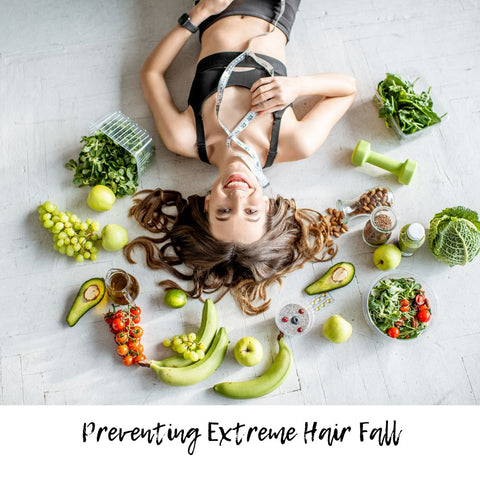
Preventing excessive hair loss necessitates a proactive approach that involves identifying the causes, following a good hair care regimen, eating a healthy diet, managing stress, and seeking medical attention.
- Maintaining a Healthy Diet
A well-balanced diet is essential for promoting hair health and preventing hair loss. It is possible to encourage robust and healthy hair and prevent the risk of hair loss by eating a well-balanced diet rich in key nutrients, staying hydrated, and making wise food choices.
- Proper Hair Care Practices
Adopting suitable hair care methods is important for keeping healthy, strong hair and avoiding damage. Follow a consistent regimen that includes gentle washing, conditioning, drying, and styling, as well as proper scalp and hair protection, to greatly enhance the health and appearance of your hair. A balanced diet, stress management, and a healthy lifestyle will also help to improve your hair's general health. If you have persistent hair problems, speak with a dermatologist for specialized advice and treatment options.
- Stress Management Techniques
Mindfulness practices, physical activity, healthy lifestyle choices, and seeking help when needed all contribute to effective stress management. Incorporating these stress management strategies into your daily routine will enhance your overall well-being, hair health, and quality of life.
- Regular Health Check-ups
Regular health screenings are an essential part of preserving health and well-being. You can benefit from early diagnosis of prospective problems, effective treatment of current ailments, and personalized health care. Proper check-up preparation, adherence to prescribed screenings, and the implementation of lifestyle modifications based on professional recommendations will contribute to better health outcomes and a higher quality of life.
- Avoiding Harmful Hair Treatments
Avoiding hazardous hair treatments is essential for keeping healthy, strong hair and avoiding long-term damage. Keep your hair in good condition by choosing gentler alternatives, limiting chemical exposure, using heat protectants, and practicing regular hair care.
Frequently Asked Questions
Frequently Asked Questions about Hair Fall are given below:
-
Question: How Much Hair Fall Is Considered Extreme?
-
Answer: It is typical to shed between 50 and 100 hairs each day. It occurs when the body sheds significantly more hair per day than normal.
-
Question: Can Extreme Hair Fall Be Reversed?
-
Answer: Hair loss, such as patchy hair loss, can be effectively treated; hair can regenerate on its own within a year.
-
Question: What Are the Early Signs of Extreme Hair Fall?
-
Answer: Many people see the first signs of male pattern baldness in their 30s, but it might begin in their early 20s.
Combining Treatments for Best Results
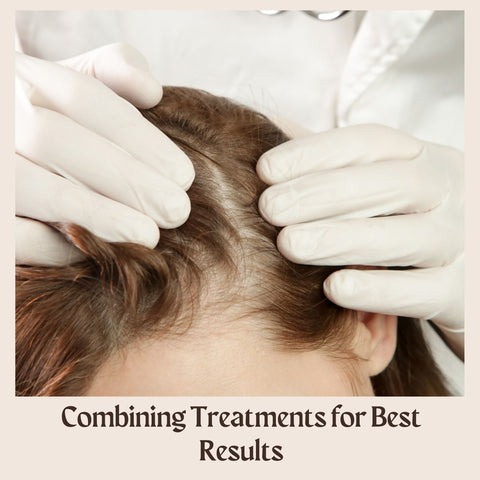
Efficient treatment Integration necessitates a combination of professional and at-home care. By assessing your needs, creating a balanced routine, and measuring your progress, you may achieve the best results while keeping your hair healthy and attractive.
Long-Term Strategies for Hair Health
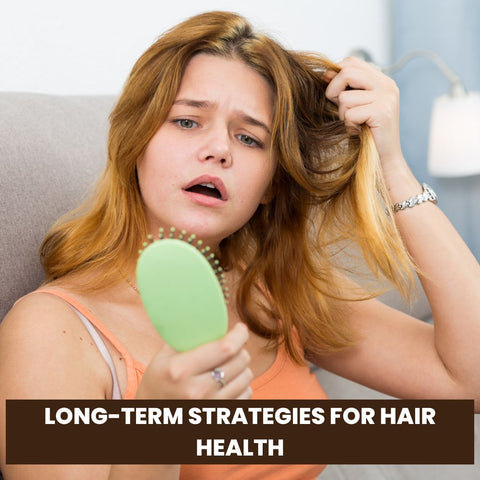
Long-term hair health necessitates a multifaceted approach that includes proper hair care procedures, a nutritious diet, stress management, and health monitoring. By following these tactics consistently and making informed decisions, you may improve your hair's general health and vitality, ensuring it remains strong and beautiful over time.
Conclusion
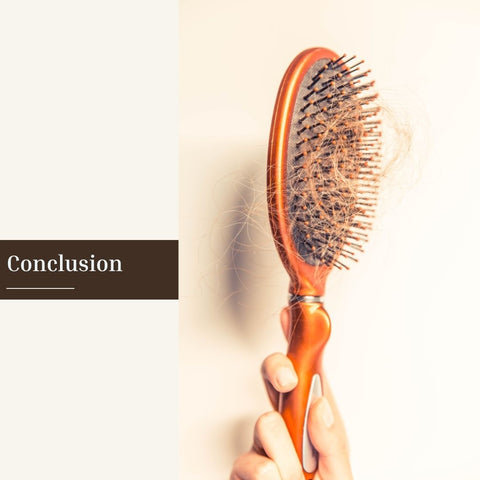
Maintaining and achieving good hair health requires a comprehensive and balanced approach that includes both preventive and proactive treatments. You may improve your hair's health and attractiveness in the long run by employing a variety of strategies, including feeding it with a nutrient-rich diet and gentle hair care techniques, adding expert treatments, and managing stress. It is typical to shed between 50 and 100 hairs each day. Excessive hair shedding occurs when the body sheds significantly more hair per day than normal.