Facial Acupuncture for Youthful and Glowing Skin
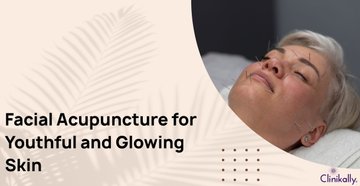
Acupuncture has existed for centuries. It is used in traditional Chinese medicine to relieve bodily aches, headaches, and nausea. However, the supplemental benefits may surprise you, especially if you elect to have your acupuncturist treat your smile lines. This cosmetic treatment is an extension of conventional acupuncture. It is supposed to naturally make the skin appear younger, smoother, and healthier overall. Unlike injectable techniques, face acupuncture treats not only aging indications but also the entire health of the skin. In this blog, we will look at facial acupuncture.
Understanding Facial Acupuncture: A Natural Path to Anti-Aging
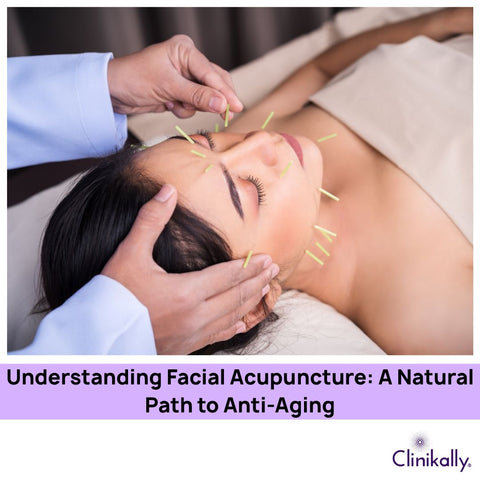
Facial acupuncture, an extension of Traditional Chinese Medicine (TCM), is a gentle yet effective method of skin rejuvenation that combines ancient wisdom with modern anti-aging goals. Unlike more harsh cosmetic procedures, facial acupuncture relies on the body's natural healing ability to restore balance and youthfulness from within.
The Science Behind Facial Acupuncture: How It Works for Skin Rejuvenation
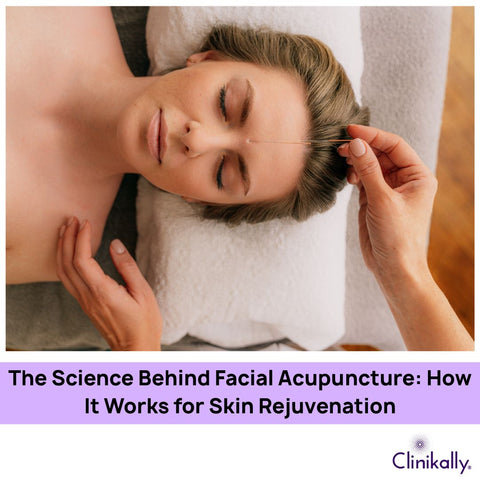
Facial acupuncture is more than just an ancient ritual; it's a science-based practice that promotes skin renewal on numerous levels. This natural therapy provides actual, observable improvements over time by activating your body's own healing processes, increasing collagen, improving circulation, and strengthening muscular balance. For individuals looking for a holistic approach to bright, resilient skin, face acupuncture offers a compelling—and medically credible—solution.
What Happens During a Facial Acupuncture Session?
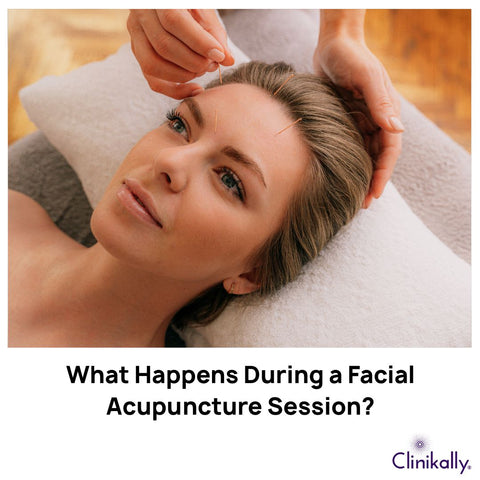
Whether you're inquisitive or prepared for your first appointment, knowing what to anticipate from a face acupuncture session can help reduce anxiety and make the experience more pleasant. Here is a step-by-step guide:
-
Initial consultation and assessment: Your practitioner will begin by reviewing your skincare concerns (e.g., wrinkles, sagging, acne, dullness), medical history and lifestyle (digestion, sleep, stress, hormonal balance), and overall wellness objectives. This assists in determining the ideal acupuncture points—on both your face and body—for best outcomes.
-
Skin preparation: Your face is gently washed to remove all makeup, oil, and debris. To ensure that the surface is clean, apply a light disinfectant. Some clinics provide a warm towel or a pleasant facial massage before needling to improve comfort and circulation.
-
Needle insertion: Very fine, hair-thin needles (0.12-0.25 mm) are carefully placed into particular places on your face and, in certain cases, your body (e.g., ears, wrists, ankles, abdomen). Common facial zones include the forehead (lines and stress), crow's feet (around the eyes), smile lines and nasolabial folds, the jawline and cheeks (for lifting and sculpting), and the neck (for tightening and circulation). You may feel a slight pinch or moderate pressure at first, followed by a dull discomfort, tingling, or warmth—this is quite normal.
-
Relaxation time (20-30 minutes): After the needles are inserted, you will lie back and relax for around 20-30 minutes in a quiet, dimly lighted environment. Some practitioners may use LED light therapy, sound healing, or aromatherapy to help patients relax more. Many people find this section extremely relaxing—even meditative.
-
Needle removal and aftercare: The needles are gently withdrawn without causing pain or blood. Your practitioner may then apply a cooling jade roller, gua sha, or nourishing serum to soothe and tone the skin. Tips for post-treatment care will be given, such as avoiding hard exercise, drinking, and direct sun exposure for a few hours.
Is Facial Acupuncture Safe for Everyone?
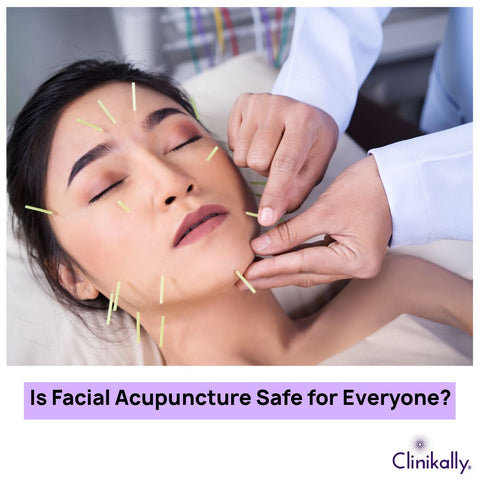
While facial acupuncture is usually regarded as safe, particularly when conducted by a certified and experienced practitioner, it is not appropriate for everyone. Facial acupuncture is usually safe and effective for:
-
Adults looking for natural anti-aging or skin rejuvenation.
-
Individuals experiencing stress-related facial tension (e.g., jaw clenching, frown lines)
-
People with sensitive or allergy-prone skin may not tolerate chemical treatments.
-
Those managing acne, rosacea, or puffiness using holistic approaches.
-
Anyone who prefers non-invasive, drug-free therapies
The Benefits of Facial Acupuncture for Skin Health
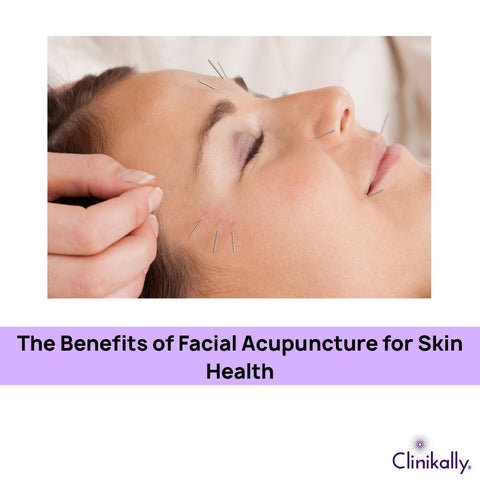
Facial acupuncture is more than simply a cosmetic trend; it is a holistic therapy that benefits your skin from the inside out. By combining traditional Chinese medicine principles with modern skincare goals, it provides a natural and effective way to improve skin tone, texture, and general vitality.
-
Promotes natural collagen production: Fine needles cause microstimulation in the skin, which activates your body's wound-healing response. This stimulates the development of collagen and elastin, two vital proteins that firm the skin and decrease wrinkles. Over time, this results in plumper, younger skin with fewer fine wrinkles.
-
Improves blood flow and oxygenation: Needling stimulates microcirculation, which delivers more oxygen and nutrients to skin cells. Improved blood flow produces a brighter, more even skin with a natural shine. This also promotes faster healing of imperfections and dullness.
-
Improves lymphatic drainage and reduces puffiness: Acupuncture stimulates lymphatic flow, which helps clear out toxins and minimize fluid buildup. Particularly effective for under-eye puffiness, jawline bloating, and dull skin tone.
-
Relieves face tension: Stress and recurrent expressions can cause facial muscles, particularly those around the jaw, eyes, and forehead, to tighten up. Acupuncture relaxes these muscles and softens stress lines (such as frown lines or crow's feet). This also helps to relieve jaw clenching and TMJ symptoms.
-
Balances internal factors that affect skin: According to Traditional Chinese Medicine, the skin is a reflection of inside health. Facial acupuncture frequently incorporates body points to address hormone imbalances (e.g., acne or aging), digestive sluggishness (which may lead to inflammation), stress, and sleep disorders (all of which hamper skin regeneration), and as these internal systems improve, so will your skin.
-
Improves skin texture and reduces pores: By increasing circulation and cell turnover, facial acupuncture promotes smoother skin with smaller pores. It can help with acne scarring, minor textural imperfections, and persistent rough spots.
-
Suitable for delicate skin types: Facial acupuncture, unlike chemical peels or laser treatments, is a non-invasive and mild procedure. Ideal for persons with reactive or allergy-prone skin, rosacea, or who want a more natural way to rejuvenate.
Boosting Collagen Production: How Facial Acupuncture Promotes Youthful Skin
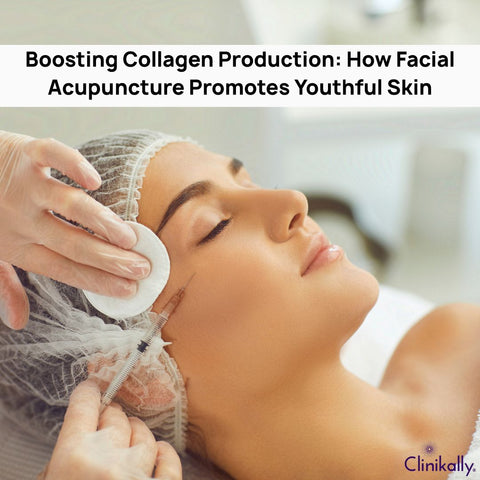
Collagen is the cornerstone of firm, smooth, and youthful-looking skin, but its natural production decreases with age, resulting in wrinkles, sagging, and loss of elasticity. Facial acupuncture is a mild yet effective approach to reactivate collagen synthesis, leveraging your body's innate regenerative capabilities for long-term, natural skin rejuvenation. Facial acupuncture stimulates collagen production via a multi-layered physiological reaction.
-
Microtrauma = Repair Activation: The ultra-fine needles cause tiny, regulated micro-injuries in the skin's dermis. This promotes the body's natural healing process, causing fibroblasts to generate more collagen and elastin.
-
Increased blood and nutrient flow: Needling enhances microcirculation, supplying oxygen, vitamins, and amino acids required for collagen creation. Skin becomes more nourished, increasing tone and suppleness.
-
Muscle relaxation = smoother skin: Acupuncture releases tension in overactive facial muscles, which lowers the pulling forces that exacerbate dynamic lines and wrinkles, resulting in smoother skin. This gives collagen a more equal base for rebuilding the skin's structure.
-
Reduction of inflammation: Acupuncture reduces inflammation by regulating inflammatory mediators and improving lymphatic drainage, resulting in clearer, healthier skin—an perfect environment for collagen formation.
Acupuncture for Wrinkle Reduction: Can It Really Replace Botox?
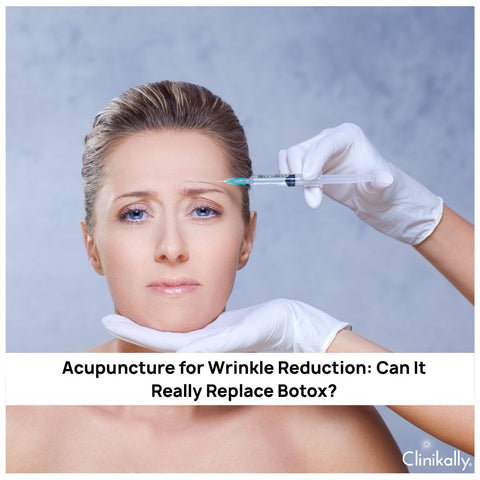
Facial acupuncture is not a direct alternative for Botox in terms of speed or severity, but it does provide a kinder, more holistic approach to wrinkle elimination. Acupuncture is a wise and long-term option for anyone looking for natural anti-aging benefits or to preserve expressive movement while enhancing skin health.
Acne and Other Skin Conditions: The Healing Potential of Facial Acupuncture
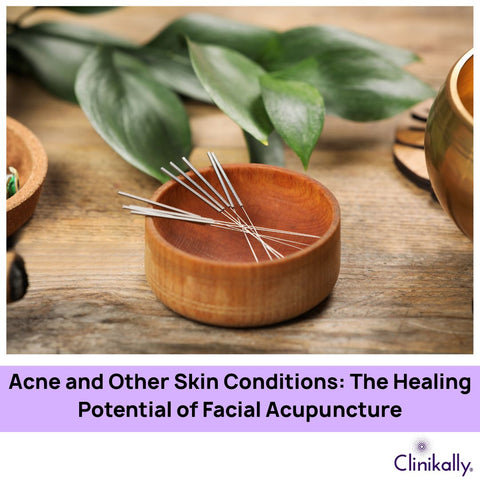
Skin health, according to Traditional Chinese Medicine (TCM), is strongly related to internal systems, including the liver, spleen, digestive system, and hormonal balance. Facial acupuncture regulates these systems and improves local skin function. Here's how.
-
Reduces inflammation and breakouts (acne): Local needle stimulation helps to minimize redness, swelling, and unpleasant blemishes. Systemic acupuncture points balance hormones, reduce stress, and aid in detoxification, all of which can prevent breakouts. Improves lymphatic drainage, which removes waste products and unclogs congested skin.
-
Balances sebum production: Acupuncture balances sebum production by regulating endocrine and liver function, which are strongly related to oil gland activity. When oil production stabilizes, skin becomes less oily and less susceptible to plugged pores.
-
Strengthens the skin barrier (eczema, rosacea): Strengthens the skin barrier by improving microcirculation, which allows nutrients and oxygen to reach the skin's outermost layers. Reduces hypersensitivity and flushing by relaxing the nervous system and strengthening the blood vessels. Improves the body's ability to respond to allergens and stress, both of which can cause flare-ups.
-
Enhances cellular repair and scar healing: It stimulates collagen and elastin, which improves texture and fades acne scars or pigmentation. Promotes healthy skin renewal, which results in smoother, cleaner skin over time.
-
Relieves stress (the source of many skin problems): Chronic stress can cause or exacerbate acne, eczema, and psoriasis due to hormonal fluctuations and immunological dysregulation. Acupuncture relaxes the hypothalamic-pituitary-adrenal (HPA) axis, resulting in a more balanced stress response and improved skin function.
Professional vs. DIY Facial Acupuncture: Which One is Right for You?
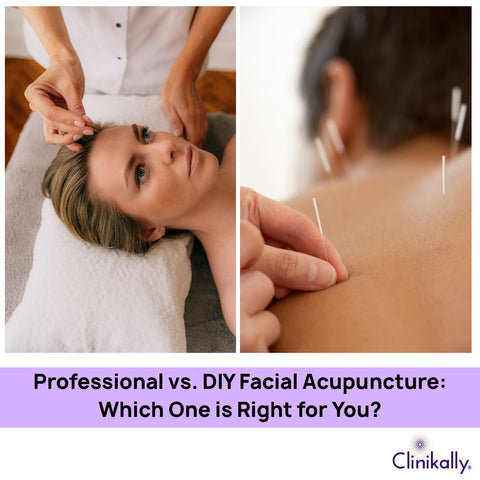
Facial acupuncture is a strong, holistic skincare tool—but the differences between DIY and professional treatments go beyond the skin. While both approaches seek to improve skin tone, decrease wrinkles, and promote overall skin health, they differ greatly in technique, safety, and outcomes. Let's look at the advantages, disadvantages, and essential concerns for each.
-
Professional facial acupuncture: Professional face acupuncture is performed by licensed acupuncturists who have received training in facial anatomy, Traditional Chinese Medicine (TCM), and sterile needle methods. The advantages include precision and safety, deeper stimulation, custom-tailored treatments, whole-body support, and stronger clinical-grade needles.
-
DIY facial acupuncture (also known as acupressure): It is performed at home using instruments such as dermal rollers, press needles, or acupressure with fingers or blunt-tipped implements. The benefits include cost-effectiveness, convenience, modest tension reduction, and safety for novices when no needles are used.
What to Expect from a Professional Facial Acupuncture Session
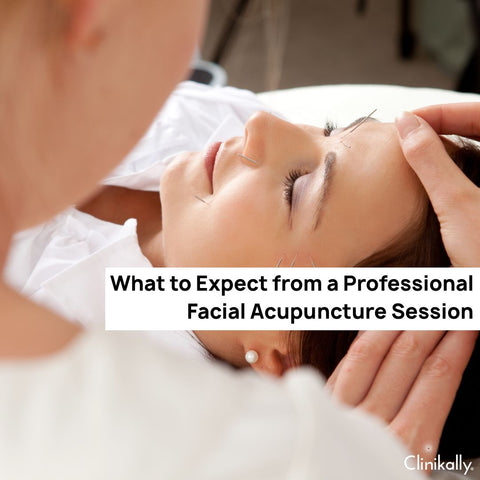
If you are considering face acupuncture for the first time, knowing what to expect will help you relax and make the most of your visit. A professional session is more than just skin deep; it combines ancient Chinese medicine with current beauty aims to restore harmony both within and outside.
-
Initial Consultation: Your practitioner will start with a holistic assessment, asking questions like, "What are your main skin concerns?" (wrinkles, acne, dullness, etc.), do you have digestion problems, hormonal imbalances, or persistent stress? What is your current skincare and health routine like? They may also examine your pulse, tongue, or face tone, which are standard Traditional Chinese Medicine (TCM) diagnostics for determining your internal balance.
-
Facial acupuncture needling: Your practitioner will cleanse and prepare your skin before inserting ultra-thin, sterile needles into facial acupoints to increase blood flow, collagen production, and muscle tone. Body points (arms, legs, abdomen) are used to aid digestion, hormone regulation, and emotional balance.
-
Rest and rejuvenate: After the needles are inserted, you will rest peacefully for 20-30 minutes, usually with dark lighting, gentle music, and warmth. This is when circulation in the skin and deeper tissues improves, muscles relax, smoothing out tension lines, and your nervous system enters a parasympathetic state.
-
Optional enhancements (beyond the needles): Some acupuncturists incorporate complementary techniques like gua Sha or jade rolling to improve lymphatic drainage, facial cupping to lift and sculpt, LED light therapy or herbal masks for added glow and hydration, and moxibustion (heat therapy) to stimulate circulation and energy flow.
-
Post-treatment glow (subtle, real, and cumulative): Following your session, you may notice a healthy, lifted glow and enhanced skin tone, relaxed jaw and forehead muscles, softening of fine lines and puffiness, and a general sensation of serenity and well-being. There may be slight redness or tiny pinpoint markings that go quickly. Bruising is uncommon but possible, particularly in delicate places.
Can You Do Facial Acupuncture at Home?
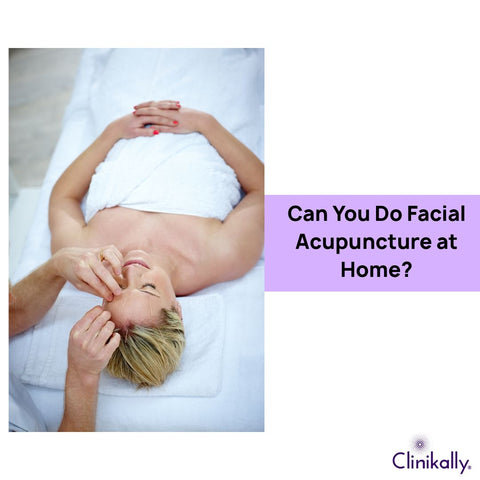
While the concept of facial acupuncture is enticing, performing it at home involves substantial dangers and limits. Here's what you should know before doing it:
-
True facial acupuncture takes talent and training: Acupuncture needles are extremely small but sharp; therefore, proper insertion depth and position are critical. Professionals study facial anatomy, nerve networks, and sterile procedures in order to avoid complications such as bruising, nerve damage, or infection. Without sufficient instruction, it is simple to put needles too deeply, too shallowly, or in the wrong places.
-
DIY alternatives (safer and still beneficial): Instead of using needles, many people use facial acupressure, which is the practice of gently stimulating acupoints with the fingertips while not breaking the skin. Gua sha or jade rollers are tools for improving circulation, lymphatic drainage, and relaxation. These require training and caution, but they can be used safely at home; keep in mind that they are not the same as acupuncture needles and operate on a different mechanism. These methods provide numerous benefits, including increased blood flow and muscle relaxation, without the risks associated with needling.
-
Risks of DIY facial acupuncture: Infection risk if needles are not sterile or handled appropriately. Improper needle placement may result in bruising, swelling, or pain. Damage to the face nerves or blood vessels. A lack of holistic diagnosis may result in ineffective or dangerous treatment.
-
If you really want to try needling at home: Use only high-quality, sterile, single-use needles from trustworthy vendors. Learn all about facial anatomy and acupuncture sites. Never put needles too deeply or aggressively. Maintain a clean environment and cleanse your skin before and after. Consider beginning with expert advice or supervision.
Important Safety Tips for DIY Facial Acupuncture

Facial acupuncture involves delicate skin and sensitive areas, thus safety is essential to avoid issues. If you decide to try DIY needling, keep the following parameters in mind:
-
Use sterile, single-use needles only: Always use new, disposable acupuncture needles from a reputable vendor. Never reuse needles to avoid infection. Before using needles, keep them somewhere clean and dry.
-
Understand facial anatomy completely: Before placing needles, thoroughly examine the facial muscles, nerves, blood vessels, and acupuncture sites. Avoid locations with thin skin, visible veins, or large nerves. Use detailed diagrams or seek professional advice.
-
Maintain a clean environment: Wash your hands properly before and after treatment. Before needling, thoroughly cleanse your face with an antiseptic solution or light cleanser. Disinfect any tools and surfaces that may come into contact.
-
Insert needles carefully and correctly: Insert needles to the required depth (typically extremely shallow on the face). Avoid forcing needles; they should glide in smoothly and cause minimal discomfort. Avoid inserting needles into broken skin, scars, or inflamed areas.
-
Avoid sensitive or risky areas: Avoid sensitive or dangerous areas, such as the eyes, eyelids, nostrils, and mouth. Avoid any locations with active acne cysts or infections. Do not use a needle on moles, warts, or skin lesions.
-
Do not overdo it: To minimize overstimulation or bruising, limit the number of needles used and their duration. Begin with extremely brief sessions (5-10 minutes) and observe your skin's reaction. Keep treatments at least a week apart.
-
Keep an eye out for side effects: If you experience extreme discomfort, dizziness, or excessive redness/swelling, discontinue use immediately. Minor redness or bruising may occur but should resolve rapidly. If you notice any signs of infection (pus, warmth, fever), get medical attention.
-
Consult a professional before beginning: Ideally, get first advice from a qualified dermatologist or acupuncturist. Consider scheduling a professional session first to better grasp sensation and technique.
-
Keep tools and needles away from kids and pets: After use, make sure to store everything properly and securely.
Real Stories and Experiences: What People Are Saying

Facial acupuncture is gaining popularity as more people share their own experiences with this gentle, holistic technique. Many who try it are initially skeptical, questioning how small needles might improve skin health. However, after a few sessions, they frequently see significant results such as brighter skin, smoother tone, and reduced puffiness. Fine wrinkles around the eyes and lips are generally noted to soften, resulting in a rejuvenated, natural appearance.
Beyond cosmetic enhancements, clients frequently report unanticipated wellness benefits. Some patients indicate that treatments relieved jaw tension, headaches, and improved sleep quality, while others report a greater sense of calm and reduced stress. This dual effect, which addresses both beauty and total well-being, sets the experience apart from traditional cosmetic treatments. What clients appear to cherish most is a steady, authentic transformation. Unlike quick solutions like Botox or fillers, face acupuncture encourages the body's own healing and collagen creation. Results may take time and effort, but many regard this as a more sustainable and health-conscious approach to beauty.
Facial Acupuncture in Your Skincare Routine: A Step Toward Ageless Beauty
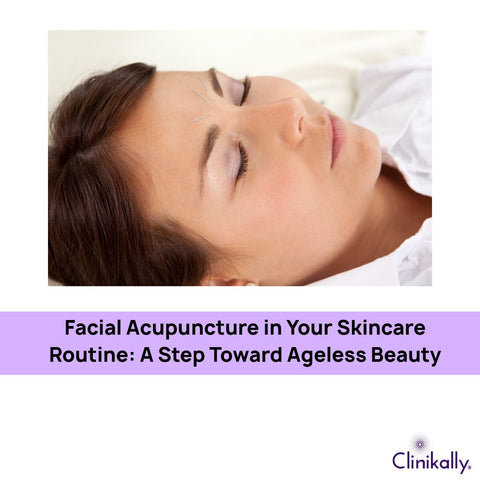
Facial acupuncture is more than simply a beauty treatment; it is a comprehensive routine that benefits your skin from the inside out. It enhances and maximizes the advantages of topical skincare products by promoting collagen formation, boosting circulation, and relaxing face muscles.
-
Begin with a consultation: Understand your skin's specific requirements and seek professional guidance on frequency and timing.
-
Schedule based on your daily routine: Plan sessions for less hectic times (e.g., weekends or evenings) to allow the skin to settle.
-
Combine with hydrating products: After the session, use mild moisturizers and serums high in peptides and antioxidants to promote healing and enhance outcomes.
-
Avoid harsh treatments immediately before or after: To avoid irritation, avoid using exfoliants, chemical peels, or retinoids for 2-3 days before your acupuncture session.
-
Stay consistent: As with many natural therapies, results accumulate over time; commit to multiple sessions for long-term benefits.
The Bottom Line: Is Facial Acupuncture Worth the Hype?
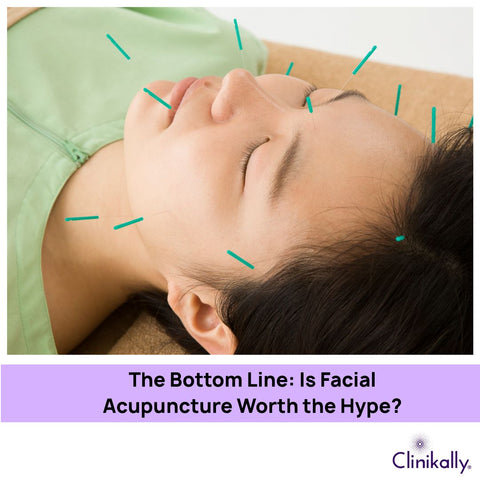
Facial acupuncture is worth attempting if you value natural, gentle skin regeneration and are willing to wait for progressive effects. It is a supplementary therapy that promotes skin health from the inside out, providing benefits beyond superficial beauty. Other treatments may be more appropriate for sudden, abrupt changes. Facial acupuncture, on the other hand, appeals strongly to those seeking a holistic, calming, and safe anti-aging treatment.