




Unbearable itching, sudden red rings, flaky scalps, or stubborn yellowed nails; fungal infections have a habit of showing up uninvited and making life deeply uncomfortable.
But the good news here is that they’re treatable when matched with the right care. Fungal infections are of several types including athlete’s foot and ringworm, and depending on their types the treatment often changes. In this complete guide, we’ll break down the most common fungal skin, scalp, and nail infections, their symptoms, and find out the dermatologists-recommended treatment plan ensuring effective results.
Skin Fungal Infections: Symptoms & Treatments

Your skin is constantly in contact with fungi, but problems start when warm, humid environments allow them to multiply out of control. Skin fungal infections often look similar (red, itchy, and irritated) which makes identifying the exact type crucial for picking the right remedy.
Let’s have a look at the four most common skin fungal infections, how to spot them, and the specific targeted treatments that eliminate them.
1. Body Ringworm (Tinea Corporis)
Despite its name, ringworm has nothing to do with worms. It is a surface fungal infection caused by dermatophytes that feed on keratin in the skin.
-
Symptoms:
-
Circular, ring-like red patches with slightly raised, scaly borders.
-
Clear or less inflamed skin in the center of the ring.
-
Intense itching and mild burning sensations.
-
Patches that slowly expand outward on the chest, back, arms, or legs.
-
Targeted Treatments:
Topical antifungal creams are the first line of defense for body ringworm. They penetrate the top layer of the skin to stop fungal cell growth.
-
Lulifin Cream & Lulican Cream (Luliconazole): Highly potent broad-spectrum topical antifungals that offer fast relief from itching and require short treatment durations.
-
Ebernet Cream (Eberconazole): Excellent for inflammatory fungal infections, reducing both the fungus and skin irritation.
-
Onabet Cream (Sertaconazole): It provides a dual action; killing the fungus while offering strong anti-inflammatory properties to calm red, irritated skin.
2. Jock Itch (Tinea Cruris)
Jock itch is a fungal infection that thrives in warm, moist areas of the body, most commonly affecting the groin, inner thighs, and buttocks. It is especially common in athletes or anyone who sweats heavily.
-
Symptoms:
-
Persistent, intense itching and redness in the groin folds.
-
A well-defined border that may feel scaly or have tiny bumps.
-
Flaking, peeling, or cracking skin in the inner thigh region.
-
Worsening discomfort during exercise, walking, or hot weather.
-
Targeted Treatments:
Treatment for jock itch requires a two-step approach: soothing the inflamed skin and keeping the area dry to prevent the fungus from spreading.
-
Soothing Creams: Apply creams like Luly Cream or Sertagold Cream to eliminate the underlying fungus while relieving friction-induced soreness.
-
Absorbent Antifungal Powders: Use dusting powders like Abzorb Dusting Powder or Candid Dusting Powder (Clotrimazole) after showering. These absorb sweat, eliminate moisture pockets, and provide active antifungal protection throughout the day.
3. Athlete’s Foot (Tinea Pedis)
Athlete’s foot targets the damp environments of the feet; specifically between the toes and on the soles. It spreads easily in shared humid spaces like gym locker rooms, public showers, and swimming pools.
-
Symptoms:
-
Itching, burning, or stinging between the toes or on the soles of the feet.
-
White, soggy, or peeling skin between the smallest toes.
-
Dry, scaly, or thick skin on the heels and sides of the feet.
-
Occasional blistering or painful skin cracks (fissures).
-
Targeted Treatments:
Foot infections require active ingredients that can penetrate tough skin while managing sweat buildup inside footwear.
-
Topical Solutions & Creams: Onabet-SD 30 Topical Solution provides deep penetration in hard-to-reach crevices between toes without leaving greasy residue.
-
Antifungal Powders: Dust Candid Dusting Powder or Abzorb Dusting Powder directly inside socks and shoes daily to neutralize trapped fungi and control sweat.
4. Tinea Versicolor (Pityriasis Versicolor)
Unlike ringworm, Tinea Versicolor is caused by an overgrowth of Malassezia, a yeast naturally present on human skin. When exposed to heat, humidity, or excessive oil, this yeast multiplies and interferes with normal skin pigmentation.
-
Symptoms:
-
Uneven patches of discolored skin on the chest, back, neck, or upper arms.
-
Patches that appear lighter (hypopigmented) or darker (hyperpigmented) than your natural skin tone.
-
Dry, fine scaling over the affected patches.
-
Patches that become more noticeable after sun exposure (as the affected areas fail to tan).
-
Targeted Treatments:
Because Tinea Versicolor often covers larger body areas like the chest and back, liquid washes, suspensions, and medicated shampoos are the easiest and most effective applications.
-
Candid TV Suspension (Clotrimazole + Selenium Sulfide): Works by slowing down yeast growth while exfoliating away the flaky, discolored skin layers.
-
Saldan TVC Lotion: Designed specifically to treat widespread yeast overgrowth across the torso.
-
Ketostar Anti-Dandruff Shampoo / Wash (Ketoconazole): Can be lathered over the affected body parts during a shower, left on for 3–5 minutes, and rinsed off to systematically lower skin yeast levels.
Scalp & Hair Fungal Infections

Fungal infections on the scalp are not only uncomfortable, but if left untreated, they can lead to temporary hair loss, severe scaling, and persistent inflammation. The scalp's natural oils and hair follicles provide an ideal environment for fungi and yeasts to thrive when balance is disrupted. Here is how to spot the two most common scalp fungal issues and the targeted treatments that clear them up.
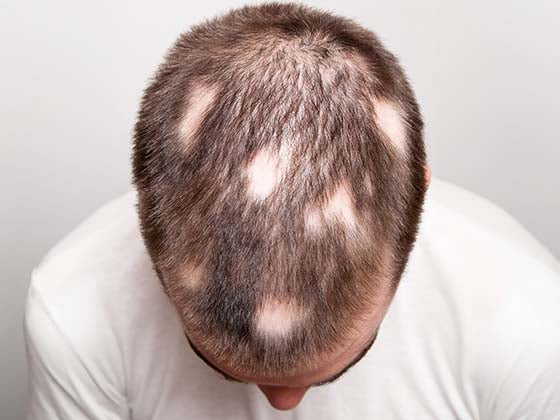
1. Scalp Ringworm (Tinea Capitis)
Scalp ringworm is a fungal infection of the scalp skin and hair shafts caused by dermatophytes. It is highly contagious and commonly affects children, though adults can contract it too.
-
Symptoms:
-
Circular, scaly, or bald patches on the scalp where hair has broken off at or just above the surface.
-
Small black dots scattered across the scalp (from broken hair shafts).
-
Severe itching, redness, and tender, swollen areas.
-
In severe cases, soft, raised, pus-filled swellings called kerions.
-
Targeted Treatments:
Scalp fungal infections require medicated shampoos to clear fungal spores, clean hair follicles, and prevent the infection from spreading across the head.
-
Xampu-KZ Shampoo (Ketoconazole): A powerful broad-spectrum antifungal shampoo that stops fungal cell membrane synthesis, clearing spores directly at the root.
-
Ketonext CT Shampoo (Ketoconazole + Coal Tar): Combines antifungal action with coal tar to simultaneously kill the fungus, reduce scalp flaking, and soothe intense itchiness.
-
C Win Shampoo & Anaboom AD Anti-Dandruff Shampoo: Specialized medicated hair washes that cleanse the hair shaft, reduce surface fungal load, and soothe inflamed scalp skin.
2. Severe Dandruff & Seborrheic Dermatitis
Unlike ringworm, severe dandruff and seborrheic dermatitis are caused by an overreaction to Malassezia, a yeast naturally present on oily areas of the scalp. When sebum production surges or skin immunity dips, this yeast triggers rapid skin cell shedding and severe inflammation.
-
Symptoms:
-
Thick, greasy, white or yellowish scales and crusts stuck to the scalp and hair shafts.
-
Patches of red, inflamed skin that may extend to the hairline, eyebrows, or behind the ears.
-
Persistent, frustrating itching and scalp tightness.
-
Fine, dry flaking that falls onto shoulders.
-
Targeted Treatments:
Effectively controlling seborrheic dermatitis requires a combination of antifungal agents to suppress yeast growth and keratolytics to dissolve stubborn, greasy buildup.
-
Kz Plus Lotion / Shampoo (Ketoconazole + Zinc Pyrithione - ZPT): A gold-standard dual-action treatment. Ketoconazole destroys the yeast, while Zinc Pyrithione regulates oil production and stops flaking.
-
Tarscalp Shampoo (Coal Tar + Salicylic Acid / Ketoconazole blends): Uses coal tar to slow down rapid skin cell turnover and salicylic acid/coal tar combinations to break down thick, crusty scale buildup on the scalp.
-
Bioderma Nodé DS+ Anti-Dandruff Shampoo: A dermatological formula designed for persistent dandruff; it regulates sebum, calms severe itching, and prevents recurrent yeast flare-ups without stripping natural hair moisture.
Fungal Nail Infections (Onychomycosis)

Fungal nail infections, medically known as onychomycosis, occur when fungi, usually dermatophytes, yeasts, or molds, enter through tiny cracks in the nail or surrounding skin. Because nails are thick and grow slowly, nail fungus is notoriously stubborn and requires specialized, deep-penetrating treatments to reach the infected nail bed.
Toenail & Fingernail Fungus
While nail fungus can affect both hands and feet, toenails are far more vulnerable due to the dark, moist environment inside shoes and reduced blood flow to the toes.
-
Symptoms:
-
Discoloration: Nails turn whitish, yellow, or dark brownish-black.
-
Thickening & Distortion: The nail plate becomes abnormally thick, distorted in shape, or difficult to trim.
-
Brittleness: Edges become fragile, crumbly, or ragged, often breaking off easily.
-
Debris Buildup: Dark, chalky debris collects beneath the nail, raising it off the skin (onycholysis).
-
Foul Odor or Discomfort: A faint unpleasant odor or pain when pressure is applied (such as when wearing tight shoes).
-
Targeted Treatments: Standard creams often fail to treat nail fungus because they cannot penetrate the hard keratin surface of the nail. Medicated nail lacquers act like a waterproof coating that locks the active antifungal agent onto the nail, allowing it to penetrate deep down over time.
-
Loceryl Nail Lacquer (Amorolfine 5%): A gold-standard topical lacquer that forms a durable, antifungal film over the nail. It penetrates the nail plate to destroy fungal cell membranes and typically requires application only once or twice a week.
-
Amrolstar Nail Lacquer (Amorolfine): Provides high-strength Amorolfine to effectively treat mild-to-moderate fungal nail infections and stop the infection from spreading to adjacent nails.
-
Fungicros Nail Lacquer (Amorolfine): Specially formulated to adhere to thick toenail surfaces, continually delivering active medication to the underlying infected nail bed.
-
Nailon Nail Lacquer: An effective daily or weekly targeted lacquer designed to strengthen fragile nail structure while clearing persistent fungal spores.
Candidiasis & Yeast Infections
Yeast infections are caused primarily by Candida species; most commonly Candida albicans. Unlike dermatophytes that thrive strictly on dead keratin (like outer skin layers, hair, and nails), Candida is an opportunistic organism that normally lives in small amounts on human skin and mucosal membranes. When environmental conditions change; such as increased heat, moisture, friction, or altered skin immunity, it multiplies rapidly, leading to distinct surface infections.
Here is how to spot cutaneous yeast infections and oral thrush, along with the targeted treatments used to manage them.
Cutaneous (Skin Fold) Yeast Infections
Cutaneous candidiasis, frequently appearing as Intertrigo, targets warm, moist pockets of the body where skin rubs against skin. Common areas include under the breasts, in groin creases, around the armpits, and inside deep abdominal skin folds.
-
Symptoms:
-
Bright Red Patches: Raw, shiny, beefy-red skin in skin folds.
-
Satellite Lesions: Small, distinct red dots or tiny pus-filled bumps scattered just outside the main edge of the rash.
-
Maceration & Cracking: Soft, whitish, waterlogged skin that easily cracks, stings, and oozes.
-
Intense Burning & Itching: Friction makes the area extremely tender, sore, and itchy.
-
Targeted Treatments: Clearing skin fold yeast requires a combination of antifungal agents to stop yeast overgrowth and absorbent products to reduce moisture accumulation and friction.
-
Eberfine Cream (Eberconazole) & Lulizol Cream (Luliconazole): Broad-spectrum topical antifungals that penetrate raw skin layers to stop yeast cell synthesis while reducing localized inflammation.
-
Candid Dusting Powder (Clotrimazole): Essential for fold management. Applying this powder daily keeps skin folds dry, prevents sweat accumulation, and reduces friction between skin surfaces.
Oral Thrush (Oropharyngeal Candidiasis)

Oral thrush is a fungal infection of the mucous membranes inside the mouth and throat. It is most common in infants, denture wearers, individuals using inhaled corticosteroids, or those with lowered immune systems.
-
Symptoms:
-
White Lesions: Creamy, white, curd-like patches on the tongue, inner cheeks, roof of the mouth, or gums.
-
Bleeding when Scraped: White patches that leave red, raw, and slightly bleeding tissue when gently wiped or scraped away.
-
Soreness & Swallowing Difficulty: Redness, burning, or pain inside the mouth that makes eating or swallowing uncomfortable.
-
Corner Cracking (Angular Cheilitis): Redness, flaking, and painful cracking at the outer corners of the mouth.
-
Targeted Treatments: Because the mouth is a moist mucosal environment, oral thrush is managed with specialized oral formulations (suspensions, lozenges, or paints) designed to coat the interior lining of the mouth directly.
-
Candid Mouth Paint (Clotrimazole 1%): Specially formulated liquid suspension that adheres to the inner lining of the cheeks, tongue, and gums. It continuously releases active Clotrimazole into the saliva to destroy yeast cell walls and clear white lesions.
-
Clotrimazole Troches / Lozenges (10 mg): Slowly dissolve in the mouth over 15 to 30 minutes, delivering targeted antifungal medication directly to the oral mucosa.
Application Tip for Oral Suspensions/Paints: Apply after meals or drinks. Avoid eating or drinking for at least 30 minutes after applying oral antifungal washes or paints to give the medication sufficient time to bind to mucosal tissue and act effectively.
Choosing the Right Anti-Fungal Format

Antifungal medications come in several distinct delivery formats, such as creams, dusting powders, medicated soaps, and oral tablets. Choosing the right format depends heavily on the infection’s location, severity, and skin environment.
1. Topical Antifungal Creams & Lotions
-
Best For: Spot treatment of localized skin infections (e.g., body ringworm, mild jock itch, tinea versicolor patches).
-
How They Work: Emulsions and lotions penetrate the outer layers of skin (stratum corneum) to deliver concentrated active ingredients directly to the active fungus site.
-
When to Choose: Select creams when dealing with dry, scaly, or inflamed patches that need moisture along with antifungal action. Lotions are preferred for broader skin areas (such as the back or chest) because they spread easily without leaving a greasy residue.
-
Top Examples: Lulifin Cream, Ebernet Cream, Onabet Cream, Sertagold Cream.
2. Antifungal Dusting Powders
-
Best For: Sweaty, moisture-prone body folds (e.g., groin, underarms, beneath breasts, and between toes).
-
How They Work: Dusting powders provide a dual-action mechanism. The active antifungal agent eliminates fungal cells, while the absorbent powder base (such as talc or starch) absorbs excess sweat and reduces friction between skin folds.
-
When to Choose: Ideal during summer months, after workouts, or alongside creams to keep high-sweat areas dry and prevent infection recurrence.
-
Top Examples: Abzorb Dusting Powder, Candid Dusting Powder, Candisweat Dusting Powder.
3. Medicated Antifungal Soaps & Body Washes
-
Best For: Broad skin hygiene, controlling yeast overgrowth, and supporting active topical treatments.
-
How They Work: Formulated with broad-spectrum antifungals like Ketoconazole, these bars and body washes reduce the overall fungal load on the skin's surface during daily bathing. Lathering and leaving the product on the skin for 3 to 5 minutes allows the active ingredient to penetrate the skin barrier effectively.
-
When to Choose: Use medicated soaps as a primary body wash for widespread conditions like Tinea Versicolor or as an ongoing preventive step for individuals prone to frequent fungal infections.
-
Top Examples: Ketostar Medicated Soap, Kz Plus Medicated Soap, Konaz 2% Soap, Belzole Soap.
4. Oral Antifungal Tablets & Capsules
-
Best For: Severe, extensive, recurrent, or deep-seated fungal infections (e.g., fungal nail infections, widespread body ringworm, or scalp infections).
-
How They Work: Oral antifungals work systemically. Once ingested, the active drug circulates through the bloodstream to reach tissues that topical treatments cannot easily penetrate, such as infected nail beds and hair follicles.
-
When to Choose: Recommended when topical creams fail to clear the infection, when the infection covers large surface areas, or when treating hard keratinized tissues like thick toenails. (Note: Oral antifungals require a doctor's prescription).
-
Top Examples: Canditral SB Capsules, Itracot Capsules, Itragreat Capsules, Zimig 250mg Tablets.
Quick Comparison Matrix
|
Format |
Key Function |
Ideal Skin Area |
Primary Benefit |
|
Creams & Lotions |
Direct, localized treatment |
Arms, legs, torso, face |
Deep penetration & moisture balance |
|
Dusting Powders |
Moisture absorption & fungal control |
Groin, underarms, feet, skin folds |
Keeps skin dry & stops friction |
|
Medicated Soaps |
Surface hygiene & yeast reduction |
Whole body, scalp margins |
Easy wash-off application for large areas |
|
Oral Tablets |
Systemic internal treatment |
Nails, hair follicles, severe skin areas |
Reaches deep-seated infections via blood flow |
Final Thought: Seeking Medical Advice Before Trying Home Remedies
While natural DIY remedies like tea tree oil, apple cider vinegar, or garlic pastes are often touted for skin issues, attempting to treat a fungal infection with home remedies can do more harm than good. Many skin conditions; such as eczema, psoriasis, or bacterial infections closely mimic fungal rashes, and thus, it’s important to understand the fungal infections effectively. Misdiagnosing them can lead to applying harsh, undiluted ingredients that cause severe skin irritation, chemical burns, or secondary contact dermatitis.
Furthermore, home remedies lack the standardized potency required to penetrate deep into skin layers, hair follicles, or nail beds; partial or ineffective treatment allows fungal spores to survive, adapt, and return as chronic, resistant infections. A brief consultation with a dermatologist ensures an accurate diagnosis and a safe, clinically proven targeted treatment plan that clears the infection effectively.