Retinol & Salicylic Acid: Can They Work Safely Together in Your Routine?
Salicylic acid and retinol are both recognized to help reduce pimples, but using them together in the same skincare routine takes expert expertise and cautious attention. That is why we created this salicylic acid and retinol guide. We'll answer all of the important questions, such as 'Can you use salicylic acid and retinol together?' and explain how each of these effective compounds can enhance the complexion. We'll also offer some practical advice for people looking to combine salicylic acid and retinol, as well as some specific product recommendations.
Understanding the Ingredients: Retinol and Salicylic Acid
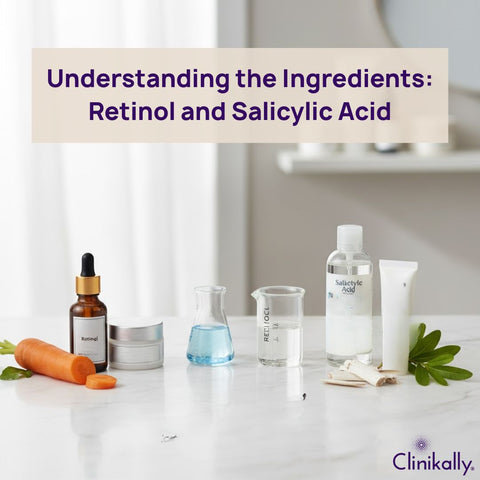
Retinol and salicylic acid are two prominent skincare components; however, they have different functions. Retinol, a vitamin A derivative, promotes cell turnover and collagen formation, which helps to prevent aging and improve skin texture. Salicylic acid, a beta-hydroxy acid (BHA), is effective at exfoliating and treating acne because it penetrates pores and dissolves oil and dead skin cells. While they can be used simultaneously, it is critical to recognize their individual effects and hazards in order to avoid discomfort.
Retinol:
-
Mechanism: Retinol promotes cell turnover and stimulates collagen production, reducing the appearance of fine lines, wrinkles, and uneven skin tone.
-
Benefits: It can improve skin texture, reduce sun damage, and treat hyperpigmentation.
-
Considerations: Retinol can make skin more sensitive to the sun, so use sunscreen at night.
-
Possible side effects: Especially with higher concentrations or incorrect use, redness, irritation, dryness, and peeling may occur.
Salicylic Acid:
-
Mechanism: Salicylic acid penetrates pores to exfoliate and unclog them, specifically targeting acne and blackheads.
-
Benefits: It reduces inflammation, regulates oil production, and improves skin clarity.
-
Considerations: Salicylic acid can cause dryness and irritation, particularly in people with sensitive skin.
-
Possible side effects: Some adverse effects include dryness, redness, and irritation.
What Is Retinol? A Breakdown of This Vitamin A Derivative
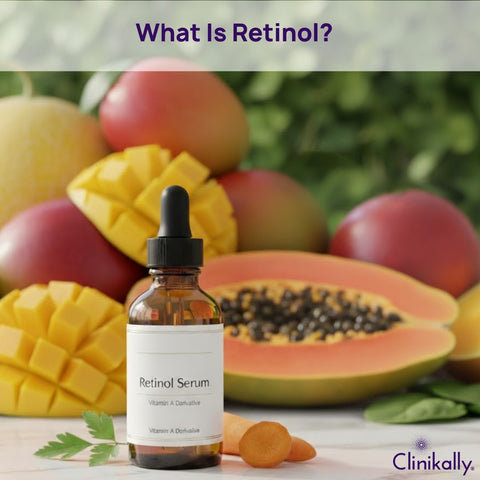
Retinol is a retinoid, a derivative of Vitamin A, that is commonly used in skincare due to its anti-aging and acne-fighting effects. It works by increasing collagen production and cell turnover, which improves skin texture and minimizes the appearance of wrinkles and fine lines. Retinol is available over the counter in a variety of forms, including creams, gels, and serums, and a healthcare provider may prescribe stronger dosages. Here's a thorough breakdown:
-
Retinol: It is a fat-soluble vitamin classified as a retinoid, which means it is a derivative of vitamin A. It's a major element in many skincare products, particularly those for anti-aging and acne therapy. Retinol works by converting to retinoic acid in the skin, which then interacts with skin cells to stimulate collagen formation and cell turnover.
-
Work: Retinol penetrates the skin and helps to neutralize free radicals, which can harm skin cells and lead to aging. It promotes collagen formation, which is necessary for maintaining skin suppleness and decreasing wrinkles. Retinol also helps to regulate cell turnover, which improves skin texture and reduces the appearance of pores.
-
Benefits: Retinol can help with the look of fine lines, wrinkles, and age spots. It can help to clear clogged pores and prevent outbreaks. Retinol can help skin look smoother and more evenly toned. This results in firmer, more youthful-looking skin.
How Salicylic Acid Works: A Deep Dive into BHA Benefits
Salicylic acid is a beta-hydroxy acid (BHA) that exfoliates the skin and penetrates pores to dissolve excess oil and dead skin cells, making it beneficial for acne treatment and prevention. Its oil-soluble nature enables it to cut through sebum, as opposed to alpha-hydroxy acids (AHAs), which function predominantly on the skin surface. This action helps to unclog clogged pores, reduce irritation, and promotes smoother skin texture. Here's a thorough breakdown:
-
Salicylic acid works as a keratolytic, which means it softens keratin, a protein in the skin, and loosens the links between dead skin cells. This encourages moderate exfoliation, which removes the buildup of dead cells that can cause plugged pores.
-
Salicylic acid, unlike AHAs, is oil-soluble. This allows it to enter deeper into the pores, eliminating the extra sebum (oil) and particles that cause acne. Clearing away these blockages aids in the prevention and treatment of blackheads, whiteheads, and other types of acne.
-
Salicylic acid has anti-inflammatory effects that assist to calm irritated skin and lessen the redness associated with acne. This helps to quiet active breakouts and prevent further inflammation.
-
Salicylic acid can help regulate sebum production, which is good for people who have oily or acne-prone skin. Controlling excess oil can help to achieve a more balanced complexion while also reducing the possibility of clogged pores.
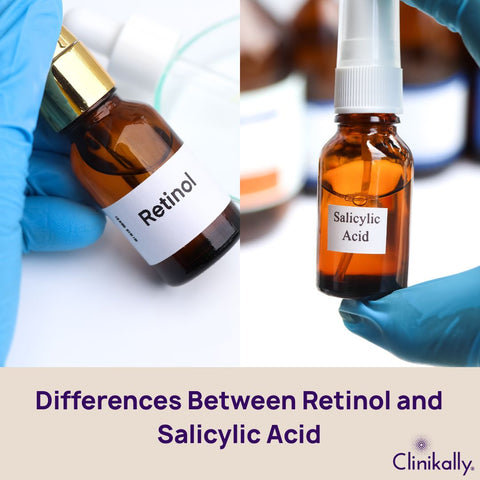
Differences Between Retinol and Salicylic Acid
-
Salicylic acid acts by increasing skin moisture and removing the component that causes skin cells to cling together. This facilitates the elimination of skin cells.
-
Salicylic acid is often used as an acne spot treatment, but it may also be found in a range of other products such as cleansers, toners, serums, and peels, all of which have their own skin benefits.
-
When applied to the skin, salicylic acid may help it shed dead cells from the top layer while also reducing redness and swelling (inflammation). The amount of pimples that appear is reduced, and the healing process is hastened.
-
Retinol is available in a variety of formulations, including liquid serums, gels, creams, and emollients. It can be administered topically to obtain the numerous skin health benefits. According to one study, retinol works by diffusing over the cell membrane and attaching to receptors in the nucleus, where it serves like a gene to drive cell development.
-
Retinol is a chemical that improves the texture, dyspigmentation, dryness, and small lines on the skin. The ideal concentration for balancing skin irritation and efficacy remains unknown. Retinol can be found in cosmetics and skincare products.
Benefits of Combining Retinol and Salicylic Acid
Although the benefits of the salicylic acid and retinol combination are anticipated to be similar to those of glycolic acid and retinol, there has been little research into it.
-
Use a salicylic acid cleanser followed by a retinol serum to enhance the appearance of wrinkles, fine lines, and hyperpigmentation without irritating the skin.
-
Improves skin texture: Applying retinol after salicylic acid serum improves skin texture and alleviates photoaging signs.
Synergistic Effects on Acne-Prone Skin
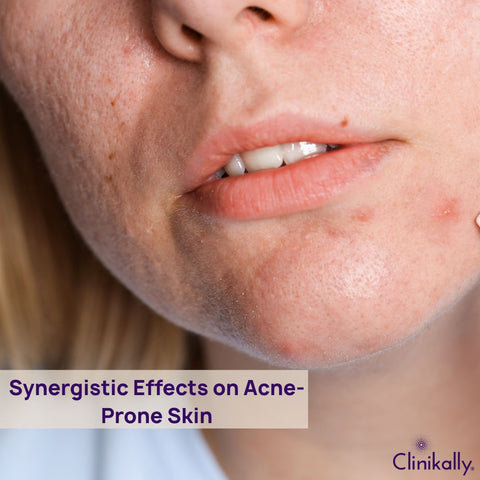
When administered correctly, retinol and salicylic acid can work together to treat various features of acne-prone skin. Their combined methods address the underlying causes of breakouts—clogged pores, excess oil, irritation, and post-acne marks—making them a potent combination when properly balanced.
-
Dual-Action Pore Clearing: Salicylic Acid's oil solubility allows it to penetrate deep into pores and dissolve sebum, dead cells, and debris. Retinol, on the other hand, promotes skin cell turnover, preventing accumulation at the surface and within follicular structures.
-
Anti-inflammatory and antibacterial support: Salicylic acid has mild antibacterial and anti-inflammatory characteristics, which help to soothe red, inflamed pimples. On the other hand, retinol gradually regulates the skin's immunological response, minimizing the production of comedones and inflammatory lesions.
-
Regulating sebum production: Salicylic acid regulates sebum production and helps eliminate excess oil from the skin's surface. On the other hand, retinol indirectly influences sebaceous gland activity over time.
-
Fading post-acne marks (PIH & Scarring): Retinol promotes collagen production and speeds up turnover, improving skin texture and tone. On the other hand, salicylic acid enhances the penetration of other ingredients and gently exfoliates to reduce pigmentation.
-
Preventing acne recurrence: Salicylic acid keeps pores clean on a daily basis. On the other hand, retinol addresses the long-term behavior of skin, normalizing cell turnover and oil flow.
Enhanced Cell Turnover and Pore Refinement
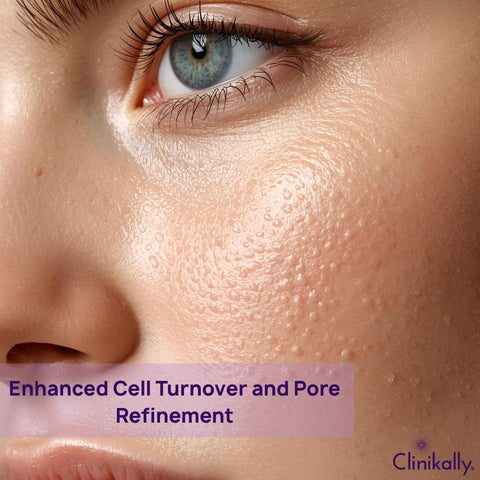
One of the most impressive advantages of combining retinol and salicylic acid is that they work together to increase cell turnover and refine pores, both of which are necessary for smoother, clearer skin. This combination treats both the surface and deeper layers of the skin, providing a holistic approach to skin rejuvenation and pore decongestion.
-
Boosting cell turnover: Cell turnover describes how quickly your skin eliminates old, dead cells and replaces them with new ones. This process frequently slows in acne-prone or aging skin, resulting in dullness, blocked pores, and rough texture. Salicylic Acid is an oil-soluble beta hydroxy acid (BHA) that exfoliates by dissolving the connections between dead skin cells, particularly those found inside pores. It works both on the surface and inside follicles, making it perfect for removing congestion. Retinol, on the other hand, is a vitamin A derivative that operates at the cellular level. It stimulates basal cell turnover, which speeds up skin regeneration. Over time, this results in softer texture, less hyperpigmentation, and fewer plugged pores.
-
Pore refinement: Enlarged or clogged pores are typical issues, particularly in oily and acne-prone skin. Retinol and salicylic acid both aid to refine their look in complimentary ways. Salicylic acid's action in deep pore penetration dissolves oil plugs (comedones), lowering blackheads and their appearance. Helps to maintain pores free over time, reducing blockage-induced growth. On the other side, retinol improves skin structure by increasing collagen and elastin levels, which reinforce pore walls. This results in tighter, firmer skin, creating the illusion of smaller pores.
Anti-Aging and Oil Control in One Routine
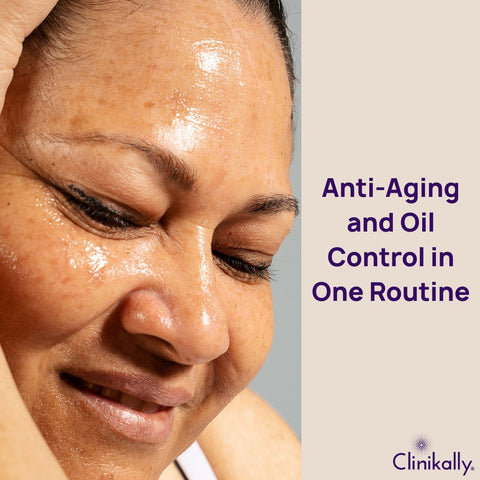
Retinol and salicylic acid are an ideal combination for individuals looking for an effective routine that combats signs of aging while regulating greasy, breakout-prone skin. When used appropriately, they provide both preventive and remedial advantages, resulting in smoother, firmer, more balanced skin without sacrificing clarity or radiance.
Risks, Reactions & How to Use Them Correctly
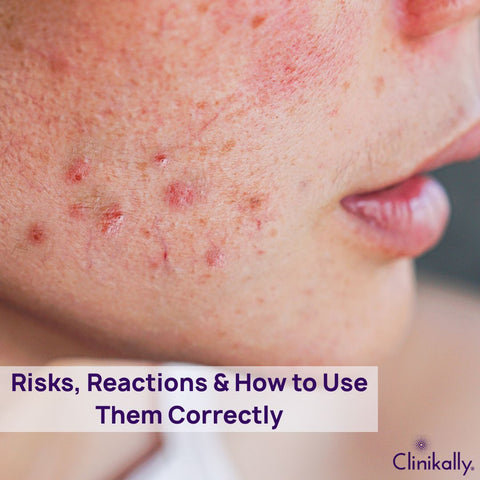
Retinol and salicylic acid can perform brilliantly together, but they require caution and persistence. The key to success is gradual introduction, careful planning, and constant hydration. Always pay attention to your skin—tightness, stinging, or peeling indicate that it's time to scale back. With proper application, this combination can provide smoother texture, cleaner pores, oil management, and long-term anti-aging benefits—all without compromising your skin's barrier.
Potential Side Effects: Dryness, Irritation, and Peeling
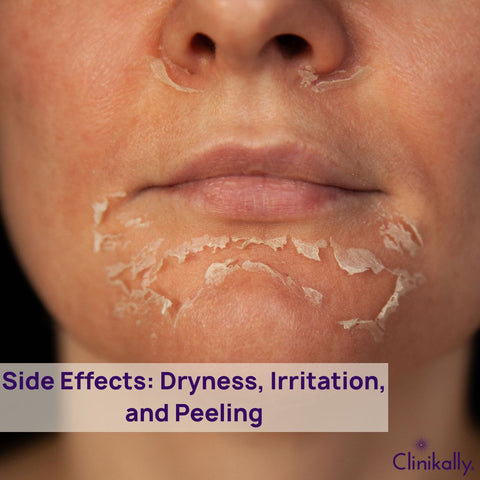
Retinol and salicylic acid can cause dryness, irritation, and peeling, but these are all minor adverse effects, especially if your skin is new to them. These indicators frequently indicate that the items are functioning, but acting too quickly can backfire. A gentle, skin-friendly strategy based on gradual introduction, barrier support, and consistency will allow you to reap the benefits with minimal discomfort.
Tips to Minimize Skin Sensitivity

While retinol and salicylic acid are effective skincare ingredients, they can also produce dryness, redness, and irritation, particularly when used simultaneously or without adequate skin support. To reap the advantages without causing aggravation, develop a careful, barrier-respecting routine. Here are expert-backed recommendations for reducing skin sensitivity while keeping your skin healthy, resilient, and bright.
-
First, strengthen your skin's barrier: Before using powerful actives, make sure your barrier is in good shape. A weakened barrier is more susceptible to stinging, flaking, and irritation. Choose a mild, fragrance-free cleanser. Add ceramides, niacinamide, and panthenol to your routine. Avoid excessive cleaning, strong scrubbing, and hot water.
-
Slowly introduce actives: Begin with a low dose and gradually increase. This allows your skin time to adapt and decreases the likelihood of a reaction. Begin with 0.25% or 0.5%, 2-3 times a week. Begin with 0.5–1%. 2–3 times per week. Avoid starting both on the same day; instead, introduce one first and then the other after 1-2 weeks.
-
Use the "moisturizer sandwich" approach: This layering strategy cushions the impact of actives and minimizes sensitivity in the following order: cleanse, apply a thin layer of moisturizer, apply retinol or salicylic acid, and finish with another layer of moisturizer.
-
Avoid other unpleasant ingredients: Do not combine retinol or salicylic acid with other strong actives (particularly at first), and avoid using AHAs (glycolic, lactic), benzoyl peroxide, or vitamin C in the same regimen. Limit your exfoliation to 2-3 times each week. Watch wary for alcohol-heavy toners and foamy cleansers!
-
Use sunscreen every day: Both retinol and salicylic acid make you more sensitive to the sun, which can cause burns, pigmentation, and barrier breakdown if you are not covered. Apply broad-spectrum SPF 30-50 everyday, even on cloudy days. Reapply every 2-3 hours if outside.
-
Keep the skin hydrated: Dryness exacerbates sensitivity, as both retinol and BHA can dry the skin. Combine hyaluronic acid, glycerin, and squalane. If needed, use a non-comedogenic occlusive (such as petrolatum or balm). Drink a lot of water to stay hydrated from within.
-
Include recovery nights: Give your skin time to relax and mend by scheduling "off" nights with no active ingredients. On recuperation evenings, apply relaxing components like centella asiatica, allantoin, green tea, and oat extract. Focus on hydration and restoration rather than exfoliation or therapy.
-
First, do a patch test: Before using new actives on your face, which include Apply a tiny amount behind your ear or along your jawline for 24 to 48 hours. Check for redness, stinging, or swelling.
-
Listen to your skin: Mild tingling or tightness is typical at first, but burning, persistent redness, or cracking indicate that you should take a step back. If irritation worsens, reduce the frequency or concentration. Prioritize skin repair prior to reintroducing actives.
-
Adjust according to skin type: Use salicylic acid moderately and retinol with a moisturizer. It may tolerate stronger formulations while still benefiting from barrier assistance. It focuses on moisture to counteract retinol's drying effects.
Best Practices for Layering Retinol with Salicylic Acid
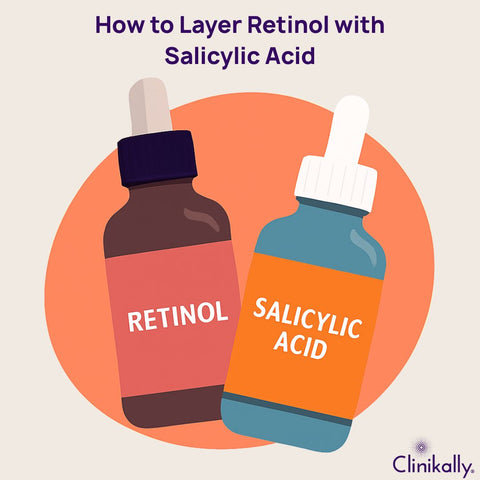
Combining retinol and salicylic acid can have transformational results in terms of acne, oil control, texture, and aging. However, because both are strong actives with exfoliating and drying properties, inappropriate stacking might result in redness, peeling, or barrier damage. When used correctly, however, this combination can be extremely beneficial, particularly for resilient or acne-prone skin. Here's a step-by-step tutorial for layering them securely and effectively:
-
Alternate Use (ideal for beginners or sensitive skin): This is the safest way and is especially suggested if you're unfamiliar with either substance. You have mixed, dry, or sensitive skin. You are prone to irritation and barrier difficulties.
-
Layering within the same process: If your skin is accustomed to both components, you can layer them in a single bedtime routine with caution. Layer with a moderate, pH-balanced cleanser (non-stripping and fragrance-free). Hyaluronic acid, centella, and glycerin are examples of substances that can be used to hydrate and prepare the skin. Use a low to moderate concentration (0.5% to 1.5%). Allow it to fully absorb for 10-15 minutes. Apply a small layer of moisturizer to help buffer retinol and prevent it from penetrating too deeply. Use a mild or encapsulated formula (0.25% to 0.5% for beginners). Apply a pea-sized quantity on the entire face. Apply another layer of moisturizer, especially if your skin feels dry or tight.
Building Your Skincare Routine: A Safe Introduction Strategy

Creating a skincare program containing retinol and salicylic acid is a marathon, not a sprint. By introducing them gradually, supporting your barrier, and prioritizing hydration and sun protection, you can prepare your skin for cleaner, smoother, and more youthful results—without the negative effects. Listen to your skin and make adjustments as needed. Consistency and care are your most effective instruments.