



- Curcumin Basics
- Turmeric for Hair
- Turmeric for Scalp
- Treating Dandruff with Turmeric
- DIY Turmeric Hair Care
- Tips On Using Turmeric For Hair
- FAQs
Turmeric root is sometimes referred to as the "golden elixir". It is quickly becoming a beauty staple in the world of hair care. Turmeric root provides a natural remedy for all sorts of common hair and scalp ailments as it is acclaimed for its potent anti-inflammatory, antioxidant, and antimicrobial properties. From reducing dandruff and calming irritated scalps to provoking hair growth and fortifying follicles, turmeric is fast becoming an integral part of holistic beauty regimens. As consumers increasingly seek out chemical-free, plant-based alternatives, turmeric-infused hair treatments are emerging as a must-have in both DIY remedies and commercial products. In this article, we delve into the incredible benefits of turmeric root for hair health and the best ways to incorporate it into your routine. Discover and explore with Clinikally, the reason this ancient spice is becoming the modern secret to stronger, shinier, and healthier hair.
The Science of Turmeric and Its Impact on Hair Health

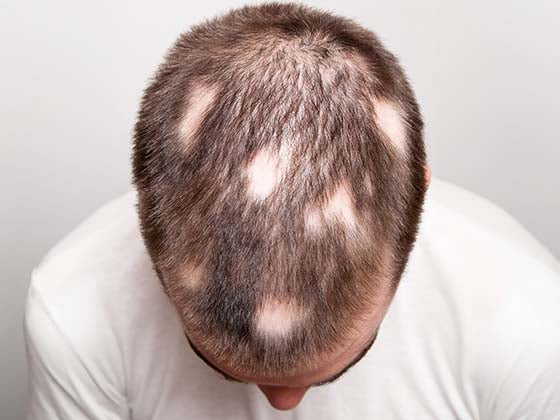
Turmeric, scientifically called Curcuma longa, is basically a spice with medicinal properties. Curcumin is the active ingredient that is also a powerful anti-inflammatory compound that has a positive effect on scalp health and hair growth due to its antioxidant rich profile. Two of the key causes of hair thinning, hair fall, hair loss, dandruff, psoriasis and other scalp conditions are inflammation and oxidative stress. Turmeric works to fight these problems by soothing irritated skin, enhancing blood flow to the scalp, and eliminating free radicals that destroy hair follicles.
Moreover, turmeric's natural antimicrobial action ensures that the scalp remains clean and free of bacteria or fungi, which can interfere with the growth of healthy hair. Curcumin has been found to affect some of the growth factors and enzymes involved in the hair cycle. This leads to an extension of the growth phase. Topically applied or taken as a supplement, turmeric could greatly increase the general vitality of the hair.
Understanding Curcumin: The Key Active Compound in Turmeric

Curcumin, the active component of turmeric, is increasingly popular for its strong properties in natural hair care. It has potent anti-inflammatory, anti-microbial and antioxidant characteristics. This allows curcumin the potential to fight and ward off the scalp conditions like dandruff, flakiness, itchiness, and infection. Through better circulation in the scalp and minimizing oxidative stress, curcumin helps create a healthier climate for hair follicles to grow. Furthermore, since it has the capacity to suppress the activity of hair loss causing hormone called DHT (dihydrotestosterone), this golden elixir proves to be an excellent alternative natural solution for baldness and thinning hair. Routine application of turmeric-infused hair masks, oils, or shampoos with the added curcumin may enhance hair texture, minimize breakage, and add luster. With consumers gravitating toward holistic and herbal remedies, curcumin is a strong, plant-based active component to use for healthier, thicker hair. If you’re exploring natural treatments to revitalize your scalp and hair, curcumin in turmeric could be the golden solution your hair care routine needs.
How Turmeric Supports Hair Follicle Function and Growth

Turmeric, highly revered in Ayurvedic and conventional medicine for centuries, is now widely known to foster healthy hair follicle functioning and encourage hair growth. Curcumin provides a powerful combination of anti-inflammatory, antioxidant, and antimicrobial actions that combat many root causes of hair loss and follicle impairment. With increased inclination towards plant-based solutions in hair care, turmeric has emerged a great natural treatment option for healthy hair.
-
Turmeric's antioxidant nature safeguards hair follicles against oxidative stress and environmental damage, keeping them in good strength and health.
-
Curcumin enhances scalp blood flow, providing hair follicles with much-needed nutrients and oxygen to fuel growth.
-
It suppresses the activity of DHT (dihydrotestosterone). It is a hormone responsible for hair fall and hair loss, especially, miniaturization of hair follicles and androgenetic alopecia.
-
Its anti-inflammatory properties mitigate inflammation and swelling of the follicles, enabling the follicles to operate normally without hindrance.
-
Turmeric sustains a balanced scalp microbiome as it regulates the bacteria and fungi that can harm the follicles or inhibit the growth of the hair.
-
Turmeric promotes collagen synthesis. This aids in sustaining the structure and integrity of the scalp and the hair follicles.
-
It enhances the absorption of nutrients at the level of the scalp so that hair follicles obtain the raw materials required for creating keratin.
-
Daily application can revive latent follicles, potentially stimulating new growth in regions experiencing thinning.
Adding turmeric to your hair and scalp care routine provides a natural method of stimulating growth and fortifying follicles at the root. With its many healing advantages, turmeric is both a growth promoter and a protective agent, an essential ingredient on the path to fuller, healthier locks.
Anti-Inflammatory Action: Turmeric’s Role in Scalp Wellness

Turmeric, that golden-colored spice of great healing potential, is becoming increasingly popular in the realm of scalp care and natural beauty. Abundant in magnificently anti-inflammatory curcumin, turmeric provides natural, chemical-free relief from typical scalp ailments such as itchiness, flakiness, and redness. With more individuals demanding chemical-free options for scalp health, turmeric has become a go-to natural botanical remedy to foster a healthy scalp ecosystem and strengthen, shine hair.
-
Curcumin in turmeric actively inhibits inflammatory enzymes such as COX-2 and cytokines that induce scalp irritation and sensitivity.
-
Its antioxidant action destroys free radicals responsible for causing cellular damage and inflammation in scalp tissues.
-
Turmeric used regularly can soothe psoriasis and eczema symptoms on the scalp by alleviating chronic inflammation.
-
It suppresses fungal overgrowth, particularly Malassezia. It is usually associated with inflamed scalp conditions such as dandruff.
-
Turmeric improves microcirculation in the scalp, promoting improved nutrient delivery and alleviating congestion or swelling.
-
It regulates oil production, which avoids pore-clogging and the formation of follicular inflammation.
-
Turmeric, when applied along with scalp masks or infused oils, helps maintain the skin barrier and enhance the overall resilience of the scalp.
-
Turmeric's calming action helps soothe itchiness and discomfort from scalp infections or allergic reactions.
Leveraging the anti-inflammatory potential of turmeric for scalp health is a hair care revolution. Its capacity to soothe, purify, and shield the scalp makes it a must-have ingredient for those seeking to curb inflammation and promote sustained hair health. Adding turmeric to your scalp regimen can result in an improved scalp environment and can prove to be the cornerstone of healthy, gorgeous hair.
Benefits of Turmeric Root for Fuller, Healthier Hair

Turmeric root has been revered for centuries for its immense healing potential, and its uses far surpass overall wellness. For hair health, turmeric presents a natural, efficient means of stimulating fuller, glossier, and healthier locks. With its wealth of antioxidants and anti-inflammatory substances, turmeric can address many common scalp and hair issues at their source, fostering healthier growth from within the locks.
-
Turmeric has curcumin, a bioactive substance, which reduces inflammation in the scalp leading to a healthier atmosphere for hair follicles.
-
Turmeric's antioxidant properties act against free radicals, minimizing oxidative stress, which breaks down hair and causes thinning.
-
Its natural antiseptic and antimicrobial properties can assist in fighting dandruff, itchiness, and scalp infections that can make hair growth difficult.
-
It can normalize sebum production, leaving the scalp in balance, neither too oily nor dry, that is for ideal hair health.
-
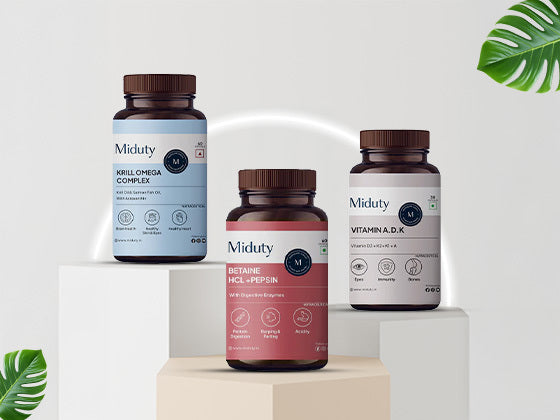
Topically applied or taken internally, turmeric can help alleviate hair loss due to hormonal disorders or autoimmune deficiency. To meet the body's nutrition needs, taking curcumin supplements are recommended. Few highly recommended supplements are:
-
Turmeric facilitates collagen formation, which reinforces hair structure and prevents split ends and breakage.
-
By stimulating circulation in the scalp, turmeric aids nutrient delivery to hair follicles, promoting growth and health.
-
Its natural pigmentation and detoxifying effects may also contribute to maintaining a healthy scalp tone and reducing buildup from styling products.
Adding turmeric root to your hair care regime, either by way of topical applications, supplements, or a good diet, can lead the way for fuller, healthier, and more robust hair. As a natural herbal treatment with its roots in Ayurvedic practices, turmeric presents a wholesome method of gaining fuller hair without chemicals or artificial additives.
Natural Stimulation of Hair Growth with Turmeric

Turmeric, a medicinal staple of Ayurvedic and traditional medicine, naturally promotes hair growth due to its rich curcumin content. It is a bioactive compound with powerful antioxidant and anti-inflammatory properties. Applied to the scalp, turmeric enhances blood flow to help hair follicles get more oxygen and nutrients necessary for healthy hair growth. Its anti-inflammatory effect calms the scalp, minimizing problems such as dandruff, scalp acne, and clogged pores that can slow down hair growth. Additionally, turmeric's antimicrobial properties ensure a healthy and clean scalp atmosphere, also encouraging maximum conditions for hair regrowth. Several studies further indicate that curcumin can inhibit the action of DHT, a hormone commonly associated with hair loss and male pattern baldness or female pattern baldness. Whether applied in do-it-yourself hair masks, infused oils, or herbal shampoos, turmeric is a chemical-free natural solution for rejuvenating the scalp and stimulating thicker, healthier hair. Adding turmeric to your hair care routine can be a holistic move toward healthy hair growth and growth over the long term.
Combatting Dandruff and Scalp Irritation Naturally

Turmeric is an effective natural treatment for dandruff and scalp inflammation due to its rich anti-inflammatory, antifungal, and antibacterial content. Curcumin, the active ingredient, soothes itching, minimizes flakiness, and calms irritated scalp conditions that cause dandruff. Turmeric addresses the underlying causes of scalp problems, including fungal infections, overproduction of oil, and clogged pores, by cleansing the scalp and healing its natural state. Its antioxidant effect also assists in repairing damage to the scalp by harsh chemicals or environmental aggressors. Used in the form of hair masks, turmeric-infused oils, or gentle herbal shampoos, it induces a healthier, cleaner scalp environment that dissuades dandruff recurrence. In contrast to chemical-containing treatments, turmeric provides a natural, side-effect-free solution to scalp care. With regular use, it can significantly reduce irritation, prevent flake buildup, and leave your scalp feeling refreshed and nourished. For anyone seeking a natural and effective solution to persistent dandruff, turmeric is a golden ingredient worth adding to your hair care routine.
Turmeric as a Natural Antioxidant for Hair Protection

Turmeric, rich in the powerful compound curcumin, acts as a natural antioxidant that helps protect hair from damage caused by free radicals, pollution, and environmental stress. Free radicals are unstable molecules that cause damage to hair follicles, trigger premature hair thinning, and cause inflammation on the scalp. Curcumin counteracts these harmful effects, protecting both the scalp and hair strands from oxidative stress. This protection not only guarantees healthier, stronger hair but also protects your locks' natural color and texture. Daily use of turmeric in hair care rituals, whether in DIY masks, herbal oils, or antioxidant shampoos, can mitigate breakage, enhance elasticity, and benefit overall scalp health. Furthermore, the detoxifying properties of turmeric remove buildup and toxins, enabling hair to grow in a cleaner, healthier environment. As a chemical-free, plant-based alternative, turmeric provides an effective and holistic method for protecting your hair from day-to-day damage. Taking turmeric as a natural antioxidant is a clever, eco-friendly move towards healthy, resilient-looking hair.
How to Use Turmeric in Your Hair Care Routine

Turmeric is a super-charged ingredient that can be easily incorporated into your hair care regime to fight scalp troubles, stimulate hair growth, and fortify strands from roots to ends. The most effective application method for turmeric is probably using homemade hair masks. Blending turmeric powder with foods such as yogurt, honey, or aloe vera makes for a protective scalp mask that focuses on reducing inflammation, dandruff, and bacterial accumulation. Apply the mask directly to your scalp, leave it for 20–30 minutes, and rinse with a mild shampoo. This process deeply conditions the scalp as well as opens up clogged pores, facilitating healthier hair growth. Another well-liked alternative is making turmeric-enriched hair oils. Mix turmeric with coconut or castor oil and use it as a scalp massage oil. WishCare Cold Pressed 100% Pure Castor Oil can be used. Not only does this stimulate blood flow, but it also brings antioxidant benefits directly to the follicles, mitigating oxidative damage and breakage.
For an easy yet effective method, turmeric can also be incorporated into your existing hair treatments. Mix a tiny pinch into your regular conditioner or shampoo to give them anti-inflammatory and antifungal properties. This treatment is particularly beneficial for those suffering from chronic dandruff or an itchy scalp. Also, turmeric water as a secondary wash after shampooing can detoxify the scalp and provide a natural shine. Because of its yellow inherent color, it is advisable to use it sparingly and do a patch test prior to avoid staining, particularly for lighter hair. Whether applied in oils, shampoos, or masks, turmeric provides a natural, chemical-free remedy for scalp and hair well-being over time, so it should be an essential in any natural hair care regime.
DIY Turmeric Hair Mask Recipes and Application Tips

Turmeric has become a popular natural hair care staple due to its potent anti-inflammatory, antifungal, and antioxidant properties. Applied to hair masks, turmeric cleanses the scalp, stimulates hair growth, and soothes dandruff and irritation, all while creating stronger, healthier strands. Here are three easy homemade turmeric hair masks that you can make at home to upgrade your scalp and hair wellness regimen.
1. Turmeric + Coconut Oil Scalp Treatment Mask: Combine 1 teaspoon of turmeric powder with 2 tablespoons of virgin coconut oil to make a calming scalp treatment; apply directly on the scalp, leave it on for 20–30 minutes, and wash off thoroughly to assist in alleviating inflammation and stimulating circulation.
2. Turmeric + Aloe Vera + Tea Tree Oil Clarifying Mask: Mix 1 teaspoon of turmeric with 2 tablespoons of aloe vera gel and 2–3 drops of tea tree oil; massage onto scalp, leave for 20 minutes, and shampoo thoroughly to combat dandruff, cleanse the scalp, and calm inflammation. For making this DIY mixture, WishCare Pure & Natural Aloe Vera Gel can be used.
3. Turmeric + Yogurt + Honey Hydration Mask: Mix 1 teaspoon of turmeric with 2 tablespoons of plain yogurt and 1 tablespoon of raw honey; apply from roots to ends, leave for 30 minutes, and shampoo well in order to hydrate the scalp, soothe irritation, and give shine to dry hair.
For optimal results, apply these turmeric hair masks once weekly and always conduct a patch test in advance to prevent sensitivity. Regular use of turmeric can change the health of your scalp naturally, setting the stage for thicker, healthier, and more beautiful hair.
Choosing the Right Form: Fresh Root, Powder, or Extract

Selecting the best type of turmeric, fresh root, powder, or extract, is essential to how well it works for scalp and hair health. All have different benefits, and knowing their differences will allow you to maximize the incredible anti-inflammatory, antioxidant, and healing abilities of turmeric. The trick is to pair the type of turmeric with your particular scalp conditions, home recipes, or formulaic products.
-
Raw turmeric root contains the most bioavailable nutrients in their natural form and is best used for homemade tonics and masks, but it stains more and has a limited shelf life.
-
Turmeric powder is the most convenient and adaptable form, best for DIY hair masks and scalp treatments; easy to keep in storage, mix, and measure, although less potent than raw root.
-
Turmeric extract (most commonly standardized to high curcumin levels) is most concentrated and powerful for addressing inflammation and hair follicle concerns; use best in scalp serums, supplements, or treatments.
By selecting the appropriate type of turmeric for your scalp treatment, you're able to unlock its healing power and customize its effects to your particular hair issues. Whether you're mixing a basic hair mask or applying a potency-extracted product in a serum, the optimal selection is what gives you that all-critical boost to a healthier scalp and more robust hair.
Frequency, Dosage, and Scalp Sensitivity Considerations

When adding turmeric to your scalp treatment routine, there are some key considerations about how much and how often to use it, as well as how to deal with potential sensitivity. Turmeric has potent anti-inflammatory and antifungal properties, but incorrect usage or too great a frequency can cause buildup or irritation. Paying attention to frequency, dosage, and skin sensitivity guarantees you get the benefits of turmeric without any unwanted side effects.
-
For the majority, use of turmeric-based hair or scalp treatment once a week is adequate. Excessive use can cause dryness or mild yellowing of the scalp, particularly in powder or extract forms.
-
Little goes a long way. Usually 1 teaspoon of turmeric powder or fresh root paste is sufficient for each mask or treatment. For extracts or serums, use product-specific dosage recommendations, typically a few drops in a carrier oil.
-
Turmeric has the potential to irritate or tingle, especially with sensitive scalp type. Always do a patch test prior to complete application, stay away from open sores or active breakouts, and try mixing turmeric with calming ingredients such as aloe vera, coconut oil, or yogurt to help minimize irritation.
By honoring the proper frequency, dosage, and sensitivity protocols, turmeric can be a safe and effective addition to your scalp care routine. Careful use allows you to experience its full value, from diminished inflammation and dandruff to enhanced hair growth, without upsetting scalp health.
Personalized Hair Care with Turmeric: Is It Right for You?

Turmeric is a potent natural treatment with many applications to the health of the scalp and hair growth, but as with any ingredient, it's not a one-size-fits-all solution. Whatever your issue - dandruff, inflammation, thinning hair, or just seeking to enhance overall scalp health, turmeric can be an asset in your hair care routine, if used with caution. Its antioxidant, antimicrobial, and anti-inflammatory features make it great at calming irritation, stimulating hair follicles, and keeping the scalp environment clean and balanced. That said, do keep in mind your hair type, condition of your scalp, and sensitivity first. Some people find turmeric too harsh alone and might find it helps to combine it with milder ingredients. Others like to use it extracted for more focused benefits. Just like any new treatment, patch test and be consistent. Personalized hair care is all about knowing your individual needs and selecting ingredients that complement your body. If turmeric is in line with your scalp aspirations, it can become your new favorite all-natural remedy for healthier, stronger hair.