


Many people depend on blow dryers, flat irons, and curling wands on a daily basis. However, regular use without sufficient care can result in irreversible hair damage. What's the problem? Heat styling alters the natural structure of the hair, which might have long-term consequences. In this blog, we'll look at the hidden dangers of overusing hair styling tools.
How Styling Tools Affect Your Hair Beyond Just Heat

Styling tools do more than just produce heat; they also impart stress, pressure, friction, and repetitive strain, which can slowly destroy your hair and scalp, even at modest temperatures.
-
Mechanical stress: Flat irons, curlers, hot brushes, round brushes with blow dryers, and straightening combs were among the tools used. Constant pulling weakened the hair shaft, particularly at the root. This can cause traction alopecia, or slow hair loss as a result of recurrent strain. Repetitive style may impair the normal growth cycle. Use light pressure, never tug on knots, and avoid heat styling on wet hair—it is at its weakest when wet.
-
Friction and surface damage: Friction and surface damage were caused by crimpers, curling wands, textured flat irons, and metal barrels. Clamping or twisting hair between plates causes repeated friction, which scratches the cuticle, the protecting outer layer. This produces rough texture, split ends, and dullness. Over time, hair becomes porous and frizzy. Choose tools with a ceramic or tourmaline coating, and always glide smoothly—no jerking movements.
-
Scalp irritation and sensitivity: Scalp irritation and sensitivity were treated with high-heat blow dryers, scalp-close flat irons, and stiff-bristled detangling brushes. Heat and friction near the roots can result in redness, dryness, and irritation. Long-term exposure can disturb the natural oil balance and damage follicles. Aggressive brushing or pulling might hurt the scalp's nerve endings. Use cool settings near the scalp and gently detangle with wide-tooth combs or flexible paddle brushes.
-
Electrical and material residue: Tools used included ancient or badly maintained styling tools. Burned product residue on plates might transfer toxins or particles to your hair. This results in a buildup that prevents moisture absorption and produces breakage or stink. Faulty wiring or hot instruments can cause unanticipated hair burns. Clean your tools regularly with a soft cloth and rubbing alcohol. Replace old tools every couple of years.
-
Shape memory disruption: Tools used for shape memory disruption included tight curlers, straighteners, and crimpers. Overuse of extreme shaping tools may lead hair to "forget" its natural curl or wave pattern. Over time, this causes texture loss, particularly in wavy or curly hair types. Repeated styling can also result in uneven curl patterns or frizz patches. To protect your pattern, use heatless style methods on occasion (like hair braids, rollers, or flexi rods).
The mechanical tool of brushes, combs, and clips

Styling tools do not have to be heated to cause harm. Brushes, combs, and clips can cause breakage, thinning, and even hair loss when used incorrectly or aggressively.
-
Brushes and combs: Brushing damp hair, which is the most fragile, causes strands to stretch and shatter. Tugging through knots damages the cuticle, resulting in split ends and frizz. Hard bristles or sharp comb teeth can hurt the scalp, causing irritation or micro-abrasions. Fine-toothed combs can create strain at the root, resulting in mechanical hair loss.
-
Hair clips, ties & accessories: Tight clips or elastic bands that tug on the roots can cause traction alopecia (hair loss due to repeated stress). Metal clips or unprotected elastics cut into the hair shaft, resulting in breakage where they sit. Keeping hair pulled back for long periods restricts blood flow to the follicles.
-
Cumulative micro-damage: Damage from styling equipment is typically gradual, making it easy to overlook until the hair becomes visibly thinner or frayed. Repetitive stress reduces the hair's tensile strength (the ability to stretch without breaking).When combined with additional conditions (such as heat, weather, or a bad diet), mechanical damage accelerates.
The not-so-obvious effects of tight ponytails and elastics

Wearing your hair in a smooth, tight ponytail may feel neat and attractive, but doing so on a regular basis can have a negative impact on your hair and scalp over time.
-
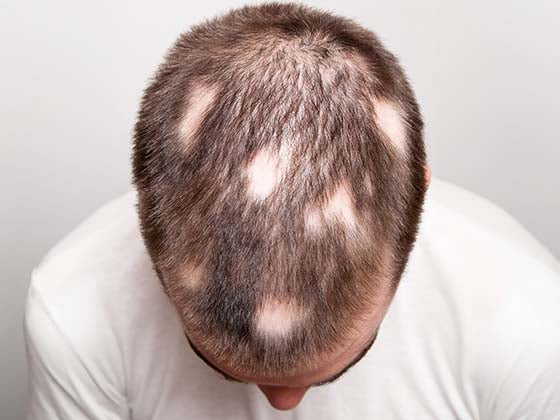
Traction alopecia: Hair loss is caused by chronic strain on the hair follicles. Pulling hair too firmly strains the follicle. Over time, this can result in receding hairlines, thinning at the temples, and even bald patches—particularly around the edges. People who wear ponytails, buns, or braids too tightly and too frequently. Children, dancers, and athletes with regular updos. People with fine, relaxed, or chemically treated hair.
-
Breakage at the tie point: You may notice a band of frizz or shorter hair strands near where your elastic normally sits. Elastics exert constant pressure and friction, causing the cuticle to break and deteriorate. Repeated tying and untying (particularly when rushed) causes snapping. Wet hair in a tight ponytail is especially sensitive since the strands are at their most elastic and delicate.
-
Scalp tension and headaches: Do you get root pain or soreness after wearing a ponytail all day? That is your scalp's method of indicating that it is under stress. Blood supply to the follicles is reduced. Tension on nerve endings results in discomfort or dull headaches. Chronic cases might impair scalp sensitivity and hair development.
-
Disrupted hair growth cycle: Repeated pulling might inflame the follicle, causing it to rest or shed. Delay or inhibit new hair growth in regions of constant strain. Hair density is thin in certain locations, such as the crown and hairline.
-
Fraying caused by the improper elastic: Elastic bands made of rubber or with exposed metal portions grab the hair excessively tightly, causing cuticle damage, friction-induced split ends, tangling, and knotting.
Scalp fatigue from frequent manipulation

Scalp fatigue is the overstimulation, tension, or inflammation of the scalp caused by repeated physical manipulation, such as styling, combing, rubbing, itching, or frequent product application. It can cause irritation and pain, decreased follicles, lower hair growth efficiency, and increased shedding or hair thinning over time. Common reasons for scalp weariness include:
-
Constant hairstyling: Daily hairstyles include tight buns, braids, ponytails, and updos. Switching styles several times per day.
-
Over-brushing or detangling: Pulling through knots too frequently or aggressively. Using the incorrect type of comb or brush.
-
Excessive scalp massage: Daily or forceful stroking. Applying strong pressure or nails.
-
Frequent washing or product use: Washing every day, especially with strong shampoos. Excessive usage of dry shampoo, leave-ins, or styling products. Constant application and removal of oils or serums.
-
Tension from accessories: Accessories that pull or compress the scalp, such as headbands, clips, extensions, and wigs, cause stress.
Hot Tools and Their Hidden Consequences

-
Protein breakdown: Hair is composed of keratin, which begins to degrade at temperatures exceeding 150°C (300°F). Many hot tools can reach temperatures as high as 450°F, damaging the structure from the inside out.
-
Cuticle cracking: High temperatures cause the outside cuticle layer to lift or crack, resulting in rough texture, a loss of natural luster, faster moisture loss, and more split ends. If your hair tangles more readily or appears dull despite conditioning, heat could be the cause.
-
Moisture zapping: Heat removes water from within the hair shaft, including natural moisture, not simply residual dampness. As a result, the hair has a dry, brittle texture, frizz, and static, and it is more likely to break under tension. Using hot tools on damp hair (unless specifically built for it, such as wet-to-dry stylers).
-
Heat fatigue: Even modest heat, when used regularly, gradually breaks down hydrogen bonds in hair. Over time, the strand is unable to "bounce back." The result is limp, lifeless hair that does not hold styles well, inconsistent curl patterns or texture changes, and decreased volume at the root.
-
Scalp trauma: Excessive heat near the scalp (particularly with flat irons and high-temperature blow-drying) can cause irritation, dryness, or peeling, as well as follicle stress, potentially delaying growth and causing oil overproduction in response to dryness.
-
Color and chemical treatment acceleration: Hot tools cause color-treated hair to fade faster by opening the cuticle too frequently. The result is a duller tone, particularly in blondes and reds, brassiness and uneven color, and a greater need for touch-ups.
Heat fatigue and protein degradation in strands

-
Protein degradation: Hair is composed of keratin, a strong fibrous protein bound together by disulfide, hydrogen, and salt bonds. High temperatures, particularly those beyond 300°F (150°C), have the potential to irrevocably destroy these connections. Structural proteins such as alpha-keratin unravel, resulting in decreased elasticity, loss of tensile strength, and an increased risk of snapping under pressure. Signs of protein degradation include hair that feels gummy or too flexible when wet, an unexpected inability to retain styles or volume, increased breakage despite deep conditioning, and split ends that occur faster than usual.
-
Heat fatigue: It is a type of cumulative damage induced by repeated heating and cooling cycles, which deplete the hair's ability to recover. A rubber band that has been stretched and released too many times can eventually lose shape, become slack, or snap easily. Hydrogen bonds (temporary-type bonds) are frequently broken and reset, which is acceptable on occasion—but regular repetition degrades the core structure. The cortex (middle layer of hair) loses resilience, and the hair no longer responds as well to style, dyeing, or hydration treatments. Curl pattern distortion or "limp waves", hair that appears flat and lifeless no matter what the product, longer drying time (porosity increases as internal structure breaks down), and variable texture across your head.
Moisture loss and cuticle cracks

-
Moisture Loss: Water molecules are naturally found inside the cortex of hair, which helps it stay elastic, soft, and flexible. When you use high heat (from flat irons, curling wands, or blow dryers), the moisture evaporates quickly—especially if the hair is damp to begin with. Water inside the strand turns into steam. If the hair is wet, steam pressure can tear the cuticle from the inside, resulting in "bubble hair" (small air pockets that damage the strand). Repeated heat styling dehydrates hair, even if it appears "styled."
-
Cuticle Cracks: The cuticle is the hair shaft's outermost coat, composed of overlapping cells similar to roof shingles. When subjected to heat above 300°F (150°C), the cuticle lifts, revealing the inner cortex, cracks or chips, resulting in gaps and split ends, and the hair is unable to reflect light, making it appear dull and frayed. Flat irons clamped too firmly or used without protectant, blow-drying without a heat shield or diffuser, hard brushing after heat style, and repeatedly heating already damaged strands.
Long-term signs of thermal damage

-
Chronic dryness: Even after deep conditioning, hair feels crispy, gritty, or straw-like, does not retain moisture—feels soft when wet, brittle when dry, and requires more regular product use to feel "normal". Heat has weakened the hair's intrinsic moisture-binding ability.
-
Loss of elasticity: Healthy hair should stretch somewhat before returning to its original shape. Damaged hair stretches and snaps instead of rebounding back, feels "gummy" or extremely stretchy when wet, and tangles easily due to loss of strength and rebound.
-
Altered natural texture or curl pattern: Curls become looser, limper, or uneven; wavy hair becomes frizzy or flat in particular parts; and hair loses its natural shape and no longer "air dry pretty"
-
Increased Porosity: Hair that absorbs water/products too rapidly and dries quickly is likely to be highly porous, which is an indication of heat damage. You may notice that color fades quickly, products "disappear" into the hair, and hair dries faster than it used to, but feels harsh.
-
Breakage, not simply shedding: Short, broken hairs at the crown, part line, or ends. Split ends that move up the strand (trichoptilosis) and hairs break mid-shaft while brushing or shaping.
-
Loss of shine and dull appearance: Even after product application, hair appears matte or fuzzy, light does not bounce well off the surface, and looks healthy for a day before fading to dull again.
-
Scalp pain or slower growth: The scalp feels tight, itchy, or sensitive—especially after styling—hair grows slower or thinner over time, and you detect less volume at the roots.
Is It Bad to Use Tools Daily? The Balance Myth

Using styling tools on a regular basis is not necessarily "bad," but it is harmful without proper habits. The important is not how frequently you use them, but how you use them. With the correct tools, techniques, and recovery care, you may establish a sustainable routine—but don't believe the illusion that balance alone cancels out damage.
Can hair adapt to daily styling?

-
Cumulative Damage: Repeated exposure to heat or strain creates gradual wear. The outer cuticle layer begins to split or peel, resulting in frizz, breakage, and thinning—especially without protection.
-
The "tougher" appearance can be misleading. Some people report that their hair "gets used to" daily style. What's happening is most likely a buildup of chemicals, silicone coatings, or heat damage that creates the illusion of smoother or more manageable hair—when, in reality, it's weakened over time.
-
Hair Type Matters: Coarse or thick hair may exhibit damage more slowly, but it is still susceptible. Fine or color-treated hair is more susceptible to apparent damage from daily heat.
-
Scalp Resilience May Decrease: Constant heat around the roots or tight hairstyles can irritate the scalp, impede healthy hair growth, and possibly contribute to follicle stress or hair loss over time.
How much is too much—even for non-heat tools?

Even without heat, excessive style, pulling, or manipulation can cause damage. The key is variety, moderation, and protection. Your hair thrives when it isn't constantly stressed.
Recovery rituals: Letting hair rest between routines

Just like your body requires rest after a workout, your hair requires time to recuperate from daily wear, particularly from styling, brushing, and environmental stress. These simple yet effective rituals can help restore strength, moisture, and balance to your strands.
-
Schedule no-styling days ("hair rest days"): Constant manipulation, even without heat, can damage hair over time. Giving your hair a rest allows natural oils to repair the scalp and strands. Choose 1-2 days each week with no style, brushing, or tying up. Embrace your natural texture by applying a mild leave-in to keep it soft and manageable. Wear it loose or in a low-tension style (such a braid or bun).
-
Deep condition weekly: Deep conditioners are used weekly to replace moisture, correct minor damage, and increase suppleness. Apply a deep conditioner or hair mask once a week. Apply after shampooing, cover with a shower cap or a warm towel, and leave for 20-30 minutes. Rinse with cool water to seal the cuticles.
-
Clarify and Detox: Occasionally, product buildup, grease, and pollutants can dull and irritate your hair and scalp. Every 2-4 weeks, apply a clarifying shampoo or make your own apple cider vinegar rinse. To prevent your hair from drying out, follow with a moisturizing conditioner.
-
Scalp Massage + Oil Treatment: Massaging the scalp improves circulation, promotes hair growth, and relaxes tight follicles after styling. Warm up a little amount of castor, jojoba, or coconut oil. Massage gently into your scalp with your fingertips for 5-10 minutes. Leave overnight, or rinse after a few hours.
-
Overnight Protection: Friction from pillows and dry indoor air might cause breaking when sleeping. Sleep with a silk or satin pillowcase. Wear a satin hat or scarf to preserve your hair overnight. To avoid tangles and friction, consider using a loose braid or twist.
-
Regular trims equal preventive recovery: Split ends, once created, only worsen. Trimming helps to prevent damage from spreading up the hair shaft. Trim every 6-10 weeks, depending on your hair type and style frequency.
Final Word: When Hair Styling Becomes Harmful

Hair styling can be a sign of self-expression, creativity, and confidence—but, as with anything else, balance is key. Hair styling becomes detrimental when it crosses the line from improvement to addiction, when breakage exceeds beauty, and when damage becomes the norm rather than the exception. Warning signs of doing too much:
-
Your ends are consistently frayed or splitting.
-
You use heat or tension on a daily basis to feel "presentable."
-
Your hair feels dry, brittle, or lifeless despite conditioning.
-
You notice thinning at the crown or edges.
These warning signs aren't a reason to panic—they're a reminder to pause, reassess, and rebuild a healthier approach.