



For many, achieving healthy hair can feel like an ongoing battle. Frequent washing can leave hair stripped and dull, while neglecting it can lead to a greasy, lacklustre appearance. The root of this dilemma often lies in the scalp itself.
Similar to facial skin, the scalp exhibits a range of unique characteristics. Identifying your specific scalp type – oily, normal, dry, or sensitive – is paramount to developing a targeted hair care regimen. This comprehensive guide will equip you with the tools necessary to perform a thorough scalp analysis. By understanding the specific needs of your scalp, you can select the most appropriate products and practices, promoting optimal scalp health and achieving your desired hair goals.
Understanding Scalp Types: The Key to Healthy Hair

For many, achieving optimal hair health can feel elusive. Frequent cleansing can leave hair parched and brittle, while neglecting it can result in a greasy, lack lustre appearance. This paradox often stems from a crucial, yet frequently overlooked, element: the scalp itself.
Similar to facial skin, the scalp exhibits a spectrum of unique characteristics. Accurately classifying and identifying scalp type – oily, normal, dry, or sensitive – is the cornerstone of developing a targeted hair care regimen. This comprehensive guide will serve as a roadmap to scalp analysis. By understanding the specific needs of your scalp, you can select the most appropriate products and practices, ultimately promoting a healthy scalp environment and fostering your desired hair goals.
Introduction to Scalp Health

Scalp health, frequently relegated to the background in discussions of hair care, serves as the cornerstone for achieving truly magnificent hair. Similar to the diverse needs of facial skin, the scalp exhibits a spectrum of characteristics – oily, dry, normal, or even sensitive. Discerning your specific scalp type and implementing targeted strategies to address its unique requirements is paramount. A healthy scalp, devoid of irritation and exhibiting optimal moisture balance, creates a flourishing environment for optimal hair growth and fosters overall hair health.
Importance of Identifying Your Scalp Type

Recognizing your scalp type is akin to deciphering the secret language of your hair. Just like different skin types require tailored skincare routines, your scalp thrives with a personalised approach. Identifying if your scalp is oily, dry, normal, or even sensitive; allows you to select the most effective products and practices. This targeted strategy ensures your scalp receives the optimal balance of moisture, nourishment, and cleansing, fostering a healthy environment for your hair to flourish. By understanding your scalp type, you can unlock the door to achieving your desired hair goals, whether it's enviable shine, manageable volume, or simply a comfortable, itch-free scalp.
Common Scalp Concerns and Their Causes

A healthy scalp forms the foundation for beautiful, thriving hair. However, various issues can disrupt this delicate ecosystem, leading to discomfort and impacting hair health. Here's a breakdown of some common scalp concerns and the factors that contribute to them:
1. Itchiness:
-
Dry Scalp: This is a frequent culprit behind itchy scalp. Reduced sebum production, often due to harsh shampoos, cold weather, or low humidity, leads to dryness and irritation, thereby causing pruritic, itchy scalp..
-
Seborrheic Dermatitis: This inflammatory condition causes red, itchy patches with flaky scales. It's thought to be linked to an overgrowth of yeast on the scalp that feeds on sebum, thereby causing a flaky scalp.
-
Scalp Psoriasis: This autoimmune condition can manifest on the scalp as red, itchy patches with thick, silvery scales. Stress, cold weather, and certain medications can exacerbate it.
-
Head Lice: These tiny parasitic insects feed on blood from the scalp, causing intense itching, especially at the back of the head and behind the ears.
-
Allergic Contact Dermatitis: This occurs when the scalp comes into contact with an irritant or allergen in hair products, dyes, or styling tools, triggering an itchy reaction.
2. Flaking (Dandruff):
-
Dry Scalp: As mentioned earlier, dry scalp often leads to excessive flaking of dead skin cells, commonly known as dandruff.
-
Seborrheic Dermatitis: Similar to itchiness, seborrheic dermatitis can also cause white or yellowish flakes to accumulate on the scalp and shoulders.
-
Scalp Psoriasis: The thick, silvery scales characteristic of scalp psoriasis are distinct from the finer flakes of dandruff.
3. Oiliness:
-
Seborrheic Dermatitis: While it may seem counterintuitive, seborrheic dermatitis can sometimes lead to an overproduction of sebum, resulting in a greasy scalp.
-
Hormonal Changes: Fluctuations in hormones, such as during puberty, pregnancy, or menstruation, can increase sebum production.
-
Diet: A diet high in saturated fats and processed foods may contribute to a greasy scalp.
-
Improper Hair Care: Using overly rich hair products or not cleansing frequently enough can trap oil on the scalp.
4. Sensitivity:
-
Fragrances and Chemicals: Harsh chemicals and strong fragrances in hair products can irritate a sensitive scalp.
-
Scalp Conditions: Existing scalp conditions like psoriasis or eczema can make the scalp more sensitive to external triggers.
-
Stress: Stress can worsen various scalp conditions, including sensitivity.
5. Hair Loss:
-
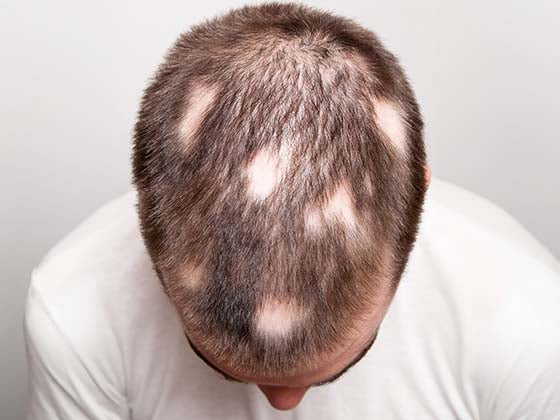
Androgenetic Alopecia (Male/Female Pattern Baldness): This is a genetic condition triggered by hormones and is the most common cause of hair loss.
-
Telogen Effluvium: This temporary hair loss can be caused by stress, illness, nutritional deficiencies, or hormonal changes.
-
Scalp Psoriasis: Inflammation associated with scalp psoriasis can damage hair follicles and contribute to hair loss.
-
Folliculitis: This inflammatory condition of the hair follicles can lead to patchy hair loss if left untreated.
Remember, this is not an exhaustive list, and some scalp concerns can have overlapping causes. If you experience persistent or severe scalp issues, it's advisable to consult a dermatologist for an accurate diagnosis and personalized treatment plan.
Assessing Your Scalp: How to Determine Your Scalp Type

In the realm of hair health, achieving optimal results hinges on a personalized approach, mirroring the principles employed in dermatology for facial skin. The cornerstone of this customization lies in accurately assessing your scalp type – oily, dry, normal, or sensitive. This initial evaluation empowers you to select the most efficacious products and practices, fostering a thriving scalp environment that lays the foundation for beautiful, flourishing hair.
Characteristics of an Oily Scalp

An oily scalp, a prevalent concern, presents a unique set of challenges for hair care professionals and clients alike. Characterized by an overproduction of sebum, the scalp's natural oil, it manifests in a series of telltale signs.
1. Visual Indicators:
-
Greasy Sheen: The most striking characteristic is a visible oily sheen on the scalp, particularly noticeable in the vertex and frontal regions. Hair strands themselves may appear clumped and greasy, especially at the root.
-
Flat Hair: The excess sebum weighs down hair, leading to a flat, lifeless appearance even shortly after washing. Hair loses its natural volume and struggles to maintain style.
2. Tactile Cues:
-
Slick Sensation: Running fingers through the hair reveals a greasy, slick texture, a stark contrast to the healthy scalp's dry, slightly rough feel.
-
Frequent Cleansing: The need for frequent washing, sometimes daily, becomes a necessity to combat the persistent greasy feeling.
3. Potential Discomforts:
-
Occasional Itchiness: While less common, some individuals may experience occasional itching due to irritation from trapped oil and potential overgrowth of yeast that thrives on sebum.
Signs of a Dry Scalp

A dry scalp, a common concern, can be a source of annoyance and discomfort. It manifests in a series of signs that can disrupt your hair care routine and impact the overall appearance of your hair. Let's delve into the key characteristics that point towards a dry scalp:
1. Visual Indicators:
-
Flaking: The most widely recognized sign is the presence of visible flakes of dead skin cells on the scalp and often scattered across the shoulders. These flakes tend to be smaller and whiter compared to the larger, oilier flakes associated with dandruff.
-
Dull Hair: Dryness can rob hair of its natural shine and luster, leaving it looking dull and lifeless. Hair may also appear brittle and prone to breakage.
2. Textural Signs:
-
Roughness: The scalp itself feels rough and dry to the touch, in contrast to the smooth texture of a healthy scalp.
-
Brittle Hair: Hair strands feel dry and brittle, lacking elasticity and prone to snapping or splitting.
3. Potential Discomforts:
-
Itchiness: The hallmark discomfort associated with a dry scalp is intense itchiness. This can be exacerbated by scratching, leading to irritation and even sores on the scalp.
-
Tightness: A dry scalp can feel tight and uncomfortable, especially in colder weather or after using harsh hair products.
Recognizing a Normal Scalp

A normal scalp, the holy grail of hair health, often goes unnoticed. It functions flawlessly, providing the perfect foundation for healthy, beautiful hair. Here's what sets a normal scalp apart:
1. Visual Signs:
-
Balanced Appearance: There's no excessive oiliness or visible dryness. The scalp appears clear and free of flakes or redness.
2. Textural Signs:
-
Smoothness: The scalp feels smooth and supple to the touch, devoid of any roughness or tightness.
-
Hair Vitality: Hair appears healthy and vibrant, with a natural shine and good elasticity. It's neither greasy nor excessively dry, but rather manageable and easy to style.
3. Comfort:
-
Absence of Discomfort: A normal scalp is itch-free and comfortable. There's no tightness or irritation.
4. Overall Health:
-
Optimal Hair Growth: Hair grows at a healthy rate and experiences minimal shedding.
Understanding a Combination Scalp

A combination scalp, just like combination skin, presents a unique set of challenges. It's characterised by having areas that exhibit characteristics of both oily and dry scalps, often coexisting on the same head. Here's how to identify this multifaceted scalp type:
1. Visual Clues:
-
Oily Roots & Dry Ends: This is the most common sign. The scalp at the roots, particularly around the crown and hairline, appears oily and may show a greasy sheen. Conversely, the hair towards the ends appears dry, dull, and may even have split ends.
-
Flaking: While not as prominent as with a purely dry scalp, some flaking might be present, especially towards the drier lengths. These flakes are likely to be smaller and finer compared to dandruff.
2. Textural Signs:
-
Oily Feel at Roots, Dry Feel at Ends: Running your fingers through the hair reveals a greasy sensation at the roots, transitioning to a dry, rough texture towards the ends.
-
Brittle Hair Ends: Hair strands, particularly at the ends, feel dry and brittle, lacking elasticity and prone to breakage.
3. Potential Discomforts:
-
Occasional Itchiness: The scalp, especially in the drier areas, might experience occasional itchiness. This can be exacerbated by scratching or harsh hair products.
Nurturing Your Scalp: Tailoring a Care Routine for Your Scalp Type

A nourished scalp lays the groundwork for magnificent hair. Discerning your specific scalp type – oily, dry, normal, or even a combination – is paramount. This crucial knowledge empowers you to tailor a personalised care regimen. By meticulously selecting the most efficacious products and practices, you can cultivate a balanced scalp environment that fosters optimal hair growth and promotes overall hair health. Remember, a thriving scalp serves as the cornerstone for truly exceptional hair. Continue reading to know more about scalp care routine.
Scalp Care Basics: Cleansing and Hydration
Cleansing and scalp hydration are the cornerstones of effective scalp care, creating an optimal environment for healthy hair growth. Here's a deeper dive into these essential practices:
1. Cleansing:
-
Frequency: The ideal cleansing frequency depends on your scalp type. Oily scalps may benefit from daily washing, while normal scalps might thrive with every other day washes. Dry scalps should be cleansed less frequently (2-3 times a week) to avoid stripping away natural oils.
-
Choosing the Right Shampoo: Opt for gentle shampoos formulated for your specific scalp type. Avoid harsh sulfates that can be drying and irritating. Look for ingredients that address your concerns, such as salicylic acid for dandruff or hydrating ingredients like aloe vera for dry scalps.
-
Proper Technique: Focus on cleansing the scalp, not just the hair. Massage the shampoo gently into your scalp with your fingertips to loosen dirt, oil, and product buildup. Rinse thoroughly with lukewarm water to avoid leaving residue.
2. Hydration:
-
Importance of Moisture: A well-hydrated scalp is essential for healthy hair growth. It prevents dryness, flakiness, and itchiness.
-
Hydrating Shampoos and Conditioners: Look for shampoos and conditioners containing moisturising ingredients like hyaluronic acid, glycerin, or panthenol. These ingredients help attract and retain moisture in the scalp.
-
Deep Conditioning: Treat your scalp to a deep conditioning treatment once or twice a week, especially if you have dry hair or scalp. Deep conditioners penetrate deeper than regular conditioners, providing a boost of scalp hydration.
-
Scalp Oils: Natural oils like jojoba oil or coconut oil can be massaged into the scalp to promote moisture retention. However, use them sparingly, especially if you have an oily scalp, as they can clog pores.
3. Additional Tips:
-
Lukewarm Water: Avoid washing your hair with hot water, as it can strip away natural oils and irritate the scalp. Opt for lukewarm water for both cleansing and rinsing.
-
Scalp Massages: Regular scalp massages improve circulation, which can promote hair growth and overall scalp health.
-
Diet and Hydration: Staying hydrated by drinking plenty of water and maintaining a balanced diet rich in essential nutrients also contributes to scalp health.
By incorporating these cleansing and hydration practices into your hair care routine, you can create a healthy scalp environment that fosters beautiful, healthy hair growth. Remember, consistency is key! With a little effort, you can create a healthy foundation for your best hair yet.
Choosing the Right Products for Your Scalp

Selecting the right hair care products requires deciphering labels and understanding your specific needs. Here's a guide to choosing the perfect products for your unique scalp type:
1. Oily Scalp:
-
Shampoo: Look for gentle, clarifying shampoos formulated for oily hair. These often contain ingredients like salicylic acid, tea tree oil, or zinc pyrithione, which help regulate sebum production and combat dandruff. Sebamed Anti-Dandruff Shampoo and Dandel Plus Anti Dandruff Shampoo are great recommendations.
-
Conditioner: Opt for lightweight conditioners formulated for oily hair. Apply the conditioner only to the mid-lengths and ends of your hair, avoiding the scalp to prevent weighing it down. Look for ingredients like nettle extract or peppermint oil, which can provide a cooling sensation and help control oiliness. PHILIP B has great products containing the same ingredients.
2. Dry Scalp:
-
Shampoo: Choose gentle, moisturizing shampoos formulated for dry hair. These often contain hydrating ingredients like hyaluronic acid, glycerin, or panthenol. Avoid harsh sulfates that can be drying and stripping. Sesderma Sebovalis Shampoo is a great recommendation.
-
Conditioner: Use a richer conditioner formulated for dry hair. Apply it generously to the mid-lengths and ends, and you can even lightly massage a small amount onto the scalp for extra moisture. Look for ingredients like shea butter, coconut oil, or aloe vera, which provide deep scalp hydration. Seren Nutri-Repair Conditioner has all the required ingredients that deeply nourishes dry hair.
3. Normal Scalp:
-
Shampoo: You have the most flexibility! Choose a gentle shampoo formulated for normal hair. Look for ingredients that cleanse without stripping, such as coconut-based cleansers or mild sulphates such as Aclaris Follicapil Shampoo.
-
Conditioner: Opt for a lightweight conditioner that hydrates without weighing down your hair. You can also use a leave-in conditioner for added moisture and manageability.
4. Sensitive Scalp:
-
Shampoo: Select a fragrance-free, hypoallergenic shampoo formulated for sensitive scalps. These shampoos are gentler and less likely to cause irritation. Look for soothing ingredients like oatmeal or aloe vera as found in Philip B Forever Shine Shampoo.
-
Conditioner: Similar to the shampoo, choose a fragrance-free, hypoallergenic conditioner. Apply it only to the mid-lengths and ends of your hair to avoid irritating the scalp.
In addition, follow certain basic guidelines like:
1. Read Labels Carefully: Pay close attention to the ingredients list and choose products formulated for your specific scalp type and concerns.
2. Less is More: Avoid overusing products, as this can build up on your scalp and clog pores.
3. Patch Test: Before using a new product, especially on a sensitive scalp, do a patch test on a small area of your inner arm to check for any allergic reactions.
4. Consult a Dermatologist: If you have any persistent scalp concerns or are unsure about which products to choose, consult a dermatologist for personalized advice.
By understanding your scalp type and choosing the right products, you can create a targeted hair care routine that nourishes your scalp and promotes healthy, beautiful hair growth.
Natural Remedies for Scalp Health

While store-bought products can be effective, nature offers a treasure trove of ingredients to promote scalp health. Here are some natural remedies you can incorporate into your routine:
1. Soothing Itch and Inflammation:
-
Aloe Vera: This succulent plant possesses anti-inflammatory and moisturising properties. Apply fresh aloe vera gel directly to the scalp for relief from itchiness and irritation.
-
Apple Cider Vinegar: Diluted apple cider vinegar (ACV) can help balance scalp pH and remove product buildup. Mix 1 tablespoon ACV with 1 cup water and use it as a final rinse after shampooing. Remember to dilute it properly to avoid irritation.
2. Combating Dryness:
-
Coconut Oil: This nourishing oil is rich in fatty acids that provide deep hydration. Massage coconut oil into the scalp before shampooing to combat dryness and promote a healthy scalp environment.
-
Avocado Oil: Another excellent source of moisture, avocado oil is lightweight and easily absorbed by the scalp. Apply it directly to the scalp or mix it with your favourite carrier oil for a DIY scalp massage treatment.
3. Promoting Scalp Health:
-
Green Tea: Green tea is not just a delicious beverage; it's also rich in antioxidants that can benefit scalp health. Steep a green tea bag in hot water, let it cool, and use it as a final rinse to promote a healthy scalp.
-
Tea Tree Oil: This essential oil has potent antibacterial and antifungal properties. Dilute a few drops of tea tree oil in a carrier oil like coconut oil and massage it into the scalp to combat dandruff and promote a healthy scalp microbiome.
4. Important Considerations:
-
Patch Testing: Before applying any new ingredient directly to your scalp, perform a patch test on a small area of your inner arm to check for allergic reactions.
-
Consult a Dermatologist: If you have any pre-existing scalp conditions or experience any irritation, consult a dermatologist before using natural remedies.
-
Consistency is Key: For optimal results, use these natural remedies consistently as part of your hair care routine.
Remember, natural remedies can be a wonderful complement to your existing hair care routine. By embracing the power of nature, you can nurture your scalp and promote healthy, beautiful hair.
Addressing Scalp Concerns: Tips and Treatments for Various Scalp Types

Ignoring scalp woes like itchiness, dryness, or oiliness isn't just uncomfortable, it can hinder hair growth and overall health. A healthy scalp is the foundation for beautiful hair! Addressing these concerns with targeted tips and treatments for your specific scalp type (oily, dry, normal, or sensitive) can lead to a thriving scalp environment that fosters strong, healthy, and manageable hair.
Managing Oiliness: Tips for an Oily Scalp

An oily scalp, while common, can be a source of frustration. The constant greasy feeling and visible shine can be a confidence-crusher. But fear not, there are effective strategies to combat oiliness and achieve a healthy scalp balance. Here's a breakdown of key tips to manage an oily scalp:
1. Washing Wisely:
-
Frequency: Wash your hair regularly, but don't overdo it. Depending on your activity level and hair texture, daily or every other day washes might be necessary.
-
Shampoo Selection: Ditch harsh shampoos that strip away natural oils, leading to an overproduction response. Opt for gentle, clarifying shampoos formulated for oily hair. Look for ingredients like salicylic acid, tea tree oil, or zinc pyrithione, which help regulate sebum production and combat dandruff.
-
Lather Logic: Focus on cleansing the scalp, not just the ends. Massage the shampoo gently into your scalp to loosen dirt, oil, and product buildup. Rinse thoroughly with lukewarm water to avoid leaving residue.
2. Conditioning Cautiously:
-
Less is More: Heavy conditioners can weigh down oily hair. Apply a lightweight conditioner only to the mid-lengths and ends, avoiding the scalp altogether.
3. Lifestyle Modifications:
-
Diet: Monitor your diet. Sugary and processed foods can exacerbate oiliness. Consider incorporating omega-3 fatty acids, found in fatty fish and flaxseeds, which can promote scalp health.
-
Stress Management: Stress can worsen oil production. Practice stress-reduction techniques like yoga or meditation for a calmer mind and a healthier scalp.
-
Touch-Up Techniques: Dry shampoo is your best friend! Use it between washes to absorb excess oil and refresh your hair. Apply it directly to the roots, focusing on oily areas, and massage it in gently before brushing or tousling your hair.
-
Hot Water Woes: Avoid washing your hair with hot water, as it can stimulate oil production. Opt for lukewarm water for both scalp cleansing and rinsing.
4. Considering Treatments:
-
Scalp Scrubs: Exfoliating your scalp with a gentle scrub once or twice a week can remove dead skin cells, product buildup, and excess oil. This can promote a healthy scalp environment and improve product penetration.
-
Dermatologist Consultation: For persistent oiliness, consult a dermatologist. They can diagnose underlying causes and recommend additional treatments such as medicated shampoos for scalp treatments.
By incorporating these tips and treatments into your hair care routine, you can effectively manage oiliness and achieve a healthier, more balanced scalp environment. Remember, consistency is key! With a little effort, you can say goodbye to the greasy feeling and embrace a fresh, confident look.
Alleviating Dryness: Solutions for a Dry Scalp

A dry scalp, characterised by itchiness, flaking, and a dull appearance, can be a persistent annoyance. But fear not! By implementing the right strategies, you can transform your dry scalp into a healthy, hydrated haven for beautiful hair growth. Here's a breakdown of effective solutions to alleviate dryness:
1. Moisturising is the key:
-
Hydrating Shampoos and Conditioners: Swap harsh, stripping shampoos for gentle, moisturising formulas designed for dry hair. Look for ingredients like hyaluronic acid, glycerin, or panthenol, which attract and retain moisture in the scalp. Richer conditioners formulated for dry hair are your friend! Apply them generously to mid-lengths and ends, and consider a light application to the scalp for extra moisture.
-
Deep Conditioning Treatments: Treat your scalp to a deep conditioning mask once or twice a week. These penetrate deeper than regular conditioners, providing a much-needed boost of hydration. Choose masks rich in natural oils and emollients.
-
Natural Oils: Natural oils like jojoba oil, coconut oil, or avocado oil can be massaged into the scalp before shampooing. These oils provide deep hydration and lock in moisture, leaving your scalp feeling soothed and nourished.
2. Gentle Cleansing and Scalp Care:
-
Washing Frequency: Wash your hair less frequently (2-3 times a week) to avoid stripping away natural oils. Lukewarm water is gentler than hot water, which can be drying.
-
Scalp Massages: Regular scalp massages improve circulation, promoting scalp health and hair growth. Massage your scalp gently with your fingertips in circular motions for a few minutes daily. You can even incorporate your chosen natural oil during the massage.
-
Avoid Harsh Styling Practices: Limit the use of heat styling tools like blow dryers and straighteners, as they can further dry out your scalp. If you must use them, apply a heat protectant spray beforehand.
3. Lifestyle Modifications:
-
Hydration Matters: Drinking plenty of water throughout the day is crucial for overall health, including scalp health. Aim for 8 glasses of water daily.
-
Dietary Choices: A balanced diet rich in essential fatty acids, vitamins, and minerals nourishes the scalp from within. Include omega-3 fatty acids (found in fatty fish and flaxseeds) and vitamin A-rich foods (like carrots and sweet potatoes) in your diet.
-
Stress Management: Stress can exacerbate scalp dryness. Practice stress-reduction techniques like yoga or meditation for a calmer mind and a healthier scalp.
4. Additional Tips:
-
Scalp Scrubs (with Caution): While scalp scrubs can help remove dead skin cells and product buildup, use them sparingly (once a week) for dry scalps, as they can be stripping. Choose a gentle scrub formulated for sensitive scalps.
-
Humidifier: Using a humidifier, especially in dry climates or during winter, can add moisture to the air and help alleviate scalp dryness.
5. Considering Treatments:
-
Dermatologist Consultation: If your dry scalp persists despite these efforts, consult a dermatologist. They can diagnose underlying causes (like eczema or psoriasis) and recommend more targeted treatment options like medicated shampoos or topical ointments.
By embracing these solutions and incorporating them into your hair care routine, you can effectively combat dryness and create a healthy, balanced scalp environment for beautiful, healthy hair growth. Remember, consistency is key! With a little effort, you can say goodbye to the flakes and hello to a comfortable, hydrated scalp.
Balancing Act: Strategies for a Combination Scalp

A combination scalp, like combination skin, presents unique challenges. It exhibits characteristics of both oily and dry scalps, often co-existing on the same head! This can lead to a frustrating mix of greasiness at the roots and dryness towards the ends. Fear not, for there are strategies to navigate this two-faced terrain and achieve a balanced scalp environment.
1. Targeted Cleansing is Key:
-
Shampoo Selection: Ditch one-size-fits-all shampoos. Opt for a gentle shampoo suitable for all hair types. Consider using a clarifying shampoo once or twice a week on the oilier roots only. Look for ingredients that control oil, like salicylic acid, without being overly drying.
-
Double Cleansing (Optional): This technique involves using two different shampoos in one wash. First, cleanse the entire scalp with a gentle shampoo. Then, follow with a clarifying shampoo applied only to the oily roots. Rinse thoroughly after each step.
2. Conditioning with Care:
-
Lightweight is the Way to Go: Heavy conditioners can weigh down oily roots. Choose a lightweight conditioner formulated for normal to dry hair.
-
Strategic Application: Apply conditioner only to the mid-lengths and ends, avoiding the scalp entirely. This helps hydrate dry ends without exacerbating oiliness at the roots.
3. Addressing Specific Concerns:
-
Dry Ends: Deep conditioning treatments once or twice a week specifically target dry ends. Look for masks rich in natural oils and emollients for intense hydration.
-
Oily Roots: Scalp scrubs can be helpful for combination scalps. Use a gentle scrub once a week on the oilier root area only to remove excess oil and product buildup.
4. Lifestyle Modifications:
-
Hydration is Crucial: Drinking plenty of water throughout the day promotes overall health, including scalp health.
-
Balanced Diet: A balanced diet rich in essential fatty acids, vitamins, and minerals nourishes the scalp from within. Include omega-3 fatty acids and vitamin A-rich foods in your diet.
-
Stress Management: Stress can worsen scalp issues. Practice stress-reduction techniques like yoga or meditation for a healthier scalp and overall well-being.
5. Additional Tips:
-
Apple Cider Vinegar Rinse (Diluted): Dilute apple cider vinegar (ACV) with water and use it as a final rinse after shampooing. ACV helps balance scalp pH and remove product buildup, which can benefit both oily and dry areas. Remember to dilute it properly to avoid irritation.
-
Heat Styling with Caution: Limit the use of heat styling tools and always apply a heat protectant spray beforehand to minimize drying, especially on the ends.
-
Consult a Dermatologist: If your combination scalp presents persistent problems, consult a dermatologist. They can diagnose underlying causes and recommend tailored treatment plans.
By implementing these strategies and tailoring your hair care routine to address both oily and dry areas, you can achieve a balanced scalp environment. Remember, consistency is key! With a little effort, you can create a happy medium for your scalp, promoting healthy hair growth from root to tip.
Soothing Sensitivity: Care for a Sensitive Scalp

A sensitive scalp can be a source of constant discomfort – itching, burning, and irritation can make even the simplest hair care routine a challenge. But fear not, there are ways to soothe the sensitivity and achieve a calmer, more comfortable scalp. Here's a roadmap to gentle yet effective care for your sensitive scalp:
-
Ditch the multi-step hair care regimens and harsh styling products. Opt for a simple, fragrance-free routine with gentle products specifically formulated for sensitive scalps.
-
Avoid sulfates, parabens, and alcohols, which are common irritants found in many shampoos and conditioners. Look for labels that say "hypoallergenic" or "fragrance-free."
-
Hot water can further irritate a sensitive scalp. Opt for lukewarm water for both scalp cleansing and rinsing.
-
While scalp massages can improve circulation, be gentle and avoid harsh scrubbing, which can aggravate sensitivity.
-
If you need to remove product buildup, choose a gentle clarifying shampoo formulated for sensitive scalps. Use it sparingly (once every two weeks or less) and focus only on the scalp, avoiding the lengths.
-
Look for shampoos and conditioners formulated for sensitive scalps that contain soothing ingredients like oatmeal, aloe vera, or calendula. These ingredients help calm irritation and provide gentle hydration.
-
Natural oils like jojoba oil or chamomile oil can be soothing and moisturizing for sensitive scalps. However, do a patch test on a small area of your inner arm before applying them directly to your scalp to check for allergic reactions.
-
Certain foods can trigger scalp sensitivity. Consider keeping a food diary to identify potential triggers and eliminate them from your diet. Common culprits include dairy, gluten, and spicy foods.
-
Stress can worsen scalp sensitivity. Practice stress-reduction techniques like yoga or meditation for a calmer mind and a healthier scalp.
-
Wear a hat or scarf to protect your scalp from harsh weather conditions like wind, sun, and cold.
Remember, consistency is key! Sticking to a gentle, fragrance-free routine and addressing any underlying triggers can help create a calmer, more comfortable scalp environment. With a little effort, you can achieve a healthy scalp that feels as good as it looks.
Embracing Healthy Scalp Habits: Tips for Overall Scalp Wellness

Often overlooked, the scalp plays a vital role in achieving beautiful, healthy hair. Just like tending a garden yields vibrant blooms, embracing healthy scalp habits cultivates a thriving environment for optimal hair growth. Ignoring scalp concerns goes beyond aesthetics. Itchy, flaky, or irritated scalps can be a constant source of discomfort and even hinder hair growth. A healthy scalp, on the other hand, provides the ideal foundation for strong, manageable, and lustrous hair.
The key lies in a holistic approach. Gentle cleansing with shampoos formulated for your specific scalp type (oily, dry, normal, or sensitive) removes dirt and product buildup without stripping away natural oils. Targeted treatments, like scalp scrubs for oiliness or deep conditioners for dryness, address specific concerns. Diet and stress management also play a crucial role. Staying hydrated and incorporating essential nutrients into your diet nourishes the scalp from within. Similarly, stress reduction techniques like yoga or meditation can help minimise scalp issues.
Lifestyle Factors Impacting Scalp Health

Your scalp's health goes beyond just genetics. Daily habits like stress, diet, and even sleep can impact its delicate ecosystem. Spicy foods might trigger irritation, while staying hydrated nourishes hair follicles. Prioritise a balanced diet, manage stress, and get enough sleep to create a healthy foundation for beautiful hair.
Incorporating Scalp Massages into Your Routine

Integrating scalp massages into your hair care routine offers a surprising wealth of benefits. These gentle manoeuvres stimulate blood flow to the scalp, promoting the delivery of essential nutrients and oxygen to hair follicles. This improved circulation can contribute to healthier hair growth and a stronger scalp environment. Additionally, scalp massages can provide a sense of relaxation and stress reduction, which can further benefit overall scalp health. Consider it a non-invasive, time-efficient investment in the well-being of your hair and scalp.
Final Thoughts on Maintaining a Healthy Scalp

A healthy scalp isn't a luxury, it's the foundation for beautiful, thriving hair. By prioritising gentle cleansing, targeted treatments, and a holistic approach that incorporates diet, stress management, and scalp massages, you can cultivate a thriving scalp environment. Remember, a healthy scalp isn't just about aesthetics; it's about comfort, well-being, and creating the perfect platform for strong, healthy hair growth. So, take care of your scalp, and it will reward you with hair that shines from the root up.