The Science Behind Hybrid Sunscreens and Why They Work So Well
In today’s world, sun protection can be considered one of the most crucial elements of a proper skincare routine. Applying sunscreen is a must-have part of your daily routine since the sunscreen performs numerous protective purposes, such as protecting your skin against the harmful impact of the sunburn, fighting against aging signs, and the chances of skin cancer are significantly decreased. There are many sunscreens that are currently on the market is enormous, and it may be overwhelming to find the one that fits your lifestyle and your type of skin. This article will discuss the new breed of hybrid sunscreens, their special formulations, and advantages, and enable you to make the right choice in regards to your skincare.
What Are Hybrid Sunscreens?
Hybrid sunscreens are a new generation of sun protection formulas that combine both physical and chemical UV filters, providing your skin with the best of both worlds.
The mineral sunscreens that have traditionally been used consist of chemicals such as zinc oxide or titanium dioxide that lie on the surface of the skin and physically reflect harmful rays of the UV. They are soft and are suitable for sensitive skin, but they might produce a white cast or be formal.
Hybrid sunscreens blend these two technologies, mineral and chemical sunscreen, to create a balanced, skin-friendly formula that offers:
-
Gives protection from both UVA and UVB rays
-
A non-greasy and lightweight formula
-
No white cast for all skin tones
-
Gentle, long-lasting protection suitable for daily use
In short, hybrid sunscreens give you the strength and comfort of both worlds, effective sun defense without compromising on texture or skin compatibility.
How Do Hybrid Sunscreens Work? The Science Behind Their Formulation
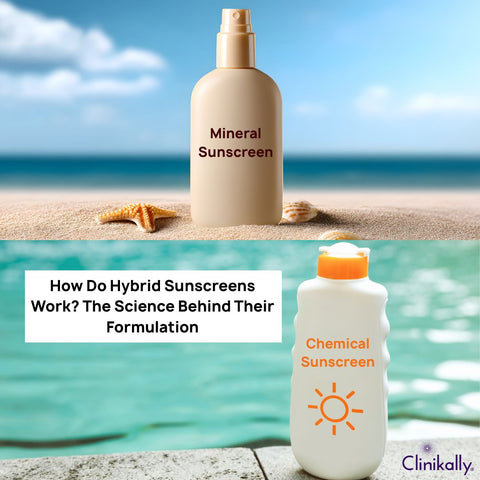
Hybrid sunscreens combine physical and chemical UV filters to maximize protection, comfort, and cosmetic appeal. Let's look at how they function and what goes into creating them.
Dual mechanism of hybrid sunscreens:
Mineral Filters (Physical): Ingredients such as zinc oxide and titanium dioxide, which reflect and scatter UV light off the skin's surface. Immediate protection, excellent UVA coverage, and low irritation risk.
Chemical filters: Ingredients include avobenzone, octocrylene, octinoxate, Tinosorb S, and Uvinul A Plus. It absorbs UV light and converts it to non-damaging heat. Pros are Lightweight, translucent, and mix well.
Hybrid formulas: The hybrid sunscreens are mixtures of the mineral and chemical sunscreens to reflect certain UV radiation and absorb as well as neutralize the rest. This forms multilayer protection, which is physically blocking and molecularly neutralizing.
Science behind formulation: The development of a hybrid sunscreen requires a proper approach to formulation science, as certain chemical filters (like avobenzone) are not stable in sunshine. Chemical components can be made more photostable with the help of minerals like zinc oxide.
Key Ingredients in Hybrid Sunscreens
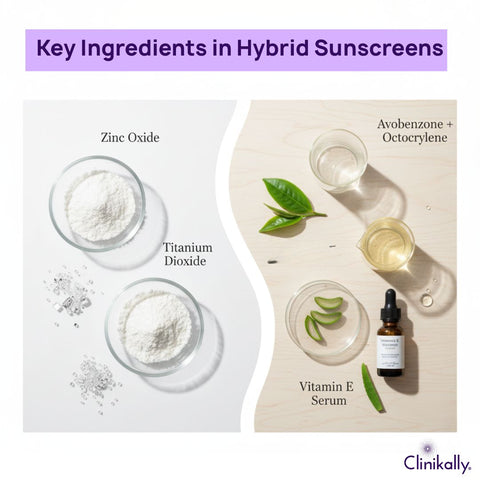
Hybrid sunscreens combine mineral and chemical UV filters with additional chemicals to give broad-spectrum protection, skin friendliness, and an attractive finish. Here's a breakdown of the key ingredients:
-
Zinc Oxide: Zinc oxide is a general-purpose mineral UV filter, which reflects and scatters dangerous UVA and UVB radiation. This is reputed to be mild on sensitive skin and is thus suitable for use by those who are likely to have redness or are acne-prone. Zinc oxide, which is used in a hybrid formula, offers the physical barrier that defends your skin immediately when applied.
-
Titanium Dioxide: The other mineral ingredient is titanium dioxide, which is used to prevent UVB rays and short UVA rays. It is light and not likely to create a white cast like older formulations of the sunscreens that contain minerals alone. In hybrids, it is used to supplement the sun defense of the chemical filter, besides increasing the texture and wearability.
-
Avobenzone: Avobenzone is among the most widespread chemical filters available to absorb UVA rays, the rays that are the cause of premature aging and deep skin damage. It is long-lasting with UVA protection and stabilized in hybrid formulations with other ingredients to avoid difficulties in maintaining its effectiveness during the day.
-
Octocrylene: Octocrylene is a UVB-absorber, in addition to stabilizing avobenzone to increase the overall effectiveness of the sunscreen. It helps to give it a more water-resistant feel, and that is one reason why hybrid sunscreens usually feel more comfortable and last longer on the face than pure mineral ones.
-
Antioxidants: Many hybrid sunscreens also include antioxidants like vitamin C, vitamin E, green tea extract, or niacinamide. These help combat free radical damage caused by sun exposure, pollution, and blue light, providing an added layer of defense for healthier-looking skin.
-
Moisturizing and Soothing Agents: To balance protection with skin comfort, hybrid sunscreens often include hydrating ingredients such as hyaluronic acid, glycerin, and aloe vera. These prevent dryness and ensure your skin feels soft, smooth, and non-sticky even after hours of wear.
Benefits of Using Hybrid Sunscreens
Hybrid sunscreens are generally popular in modern skincare, and for good reason. Because in this mineral and chemical, UV filters are combined, they provide an effective combination of protection, comfort, and versatility. Here's a brief on why they are so beneficial:
-
UV protection: Hybrid sunscreens combine the surface-reflective effect of mineral filters with the UV-absorbing ability of chemical filters. This provides complete protection from both UVA and UVB rays.
-
Lower irritation risk: Because hybrid formulas contain smaller quantities of each filter type, they are often softer on the skin. It is ideal for sensitive, reactive, or acne-prone skin that cannot withstand large concentrations of chemical filters.
-
Improved cosmetic elegance: Hybrid sunscreens are less sticky, mix better, and leave less of a white cast than classic mineral sunscreens. This makes them particularly suitable for deeper skin tones and under makeup.
-
Enhanced photostability: Chemical filters, such as avobenzone, deteriorate in sunlight, while mineral filters, such as zinc oxide, can help keep them stable. This leads to longer-lasting protection and less frequent reapplication in mild circumstances.
-
Lightweight, wearable formulas: Hybrid sunscreens frequently feature current textures such as water-gel creams, fluid milks, and silky serums. These feel non-greasy, quick-absorbing, and comfortable on the skin, making them ideal for daily usage in all conditions.
-
Good for all skin types: Dry skin is commonly related to moisturizing substances such as glycerin or hyaluronic acid. Oily skin is normally oil-free, with a matte look. Sensitive skin is less prone to becoming irritated, particularly if the product is fragrance-free. Mature skin shows no strong pulling or thick textures.
BioUV Hybrid Sunscreen SPF 42+
Solglo Hybrid Sunscreen SPF 70 PA++++
Peau Care Protego-46 Hybrid Mineral Sunscreen SPF 46 PA++++
Plum 2% Niacinamide Hybrid Sunscreen With Rice Water SPF 50 PA+++
Advanced Broad-Spectrum UV Protection for Enhanced Skin Safety
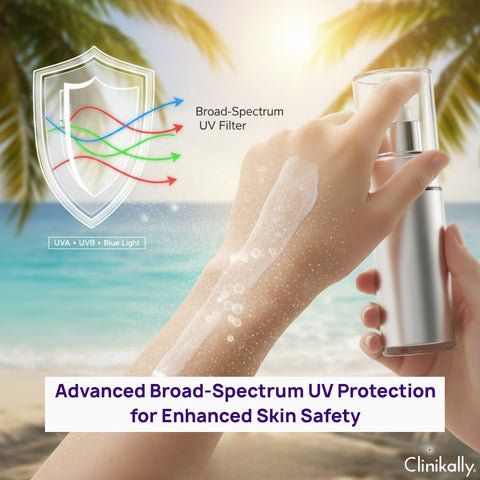
Since the hybrid sunscreen is beneficial in shielding the skin against the harmful impact of ultraviolet (UV) radiation, it is a must-have item in maintaining skin fitness. Hybrid sunscreens have the advantage of using a combination of chemical and mineral filters to attain this comprehensive UV protection.
Titanium dioxide and zinc oxide appear as mineral filters that lie on the skin surface and prevent the entry of UV rays physically. They provide an immediate defense against the sun's damage by reflecting and scattering UV radiation. Chemical filters, on the other hand, absorb UV radiation, change it into heat, and release it from the skin. The use of hybrid sunscreens has been shown to effectively block, absorb, and neutralize the UVA rays, which are more penetrating to the skin and are associated with skin cancer and premature aging, and also UVB rays, which are the primary causes of sunburn.
When combined with these two types of filters, hybrid sunscreens are more balanced in terms of protection and can be a fine option for those who want a solid solution to protect their skin against the negative impact of the sun, but also feel comfortable and lightweight to wear.
Lightweight Formulas for Comfortable Daily Use
Today's hybrid sunscreens feature lightweight materials that make everyday application feel effortless - even luxurious. Here's why they're perfect for pleasant, regular use:
-
Modern formulations, minimal feel: Hybrid sunscreens utilize sophisticated emulsifiers, fluid carriers, and micronized particles to generate smooth lotions, featherweight gels, and watery essences. These formats absorb fast and do not clog pores, making them perfect for everyday application beneath skincare or makeup.
-
No white cast: Traditional mineral sunscreens frequently produce a white or ashy cast. Chemical filters blend better, although they might be oily on some skin types. Hybrid sunscreens combine the two, providing a transparent finish, matte or satin texture, and non-sticky wear, even in humid regions.
-
Skin-friendly ingredients: Lightweight hybrid sunscreens usually contain niacinamide for oil management and soothing, hyaluronic acid or glycerin for hydration, and silicones like dimethicone for a smooth, pore-blurring texture. These compounds provide greater comfort, especially for oily/acne-prone, dry/dehydrated, and sensitive skin types.
-
Designed for modern life: No oiling under makeup, fast absorption means no waiting time, and portable formats like fluid pumps, sticks, or dropper serums. Perfect for hectic mornings, commuting, or reapplying on the move.
Suitable for All Skin Types, Including Sensitive Skin
Hybrid sunscreens are specifically designed to protect all skin types, from oily to dry to ultra-sensitive. They provide comprehensive protection by combining the qualities of mineral and chemical filters in appropriate proportions, without the irritation or heaviness of earlier formulations.
-
Gentle on sensitive skin: Mineral filters (such as zinc oxide) are naturally calming and anti-irritating. Lower concentrations of chemical filters lessen the likelihood of stinging or redness, particularly near the eyes. Many hybrids are scent-free, alcohol-free, and hypoallergenic. Rosacea, eczema-prone skin, and those sensitive to pure chemical sunscreens.
-
Hydrating for dehydrated skin: It is frequently made using humectants like hyaluronic acid, glycerin, and panthenol. These aid in retaining moisture and preventing flakiness or tightness throughout the day. Look for creamy or essence-type blends that nourish while protecting.
-
Non-comedogenic for oily, acne-prone skin: Modern hybrid sunscreens are lightweight, non-greasy, and engineered to avoid clogging pores. Common additions include niacinamide to manage oil, silica or mattifying chemicals to diminish shine, and anti-inflammatory substances to treat acne. Ideal for teen skin, hormonal acne, and combo skin types.
-
Inclusive for all skin tones: Unlike traditional mineral sunscreens, hybrids blend beautifully into all skin tones, from fair to deep, without leaving a white cast.
Hybrid vs. Traditional Sunscreen: Which Works Best for You?
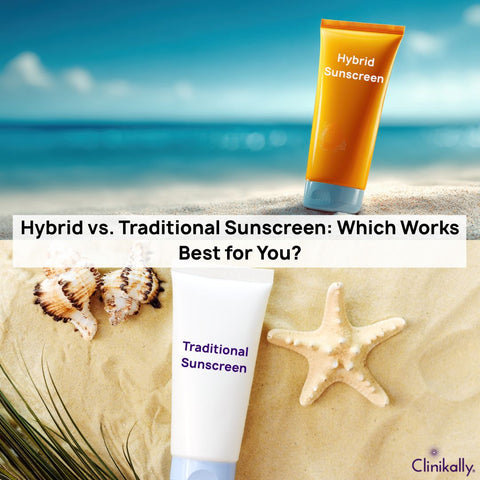
Hybrid sunscreens combine physical (mineral) and chemical sunscreen technology, aiming to give broad-spectrum protection while minimizing potential concerns with regular sunscreens. Unlike pure mineral sunscreens, hybrid sunscreens have a lighter feel and leave less white cast. Mineral sunscreens use zinc oxide and titanium dioxide to form a physical barrier, whereas chemical sunscreens use compounds that absorb UV radiation. Here is a more detailed comparison.
Hybrid sunscreens:
-
Broad-spectrum protection is effective against both UVA and UVB rays.
-
Lightweight feel: Frequently blends in with the skin without leaving a heavy, greasy residue.
-
Minimal white cast: Prevents a white film from showing, particularly on darker skin tones.
-
Skin-friendly: They are designed to be less irritating, making them suitable for people with sensitive skin.
Traditional mineral sunscreens:
-
Active ingredients are primarily zinc oxide and titanium dioxide.
-
They work by forming a physical barrier on the skin to reflect UV rays.
-
Provide broad-spectrum UVA and UVB protection.
-
For those with sensitive skin, this sunscreen may be less likely to irritate them than chemical sunscreens.
Traditional chemical sunscreens:
-
Active ingredients include a variety of UV-absorbing chemicals.
-
They work by absorbing UV radiation and converting it to heat, which is then released from the skin.
-
Lightweight and blendable: They frequently have a lightweight texture that blends seamlessly into the skin.
-
Less white cast: Compared to mineral sunscreens, they leave less white cast.
Pros and Cons of Hybrid & Traditional Sunscreens
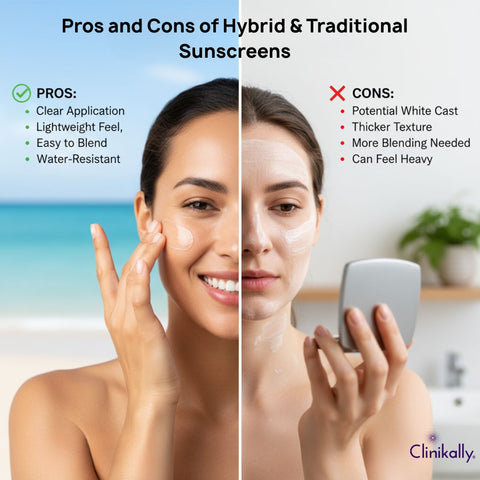
Choosing the right sunscreen can be tricky with so many options available. Here’s a breakdown of the pros and cons of hybrid and traditional sunscreens to help you decide which suits your skin best.
Pros of Hybrid Sunscreens
-
Balanced UV Protection: Because hybrid formulas use both chemical and mineral filters, they offer comprehensive protection against UVA and UVB rays, often more evenly than single-type sunscreens.
-
Lightweight and Easy to Apply: Hybrid sunscreens tend to have a smoother texture than mineral ones and less greasiness than pure chemical ones. They absorb quickly and sit comfortably under makeup.
-
Reduced White Cast: By blending chemical filters with physical ones, hybrid sunscreens usually minimize the chalky white cast common with mineral-only sunscreens, especially on deeper skin tones.
-
Suitable for Most Skin Types: These formulas strike a good balance for normal, combination, and slightly sensitive skin, offering both gentle and effective protection.
Cons of Hybrid Sunscreens
-
Possible Skin Sensitivity: While gentler than pure chemical options, hybrids may still irritate people with very sensitive or allergy-prone skin.
-
Environmental Impact: Some chemical filters used in hybrid formulas, such as oxybenzone or octinoxate, have raised concerns about coral reef safety and marine life toxicity.
-
Reapplication Needed: Like most sunscreens, hybrids require reapplication every 2–3 hours for consistent protection, especially after sweating or swimming.
Pros of Traditional Sunscreens
-
Proven Protection: Traditional sunscreens have been tested and trusted for decades, offering reliable UV protection when used correctly.
-
Widely Available Options: There’s a broad range of formulations available, from budget-friendly drugstore options to dermatologist-grade products, making it easy to find one that suits your skin.
Cons of Traditional Sunscreens
-
White Cast Issues: Mineral sunscreens can leave a visible white film, particularly on medium to deep skin tones, which can be cosmetically unappealing.
-
Heavy or Greasy Feel: Some traditional formulas, especially older ones, can feel thick, sticky, or oily, making them less comfortable for daily wear.
-
Potential for Irritation: Chemical sunscreens may cause stinging or redness, particularly around the eyes or on sensitive skin.
Dealing With White Cast, Greasiness, and Irritation
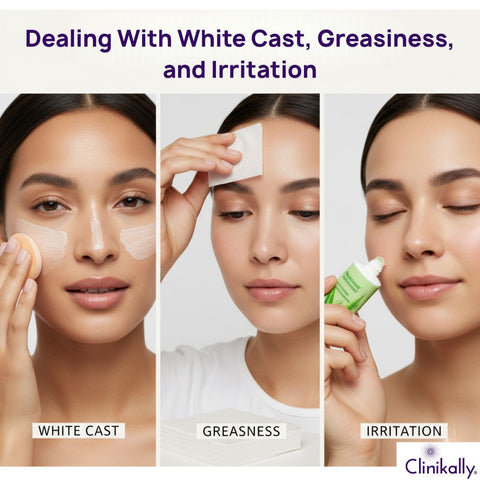
One of the reasons many individuals avoid sunscreen is the pain caused by a white cast, greasiness, and irritation. However, hybrid sunscreens have made tremendous progress in resolving these problems. Here's how different sunscreen types stack up, and how hybrids address these frequent concerns:
-
White Cast (Problem with mineral sunscreens): Sunscreens made of minerals, especially the ones that contain zinc oxide and titanium dioxide, will leave a white or ashy cast on the skin, which is particularly noticeable on darker skin tones. Hybrid sunscreens are typically micronized or coated mineral filters that are used to achieve less chalkiness and better skin integration. Some hybrid options have a slight tint to blend and conceal a white cast. Hybrid sunscreens have enhanced skinwise filters and formulae, which means that they have a lower white cast.
-
Greasiness (Oily sunscreens): Chemical sunscreens are commonly prepared using more solid creams, which are greasy or leave a shiny finish, which is not pleasant, especially on oily or acne-prone skin. Light-weight gel-based or fluid formulations that are non-greasy can be used in hybrid sunscreens to provide hydration. A large number of hybrids are also matte/satin finished, which is best in oil control. Silicones and film-formers (e.g., dimethicone, acrylates) add non-shiny and breathable textures without adding shine or weight. Hybrid sunscreens are normally prepared using non-comedogenic (non-clogging) chemicals and non-oil alternatives, and are, therefore, ideal for oily and mixed skin.
-
Irritation (Reducing sensitivity and stinging): Chemical filters (e.g., avobenzone or oxybenzone) may be irritating to the skin, particularly in individuals with sensitive skin or prone to stinging their eyes. Hybrid sunscreens generally contain smaller doses of chemical filters or combine them with the gentleness of zinc oxide. This mechanism reduces the chances of inflammation. A lot of the hybrid formulas contain relaxing ingredients, including niacinamide, green tea extract, and panthenol, which relax the skin and lower inflammation rates. Sensitive skin should use hybrid sunscreens due to the low number of irritants in them and the gentler way they are formulated.
Reef-Safe or Risky? The Truth About Hybrid Sunscreens
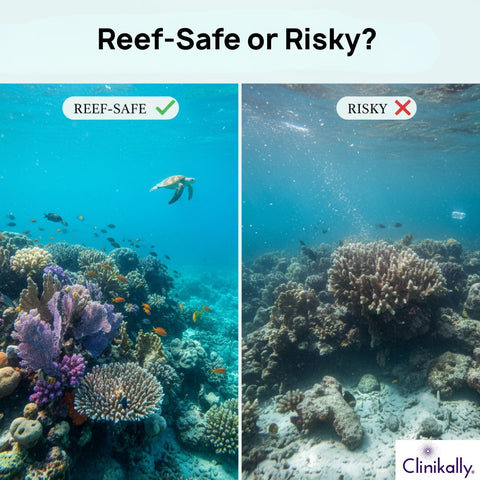
As consumers become more aware of the environmental impact of their skincare choices, the topic of whether hybrid sunscreens are reef-safe becomes increasingly crucial. A reef-safe sunscreen does not damage coral reefs or other marine life. This term often refers to sunscreens that do not contain chemicals that have been linked to coral bleaching or disrupting marine ecosystems. The primary culprits to avoid are oxybenzone, octinoxate, homosalate, and octocrylene. The precise blend of chemicals employed determines whether or not a hybrid sunscreen is reef-safe. However, several brands are shifting to more eco-friendly and reef-safe formulations by:
-
Using modern, safer chemical filters that cause less damage to coral reefs.
-
Using mineral-based formulas as the foundation and adding reef-safe chemical filters for added protection.
Final Thoughts on Choosing the Right Hybrid Sunscreen
The choice of the hybrid sunscreen is a very sensitive process that requires the ability to identify the best balance between the protection and the capabilities of the sunscreen, as well as the way this product is used and the impact it has on the environment. The feature that is unique to the hybrid sunscreens is their capability to provide a wide-spectrum protection against the damaging UV rays, and at the same time have a light and invigorating feel that makes them an enjoyable experience to apply. Such products are usually skin-friendly, implying that they meet the needs of different skin types without causing any irritation.
To make the right selection, it is imperative to consider the unique needs of your skin and whether you would want a matte or dewy finish, and the consideration of reef-safe formulations. By carefully weighing all these aspects, you will be assured that you have chosen a sunscreen that will not only match your lifestyle but also help in upholding your value as far as skin health and environmental sustainability are concerned.