Hydration to Volume: The New Era of Hyaluronic Acid Hair Fillers
If hyaluronic acid sounds familiar, it's likely because it appears in a variety of beauty and skin care products. Hyaluronic acid's appeal is likely due, at least in part, to its humectant characteristics. Humectants help to retain moisture, making them ideal for use in dry skin products. Furthermore, hyaluronic acid seems to produce fewer skin responses than other typical skin-care components. Hyaluronic acid is found naturally in many regions of the body, including the skin and eyes. Of course, the substances included in skincare products are normally manufactured in a laboratory.
Perhaps you're already aware of hyaluronic acid's skin care benefits, but did you know it can also assist improve hair quality? Continue reading to learn more about the possible advantages of hyaluronic acid for hair, as well as some tips for incorporating this popular substance into your haircare routine.
Why Your Hair Craves Hyaluronic Acid
Hydration is essential for your hair and scalp, and hyaluronic acid (HA) is a game changer in this regard. Known as a moisture magnet in skincare, HA provides unique benefits that hair has been secretly wanting all along.
-
HA may hold up to 1,000 times its weight in water, making it extremely effective at retaining moisture.
-
Hair strands that are well-hydrated are less likely to dry out, become brittle, or break.
-
Hydrated hair retains its natural elasticity and smoothness, which reduces frizz and broken ends.
Understanding the science of hyaluronic acid

Hyaluronic acid's unique water-binding structure and ability to moisturize at numerous levels make it a standout element in hair care. By trapping in moisture, smoothing hair cuticles, and promoting scalp health, HA keeps your hair moisturized, strong, and vibrant.
How it interacts with the hair shaft and cuticle
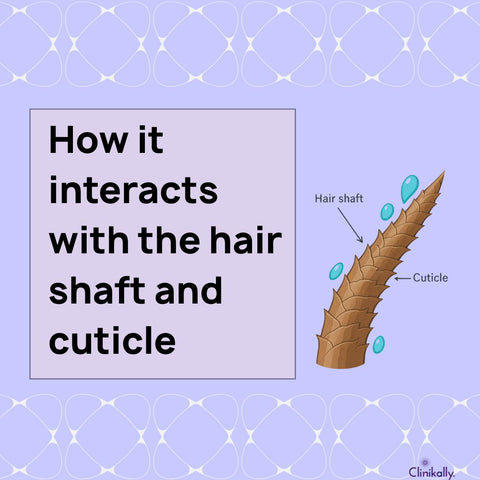
Hyaluronic acid acts on several levels, including penetrating the hair shaft to hydrate and plump strands from within and building a protective, smoothing layer on the cuticle. This dual action replenishes moisture, strengthens hair, and increases shine, making HA an effective ally for healthier, more vibrant hair.
Signs your hair is lacking hydration
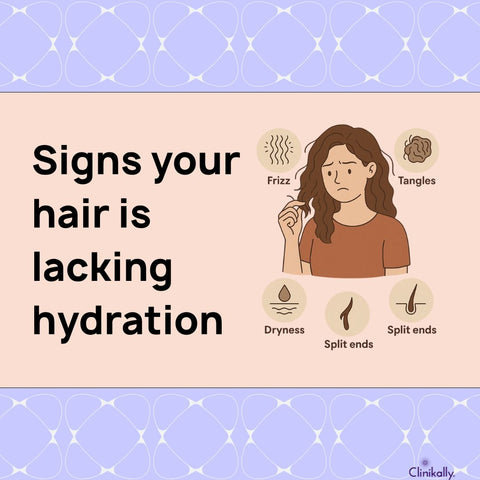
The common indicators that your hair needs hydration:
-
Dry, brittle texture: The hair feels rough, straw-like, or coarse to the touch. It snaps readily when brushed or groomed because of its diminished flexibility.
-
Dull, Lackluster Appearance: Hair lacks natural luster and appears lifeless. Cuticles are elevated or damaged, which prevents smooth light reflection.
-
Frizz and flyaways: Hair appears frizzy or poofy, particularly in humid or dry weather. Static electricity causes strands to stick out unexpectedly.
-
Tangles and Knots: Tangles and knots make it difficult to comb or brush the hair without snagging. Increased breaking due to detangling tension.
-
Split Ends and Breakag: Split ends and breakage are visible splits at the ends of strands or along the shaft. Hair is more likely to break off while styling or washing.
-
Scalp Dryness or Flaking: Lack of moisture causes the scalp to feel tight, itchy, or flaky which can lead to dry scalp. Can leave hair feeling lifeless or drab.
-
Loss of bounce and volume: Instead of being springy and full-bodied, hair feels flat, limp, or weighted down.
Hyaluronic Acid Hair Fillers vs. Traditional Treatments
When it comes to hair renewal, both hyaluronic acid (HA) hair fillers and traditional therapies aim to restore hair health, but they achieve this in quite different ways. Here's a simple comparison to help you understand their various benefits and which may best suit your needs:
-
Hyaluronic acid hair fillers: Deeply hydrate and plump hair strands by drawing and retaining moisture within the hair shaft. HA penetrates hair fibers and the scalp, providing lightweight, long-lasting hydration that increases volume and elasticity without adding weight. The benefits include quick improvements in hair softness, gloss, and bounce, smoothing the cuticle for frizz reduction, supporting scalp moisture and health, being lightweight and suited for all hair types, including fine or thinning hair. Ideal for hair that is dry, brittle, lacks volume, or is prone to breakage from dehydration.
-
Traditional Treatments: It typically focus on washing, mending damage, or covering the hair with oils and silicones. Traditional conditioners and masks either deposit substances on the hair's surface to temporarily smooth and protect, or they use heavy oils to seal in moisture. Benefits include rapid softness and manageability, obvious damage restoration, split end reduction (to some extent), and the capacity to protect hair from external aggressors through a coating effect. Ideal for hair that need surface repair or protection, as well as thick/coarse hair that can handle heavier products.
Fillers vs. masks: What’s more effective?
Both hair fillers and hair masks are popular treatments for enhancing hair health, but they serve different purposes and operate in different ways. Here's a quick analysis to help you determine which is better for your hair's needs:
-
Hair fillers: Concentrate on restoring moisture and structural integrity to the hair shaft by filling up gaps produced by damage or drying. Penetrate deep into the hair fiber to restore hydration and strengthen from within. Frequently contain substances such as hyaluronic acid, amino acids, and peptides that repair and fill the hair shaft. Benefits include long-lasting hydration and volume, improved elasticity and reduced breakage, lightweight, so they don't weigh hair down, and are ideal for fine, thinning, or brittle hair that need interior repair. Ideal for damaged, dehydrated, or thin hair.
-
Hair masks: Provide a thorough conditioning treatment to nourish and smooth the hair's surface. Typically used after shampooing and left on for several minutes to deeply condition, they contain rich moisturizing substances such as butters, oils, and silicones that coat the hair shaft. The benefits include quickly softening and detangling hair, improving luster and manageability, and helping seal the cuticle for a smooth finish. Ideal for dry, coarse, or severely damaged hair that need surface nourishment and suppleness.
Lightweight hydration without buildup

Finding hydration that nourishes your hair without weighing it down or causing buildup can feel like a balancing act—but it’s totally possible with the right approach and ingredients. Here’s what you need to know:
-
Heavy oils, silicones, and waxy ingredients can coat the hair's surface, leaving strands feeling greasy or weighed down over time.
-
Overuse of rich conditioners or treatments without proper cleansing can result in residue.
-
Buildup prevents moisture from penetrating the hair shaft, resulting in dryness and dullness.
Real results: What to expect from your first filler treatment
Your first hyaluronic acid hair filler treatment immediately provides obvious softness, sheen, and volume—and with continued use, it increases long-term hydration and strength, transforming your hair from brittle to stunningly healthy.
When and How to Use Hyaluronic Acid Fillers at Home
Adding hyaluronic acid (HA) fillers to your at-home haircare routine will significantly improve moisture, strength, and shine. Here's a quick guide about when and how to utilize them for optimal results:
When to Use
-
After shampooing: The best time is on freshly washed hair because the cuticles are open and can better absorb moisture.
-
As a Leave-In Treatment: Many HA fillers are available as lightweight serums or sprays that are designed to stay in your hair and keep it hydrated all day.
-
Before Styling: Using HA fillers before heat styling helps to protect and plump strands, reducing damage.
-
Between washes: Apply sparingly to dry hair to replenish hydration and control frizz without weighing it down.
How to Use
-
Begin with clean, damp hair: Wash it with a moderate, pH-balanced shampoo and lightly towel dry. Hair should be damp, but not dripping wet.
-
Apply a Small Amount: Place a pea-sized amount of HA filler in your palms (or as directed by the product). Concentrate on the mid-lengths and ends of your hair, which are typically the driest and most damaged.
-
Distribute Evenly: Use your fingers or a wide-tooth comb to properly distribute the product throughout your hair. If the product is not scalp-safe, avoid using it on the roots.
-
Leave In or Rinse-Out: Follow the product's instructions; some fillers are leave-in and give continuous hydration, while others may necessitate a brief wait before rinsing. If using leave-in, style your hair as usual.
-
Repeat regularly: For best effects, apply HA fillers 2-3 times per week, or as directed by your product. Consistency promotes profound hydration over time.
The right way to layer with serums and conditioners
Simple step-by-step instructions to help you master the art of layering.
-
Start with conditioner: Begin by applying conditioner to clean, moist hair immediately after shampooing. Conditioners moisturize, detangle, and smooth hair cuticles. Use a generous amount, concentrating on the mid-lengths and ends (where hair is driest). To avoid greasiness, avoid applying conditioner to the roots unless it is specifically made for the scalp. Rinse well (with rinse-out conditioners). Leave-in conditioners remain in the hair and provide a basic layer of moisture.
-
Apply hyaluronic acid: Apply hyaluronic acid after towel-drying the hair and before applying serum. Hyaluronic acid or lightweight leave-ins penetrate and hydrate the hair shaft deeply without adding weight. Put a tiny amount into your palms.Work evenly through the midlengths and ends. Allow for a little period of absorption before proceeding to the next procedure.
-
Finish with serum or oil: Apply to damp or dry hair after conditioning and leave-in treatments. Serums reduce frizz, enhance shine, and protect hair from environmental harm. Use a little amount (start with one or two drops). Warm it between your palms before gently running it into your hair's ends and mid-lengths. Avoid the roots to avoid heaviness or accumulation.
Best practices post-color or post-styling
After dyeing or styling your hair, especially with heat tools, it's critical to take care of your strands to keep them vibrant, strong, and moisturized. Here's how to maintain your hair looking its best after any chemical or heat treatment:
-
Wait before washing: Avoid washing your hair for at least 48 hours after coloring to allow the color to set deeply and prevent premature fading. If you've used heat styling, wait as long as possible before washing your hair again to protect the natural oils.
-
Use pH-balanced and sulfate-free shampoos: Select gentle, pH-balanced shampoos made for color-treated hair. Sulfate-free shampoos retain the natural moisture barrier of the hair and prevent color from being stripped away.
-
Deep Condition Frequently: Use deep conditioning masks or treatments 1-2 times per week to replenish moisture and heal damage caused by coloring or heat. Look for components like as hyaluronic acid, keratin, and natural oils.
-
Apply Leave-In Treatments: Use lightweight leave-in conditioners or hyaluronic acid fillers to keep hair hydrated and protected between washes. These also assist to minimize frizz and increase shine.
-
Protect Against Heat and UV: To avoid damage, always apply a heat protectant spray when styling with hot tools. When exposed to the sun, use UV-protective sprays or caps to avoid color fading and dryness.
-
Avoid Over-Styling: To reduce hair stress, limit the frequency with which you heat style. Use air-drying or heat-free style procedures whenever possible.
-
Trim Regularly: Trim your hair every 6-8 weeks to get rid of split ends and maintain it looking healthy and fresh.
How often should you use a hair filler?
For most people, 2-3 times per week is a healthy blend of deep hydration and preserving hair's natural bounce and volume. Listen to your hair and adjust your usage based on how it reacts!
Tailoring Filler Treatments to Your Hair Type
Because no two heads of hair are alike, tailoring your filler treatment plan ensures that you get the finest hydration and repair without any undesirable heaviness or accumulation. Here's how to use hair filler according to your hair type:
-
Fine or thin hair: Add moisture and volume to your hair without weighing it down. Use water-based fillers that are lightweight and low in viscosity. Apply sparingly, beginning with a little amount and concentrate on the mid-lengths and ends. To avoid accumulation, limit your use to once or twice each week. Avoid using strong oils or silicones immediately after fillings.
-
Normal or medium-texture hair: Normal or medium-textured hair requires balanced hydration and strength. Fillers should be used on a regular basis, typically 2-3 times per week, depending on how dry or damaged your hair is. For best results, use in conjunction with your regular conditioner or leave-in. Concentrate on damaged or dry regions without overburdening roots.
-
Thick, coarse, or curly hair: Thick, coarse, or curly hair need deep hydration and smoothing to prevent dryness and frizz. Use thicker filler compositions to create strong wetness. Apply liberally, especially to the ends and places prone to drying. Can be used 2-4 times per week, or more frequently if the hair is extremely dry or chemically processed. For added smoothness, apply nourishing oils or creams after filler application.
-
Damaged or chemically treated hair: Restore moisture lost by bleaching, dyeing, or heat damage. Use fillers that include strengthening elements like as peptides or keratin. To achieve the best restorative effect, apply often (2-3 times per week). Combine with deep-conditioning masks and avoid harsh washes. As your hair's reaction improves, alter the frequency accordingly.