Hydroquinone vs. Monobenzone: Key Differences, Benefits, and Risks
Both hydroquinone and monobenzone are used to lighten the skin, however, their qualities, applications, benefits, and hazards differ. This blog provides a detailed comparison of hydroquinone and monobenzone.
Understanding Hydroquinone
Hydroquinone is a chemical substance that is commonly used in dermatology to lighten the skin. It is often included in both over-the-counter (OTC) and prescription medicines intended to treat various types of hyperpigmentation, such as melasma, age spots, and post-inflammatory hyperpigmentation. However, its use carries possible hazards, and it should be taken with caution, adhering to rules to minimize negative consequences. It is recommended that you consult with a dermatologist before beginning hydroquinone treatment to guarantee its safety and effectiveness.
What is Hydroquinone?
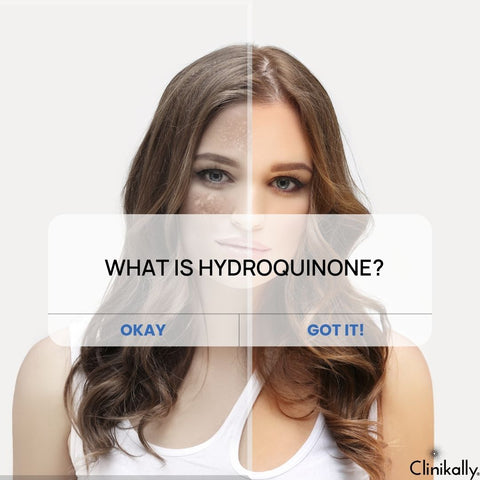
Hydroquinone is a skin-lightening agent that is available in both pharmaceutical and cosmeceutical forms. Its mode of action is based on its capacity to suppress tyrosinase synthesis, which inhibits melanin production. Other actions of hydroquinone include inhibiting DNA and RNA production and degrading melanosomes. medications with a 2% concentration are available in over 100 over-the-counter medications, whilst those with a 3-10% concentration require a prescription and are controlled as pharmaceuticals. To treat melasma and photo pigmentation, new medications on the market combine hydroquinone with topical retinoids and steroids.
-
Chemical Formula: Hydroquinone [C6H4(OH)2]
-
Structure: Hydroquinone is an aromatic chemical molecule, specifically a phenol, with two hydroxyl groups linked to a benzene ring in para locations.
How Hydroquinone Works
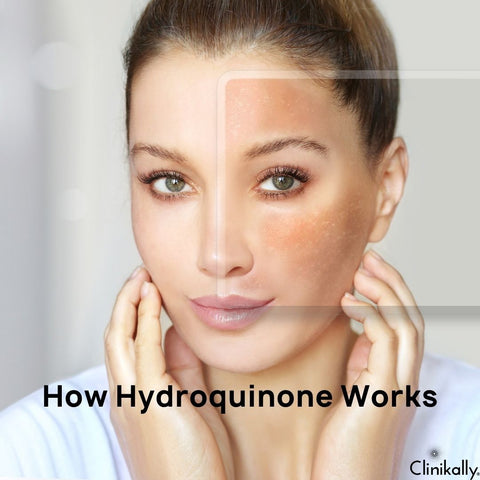
Hydroquinone is a skin-lightening chemical that acts largely by inhibiting melanin synthesis in the skin. Melanin is the pigment that gives skin its color, and it is produced in multiple processes, with the enzyme tyrosinase playing a vital part. Here is a full description of how hydroquinone works to lighten the skin.
Mechanism of Action
-
Inhibition of Tyrosinase: Tyrosinase is an enzyme required for the formation of melanin. It catalyzes the conversion of the amino acid tyrosine into dihydroxyphenylalanine (DOPA) and then dopaquinone, which leads to melanin formation. Hydroquinone's action is to block the activity of tyrosinase, which effectively reduces the conversion of tyrosine to DOPA. This inhibition reduces the overall generation of melanin in the skin.
-
Reduction of Melanocyte Activity: Melanocytes are the skin cells that create melanin. Hydroquinone inhibits tyrosinase, which lowers the activity and multiplication of melanocytes. As a result, the number of melanin-producing cells decreases, and the skin has less melanin.
-
Interference with Melanin Synthesis: Melanin synthesis involves multiple steps beyond the initial tyrosinase-catalyzed reactions. Hydroquinone may also inhibit additional steps in the melanin formation pathway, significantly lowering melanin production.
-
Increased Melanin Degradation: Hydroquinone can promote the degradation of existing melanin, accelerating the lightening of dark spots. This effect is secondary but contributes to the overall depigmenting effect of hydroquinone.
Common Uses of Hydroquinone
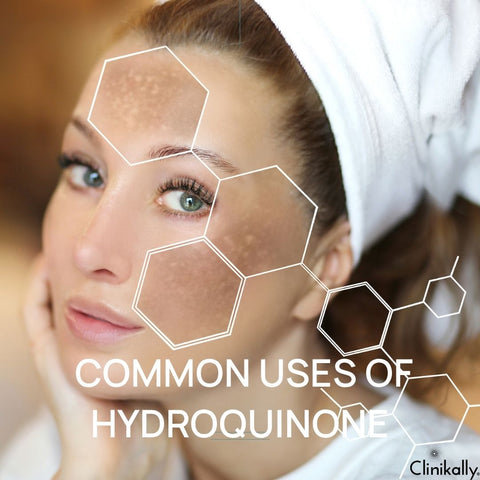
Hydroquinone is commonly used in dermatology and cosmetic treatments to treat various hyperpigmentation concerns. Here are the most prevalent uses of hydroquinone:
1. Melasma: Melasma is a skin disorder characterized by brown or gray-brown patches, most commonly on the face. It is frequently the first-line therapy for melasma. Hydroquinone lightens dark areas and evens out the skin tone.
2. Age Spots (Lentigines): Age spots, also known as liver spots or solar lentigines, are flat, brown, or black patches that form on sun-exposed parts of the skin, especially in older people. When applied topically, hydroquinone can brighten these spots and make them less visible.
3. Post-Inflammatory Hyperpigmentation (PIH): PIH develops after a skin injury or inflammation, such as acne, eczema, or other skin disorders, resulting in dark spots or patches. It effectively fades dark patches that remain after the skin heals from acne or other inflammatory diseases.
4. Freckles: Freckles are little brown spots on the skin that are commonly worsened by sun exposure. Hydroquinone can fade freckles and make them less apparent.
5. Chloasma: Chloasma, sometimes known as the "mask of pregnancy," is a condition similar to melasma but caused by hormonal changes during pregnancy. It can be taken after pregnancy (with medical supervision) to lighten dark areas produced by hormonal changes.
6. Acne Scars: Acne scars can leave dark blotches or hyperpigmented areas after the acne lesions heal. Helps to diminish the pigmentation of acne scars and level out the skin tone.
7. Dark Elbows and Knees: These places are frequently darker than the rest of the body due to thicker skin and frequent friction. Can be used to brighten the skin of the elbows and knees for a more even tone.
8. Dark Underarms: Shaving, friction, and deodorants can all cause underarm hyperpigmentation. It helps to brighten dark areas and improve the appearance of underarms.
Exploring Monobenzone
Monobenzone, also known as monobenzyl ether of hydroquinone, is a topical depigmenting drug used to treat vitiligo, a disorder marked by the loss of skin pigment in patches. Unlike hydroquinone, monobenzone causes irreversible depigmentation, making it appropriate for some medical problems but unsuitable for cosmetic use. However, due to the long-term impacts and potential negative effects, it should be used with caution and under medical supervision. It is not recommended for cosmetic skin lightening or those seeking transient depigmentation remedies.
What is Monobenzone?
Monobenzone is a monobenzyl ether of hydroquinone used for medicinal depigmentation. Monobenzone appears as a white, virtually tasteless crystalline powder soluble in alcohol but practically insoluble in water. It reduces mammalian skin pigmentation by boosting melanin excretion from melanocytes. It may also destroy melanocytes, resulting in irreversible depigmentation. However, due to its permanent nature and potential negative effects, it should be used with caution and under medical supervision. Monobenzone is not recommended for cosmetic skin lightening or for those looking for temporary depigmentation remedies.
-
Chemical Formula: Monobenzone [C13H12O2]
-
Structure: Monobenzone, often known as the monobenzyl ether of hydroquinone, is an organic molecule produced from hydroquinone. It has a benzyl ether group linked to a hydroquinone molecule.
How Monobenzone Works

Monobenzone is a depigmenting agent commonly used to treat vitiligo. Unlike other skin lighteners, monobenzone induces permanent depigmentation. Here's a thorough description of how it works:
Mechanism of Action
-
Melanin Excretion: This is the natural pigment that gives our skin, hair, and eyes their color. Melanin is produced by specialized cells known as melanocytes. Monobenzone facilitates the excretion of melanin from melanocytes into the extracellular space. This procedure reduces the amount of melanin within the skin cells, resulting in a lighter skin tone.
-
Destruction of Melanocytes: These are cells in the epidermis's bottom layer that produce melanin. Monobenzone is cytotoxic to melanocytes, causing their demise. Monobenzone causes permanent skin depigmentation by destroying melanin-producing cells.
Common Uses of Monobenzone

Monobenzone is largely utilized in dermatology due to its strong depigmenting abilities. Its major indication is vitiligo, however, it may also be used for other medical disorders. Here are the common applications:
-
Vitiligo: Vitiligo is a disorder characterized by the loss of skin pigment in spots, resulting in white or light-colored skin. Monobenzone is typically used to treat severe vitiligo. It helps to depigment the remaining natural skin, resulting in a more uniform skin tone. This treatment is especially useful for people with extensive vitiligo who want to reduce the difference between afflicted and unaffected skin patches.
-
Severe Hyperpigmentation Disorders (Rare): Monobenzone may be utilized in extremely rare circumstances to treat additional severe hyperpigmentation conditions if permanent depigmentation is required for medical or psychological reasons. Because of its irreversible effects, monobenzone is rarely utilized for these disorders. It is only explored after other therapies have failed and the hyperpigmentation is causing severe suffering.
Comparing Hydroquinone and Monobenzone
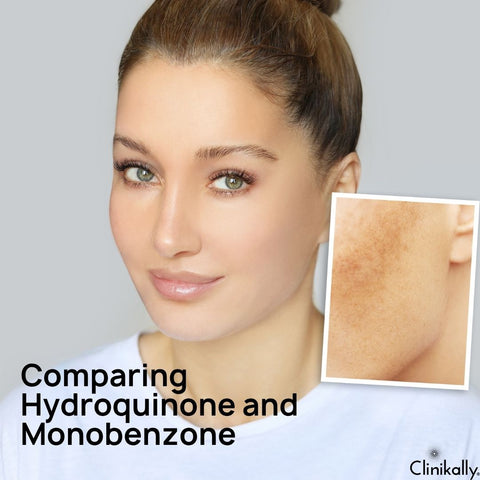
When comparing Hydroquinone and Monobenzone, it's important to consider their modes of action, typical usage, benefits, hazards, and suitability for different skin disorders. Here is a comparison between the two:
-
Mechanism of Action: Hydroquinone inhibits the enzyme tyrosinase, which reduces melanin formation. Does not kill melanocytes or cause permanent depigmentation. Monobenzone promotes melanin excretion from melanocytes. Destroys melanocytes, resulting in permanent depigmentation.
-
Common Uses: Hydroquinone is used to treat hyperpigmentation problems such as melasma, age spots, and post-inflammatory hyperpigmentation. Monobenzone is primarily used to treat significant vitiligo and produce permanent depigmentation. It is rarely explored for other severe hyperpigmentation problems.
-
Benefits: Hydroquinone is effective at reducing dark spots and evening out skin tone. Versatile, with concentrations suitable for diverse skin problems. Monobenzone achieves persistent depigmentation, which is advantageous for people with extensive vitiligo. Creates a consistent skin tone, which improves the psychological well-being of vitiligo patients.
-
Risks: Hydroquinone can cause skin irritation, ochronosis (rare), and increased sensitivity to sunlight. Concerns concerning probable carcinogenicity, especially with long-term use. Monobenzone causes permanent and irreversible depigmentation. Skin inflammation, over-pigmentation, and increased sun sensitivity are all potential risks.
-
Suitability: Hydroquinone is suitable for a variety of hyperpigmentation issues and cosmetic applications. Long-term use is not indicated, nor is it appropriate for those with sensitive skin. Monobenzone is used to treat significant vitiligo and achieve permanent depigmentation. Not recommended for cosmetic purposes or individuals seeking temporary skin whitening.
Mechanism of Action

Both hydroquinone and monobenzone inhibit melanin synthesis, however their mechanisms of action and long-term effects differ significantly. Hydroquinone reverses melanin formation by inhibiting tyrosinase activity, but monobenzone causes permanent depigmentation by increasing melanin excretion and killing melanocytes. The choice between the two is based on the skin condition being treated and the intended outcome.
Efficacy in Skin Treatment
Hydroquinone:
-
Hyperpigmentation Disorders: Hydroquinone is extremely successful at treating melasma by reducing the appearance of dark areas and evening out skin tone. It also efficiently reduces age spots, giving in a more even complexion.
-
Post-Inflammatory Hyperpigmentation (PIH): Hydroquinone is frequently used to remove dark patches caused by acne scars or other inflammatory diseases.
-
Versatility: Hydroquinone can cure a variety of hyperpigmentation conditions, making it a versatile therapy choice. It comes in a variety of formulations, including over-the-counter (OTC) creams and prescription-strength medicines, allowing for individualized treatment based on the severity of the illness.
-
Timeframe: Users often see noticeable changes in their skin tone after a few weeks to months of constant use.
Monobenzone:
-
Vitiligo: Monobenzone is generally used to treat vitiligo, particularly in cases of severe pigment loss. It efficiently achieves permanent depigmentation, resulting in a more even skin tone in vitiligo sufferers.
-
Permanent Depigmentation: Monobenzone's irreversible depigmentation impact is advantageous for people seeking a long-term cure for severe vitiligo. It reduces the contrast between damaged and unaffected skin areas, which improves the overall appearance.
-
Limited Application: Monobenzone is only used to treat vitiligo and some severe hyperpigmentation diseases that require permanent depigmentation.
Side Effects and Risks

Hydroquinone:
-
Hydroquinone's common negative effects include redness, dryness, itching, and irritation at the application site. Individuals with sensitive skin may suffer increased irritation.
-
Long-term usage of hydroquinone, especially at higher doses or without adequate sun protection, can result in an uncommon disorder known as ochronosis. Ochronosis is characterized by bluish-black hyperpigmentation, which might be irreversible.
-
Hydroquinone makes the skin more sensitive to sunlight, increasing the risk of sunburn and other pigmentation disorders if not properly protected. Sunscreen application and sun avoidance are critical during hydroquinone treatment.
-
There are worries regarding hydroquinone's potential carcinogenic effects, while evidence in humans is lacking. Some regulatory authorities have placed limitations or bans on hydroquinone in response to these concerns.
Monobenzone:
-
Monobenzone, like hydroquinone, can cause skin irritation, redness, itching, and discomfort, particularly in those with sensitive skin.
-
Monobenzone can cause over-depigmentation, resulting in entirely white spots that may stand out more than the surrounding skin.
-
Depigmented skin is more prone to sunburn and UV damage. Sun protection measures, like as sunscreen application and protective clothing, are critical during and after monobenzone treatment.
-
The most serious risk of monobenzone therapy is irreversible pigmentation loss. Depigmentation is irreversible, making it unsuitable for those seeking transient skin lightening or cosmetic objectives.
Choosing the Right Treatment
Choosing between hydroquinone and monobenzone involves considering factors such as the specific skin condition, treatment goals, potential side effects, and individual preferences. Consulting with a dermatologist is important to determine the most appropriate treatment option and develop a comprehensive plan for achieving the desired results while minimizing risks and maximizing benefits.