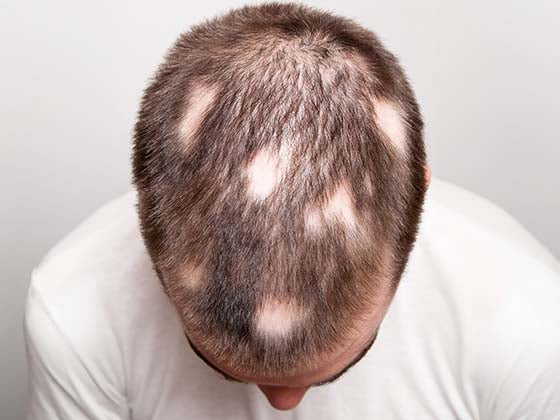


Skin color can change as a result of an accident, inflammation, and trauma. In most circumstances, you may acquire hyperpigmentation, which appears as darker skin spots and patches than your original skin tone. However, in some cases, you may acquire hypopigmentation, or skin patches that are lighter than your skin tone. In this blog, we will study between hyperpigmentation and hypopigmentation.
Understanding Skin Pigmentation
Skin pigmentation is the natural color of the skin, which is primarily determined by melanin, a pigment produced by specialized cells called melanocytes in the epidermis. Melanin not only gives skin, hair, and eyes their color, but it also protects them from harmful ultraviolet (UV) radiation. Melanin is divided into two types: eumelanin (brown and black skin tones) and pheomelanin (red and yellow tones). The unique combination, amount, and distribution of these pigments produce a wide range of human skin tones around the world. Importantly, changes in pigmentation are determined by the activity level and amount of melanin produced by melanocytes rather than the number of them.
Pigmentation can change throughout time due to both internal and external forces. Sun exposure is the most common cause, as UV rays stimulate melanocytes to produce more melanin, causing tanning and, in certain cases, sunspots. Hormones also affect pigmentation, with disorders like melasma commonly occurring during pregnancy or while using contraception. Acne, eczema, and burns can all cause darker or lighter spots. Some medical conditions have a greater effect on pigmentation. Vitiligo involves a slight decrease in melanin, while albinism is caused by a genetic inability to produce melanin. On the other hand, excessive accumulation of melanin can lead to freckles, age spots and melasma.
What Is Pigmentation and How It Works
Pigmentation is the natural color of the skin, hair, and eyes that is mostly determined by a pigment known as melanin. Melanocytes, which are specialized skin cells that live in the epidermis's basal layer, are responsible for producing this pigment. Although all individuals have the same number of melanocytes, the amount, type, and location of melanin produced by these cells determine the great range of skin tones among groups.
There are two major types of melanin:
Eumelanin is responsible for brown and black shades and provides better protection against ultraviolet (UV) radiation.
Pheomelanin is responsible for red and yellow hues and provides less UV protection.
Pigmentation develops when the skin is exposed to sunshine. UV rays cause melanocytes to create more melanin as a natural defensive strategy. Melanin is then bundled into little structures known as melanosomes and transported to surrounding skin cells (keratinocytes). Melanin works as a barrier for these cells' nuclei, protecting DNA from UV damage. This is why skin tans after sun exposure: it's the body's way of protecting itself. Other factors can also alter pigmentation. Melanin production can be affected by hormonal fluctuations, inflammation from acne or injury, and certain medical diseases. This can result in hyperpigmentation (excessive melanin, causing dark spots) or hypopigmentation (insufficient melanin, causing lighter areas).
The Role of Melanin in Skin Color
Melanin is the fundamental pigment that determines the color of human skin, hair, and eyes. It is produced by specialized skin cells known as melanocytes, not only determines skin tone but also helps to protect the body from the detrimental effects of ultraviolet (UV) radiation. The two major types of melanin are eumelanin and pheomelanin. The balance and distribution of these two types, as well as the total amount produced, contribute to the diverse spectrum of human skin hues observed around the world. People with darker skin produce more eumelanin, giving them better natural UV protection, while people with lighter skin produce less eumelanin and more phaeomelanin, making them more susceptible to sunburn and long-term sun damage.
Melanocytes create melanin through a process known as melanogenesis, which is influenced by both genetics and the environment. When the skin is exposed to sunshine, UV radiation stimulates melanocytes, which increases melanin formation. This excess pigment is transported into adjacent skin cells (keratinocytes) via little packages known as melanosomes. Once inside, melanin forms an umbrella around the cell nucleus, protecting DNA from UV-induced mutations. This process explains why skin tans after being exposed to the sun: it is the body's natural radiation defense system.
Why Pigmentation Disorders Occur
Pigmentation problems occur when the skin produces either too much or too little melanin, the pigment that determines skin color. Melanin is produced by melanocytes in the epidermis, therefore, any interruption in their activity, distribution, or number can result in apparent changes in skin tone. There are two main types: Hyperpigmentation, which is caused by an excess of melanin, resulting in dark spots or patches. Hypopigmentation occurs when melanin levels are reduced and light areas remain. Several factors contribute to these imbalances are given below:
Sun exposure: The most common cause of pigmentation issues is ultraviolet (UV) radiation. Prolonged exposure stimulates melanocytes, causing sunspots, freckles, and uneven tanning.
Hormonal changes: Changes in hormone levels, particularly estrogen and progesterone, can cause conditions such as melasma, which is commonly seen during pregnancy or when using birth control.
Post-inflammatory changes: Following acne, burns, eczema, or injuries, the skin may heal with darkened patches (post-inflammatory hyperpigmentation) or lighter spots.
Genetic factors: Certain disorders, such as vitiligo or albinism, are inherited and affect melanin production or melanocyte survival.
Medical conditions: Autoimmune diseases, fungal infections (such as tinea versicolor), and chronic illnesses can all affect pigmentation.
Medications and procedures: Certain medications (antimalarials, chemotherapy agents) and aggressive cosmetic treatments (laser, peels) can upset melanin balance.
Aging: Melanocytes become unevenly active as skin ages, resulting in age spots or mottled pigmentation.
Hyperpigmentation vs Hypopigmentation

Skin pigmentation is based on melanin, a pigment generated by melanocytes. When melanin levels become uneven, two disorders can occur hyperpigmentation and hypopigmentation are given below.
Hyperpigmentation: It is the darkening of the skin caused by excessive melanin production. Patches and spots are brown, black, or tan in color. Sun exposure (sunspots and freckles due to UV damage), hormonal changes (melasma during pregnancy), post-inflammatory changes (acne scars, eczema scars), and certain medications (chemotherapy, antibiotics). Examples include melasma, post-aging spots, and post-inflammatory hyperpigmentation. Sun protection (SPF 30+), skin-whitening chemicals (vitamin C, niacinamide, kojic acid, azelaic acid), and skin procedures (chemical peels, microdermabrasion, laser therapy).
Hypopigmentation: It refers to skin lightening caused by a lack of melanin. The appearance is of white or pale areas in comparison to the surrounding skin. It causes include skin injury (burns, blisters, scars), fungal infections (tinea versicolor), autoimmune diseases (vitiligo), hereditary abnormalities (albinism), and post-inflammatory hypopigmentation, such as acne or eczema. Examples include vitiligo, pityriasis alba, albinism, and post-inflammatory hypopigmentation. Treatment and care vary depending on the cause, but may include natural repigmentation, topical treatments (corticosteroids, calcineurin inhibitors), light therapy (for vitiligo), and cosmetic disguise (makeup, self-tanner) if permanent.
What Causes Hyperpigmentation Dark Spots

Several significant variables lead to hyperpigmentation are given below:
Sun Exposure: The most common cause is sunlight, especially ultraviolet (UV) radiation. UV rays trigger melanocytes (pigment-producing cells) to make more melanin as a natural defense. Over time, this leads to pigmentation, tanning and sun-induced dark spots, especially on exposed areas such as the face, arms and shoulders.
Post-inflammatory hyperpigmentation (PIH), which happens after inflammation or injury to the skin, such as acne, eczema, burns, or cuts, can result in the appearance of dark spots as the skin heals. PIH is more prevalent in medium to dark skin tones.
Hormonal changes can affect the activity of melanin. Melasma, often called the "mask of pregnancy," is caused by high levels of estrogen and progesterone, resulting in symmetrical dark spots on the cheeks and forehead.
Aging causes melanocytes to become less evenly regulated, resulting in age spots or liver spots, which are flat, brown patches found on sun-exposed skin.
Certain medications, which include antibiotics, chemotherapy, antimalarials and serious cosmetic procedures (lasers, peels) can cause changes in pigmentation.
Underlying medical conditions such as Addison's disease or metabolic abnormalities can result in extensive hyperpigmentation.
What Causes Hypopigmentation

Several reasons can cause hypopigmentation are given below:
Skin injury or trauma: Burns, blisters, scratches and severe skin treatments (such as chemical peels or laser therapy) can all destroy melanocytes. During healing, the skin may repigment unevenly, resulting in lightened areas or scars.
Post-inflammatory hypopigmentation (PIH): Following disorders such as acne, eczema, or psoriasis, the affected areas may lose pigment temporarily. This type often improves gradually as the skin heals.
Fungal infections: Conditions such as tinea versicolor, caused by an overgrowth of yeast on the skin, result in scaly, light (or sometimes dark) areas on the chest, back, or arms.
Autoimmune conditions: Vitiligo is the most well-known cause, in which the immune system incorrectly assaults melanocytes, resulting in clearly defined white spots that can spread over time.
Genetic Disorders: Albinism is a hereditary disorder in which people are born with little or no melanin due to inherited genetic abnormalities, resulting in extremely pale skin, hair, and eyes
Medical treatments: Such as cryotherapy, corticosteroids, or certain medicines, might impair pigment production and result in bright patches.
Key Differences in Appearance and Triggers
The key difference between in appearance and triggers are given below:
Hyperpigmentation: Darkening spots or patches compared to surrounding skin; hues range from light brown to deep black; usually develops on sun-exposed parts (face, hands, arms) or at sites of past skin injury; and can be flat (freckles, age spots) or bigger, patchy areas (melasma). Triggers such as UV radiation from the sun cause melanocytes to create an excessive quantity of melanin. Hormonal alterations Melasma may be caused by pregnancy, birth control, or a thyroid imbalance. Acne, eczema, burns, and cuts may all leave dark markings due to the post-inflammatory response. Age spots develop due to unequal melanocyte activity, and treatments such as antibiotics, chemotherapy drugs, and cosmetics can darken the skin.
Hypopigmentation: Patches lighter than the surrounding skin range in color from pale to entirely white. Borders might be well marked (vitiligo) or subtle and fading (postinflammatory hypopigmentation). It can appear anywhere on the body, but is more evident in darker skin tones. Triggers include skin injuries or trauma, burns, scars, and harsh therapies that damage melanocytes. Inflammatory disorders such as eczema, psoriasis, or acne cause transient pigment loss. Infections and fungal disorders such as tinea versicolor can cause uneven bright patches. Vitiligo is caused by an autoimmune response in which the immune system assaults melanocytes. Genetic factors cause albinism, which results in little or no melanin from birth.
Treatment and Prevention for Pigmentation Concerns
Concerns about pigmentation, whether they are black spots or lighter patches, can have an impact on both look and confidence. While many cases are minor, understanding treatment options and prevention practices is critical to treating them successfully.
Treating hyperpigmentation: The primary goal is to remove extra melanin and even out skin tone. Vitamin C, niacinamide, kojic acid, azelaic acid, and retinoids all help to lighten the skin and regulate melanin formation. Dermatologists may recommend chemical peels, microdermabrasion, microneedling, or laser therapy to treat obstinate dark spots. Daily sunscreen (SPF 30 or higher) is essential for preventing further darkening and protecting treatment outcomes.
Treating hypopigmentation: The goal is to restore or conceal pigment where melanin is missing. Topical corticosteroids, calcineurin inhibitors, and light therapy (narrowband UVB) may assist in inducing repigmentation in vitiligo. Antifungal lotions and shampoos are excellent treatments for fungal hypopigmentation (such as tinea versicolor). Makeup and self-tanning creams cover up permanent or resistant spots.
Prevention strategies: Because many pigmentation issues are preventable, regular care is essential. This includes using broad-spectrum sunscreen every day, reapplying it outside every two to three hours, and covering yourself with a hat or other protective gear. Avoid vigorous scrubbing or picking at acne, wounds, or rashes, as this can cause pigmentation changes. If hormones or drugs are causing your melasma, talk to your doctor about safe alternatives. To minimize pigmentation, treat infections, dermatitis, and acne promptly. Keep track of new or changing spots, and consult a dermatologist if they spread, become resistant, or cause other problems.
Dermatologist Recommended Treatments
Dermatologists offer therapies based on the underlying reason, skin type, and severity. The therapies indicated by dermatologists are as follows:
Hyperpigmentation
Topical prescriptions: Hydroquinone, a proven skin-lightening agent, inhibits the production of melanin. Frequently prescribed in the short term. Retinoids, such as retinoid, help lighten dark spots and enhance skin texture by accelerating the turnover of skin cells. Dark marks caused by acne can benefit from azelaic acid because it lowers inflammation and pigmentation. Many dermatologists use combinations of hydroquinone, retinoids, and corticosteroids to achieve better results.
In-clinic procedures: Chemical peels with glycolic acid, salicylic acid, or TCA exfoliate and lighten pigmentation. Laser therapy, which includes Q-switched and fractional lasers, safely removes excess pigment. When used in conjunction with brightening serums, microneedling promotes collagen and improves uneven tone. Microdermabrasion gently exfoliates the skin, improving mild pigmentation.
Hypopigmentation
Medical treatments: Topical corticosteroids and calcineurin inhibitors can help repigment the skin in autoimmune conditions such as vitiligo. Phototherapy (narrowband UVB) stimulates melanocytes to restore pigment. The excimer laser is effective at targeting smaller depigmented areas.
Supportive options: During treatment, camouflage cosmetics such as self-tanners or high-coverage makeup can boost confidence. Dermatologists may prescribe monobenzone to lighten the remaining skin in cases of widespread vitiligo in order to ensure uniformity.
At-Home Care for Balanced Skin Tone

While professional treatments can help with tough pigmentation concerns, many changes can be made at home with proper skincare and habits. At-home treatment aims to prevent, protect, and gently correct uneven skin tones.
Sun protection: Unprotected sun exposure is the leading cause of hyperpigmentation and hypopigmentation flare-ups. Apply a broad-spectrum sunscreen (SPF 30 or more) every morning, even if you're indoors or on a cloudy day. Reapply every 2-3 hours outside, and use wide-brimmed hats or sunglasses.
Gentle washing and exfoliation: Use a gentle, sulfate-free cleanser twice a day to eliminate debris and pollutants while preserving natural oils. Gentle exfoliation (1-2 times per week) with AHAs (glycolic or lactic acid) or BHAs (salicylic acid) promotes the removal of dead skin cells, reduces discoloration, and stimulates skin renewal. Avoid harsh washes, which can irritate and worsen pigmentation.
Targeted treatments: Over-the-counter serums and lotions containing vitamin C assist in enhancing uneven skin tone by brightening, guarding against free radicals, and eliminating dark spots. Niacinamide regulates melanin transport and enhances the skin barrier. Azelaic acid reduces inflammation and improves the appearance of acne scars. Retinol (Vitamin A) promotes cell turnover and smoothes and balances the skin. Introduce these gently to avoid irritation, particularly on sensitive skin.
Nutrition and lifestyle: Your diet has an impact on your skin health. Foods strong in antioxidants (berries, leafy greens, nuts) and omega-3 fatty acids (fish, flaxseeds) promote tissue regeneration and reduce inflammation. Maintain hydration and prioritize quality sleep, as stress and fatigue can worsen pigmentation.
Patience: Consistent at-home treatment is the most successful. Most topical treatments take 6-12 weeks to provide noticeable results. Avoid picking at pimples or scratching sensitive skin, since this can exacerbate pigmentation issues.
Lifestyle Tips to Prevent Pigmentation Disorders
Pigmentation issues, whether dark spots (hyperpigmentation) or pale patches (hypopigmentation), are typically caused by daily behaviors rather than hereditary or medical conditions. While not all causes can be avoided, adopting healthy lifestyle practices can significantly minimize the risk of uneven skin tone and enhance long-term skin health. The following lifestyle tips can help prevent pigmentation disorders: Sun protection, mild skincare methods, a well-balanced diet, stress and sleep management, caution, and timely treatment for skin issues.
Final Thoughts on Managing Pigmentation Differences
Pigmentation variances, whether they appear as darker spots (hyperpigmentation) or lighter areas (hypopigmentation), are a normal element of how our skin reacts to internal and external stimuli. While these changes are mostly harmless, they can have an impact on self-esteem and, in some cases, indicate underlying skin or health issues. Understanding the reasons, triggers, and treatment measures is essential for maintaining healthy and balanced skin.
The key takeaway is that pigmentation disorders are not universally applicable. Hyperpigmentation is generally caused by increased melanin production as a result of sun exposure, hormonal changes, or inflammation, whereas hypopigmentation occurs when melanin levels are low or nonexistent, as in vitiligo or post-inflammatory healing. Because the mechanisms vary, so do the therapies. Dark spots benefit from whitening chemicals, exfoliation, and UV protection, but lighter patches may require medical treatments, phototherapy, or supporting camouflage solutions.
Prevention is extremely important. Many pigmentation issues can be avoided by using consistent sun protection, mild skincare, treating acne or rashes as soon as possible, and maintaining a healthy lifestyle. A dermatologist can provide an accurate diagnosis as well as safe and efficient treatment for persistent or spreading spots. Patience is just as crucial. Pigmentation changes rarely resolve immediately; improvement can take weeks or months. Most people can obtain obvious benefits and maintain healthier, more even-toned skin by combining at-home care, professional treatments as needed, and long-term preventive practices.