What is Hypopigmentation and How Can You Treat It?
The tone of the skin is of great importance to the way we perceive ourselves, and a minimal change in pigmentation levels can be perceptually striking. One of these concerns is hypopigmentation- an issue where skin becomes lighter because melanin is loss of skin color. This article will look at hypopigmentation causes, what can one to experience hypopigmentation, the symptoms to watch out for, and the hypopigmentation-treating interventions with the advice of dermatologists, including both the recommended and affordable natural remedies for the face. You will also get to know about the use of prevention tips and learning how to create a hypopigmentation skin care routine to aid in pigment balance. But wherever you are struggling, this guide answers all your questions and provides simple solutions to repairing and preventing white sensitive patches on your skin.
What Is Hypopigmentation?
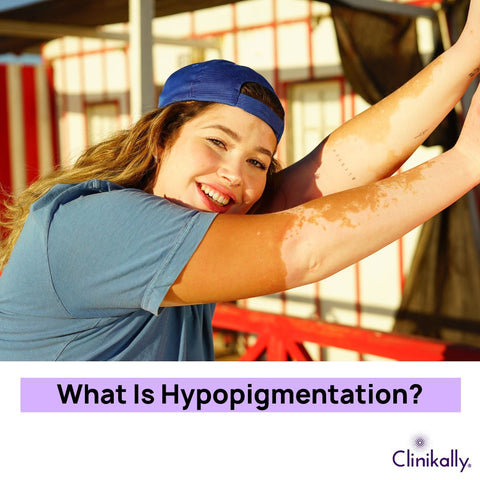
Melanin, the pigment that determines skin color, can be reduced or absent in a hypopigmentation skin disorder that causes patches of skin to look lighter than the surrounding areas. Melanocytes are specialized cells that create melanin; when these cells are absent, injured, or malfunctioning, the impacted skin areas lose their pigment, which causes obvious skin discolouration.
Hypopigmentation's meaning can take many different forms; it can start as little, almost undetectable areas or grow into larger patches that stand out against the rest of the skin tone. These areas, commonly referred to as light or white spots, may occur in any area of the body but are particularly concerning when they occur on exposed areas such as the face, neck, hands, or forearms, where they result in cosmetic problems.
Even though hypopigmentation is normally viewed as harmless medically, it can carry numerous emotional and psychological consequences on individuals, which can lead to issues such as low self-esteem or self-consciousness. The appropriate management and therapy decisions are essential to those affected since the social beauty ideals and criticisms can exert more harm on the already broken emotions. Several treatments exist to correct the skin tone and recover color, although they might not be equally effective, depending on the cause of the hypopigmentation.
The Role of Melanin in Skin Color Changes
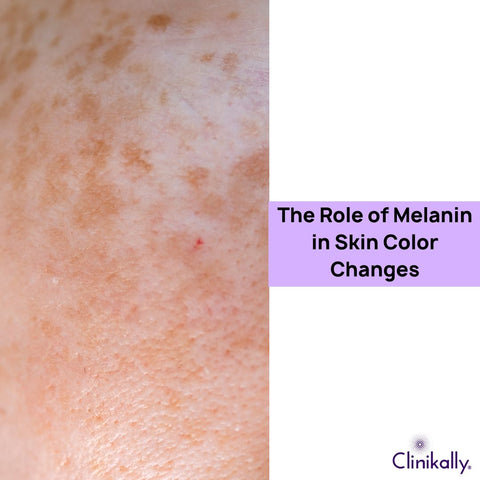
Melanin is the primary pigment that gives color to the human skin, hair, and eyes. It is produced by specialized cells known as melanocytes that are located in the basal layer of the epidermis (the outermost layer of the skin). All the melanocytes secrete melanin to the surrounding keratinocytes, which are the main skin cells, and create an umbrella-like formation around the nucleus of the cell. This shielding is necessary since it will counter and absorb ultraviolet (UV) rays, which will not cause damage to DNA due to the sun.
There are two main types of melanin:
Eumelanin – Dark brown to black pigment, providing stronger UV protection.
Pheomelanin – Yellow to reddish pigment, less protective, more common in fair skin and red hair.
The ratio, distribution, and activity of these melanin types create the wide spectrum of human skin tones.
What Affects Melanin Production?
Several biological and environmental factors regulate how much melanin your skin produces:
-
Genetic Predispositions – Your genes, inherited from your parents, decide the melanin levels on baseline. Having darker skin means that the dense melanin distribution is more enhanced with active melanocytes.
-
Enzymatic Activity (Tyrosinase) – Tyrosinase is an enzyme that is most important in the conversion of an amino acid (tyrosine) to melanin. If tyrosinase has little activity or is inactivated (as in albino patients), then melanin synthesis will be defective.
-
Effects of Inflammation or Trauma – In skin damage (burns, acne, eczema, or psoriasis), melanocytes can be damaged or inhibited, which results in post-inflammatory hypopigmentation (lighter areas). In contrast, in some cases, more pigment than needed can be produced by the melanocytes, thereby causing hyperpigmentation.
-
Autoimmune Damage – In diseases like vitiligo, the immune system destroys the melanocytes as a result of a false belief, causing the total absence of the pigments in marked areas.
Hypopigmentation vs Hyperpigmentation
Hypopigmentation is the condition that becomes visible after the production of melanin slows down or stops in some sections, resulting in patches of lighter skin or white spots on the skin. This can occur following injuries, inflammations, infections, or even in autoimmune diseases.
Hyperpigmentation, however, is caused by overproduction of melanin or inappropriate deposits in some spots, creating dark spots or uneven skin tone (such as patches of melasma or spots).
The two are components of the same biological mechanism, i.e., melanin regulation, but in opposing directions. That is why people may see that their skin is not even, either it has dark markings (hyperpigmentation) or light ones (hypopigmentation).
Common Conditions Linked to Hypopigmentation
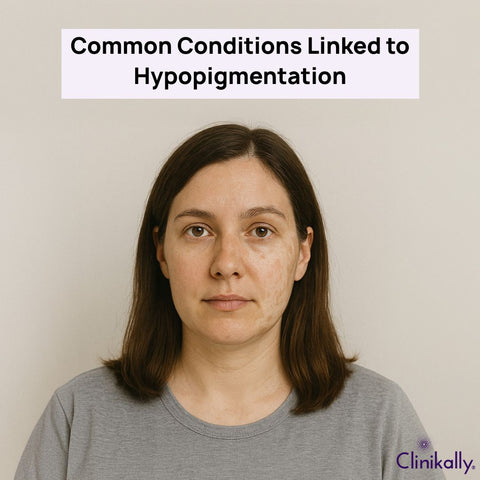
Hypopigmentation can arise from a variety of skin disorders, infections, or systemic conditions. Some of the most notable include:
-
Vitiligo: The immune system frequently targets melanocytes, or the skin's pigment-producing cells, in this non-infectious disorder. As a result, depotent patches become clearly defined and frequently symmetrical. Both rapid and slow growth of the illness are possible, and the spots can appear anywhere on the face, hands, mucous membranes, etc.
-
Albinism: A hereditary condition called albinism causes you to have low levels of melanin from birth. Albinos typically have light or white hair, pale eyes, and extremely pale skin throughout their bodies.
-
Post-Inflammatory Hypopigmentation (PIH): It is a lack of pigmentation in the skin following an injury, illness, or inflammation. Burns, psoriasis, eczema, and even cosmetic operations are common inducers. Depending on how much damage has been done to the melanocytes, the pigmentation may eventually return to normal, but the damaged areas are generally lighter in color than the surrounding skin.
-
Tinea Versicolor: A light or black scaly eruption on the trunk, upper arms, and shoulders is a superficial fungal infection caused by a type of Malassezia. After sun exposure, this patch may become more noticeable since the diseased areas of the skin do not tan while the rest of the skin does.
-
Idiopathic Guttate Hypomelanosis (IGH): Small, spherical, porcelain-white macules that are typically found on sun-exposed areas like the shins and forearms are its defining feature. It does not typically spread to larger regions and is thought to be a benign disorder linked to age and prolonged sun exposure.
-
Pityriasis Alba: Pityriasis Alba vitamin deficiency. A common condition in children and adolescents, typically following eczema or excessive dryness. It manifests as poorly defined, slightly scaly, hypopigmented patches, most often on the face, neck, or upper arms. These patches tend to improve gradually but may persist for months.
-
Leprosy and Other Systemic Causes: Additionally, hypopigmentation may result from certain systemic disorders. In leprosy, for instance, bright areas of skin may be accompanied by sensory loss because of nerve involvement. Melanin production may be disrupted, and hypopigmented lesions may result from other chronic infections, nutritional deficits, or systemic illnesses.
Causes and Symptoms to Recognize
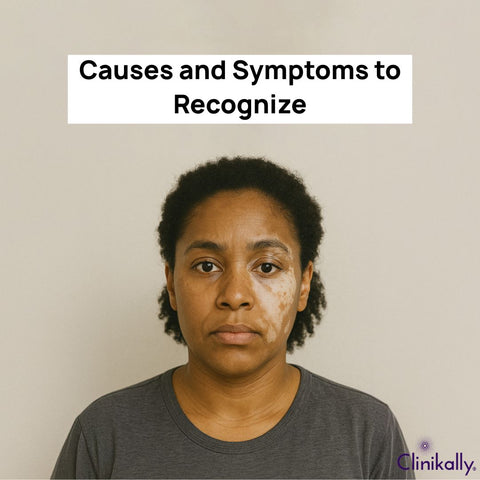
This disorder may occur regardless of skin color and may develop upon inflammation, trauma, or some skin conditions. This can be achieved by understanding the common causes and early signs of hypopigmentation so that it can be detected early enough and appropriate treatment taken to restore even pigmentation.
Medical Conditions That Lead to Skin Lightening
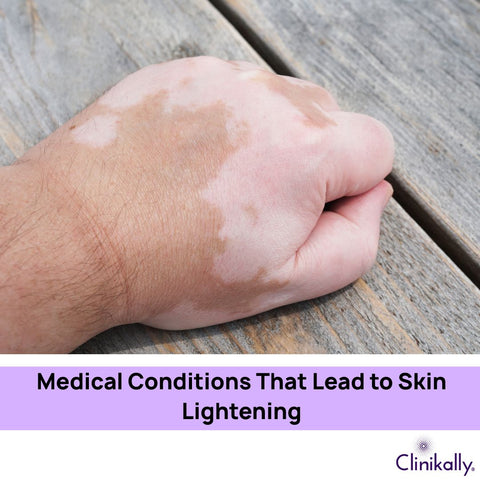
Hypopigmentation causes changes that might be related to underlying medical issues and are not necessarily just cosmetic. Melanocytes, the cells that give skin its color, can be damaged or melanin synthesis disrupted, which is why some parts of the skin look lighter than others. These disorders can affect little patches or huge sections of skin, and they can appear gradually or suddenly. To ensure appropriate diagnosis, care, and therapy, it is critical to comprehend the medical causes of skin whitening.
-
Vitiligo is a skin condition that is characterized by symmetry and may even become severe over time. It may co-occur with additional autoimmune diseases like thyroiditis.
-
Albinism is a genetic disease that deprives or has little color in the skin where melanin which resulting in little or no color.
-
Tinea versicolor is a problem that occurs when a fungus develops abnormally to affect the system of melanocytes, the cells that create melanin.
-
Age-related marking. Idiopathic guttate hypomelanosis resembles liver spots. They are not malignant.
-
The moles that have a whitish halo that lacks pigment are known as halo nevi.
-
These conditions are worth knowing about regarding the medical issues that surround hypopigmentation.
Post-Inflammatory Hypopigmentation After Skin Damage
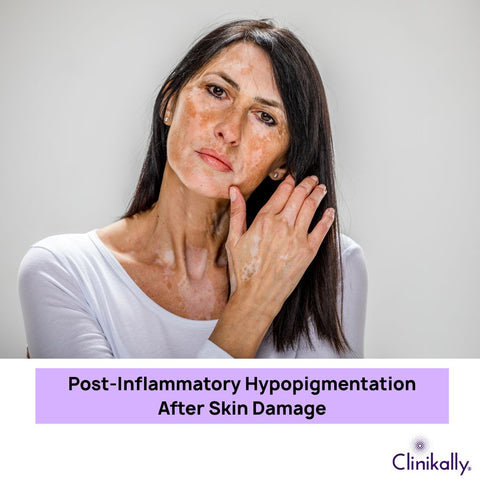
When the skin is torn, either through physical injuries, burns, or other ailments such as acne or eczema, the pigment-producing cells (melanocytes) can accidentally be damaged during the healing process. This destruction can cause lighter, less coarse areas to be present in parts of the skin where irritation or inflammation had been experienced before. The condition is also referred to as post-inflammatory hypopigmentation.
Some notable instances include:
-
The skin may have an uneven pigmentation after solving the chronic skin conditions, such as eczema or psoriasis.
-
Cosmetic surgery may result in trauma, which disturbs the natural color of the skin, like chemical peels or laser therapy.
-
The traces of insect bites or physical scratches can lead to discoloration of the skin after the first damage is healed.
These lighter areas may eventually return to their original color, but in other cases, the pigmentation shift may be irreversible, leaving people with enduring reminders of the struggles their skin has faced.
Visible Signs of Hypopigmentation on Skin
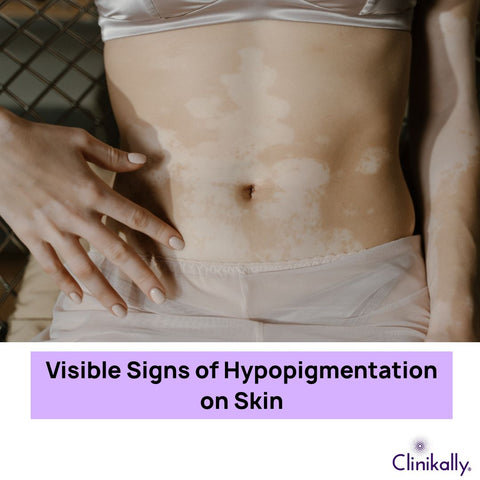
Hypopigmentation manifests through several distinct symptoms that can vary in appearance and characteristics:
-
Pale or White Patches: The most noticeable symptoms include the appearance of skin patches that are lighter than the rest of the skin. When compared to the natural skin tone, these areas can be extremely pale and tend to be white.
-
Shape Variability: Some Softball patches are round, while others are circular, uneven, or otherwise clearly defined. The arrangement of these patches can vary significantly. The many curves that each patch may have can be shared by the surrounding skin.
-
Texture Consistency: The surrounding skin and the afflicted areas typically have the same texture. In contrast to other skin conditions, hypopigmented patches seem smooth and similar to normal skin rather than scaly or harsh to the touch.
-
Asymptomatic Nature: The majority of the time, these patches might not bother a person; that is, they don't make them itchy or painful. This is the type of differentiation that is made with hypopigmentation and other skin-related issues. Related symptoms could exist unless there is an underlying condition, such as eczema.
-
Recognizing Triggers: One should consider the moment the patch formed, how it developed over time, and potential triggers in order to accurately describe hypopigmentation. The problem can be better understood in light of factors including prolonged sun exposure, skin irritation, or a family history of comparable skin conditions.
Treatments and Care Options
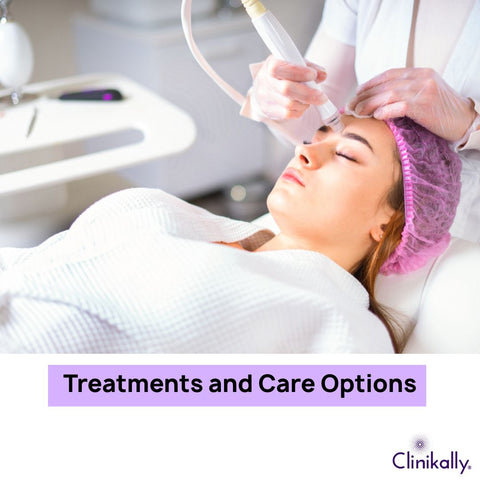
A gentle yet consistent approach is necessary for hypopigmentation treatment to preserve the skin, encourage pigment regeneration, and prevent further imbalance. Regular skincare combined with tailored treatments helps establish an environment that supports melanocyte repair and enhanced performance; however, results may not be seen right away.
-
Topical corticosteroids: For Hypopigmentation treatment, they are commonly used when hypopigmentation follows inflammation (post-inflammatory hypopigmentation). Reduce inflammation and may help stimulate repigmentation.
-
Topical calcineurin inhibitors (e.g., tacrolimus, pimecrolimus): An alternative to steroids, especially for sensitive areas like the face or in long-term therapy.
-
Phototherapy: PUVA (psoralens + UVA): Sometimes prescribed for vitiligo to encourage repigmentation. Excimer laser or narrow-band UVB: Targeted light treatments that activate melanocytes and promote melanin production.
-
Skin camouflage: Specialized makeup or self-tanning products can blend lighter patches with the surrounding skin tone.
-
Surgical Approaches (for severe cases): In select situations, dermatologists may consider skin grafting or melanocyte transplantation when other therapies are not effective.
-
Supportive Care: Dermatologists often recommend pairing medical treatments with sun protection, barrier-repairing skincare, and antioxidant support to maintain results and prevent further pigment imbalance.
-
Microneedling with growth factors (experimental): Stimulates skin repair and may encourage melanocyte regeneration. Still under investigation; not standard therapy yet.
Skincare Routines That Support Pigment Balance
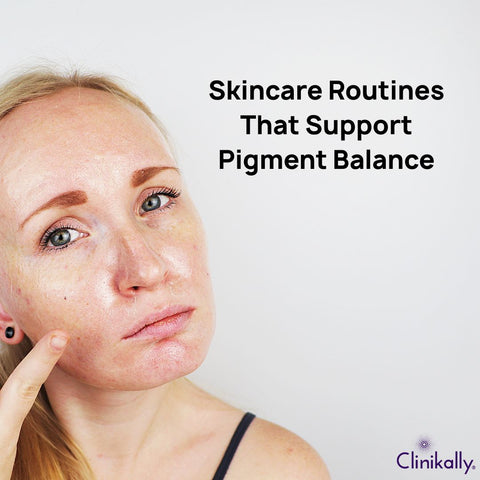
Providing a soothing, protective environment that enables the skin to heal and regain its natural balance is the aim of hypopigmented skin care, not merely to make the skin seem better. Strengthening the skin barrier, preventing UV damage, and providing nourishment without irritation are the goals. As it promotes slow healing and prevents setbacks, avoiding harsh or aggressive therapies is equally important.
-
Cleansing: Use a gentle, fragrance-free cleanser that effectively removes dirt, oil, and impurities without stripping the skin. Harsh foaming or heavily fragranced products can irritate the skin, potentially worsening hypopigmentation or delaying barrier repair. Opt for cream or gel-based cleansers that leave the skin feeling clean yet comfortable.
-
Sun Protection (Most Important Step): Since hypopigmented skin lacks sufficient melanin to shield itself from UV damage, daily broad-spectrum sunscreen (SPF 30 or higher) is essential. This protects the skin not only from sunburn and premature aging but also from uneven tanning that can make light patches appear more pronounced. Choose sunscreens with added soothing or hydrating ingredients such as glycerin, squalane, or centella asiatica for added comfort.
-
Moisturizing: A hydrating moisturizer rich in skin-repairing ingredients like niacinamide, panthenol, ceramides, and hyaluronic acid helps reinforce the skin barrier and reduce irritation. Niacinamide, in particular, supports an even tone while calming inflammation, creating an environment that allows pigment cells (melanocytes) to function more effectively.
-
Night Care: At night, incorporating antioxidants such as vitamin C, resveratrol, or green tea extract can help neutralize oxidative stress that may damage melanocytes and interfere with pigment production. Gentle formulations are preferable to strong acids or highly concentrated serums may overwhelm sensitive areas and worsen the imbalance.
-
What to Avoid: Skip harsh exfoliants (like strong AHAs, BHAs, or scrubs) and aggressive treatments that can cause inflammation. Irritation often triggers further pigment disruption, making hypopigmented patches on the face harder to recover. Instead, focus on nourishing and protective steps to encourage gradual improvement.
Natural Remedies and Lifestyle Adjustments
While the evidence regarding hypopigmentation treatment at home can vary, several approaches may be beneficial:
-
Gentle Massage: Try rubbing the surrounding area with oils of anticancerous nature, jojoba or coconut oil. Not only can this practice offer relief to the hammock, but it also improves circulation that leads to healthier skin.
-
Balanced Diet: Eating a diet that is high in essential vitamins and minerals can be critical to skin health. Emphasis should be on the consumption of foods that are rich in vitamins A, C, and E and minerals such as zinc. These are essential nutrients in repairing the skin and helping the melanocytes, cells that provide skin pigmentation.
-
Minimizing Inflammation Triggers: It is critical to avoid anything likely to cause skin inflammation. This encompasses avoiding the use of harsh chemicals present in certain skin care products, reducing friction that is applied on the skin, and avoiding any temperature extreme changes that would trigger sensitivity.
-
Stress Management: Verification of stress is important, as a state like vitiligo can be aggravated by a high level of stress, which can disrupt the immune system. It may be a good idea to integrate relaxation strategies into your regimen, like mindful meditation, yoga, or other stress-management practices.
It’s essential to remember that while these home care strategies may provide support, they should not replace medical treatments. Always consult with a healthcare professional before implementing new approaches to ensure they complement your existing treatment plan.
Final Thoughts on Managing Hypopigmentation

Hypopigmentation can be emotionally difficult because the skin becomes less pigmented due to inflammation, trauma, or a disease such as vitiligo. Luckily, the present treatment options of restoring skin color and improving the appearance have much to be optimistic about. The treatment of hypopigmentation depends on some factors, which are important to the success:
-
Understanding the Underlying Cause: Identifying the root of the hypopigmentation is essential. This may stem from various sources, including infectious agents, autoimmune responses, or post-inflammatory changes following skin trauma.
-
Seeking Expert Dermatological Advice: Consulting with a qualified dermatologist who specializes in pigmentation disorders is crucial. Their expertise can guide you toward the most effective treatment strategies tailored to your specific condition.
-
Adopting a Consistent Skincare Routine: Establishing a daily skincare regimen that includes gentle cleansing, moisturizing, and most importantly, sun protection, is vital. Protecting the skin from UV rays helps prevent further discoloration and supports the healing process.
-
Utilizing Targeted Treatments: When appropriate, incorporating specialized therapies such as topical agents, which may include corticosteroids or retinoids, as well as innovative treatments like light therapy, can significantly enhance skin pigmentation recovery.
-
Incorporating Natural Lifestyle Support: Although it’s important to do so under professional guidance, integrating natural methods to support skin health, such as a balanced diet rich in vitamins and antioxidants, can complement medical treatments.
In dynamic diseases such as post-inflammatory hypopigmentation, early management is often crucial, especially in the context of greatest results. A long-term follow-up approach is essential to chronic illnesses such as vitiligo to monitor progress and implement required adjustments to therapy. Being proactive about hypopigmentation may help those who are hypo struggling to find their hope and a means of recovery.