Ingrown Toenails: Causes, Care & Prevention
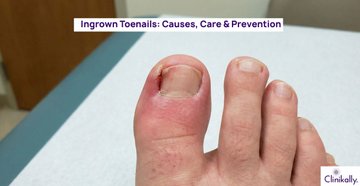
An ingrown toenail is formed when the corner of a toenail grows into the skin. It is a typical problem when you cut your toenails by tapering at the corners. Ingrown toenails are typically not hazardous and can be treated at home. If you have diabetes or suspect you have an infection, see your doctor. In this blog, we'll look at ingrown toenails, their causes, treatment, and prevention.
Understanding Ingrown Toenails: The Basics
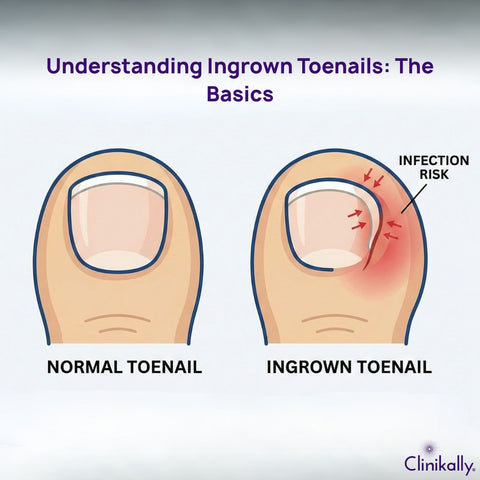
An ingrown toenail is a foot problem that occurs when the corner of a toenail grows into your skin. It typically affects the big toe, but it can affect any of the toes. People frequently develop the illness after cutting their toenails by rounding (tapering) the corners. If the toenail follows the shape of your toe, it may grow into your skin. Ingrown toenails are frequent and rarely constitute a health risk to healthy persons. Anyone can develop an ingrown toenail. Adolescents, athletes, and those who have:
-
Diabetes.
-
Severe nerve damage in their leg or foot.
-
Poor blood circulation.
-
A nail infection (paronychia).
How Toenails Grow: A Quick Anatomy Lesson
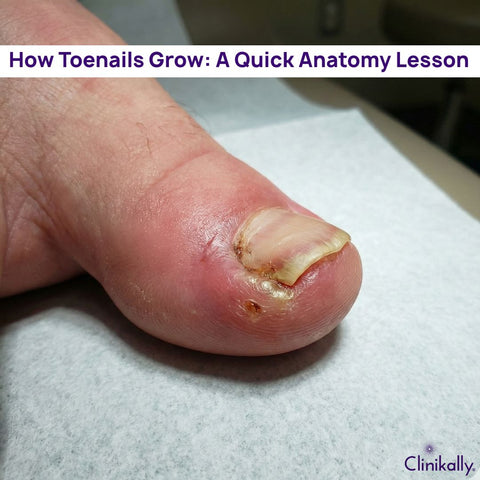
Toenails may appear simple, but their growth is a complex biological process regulated by a specific structure beneath the epidermis. Understanding their anatomy helps to explain why things like ingrown toenails, fungal infections, and sluggish nail growth happen. Basic toenail anatomy comprises the following:
-
Nail matrix (root): It is the nail's growth core, found beneath the epidermis at the base of the nail (below the cuticle). It creates new keratin cells, which harden and push the nail forward. Damage to the matrix can cause changes in nail form and sluggish growth.
-
Nail plate: The visible, hard section of the toenail composed of keratin. Grows out of the matrix to protect the tips of the toes.
-
Nail bed: The nail bed is the skin beneath the nail plate that contains many blood vessels. Provides nutrition and provides the nail a pinkish tint. Damage or infection here can result in discolouration or separation.
-
Lunula: The lunula is the half-moon shape at the base of the nail. Visible section of the matrix, indicating good nail growth.
Common Triggers: Shoes, Trimming & Genetics
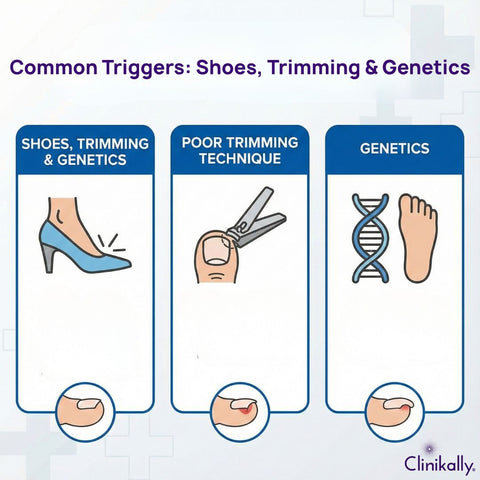
Ingrown toenails and other nail issues are frequently caused by a combination of causes. Understanding these factors might help you avoid discomfort and keep your nails healthy.
- Improper footwear: Wearing the wrong shoes is one of the leading causes of toenail problems. Tight or ill-fitting shoes can crowd the toes, pushing the nail edges into the surrounding flesh. Increase the pressure and friction, particularly in narrow or pointed shoes. Encourage sweat and moisture buildup, which softens the nail and skin while increasing the risk of nail deformities and infections. Choose shoes with a large toe box. Choose breathable textiles to decrease dampness. Avoid wearing high heels or shoes that put pressure on your toes for extended periods of time.
- Poor trimming technique: How you cut your toenails has a significant impact on nail health. Common blunders include rounding corners, cutting too short, and pulling or shredding nails. Proper trimming techniques include cutting straight across rather than curved, using clean, sharp clippers, and leaving a small piece of white edge exposed.
- Genetics: Your DNA may predispose you to toenail disorders, particularly ingrown nails. Naturally curved or fan-shaped nails, enlarged nail plates or uneven development patterns, a proclivity for excessive sweating (hyperhidrosis), and foot structure that causes nail pressure are all inherited features.
Risk Factors: Why Some Feet Are More Prone

Not everyone is equally susceptible to toenail problems such as ingrown nails and fungal infections. Certain biological, behavioral, and environmental factors may make some feet more vulnerable than others.
-
Foot shape and structure: Curved or fan-shaped toenails naturally grow inward along their edges. Flat feet or high arches can affect pressure distribution, increasing friction at the toes. Toe abnormalities, such as hammertoes or bunions, can cause the nail to bend abnormally.
-
Excessive sweating: It softens nail and skin tissue, which increases the chance of penetration. Damp conditions encourage bacterial or fungal growth, which weakens the skin barrier.
-
Poor circulation: Conditions such as diabetes and peripheral artery disease reduce blood flow, slowing healing and increasing infection risk. Cold feet or tingling sensations may be early indicators of circulation problems affecting nail health.
-
Poor hygiene and nail maintenance: Washing feet infrequently or failing to fully dry them might increase skin breakdown. Neglected nails may get excessively long, thick, or curl inward.
-
Age-related changes: As we age, our toenails gradually thicken and become fragile. Reduced flexibility and vision in older persons may make correct trimming more challenging.
-
Athletic activity: Running, hiking, or wearing tight athletic shoes can all cause nail stress. Sweat and impact increase the likelihood of bruised nails, fungal infection, or ingrowth.
-
Inherited tendencies: Genetics can influence nail thickness, shape, and curvature, all of which affect risk. Families with a history of ingrown nails may pass on sensitive characteristics.
-
Medical condition: For example, diabetes, thyroid problems, and fungal infections can impair nail and skin health. Chemotherapy and immunosuppressive medications, for example, may impede nail development or change texture.
Treatment Pathways: From Home Care to Clinical Procedures
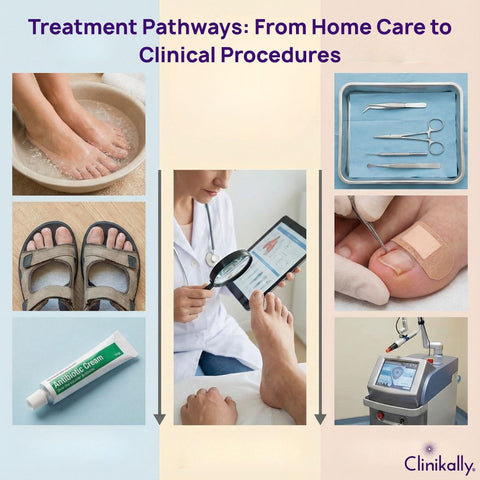
The appropriate treatment for an ingrown toenail or nail condition is determined by the severity of the symptoms and underlying cause. There are numerous treatment options available, ranging from basic home cures to surgical procedures.
-
Home care for mild cases: When symptoms are detected early (little discomfort, slight redness, no infection), conservative home care is frequently helpful. Warm soaks, cotton or dental floss lift, topical antibiotic ointment, appropriate footwear, and pain control are all important at-home therapies.
-
When to visit a doctor: Seek medical attention if you experience chronic or worsening discomfort, infection symptoms (pus, spreading redness, fever), repeated ingrown toenails, or underlying health concerns such as diabetes, poor circulation, or nerve damage.
-
In-office medical treatments: If home care fails or difficulties emerge, a podiatrist or doctor may propose the following: nail elevation and packing, partial nail removal, matrixectomy, and complete nail removal.
-
Post-treatment care: Regardless of the treatment type, proper aftercare is essential. Keep the area clean and dry, follow wound care instructions, avoid tight shoes until healed, and keep an eye out for signs of infection.
-
Advanced or recurrent cases: For chronic or resistant cases, physicians may prescribe custom orthotics to relieve pressure on the toes, laser therapy for fungal infections or resistant inflammation, and biopsy or lab tests if the nail disease is unexplained or persistent.
Soothing at Home: Warm Soaks & Protective Padding

Simple, calming home remedies can often effectively treat early-stage ingrown toenails or toe inflammation. Warm water soaks and protective cushioning are two of the most effective and safe solutions. These strategies serve to reduce inflammation, relieve pain, and promote healing without the need for immediate medical attention.
-
Warm soaks: Soaking your feet in warm water softens the skin, decreases swelling, relieves discomfort, and can help remove minor infections or trapped dirt. Fill a basin with warm water (not hot). Optional ingredients include epsom salt (1-2 teaspoons) to relieve inflammation and a few drops of tea tree oil (optional) for antibacterial properties. Soak your foot for 15-20 minutes, 2-3 times each day. Following that, use a clean towel to gently pat dry.
-
Protective padding: It helps to protect the delicate skin around the nail from direct pressure and friction generated by shoes while walking. Toe caps (also known as gel toe sleeves) are soft, flexible covers that cushion the entire toe. Foam toe separators are effective when nearby toes are rubbing against the damaged nail. For comfort and cleanliness, lightly wrap the toe with nonstick bandages or gauze pads. After your foot has soaked and dried, apply cushioning. To prevent blood flow from being restricted, make sure it is not too tight. To keep the padding clean, replace or wash it on a daily basis.
When to See a Podiatrist: Warning Signs to Watch
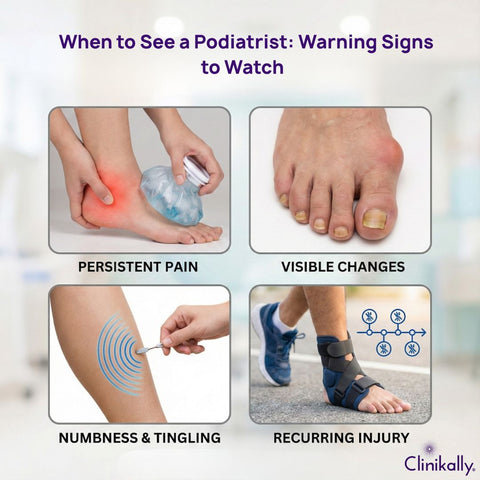
While many toenail problems can be treated at home, there are situations when medical treatment is not just beneficial—it is required. Ignoring certain symptoms may result in serious infections, delayed healing, or permanent nail damage. The primary signals that it's time to see a podiatrist are:
-
Signs of infection: Increased pain, redness, or swelling near the nail. Pus or leakage from the nail fold, foul odor, and fever or chills (indicates that the illness is spreading).
-
Chronic or recurring ingrown toenails: You have experienced the same problem several times. Home care is not solving the problem. Even when correctly trimmed, the nail continues to grow into the skin.
-
Bleeding or discoloration: Dark streaks beneath the nail (particularly if they do not grow out with the nail). persistent bruising, cracking, or lifting of the nail plate, as well as atypical nail thickness or color/texture changes.
-
Difficulty walking or wearing shoes: Nail pain disrupts regular activities. You're compensating by altering your gait, which might lead to further issues such as back or hip pain.
-
Underlying health conditions: Diabetes, poor circulation, or nerve damage are all possible underlying health issues. These disorders impair healing and increase the risk of infection, so even minor toenail problems can become serious.
-
Nail trauma or deformity: The nail is partially or totally removed, there has been repetitive injury to the nail, and the nail is growing in a twisted, thicker, or deformed pattern.
-
Failed home treatment: After several days of constant care (soaks, padding, topical ointments), there is no change and the symptoms intensify.
Office-Based Options: Lifting, Partial Removal & Beyond
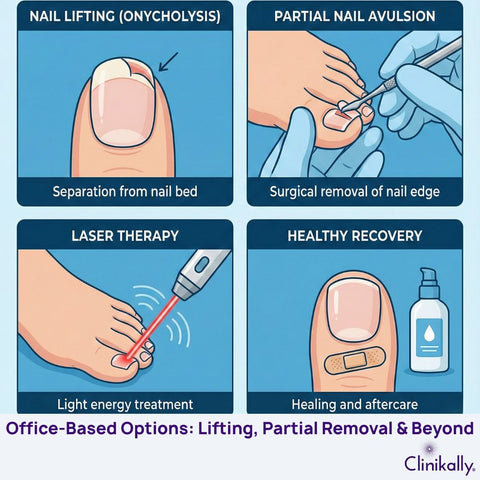
When at-home therapies are ineffective, podiatrists use a variety of in-office procedures to ease pain, prevent recurrence, and effectively cure infection. These treatments are usually rapid, done under local anesthetic, and involve little downtime.
-
Nail lifting and packing: The podiatrist carefully raises the edge of the ingrown nail and inserts a little piece of sterile cotton, dental floss, or gauze underneath. Encourages the nail to grow above the skin rather than into it, which relieves pressure and pain and allows the surrounding skin to heal. Ideal for early-stage ingrown nails with no symptoms of infection.
-
Partial nail avulsion: The doctor uses local anesthesia to trim and remove only the ingrown section of the nail, leaving the remainder intact. It relieves pain and inflammation immediately while also allowing the nail to heal properly over time. Best for moderate to severe ingrown nails, as well as those that are infected or reoccurring.
-
Chemical matrixectomy: Following partial removal, a chemical (typically phenol or sodium hydroxide) is given to the nail matrix—the root area—to prevent that segment of the nail from growing back. It inhibits ingrowth from recurring on the treated side while preserving the look of the remaining nail. Ideal for chronic, recurring ingrown nails and patients looking for a long-term treatment.
-
Surgical matrixectomy: In severe or resistant situations, the ingrown part and a portion of the matrix are surgically removed rather than chemically eliminated. It provides a permanent solution while lowering the chance of regrowth or future deformities. Best suited for patients with badly bent or damaged nails who have not responded to chemical therapies.
-
Total nail avulsion: It is the removal of the entire nail plate when it is too broken, diseased, or malformed for piecemeal operations. Treats chronic fungal infections, trauma damage, and extensive ingrowth. Allows for complete regeneration (unless irreversibly treated). Ideal for advanced fungal infections and chronic pain with minimal cosmetic concerns.
-
More tools and technologies: Infected nail beds can be treated with antibiotics or with drainage. Laser therapy is used in some clinics to treat fungal infections and inflammation. If foot mechanics are a contributing cause, custom orthotics can help relieve pressure.
Future-Proofing Your Feet: Prevention Strategies That Work

Preventing toenail problems before they occur is the most effective method to avoid discomfort, infection, and unnecessary medical procedures. With a few smart behaviors and thoughtful choices, you can future-proof your feet and keep your toenails healthy for life. Effective prevention techniques include trimming toenails correctly, using foot-friendly footwear, prioritizing foot hygiene, managing sweat and moisture, inspecting your feet periodically, protecting your feet during activities, not ignoring early signs, and considering expert care. Adopting these simple yet effective behaviors can preserve your feet now and in the future, keeping them strong, pain-free, and trouble-free.