Who Needs Supplements for Optimal Health?
Doctor's Desk
Author
2 Jan, 2026
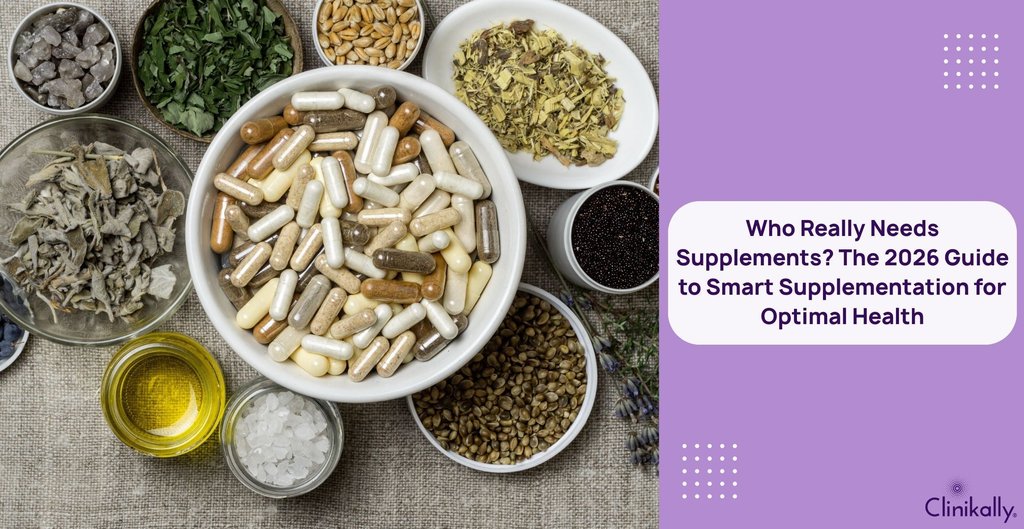
In today's health-conscious world, supplements abound on store shelves and in our social media feeds, promising anything from better sleep to greater immunity and longer life. But who needs them? And which are worth the money? This 2026 guide breaks through the hype to help you make informed, scientifically supported supplement decisions.
Why Supplements Have Become a Daily Essential

Supplements include vitamins and minerals, herbs, amino acids, enzymes, and other nutritional substances used to improve one's diet. They are available in many forms, including pills, capsules, powders, gummies, and liquids.
The rise of nutrient deficiencies in modern diets

Despite living in an era of abundant food and superior medical understanding, nutritional deficiencies are making an unexpected resurgence. From busy professionals skipping meals to teenagers surviving on energy drinks and processed snacks, modern diets, which are frequently heavy in calories but poor in nutrients, are silently contributing to a public health problem.
Lifestyle habits that increase supplement needs

The top lifestyle factors that can increase your nutritional requirements are:
-
Chronic stress: Chronic stress depletes nutrients such as magnesium (required for relaxation and muscle function), vitamin C (used in stress hormone production), and B vitamins (essential for nervous system health). Consider B-complex, magnesium glycinate, or adaptogens such as ashwagandha (under expert supervision).
-
High caffeine intake: Caffeine is a diuretic, so it can flush away minerals including magnesium, calcium, B vitamins, and iron. Take a quality multivitamin and avoid caffeine with iron-rich foods.
-
Frequent alcohol use: Frequent alcohol consumption decreases nutrient absorption and liver function, depleting vitamins B1 (thiamine), B6, folate, magnesium, and zinc. A B-complex supplement including liver-supporting elements such as milk thistle may assist to balance out any imbalances.
-
Sedentary lifestyle or overtraining: Sedentary habits slow metabolism and nutrient circulation. Overtraining raises the demand for electrolytes, protein, iron, and vitamin D (for recuperation and immunity). Active people may benefit from additional protein, omega-3s, magnesium, and customized pre/post-workout solutions.
-
Restrictive or special diets: Eliminating dietary groups raises the risk of deficiencies, including vegan/vegetarian (B12, iron, omega-3, zinc), keto (fiber, potassium, magnesium, several B vitamins), and gluten-free. Supplement strategically according to what your diet is lacking. Blood testing assists in guiding this process.
-
Limited sun exposure: Vitamin D is generated in the sun. Working inside, wearing sunscreen, or living in northern latitudes can all contribute to deficiency. Vitamin D3 (ideally combined with K2 for bone and heart health).
-
Regular use of certain medications: Common drugs that interfere with vitamin absorption include antacids/PPI (lower B12, calcium, magnesium), birth control (lower B6, B12, folate, zinc, and magnesium), and metformin. When using long-term drugs, always consult with your doctor before augmenting.
-
Poor sleep habits: A lack of sleep raises cortisol and inflammation, necessitating additional magnesium, B vitamins, vitamin C, and D. Magnesium (glycinate or citrate) and melatonin may help you sleep better, but you should first address your sleep hygiene.
-
Smoking: Nicotine and other chemicals deplete vitamin C, vitamin E, beta-carotene, and selenium. Antioxidants and vitamin C support immune function and reduce oxidative stress.
When food isn’t enough: Bridging nutrition gaps

You eat your greens, choose whole grains, and avoid ultra-processed meals, so you're doing everything correctly, right? In theory, absolutely. However, in actuality, even a well-planned diet may fall short. Smart techniques, including targeted supplementation, can help bridge the gap between what you eat and what your body requires.
-
Depleted soil and food quality: Modern agriculture has resulted in reduced nutrient density in fruits and vegetables. Intensive farming, monocropping, and long storage times result in lower magnesium, iron, and zinc levels in vegetables, since nutrients decay before reaching your plate.
-
Busy lifestyles: Skipping meals, eating late, or relying on convenience foods—even those labeled "healthy"—can result in inconsistent nutrient intake.
-
Dietary or food restrictions: Whether you're vegetarian, gluten-free, keto, or have food allergies, you're probably missing out on important nutrients.
-
Food overprocessing: Many popular foods are high in calories but low in nutrients, having been stripped of essential vitamins, minerals, and fiber.
Who Should (and Shouldn’t) Be Taking Supplements?

Supplements are not magic medicines, but they can be beneficial when used correctly. The sensible strategy is to test, not guess, eat whole foods first, supplement to support—not replace—a healthy lifestyle, select high-quality, third-party tested brands, and consult your healthcare practitioner.
Adults with hectic schedules and poor diets

If you're often on the go and eating convenience foods, specialized vitamins can help you stay energized, focused, and resilient. They won't repair everything, but they can help fill in the gaps until life calms down and your nutrition improves.
Children, teens, and elderly: Special considerations

Nutrient requirements vary greatly throughout life. Each stage of life presents its own set of dietary problems, from fast development in infancy and adolescence to slower metabolism and absorption alterations as we age. While food should always be the foundation, supplements can be extremely beneficial when needs are not satisfied.
-
Children (Ages 2–12): Calcium and vitamin D are essential for healthy bones and teeth, iron supports brain growth and oxygen transport, omega-3s (DHA) promote cognitive development, vitamins A, C, and E promote immunological function and skin health, and zinc promotes wound healing and immune support. Safe supplementing includes multivitamins prepared for age and weight, vitamin D3 drops or chewables, especially in the winter, iron only when prescribed (excess can be hazardous), and DHA supplements derived from algae or fish oil.
-
Teens (Ages 13–18): Key needs include iron (especially for menstruating girls), calcium & vitamin D (90% of peak bone mass is built during adolescence), B vitamins (energy, mood, metabolism), zinc & magnesium (skin health, growth, hormone support), and omega-3s (mental health, focus, academic performance). Supplement recommendations include teen-specific multivitamins (no adult mega-doses), iron and calcium if bloodwork or food intake is low, and magnesium or omega-3s for attention, anxiety, or mood difficulties.
-
Elderly (65+): Key nutritional requirements include vitamin B12 (absorption declines with age), calcium and vitamin D (prevent bone loss and fractures), magnesium (muscle function, heart rhythm), Omega-3s (heart, joint, and cognitive health), protein (muscle maintenance and recovery), and fiber and probiotics. Recommended supplements include B12 (sublingual or injectable) for energy and cognition, vitamin D3 with K2 for bone and heart health, calcium citrate (easier to absorb for people with low stomach acid), omega-3s for heart and brain health, and fiber or prebiotic mixes to improve digestion.
Fitness enthusiasts and their unique requirements

For fitness enthusiasts, recuperation is as vital as training. Supplements can help you train smarter, recover quicker, and avoid burnout—but only when they're tailored to your specific objectives, body, and routines. Prioritize quality, consistency, and a food-focused approach.
How to Choose the Right Supplement for Your Body

With dozens of supplements on the market, each promising to boost energy, immunity, or performance, how can you know what you need? The appropriate supplement can help fill nutritional gaps, but the wrong one can be ineffective, costly, or even hazardous. This guide takes you through a step-by-step procedure for making wise, tailored decisions.
-
Step 1: Identify your unique needs: Begin with a self-assessment, such as "Do I have low energy, poor sleep, or frequent illness?" Am I pregnant, elderly, very active, or stressed? Do I adhere to a specific diet (vegan, keto, gluten-free)? Was I diagnosed with a deficit or a chronic condition? Do I use any drugs that could impair nutritional absorption?
-
Step 2: Test, don't guess. Before grabbing a bottle, consider bloodwork (ask your doctor to test for vitamin D, iron, B12, magnesium, thyroid, and other nutrients), symptom logs (monitor patterns in energy, mood, digestion, and sleep), and professional advice.
-
Step 3: Choose quality over hype: Not all vitamins are created equally. Look for high-quality formulae, clinically effective doses, and bioavailable forms (for example, methylated B12, chelated minerals, D3 over D2).
-
Step 4: Match the supplement to your goal: B12, iron (if deficient), Rhodiola, CoQ10, energy and focus (Vitamin C, D3, zinc, probiotics), muscle gain (Protein powder, creatine, BCAAs), stress and sleep (magnesium (glycinate), L-theanine), ashwagandha, healthy aging (omega-3s, calcium + vitamin D, B-complex), and vegan diet support (B12, iron, zinc, omega-3 (algae), D3)
-
Step 5: Know when & how to take it: Timing and absorption matter such as fat-soluble vitamins (A, D, E, K) (take with food containing fat), iron (take on an empty stomach or with vitamin C—but not with calcium), magnesium (evening is best for calming effect), protein (take post-workout or between meals) and Pre-workout (30–60 minutes before training).
-
Step 6: Be cautious about interactions: Some supplements interact with medications or with each other, such as calcium blocking iron absorption, vitamin K interfering with blood thinners, and affecting many medications (birth control, antidepressants).
-
Step 7: Reassess every 3–6 months: Your body changes. So should your supplements. Life transitions (pregnancy, menopause, increased activity, illness) affect needs. Test results may improve, and dosages may need adjusting. New habits or diets may eliminate the need for certain supplements. Supplements should evolve as your health journey does.
Gender, age, and activity level: What matters most

Your gender, age, and level of fitness are all parts of who you are. The most intelligent supplementation approach:
-
Begin with blood work and symptoms.
-
Considers life stage, hormonal balance, and activity level.
-
Adjusts as your body, lifestyle, or goals change.
Signs you may need specific nutrients

Symptoms are the body's early warning system. Before augmenting, pair them with tests and professional guidance, and prioritize diet above supplements.
Talking to your doctor about supplementation

Speaking with your doctor about supplements is one of the most prudent measures you can take, especially before self-prescribing based on trends or symptoms alone. Supplements are effective tools—but only when supported by research, laboratory testing, and professional oversight.
Your Personalized Supplement Roadmap Starts Here
Navigating the supplement world does not have to be daunting or uncertain. With the appropriate methodology, you can create a tailored, safe, and effective strategy that supports your specific body, objectives, and lifestyle—no guesswork required. This plan helps you move from confusion to confidence in seven smart steps.
-
Know why: Set clear goals: Are you want to raise your energy, improve your immunity, train harder, or age better?
-
Gather the data: Test before supplementing. Based on your symptoms, consult your doctor about critical lab tests such as Vitamin D, B12, iron, magnesium, thyroid, CRP, and others.
-
Consider your identity: Think about your age and gender, activity level, dietary limitations, medical history, and prescriptions.
-
Prioritize quality over hype: Look for therapeutically relevant doses, bioavailable formulations, and third-party validation.
-
Take it right: Timing is important, including fat-soluble vitamins (A, D, E, K) with food, iron (on an empty stomach with vitamin C), and magnesium (at night for better sleep).
-
Track and adjust: Record how you feel. Reevaluate supplements every 3-6 months or after significant life changes (such as pregnancy, a new workout routine, or illness).
-
Collaborate with a Pro: Consult with a doctor or dietician who values both science and your goals. Supplements should not be generic, but rather individualized.