Is Electrolysis the Best Skin Hair Removal Solution? Find Out
Laser hair removal and electrolysis are two prominent long-term hair removal techniques. Both act by targeting hair follicles beneath the skin's surface. In this blog, we will learn about electrolysis, which is the best skin hair removal solution.
Understanding the Basics of Electrolysis
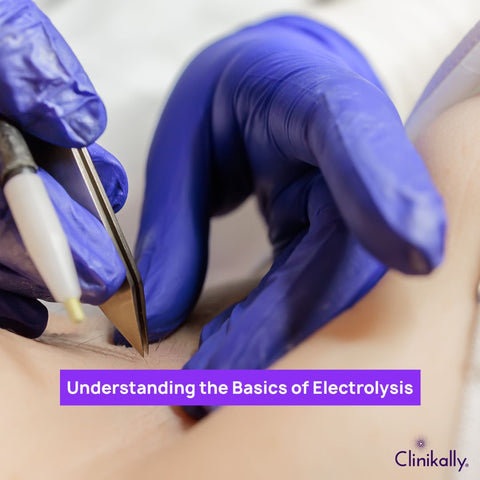
Understanding electrolysis allows you to appreciate its precision, dependability, and comprehensive effectiveness. While it takes time and care, it produces long-lasting effects where other techniques fail—particularly for light-colored or hormonally impacted hair. If you're searching for a long-term hair removal method that works for all skin types and tones, electrolysis is a tried-and-true alternative worth considering.
What Is Electrolysis and How Does It Work?
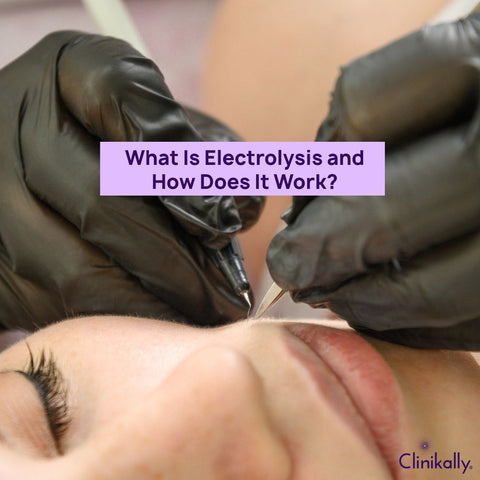
Electrolysis is a permanent hair removal technique that uses electrical currents to damage individual hair follicles at their roots, preventing regrowth. The process involves a few precise steps:
-
Insertion: A very fine, sterile probe (not a needle) is gently inserted into the natural opening of the hair follicle. It does not cause any skin punctures.
-
Electric Current Application: The probe delivers an electric current to the follicle's base. This current destroys the hair growth cells in one of three ways. Galvanic electrolysis destroys follicles by causing chemical reactions with direct current. Thermolysis generates heat and disables the follicle by using shortwave radiofrequency. The blend method combines both to provide a more effective treatment, particularly for coarse or stubborn hair.
-
Hair Removal: After the follicle has been treated, the hair is carefully removed with tweezers.
Types of Electrolysis: Galvanic, Thermolysis, and Blend Methods
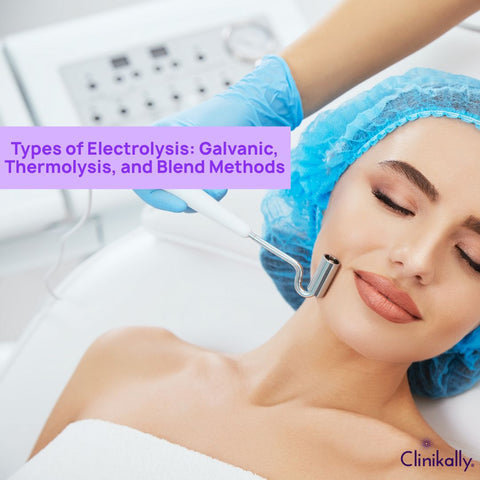
Electrolysis may appear to be a single therapy, but it actually consists of three unique varieties, each of which uses a different technique to damage hair follicles. Understanding the distinctions between galvanic, thermolysis, and the blend method can assist you in selecting the most effective and comfortable solution for your needs.
-
Galvanic electrolysis: Galvanic electrolysis employs a direct electrical current to initiate a chemical reaction in the hair follicle. When the probe is placed and the current is administered, sodium hydroxide (lye) is created inside the follicle, chemically destroying the follicle's ability to regenerate hair. Best for coarse or obstinate hair, and those who require maximum effectiveness, even if it takes longer. Pros include excellent effectiveness, actual chemical destruction of follicles, and long-term outcomes.
-
Thermolysis (Shortwave Diathermy): Thermolysis generates localized heat at the follicular base by applying a high-frequency alternating current (radiofrequency). This heat harms the cells responsible for hair growth. Ideal for fine or light facial hair and areas that require quick treatment (e.g., upper lip or cheeks). Pros include rapid treatment—each follicle takes a fraction of a second—and a less intrusive feeling than galvanic.
-
Blend method (galvanic + thermolysis): The mix method combines galvanic and thermolysis currents, utilizing heat to promote the chemical process. This dual-action method is intended to increase effectiveness, particularly on resistant or deeply rooted hair. Best for hormonal hair development (e.g., PMOS-related facial hair) and those who require thorough results in difficult places. Pros include being the most effective and adaptable of the three, working well with a variety of hair types and skin conditions, and having a decreased possibility of regrowth.
Who Can Benefit from Electrolysis?
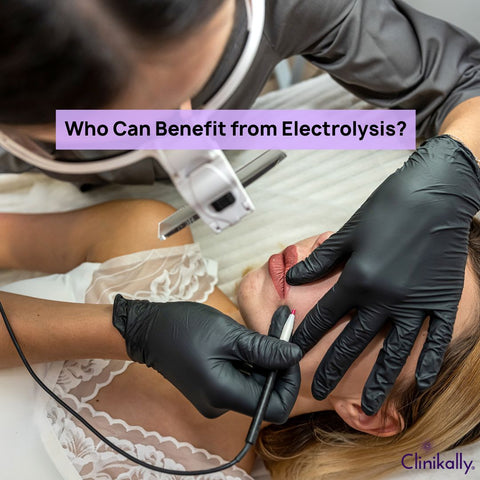
Electrolysis is one of the most inclusive and successful methods of permanent hair removal, making it suitable for a wide spectrum of people, regardless of hair color, skin tone, or gender. If you're wondering if electrolysis is good for you, here's an overview of who gets the most from this procedure.
-
Individuals with light, gray, or red hair: Unlike laser hair removal, which targets the pigment in the hair, electrolysis kills the hair follicles directly. That means it works as well on all hair hues, including blonde, white/gray, red, and light brown. If laser treatment hasn't worked for you due to a lack of contrast between hair and skin, electrolysis is a preferable alternative.
-
All skin tones and ethnic backgrounds: Because electrolysis does not rely on melanin (skin pigment), it is safe and effective for all skin tones, from very pale to deep complexions, without the risk of hyperpigmentation or burns associated with laser treatments on darker skin.
-
Individuals with hormonal imbalances (e.g., PMOS): Hormonal diseases such as Polyendocrine Metabolic Ovarian Syndrome (PMOS), formerly known as polycystic ovarian syndrome (PCOS) can result in excessive or persistent hair growth, particularly on the face, chest, or belly. Electrolysis is a common, medically advised remedy for women with facial hair growth owing to hormonal changes, those undergoing gender-affirming therapies with hormone therapy, and anyone with recurring or coarse hair caused by hormone imbalances.
-
Men seeking precision grooming: Electrolysis is also used by men for permanent grooming and precision hair removal in regions such as between the brows, neckline (to prevent shaving irritation), ears, nose, shoulders, and back. It is perfect for permanently sculpting hairlines or removing hard-to-shave regions.
- People bored of temporary methods: If you're tired of the never-ending cycle of shaving (with ingrown hairs and razor pimples), waxing (with painful regrowth), and tweezing.
The Benefits and Risks of Electrolysis
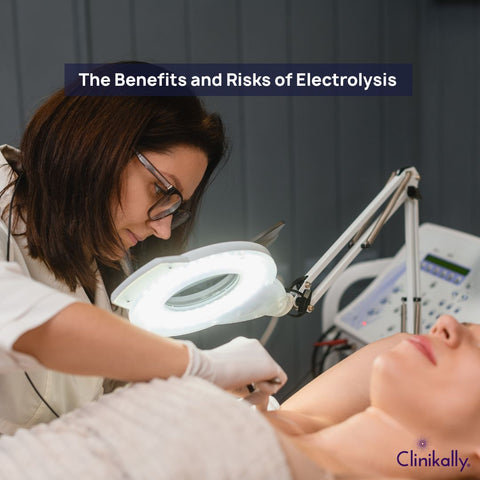
Electrolysis is widely recognized as the most effective method of permanent hair removal. However, as with any cosmetic treatment, it carries both benefits and hazards. Here's an objective look at the benefits and drawbacks to help you decide whether it's the best solution for your skin and lifestyle.
Benefits
-
Permanent hair removal: Electrolysis is the only FDA-approved method of permanent hair removal. It completely kills the hair follicle, preventing any future regeneration.
-
Works on all hair colors and skin tones: Unlike laser treatments, electrolysis does not require pigment. It works as well on light blonde, red, or gray hair and all skin tones, even dark complexions.
-
Precision for small or sensitive areas: It is ideal for areas requiring precision, such as the brows, upper lip, chin, bikini line, and areolae.
-
Safe for hormonal hair growth: People with PMOS, menopause-related changes, or who are on hormone therapy (for example, in gender-affirming care) frequently experience long-term success with electrolysis.
-
No long-term maintenance: Unlike laser hair removal, which may require annual maintenance, you rarely need to return for touch-ups once the treatment cycle is over.
-
No chance of hair color-induced failure: Electrolysis, which targets the follicle rather than the pigment, works where lasers do not, particularly on fine or light-colored hair.
Risks
-
Time-consuming: Because each follicle is treated separately, complete removal might take months or even a year, depending on the treatment area size, hair density, and hormonal factors.
-
Multiple sessions are required: Because hair grows in cycles, multiple sessions (often 15-30 or more) are required to capture all hairs in the growth (anagen) phase.
-
Pain or discomfort: The sensation may feel like a sting, zap, heat, or prickling. Topical numbing treatments might assist, although sensitive areas may remain unpleasant.
-
Skin reactions: Short-term side effects may include redness, swelling, small scabs, or pinpoint bleeding. These are usually resolved within a few hours to a few days.
-
Risk of skin damage (Rare): If not performed properly by a qualified electrologist, there is a danger of hyperpigmentation or hypopigmentation, scarring (particularly in darker skin tones or sensitive areas), and infection if aftercare instructions are ignored.
-
Cost: While individual sessions may be inexpensive, the total cost of numerous sessions—particularly for big areas—can be substantial.
Why Choose Electrolysis Over Other Hair Removal Methods?
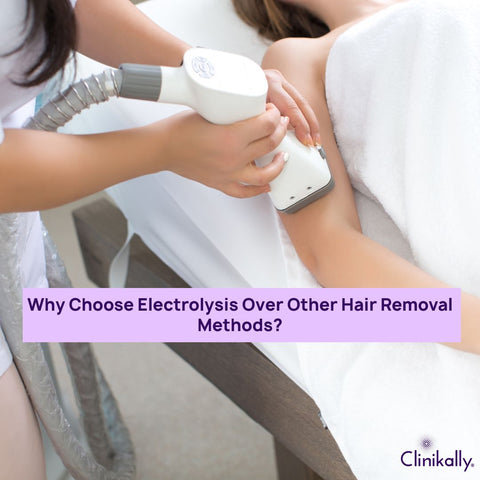
Choose electrolysis if you're serious about permanent hair removal, want a versatile and inclusive choice, and are willing to invest in long-term outcomes. It is especially beneficial for people who have tried lasers and found them ineffectual, as well as those who are dealing with hormonal or medical issues that generate unwanted hair. While it takes time and effort, the end result is smooth, hair-free skin—forever.
Common Side Effects and How to Manage Them

These effects are normal and usually go away within a few hours to a few days of treatment.
-
Redness and swelling: Electrolysis destroys the follicle by applying heat or electrical current, resulting in mild irritation. To calm the skin, apply a cool compress or aloe vera gel. For the next 24 hours, avoid touching, rubbing, or applying cosmetics to the afflicted area. Keep the area clean and dry.
-
Tiny scabs or crusting: Scabbing is your body's mechanism of repairing slight harm to the hair follicle. Do not pick at scabs; this can cause scarring or infection. To keep the skin hydrated, apply a light, fragrance-free moisturizer. Allow scabs to fall off spontaneously over a few days.
-
Itching: Healing skin can be uncomfortable, particularly if it is dry or sensitive. Use a non-comedogenic and relaxing lotion. Avoid scratching; gentle rubbing can help. If the itching persists, consider using an over-the-counter antihistamine.
-
Increased sensitivity or tingling: Nerve endings surrounding hair follicles may be momentarily inflamed. Apply cold compresses and gentle skincare products. For a minimum of 48 hours, avoid sun exposure, harsh exfoliants, and hot water.
Myths vs Facts: Debunking Misconceptions About Electrolysis
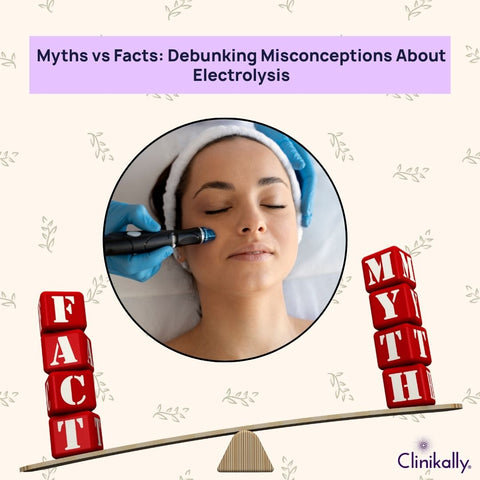
The most common myths and uncover the truth about this effective treatment.
-
Myth 1: Electrolysis is terribly painful.
- Fact: Electrolysis might produce little discomfort, but it is usually manageable. The sensation is often equated to a slight zap or sting, such as a rubber band snap or a minor pinch. Most people perceive it as bearable, particularly in less sensitive locations. Topical numbing lotions can considerably alleviate discomfort during prolonged sessions.
- Myth 2: Electrolysis produces scars.
-
Fact: Scarring is quite infrequent when accomplished properly. Temporary redness, swelling, and tiny scabs are common and will recover soon. Scarring is usually only caused if aftercare is neglected or the surgery is performed by an unskilled technician. To ensure safe results, always consult with a licensed, competent electrologist.
- Myth 3: It is not safe for people with dark skin or light hair.
- Fact: Electrolysis is safe and effective on all skin tones and hair hues. Unlike laser hair removal, which is most effective on light skin and dark hair, electrolysis does not rely on melanin and instead attacks the hair follicle directly. This makes it an excellent choice for blonde, gray, red, or white hair and deep complexions.
- Myth 4: Electrolysis produces instant results.
- Fact: Electrolysis is a process, not a one-time treatment. Hair grows in cycles, and each follicle must be treated during its active (anagen) phase. Most people require 15-30 sessions over several months to get complete clearance. Results develop gradually but are permanent after the course is completed.
- Myth 5: It is no longer as effective as laser hair removal.
- Fact: Electrolysis remains the gold standard for permanent hair removal. While laser is popular, electrolysis is FDA-approved for permanent hair removal (laser is merely "permanent hair reduction"), works on any hair type and color, and does not require continuing care after full treatment.
- Myth 6: Electrolysis is prohibitively expensive.
- Fact: While the initial costs build up, it can be more cost-effective in the long run. There's no need to purchase razors, waxing sessions, or laser touch-ups. Once treated, hair is permanently removed, saving money and time in the long run.
Preparing for Your Electrolysis Journey
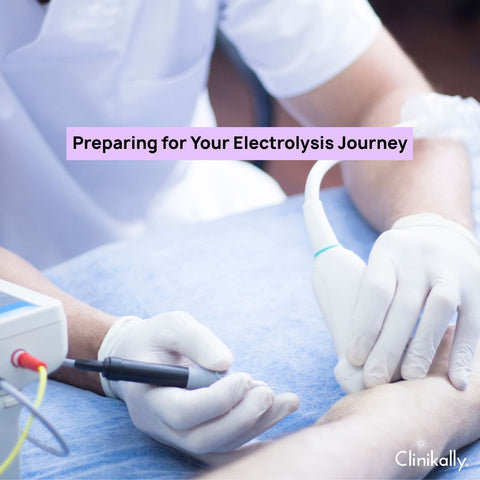
Starting electrolysis is a physical and emotional journey toward long-term freedom from undesired hair. By planning ahead of time and collaborating with a trained professional, you may ensure that the outcome is safe, comfortable, and ultimately successful. Your commitment begins right now, and the smooth skin that awaits you is well worth it.
Choosing a Qualified Electrologist: Tips and Recommendations
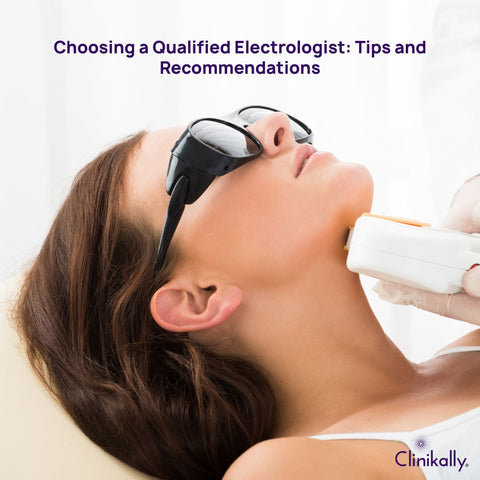
Electrolysis is a highly successful but intimate process, and the practitioner should make you feel informed, comfortable, and confident. Taking the effort to choose a trained, sympathetic electrologist safeguards not just your skin, but also your investment in long-lasting benefits. Your skin deserves the best, and that begins with the appropriate specialist on your side.
What to Expect Before, During, and After the Procedure
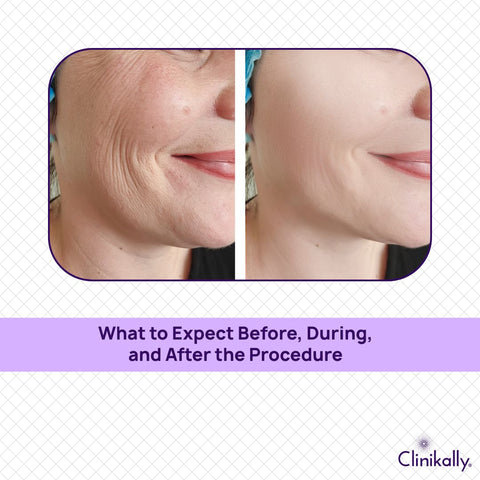
If you're thinking about getting electrolysis for permanent hair removal, understanding the process from beginning to end will help calm your fears and set reasonable expectations. Here's a detailed look at what happens before, during, and after each session to help you feel confident and prepared.
Before the procedure
-
Initial consultation: Your journey begins with a professional consultation in which your electrologist will assess your hair and skin type, review your medical history (including hormonal imbalances, skin sensitivities, etc.), explain the type of electrolysis to be used (galvanic, thermolysis, or blend), and provide a customized treatment plan with estimated session count.
-
Pre-treatment preparation: Avoid tweezing, waxing, and threading for at least 2-3 weeks before your appointment. Shaving is fine. To remove dead skin, gently exfoliate the region 24 hours in advance. Avoid caffeine and alcohol on the day of your appointment because they can increase skin sensitivity. Clean the area completely and avoid using lotions, cosmetics, or deodorant before treatment.
During the Procedure
-
Session length: Sessions might take between 15 and 90 minutes, depending on the region treated. Most regions may necessitate numerous sessions (often 15-30+) separated 1-2 weeks apart. A tiny probe (the width of a single hair) is introduced into the follicle. A brief electric current damages the root. The hair is then removed with tweezers—no pulling is required if the follicle is appropriately treated.
-
Sensation: It feels like a little sting, prick, or heat zap. Less sensitive places feel like a mild squeeze, whereas facial areas may be more severe. To alleviate discomfort, numbing creams or cooling gels may be used.
After the procedure
-
Immediate aftereffects: Immediate effects include mild redness, swelling, or warmth, similar to a minor sunburn. Tiny scabs or pinpoint crusting may appear within the next 24-48 hours (a indication of healing). These symptoms normally subside within a day or two.
-
Post-treatment instructions: Apply a soothing gel (such as aloe vera or witch hazel) as directed. Keep the area clean and dry for 24 to 48 hours. Do not touch, scratch, or pick the area. For 24 hours, no cosmetics, deodorant, or lotions may be applied to the treated region. For 24-48 hours, avoid taking hot showers, saunas, swimming pools, and working out. Limit your sun exposure and wear SPF while going outside.
-
Follow-up appointments: Hair grows in cycles, so repeated treatments are required for total removal. Your electrologist will recommend a schedule depending on your development patterns and treatment progress.
Skin Care Tips Post-Electrolysis
After electrolysis, your skin may feel sensitive, red, or slightly inflamed—all natural reactions to the follicle-targeting technique. Proper aftercare can help minimize irritation, lower the risk of infection, and encourage speedier healing, particularly if you are having several sessions. Here's how to take care of your skin after electrolysis.
-
Soothe immediately after treatment: To soothe the skin immediately after treatment, apply aloe vera gel, witch hazel, or the prescribed post-treatment lotion. To relieve swelling and redness, apply a cool compress or ice pack (wrap it in a clean towel). For at least 24-48 hours, avoid using lotions or creams containing alcohol, scent, or acids.
-
Avoid touching or picking the treated area: Avoid scratching or picking at scabs or lumps. Do not rub the area with towels or garments. Picking can cause scars or hyperpigmentation.
-
Keep the area clean and dry: Keep the area clean and dry by gently cleansing the treated skin with a moderate, fragrance-free and gentle cleanser. Avoid rubbing and instead pat dry with a clean cloth. For 24-48 hours, avoid applying makeup, deodorant, or lotion to the treated area.
-
Avoid heat, sweat, and sun exposure: Avoid heat, perspiration, and sun exposure for 24-48 hours after treatment, including hot showers, saunas, steam rooms, and strenuous exercise. When exposed to UV radiation, stay clear of direct sunlight and always wear SPF 30 or higher. Heat can irritate your skin, delaying recovery.
-
Moisturize gently: Once the redness and swelling have subsided, you can begin using a non-comedogenic, fragrance-free moisturizer on a daily basis. This promotes hydration and skin barrier healing.
-
Use antibacterial creams as needed: If your electrologist suggests it, apply a topical antibiotic ointment (such as Polysporin or Neosporin) to avoid infection. Only use as instructed, and discontinue if irritation develops.
-
Prepare for the next session: Follow the post-care regimen to ensure that the skin is completely healed before your next treatment. Avoid waxing or tweezing in between sessions; shaving is OK if necessary.
Is Electrolysis Right for You?
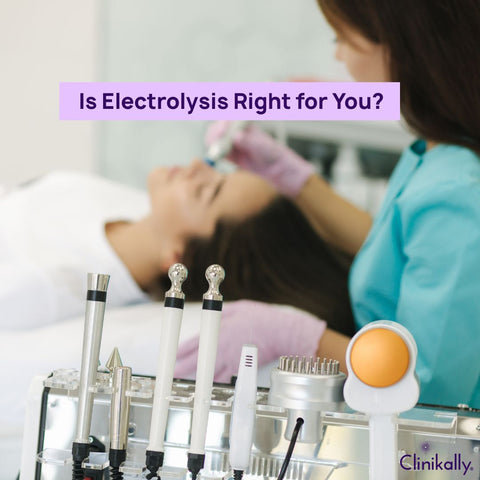
Electrolysis is an investment—in time, care, and commitment. But for the right candidate, it offers unmatched results: permanently smooth, hair-free skin, no matter your skin tone or hair type. If that aligns with your goals and lifestyle, electrolysis could be exactly what you’ve been looking for.