Palmitoyl Tripeptides: A Gentle Anti-Aging Powerhouse for Sensitive Skin
Palmitoyl tripeptides are a skincare component that can address various issues. Palmitoyl tripeptides, a powerful, if lesser-known, component of many skincare products, provide some very obvious advantages, such as minimizing fine lines and wrinkles and enhancing skin elasticity. In this article, we will discuss palmitoyl tripeptides.
What Are Palmitoyl Tripeptides?

Palmitoyl tripeptides are small molecules made up of three amino acids (thus the name "tripeptide") connected to a fatty acid, according to Levine. They promote collagen formation and prevent collagen breakdown, thus they are frequently utilized in skincare products to achieve anti-aging advantages such as increased skin suppleness and firmness. They are a relatively moderate component that is suitable for persons with sensitive skin.
The Science Behind Peptides in Skincare
Peptides in skincare offer a practical, science-backed method to skin renewal. They operate with your body's natural signaling systems to increase firmness, smoothness, and resilience without irritating. Whether you're looking to combat early symptoms of aging or strengthen a damaged skin barrier, peptides are a flexible and well-tolerated treatment for healthy, youthful skin.
How Palmitoyl Tripeptides Work to Boost Collagen Production

- Mimic natural repair signals: Palmitoyl tripeptides serve as matrikines, which are tiny protein fragments that imitate the body's own repair signals. When administered topically, they "trick" the skin into believing it has been damaged, prompting dermal fibroblasts to generate more collagen, elastin, and hyaluronic acid.
- Activate key genes and enzymes: These peptides activate critical genes and enzymes, including the TGF-β pathway, which regulates collagen formation. They also help to decrease enzymes that break down collagen (such as MMPs - matrix metalloproteinases), reducing the skin's aging process.
- Support the extracellular matrix (ECM): Palmitoyl tripeptides increase collagen and other proteins in the extracellular matrix (ECM), which helps to maintain the skin's structural integrity and results in firmer, more robust skin.
Why They’re Perfect for Sensitive Skin
Many active components in anti-aging cosmetics, such as retinoids and exfoliating acids, can produce redness, dryness, or irritation, particularly in sensitive skin types. This is where palmitoyl tripeptides excel. These sophisticated peptides produce impressive results while preserving the skin's delicate barrier.
-
Non-irritating and well-tolerated: Palmitoyl tripeptides are extremely gentle, making them acceptable even for skin prone to redness or rosacea, eczema or dermatitis, post-procedure sensitivity, and dryness or sensitivity. Unlike harsh actives that force cell turnover, peptides operate in tandem with your skin's natural signaling pathways, promoting collagen formation while preventing inflammation or peeling.
-
Strengthen the skin barrier: Sensitive skin frequently has a compromised barrier, resulting in increased water loss and sensitivity to environmental stresses. Palmitoyl tripeptides enhance the formation of collagen, elastin, and glycosaminoglycans (such as hyaluronic acid), strengthening skin's structural integrity from inside and promoting moisture retention and lowering transepidermal water loss (TEWL).
-
Anti-inflammatory properties: Some palmitoyl tripeptides have anti-inflammatory effects, which soothe the skin and reduce inflammation. This makes them an excellent choice for skin that is sensitive to other anti-aging therapies.
-
Fragrance-free, minimalist formulations: Peptide-based treatments, particularly those intended for sensitive skin, are frequently available in fragrance- and dye-free formulations. They are usually designed with basic, skin-friendly bases, moisturizing compounds like glycerin or hyaluronic acid, and no known sensitizers, making them suitable for long-term daily usage.
-
Compatible with other gentle ingredients: Palmitoyl tripeptides are compatible with other gentle compounds used for sensitive skin, such as niacinamide (calming and brightening), ceramides (helping restore the skin barrier), panthenol and allantoin (soothing), and hyaluronic acid (hydration). This adaptability enables a well-rounded routine without taxing delicate skin.
Benefits of Palmitoyl Tripeptides for Your Skin

Palmitoyl tripeptides are a standout ingredient in skincare for good reason—they deliver visible, science-backed anti-aging results while remaining gentle enough for even the most sensitive skin types. Here’s a breakdown of the key benefits they offer:
-
Stimulate collagen production: Palmitoyl tripeptides function as signaling molecules that "tell" skin cells (particularly fibroblasts) to increase collagen synthesis. Because collagen is essential for strong, youthful-looking skin, this stimulation reduces fine lines, sagging, and skin thinning.
-
Improve skin firmness and elasticity: Increasing collagen and elastin levels improves skin resilience. Regular use of palmitoyl tripeptides can result in firmer, more elastic skin that looks smoother and lifted over time.
-
Reduce fine lines and wrinkles: Palmitoyl tripeptides help reduce the appearance of wrinkles by rebuilding the skin's extracellular matrix and reducing collagen breakdown, especially around the eyes and mouth—common areas of concern as we age.
-
Strengthen the skin barrier: These peptides help to repair and maintain the skin barrier, which is necessary for keeping moisture in and irritants out. A robust barrier promotes moisture, reduces sensitivity, and improves overall skin health.
-
Calm and soothe inflamed skin: Palmitoyl tripeptides contain anti-inflammatory effects. They can reduce redness, relieve irritation, and calm sensitive or reactive skin, making them perfect for people who experience flare-ups or pain.
-
Act softly over time: Unlike chemicals that cause fast cell turnover (such as retinoids or AHAs), palmitoyl tripeptides act gradually and in harmony with your skin's natural processes. This means fewer side effects and a lower chance of discomfort, even after prolonged use.
-
Compatible with other skincare ingredients: Peptides are compatible with most skincare activities, including hyaluronic acid (for hydration), niacinamide (for brightening and soothing), ceramides (for barrier repair), and antioxidants. This makes it simple to add palmitoyl tripeptides into a multi-purpose skincare regimen.
-
Suitable for all skin types: Whether your skin is dry, oily, combo, mature, or sensitive, palmitoyl tripeptides adapt and provide consistent results. Their non-comedogenic and non-sensitizing properties make them a global anti-aging remedy.
Reducing Fine Lines and Wrinkles Gently Yet Effectively

Reducing fine lines and wrinkles does not have to sacrifice your skin's comfort. Palmitoyl tripeptides provide a science-backed, gentle solution that promotes collagen formation and skin repair, resulting in smoother, firmer skin without irritation. This solution is ideal for individuals seeking effective anti-aging solutions that their skin will positively respond to.
Enhancing Skin Elasticity and Firmness Over Time
Palmitoyl tripeptides offer a gentle yet effective way to improve skin elasticity and firmness without harsh chemicals, irritation, or downtime. By stimulating your skin to manufacture more of its own support proteins, they aid in the restoration of what time and stress have worn away. The end result is skin that appears firmer, feels more resilient, and maintains its youthful structure over time.
Hydration and Anti-Inflammatory Properties
Hydration and inflammation control are the foundations of good skin, and palmitoyl tripeptides provide both with scientific evidence and great gentleness. Whether you have dryness, redness, or symptoms of aging, these peptides provide calm, comfort, and long-lasting results, making them a genuine multitasker in any skincare program.
How to Incorporate Palmitoyl Tripeptides into Your Routine

Palmitoyl tripeptides are versatile, effective, and suitable for most skin types, including sensitive, dry, and aged skin. Whether you're starting a new anti-aging regimen or seeking to improve your existing one, here's how to smoothly include palmitoyl tripeptides into your skincare routine for optimum benefits.
-
Step 1: Select the correct product: Palmitoyl tripeptides are commonly included in serums (for focused treatment and deeper penetration), moisturizers (for nourishing, all-in-one anti-aging support), and eye creams (for decreasing fine wrinkles and puffiness around the eyes).
-
Step 2: Use daily – morning and night: Use twice a day, morning and night, for the greatest benefits. For example, apply in the morning before applying sunscreen and after cleaning and toning. Apply in the evening after washing and exfoliating with any active serums. Consistency is essential—after 4-8 weeks of consistent application, firmness, hydration, and fine lines typically improve.
-
Step 3: Layer wisely: Palmitoyl tripeptides are non-irritating and work well with most common skincare ingredients, including niacinamide (enhances barrier repair and brightens skin), hyaluronic acid (boosts hydration and plumps skin), antioxidants (protect and brighten), ceramides and lipids (reinforce the moisture barrier), and retinoids (peptides can help buffer irritation). Unless your skin is well-tolerant, avoid using peptides alongside powerful exfoliating acids (AHA/BHA), as this can diminish peptide efficiency.
Choosing the Right Products with Palmitoyl Tripeptides
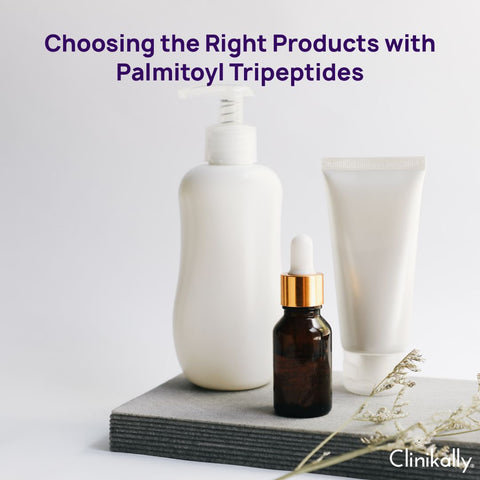
Palmitoyl tripeptides are becoming a popular skincare ingredient, and an increasing number of products claim to benefit from them. However, not all formulations are made equal. To completely benefit from the anti-aging, firming, and calming effects of these peptides, choose products carefully based on ingredient quality, skin compatibility, and personal skincare goals.
-
Read the ingredient list carefully: Look for products that include peptides such as palmitoyl tripeptide-1 and palmitoyl tripeptide-5. Palmitoyl Tripeptide-1 + Palmitoyl Tetrapeptide-7 and Palmitoyl Tripeptide-5 are examples of complexes containing this compound. Peptides are useful at low quantities (usually 0.5-2%), but they should be in the first half of the ingredients list to ensure potency.
-
Choose the right product format: The delivery system is significant. Consider serums, which offer the highest concentration and best absorption. Ideal for targeted wrinkle treatment and general anti-aging. Eye creams are perfect for treating crow's feet, puffiness, and dark circles in a delicate manner. Deliver hydration and peptides for daily use, barrier restoration, and sheet masks or treatments.
-
Look for complementary ingredients: Peptides work better when combined with supportive ingredients like hyaluronic acid (deep hydration and plumping), niacinamide (brightens, calms inflammation, and refines pores), ceramides (strengthen skin barrier and lock in moisture), antioxidants (protect against environmental damage), and panthenol (soothing and restorative for sensitive skin). Avoid using strong exfoliants (AHAs/BHAs) in the same layer unless the formula is especially designed to be gentle.
-
Choose formulas based on your skin type: Choose formulas based on your skin type, such as sensitive or dry skin (look for fragrance-free, minimal-ingredient products; opt for creams or serums with hydrating and calming agents; and avoid formulas with alcohol or high concentrations of acids), oily or acne-prone skin (use lightweight, non-comedogenic serums and choose products with peptides + niacinamide for oil control and soothing), or mature or aging skin (choose multi-peptide serums or moisturizers and combine).
-
Check for clinical claims or testing: Choose products that back up their formulas with efficacy studies (especially better if they test the entire product rather than just individual ingredients), dermatologist-tested or non-irritating claims, and clear ingredient sourcing and formulation information.
Tips for Combining Peptides with Other Skincare Ingredients

Peptides, such as palmitoyl tripeptides, are versatile, mild, and extremely effective—but their full potential is realized when combined with other skincare products. Here's how to combine peptides with other active ingredients to get better results without causing irritation, imbalance, or product conflicts.
-
Combine peptides with hydrating ingredients for maximum benefit: Peptides operate best in a humid environment, so combine them with moisture-boosting substances to enhance their skin-plumping and collagen-supporting properties. Perfect companions include hyaluronic acid (which deeply hydrates and prepares the skin to absorb peptides more effectively), glycerin (which attracts water and enhances skin barrier function), panthenol (which soothes and seals in moisture), and ceramides (which rebuild the skin barrier and seal in peptide benefits).
-
Use peptides and niacinamide together: Combining peptides with niacinamide is a tried-and-true method of improving skin tone, texture, hydration, and firmness while avoiding irritation. Niacinamide reduces inflammation, brightens the skin, and strengthens the barrier. It also strengthens the anti-aging effects of peptides and improves product absorption. It is safe for all skin types, particularly those with sensitive and acne-prone skin
-
Combine peptides with antioxidants for added protection: Antioxidants neutralize free radicals that degrade collagen, whereas peptides produce collagen. Together, they create a formidable protect-and-repair squad. Vitamin C (brightens, firms, and promotes collagen), vitamin E (nourishes and improves antioxidant stability), and green tea extract or resveratrol (calms and protects sensitive skin) make excellent combinations.
-
Use peptides with retinoids: Yes, you can combine peptides and retinoids, but timing and formulation are important. Retinoids (such as retinol or tretinoin) increase cell turnover and collagen production, but they can also cause skin irritation or dryness. Peptides combat such effects by reducing inflammation and rebuilding the skin barrier.
-
Be cautious with strong acids: While certain exfoliants are safe, strong dosages of AHAs, BHAs, or low-pH treatments may impair peptide efficacy or irritate sensitive skin when combined. If using acids (such as glycolic, lactic, or salicylic acid), use acids on alternate days from peptides, use acids in the evening and peptides in the morning, and choose softer acids or low-pH exfoliants if layering is required.
-
Apply peptides early in your routine: To get the most out of peptides, apply cleanser, toners or essences, peptide serum (lightest to heaviest), moisturizer, and sunscreen (in the morning).
-
Avoid ingredient overload: More is not always better. Overloading your routine with activities might disturb the skin barrier, causing irritation, redness, or breakouts, and reducing the effectiveness of your peptides.
When to Expect Visible Results

You should expect to see noticeable, long-term changes in 4 to 8 weeks, with sustained progress over several months. While the changes are gradual, they are also mild, cumulative, and genuine, making palmitoyl tripeptides a wise, long-term investment in your skin's health and appearance.
Final Thoughts on Palmitoyl Tripeptides

Palmitoyl tripeptides may not guarantee instant results, but they do provide something better: long-term, visible skin improvement. With regular usage, they make your skin appear and feel healthier, stronger, and more young, all while maintaining comfort and safety.