Peptide Boosters: The Future of Youthful, Radiant Skin
Many skin care products contain peptides, which may help to reduce inflammation, even out skin tone, and lessen the appearance of wrinkles.
Every day, it seems like there's a new, trendy beauty care ingredient that promises to improve your skin. Some substances are more hype than action, but others are well worth it, and peptides are one you won't want to overlook. Peptides, also known as polypeptides, occur naturally in the skin, but they are also included in many beauty care products—and for good reason. Peptides are short chains of amino acids that comprise specific proteins required by the skin. More specifically, collagen is made up of three polypeptide chains; therefore, adding peptides can encourage your skin to produce collagen. More collagen can result in firmer, younger-looking skin. Your body produces collagen naturally. However, collagen production gradually diminishes, causing skin to seem more wrinkled and less even and bright. Before you grab that bottle, here's what you should know.
Understanding Peptides: The Science Behind Skin Transformation
Peptides are a game-changing element in skincare, providing numerous advantages that improve the skin's appearance, structure, and health. Peptides help alter the skin by boosting collagen formation, improving skin healing, and promoting hydration, resulting in a smoother, firmer, and more youthful appearance. If you're concerned about fine lines, loss of firmness, uneven skin tone, or dryness, peptides are the science-backed ingredient to include in your skincare routine. With ongoing advances in peptide research, the future of youthful, glowing skin is brighter than ever!
How Peptides Work at the Cellular Level
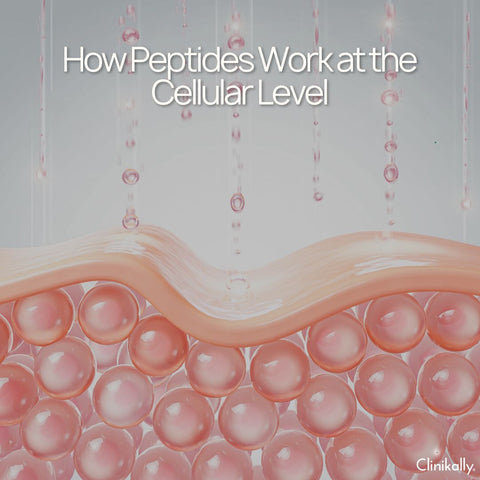
Peptides are short chains of amino acids that serve as protein building components. When peptides are administered to the skin, they can penetrate the epidermis and enter the dermis, where the majority of skin cells are active. Once there, peptides can interact with certain receptors and cellular pathways, causing significant biological responses that benefit skin health. Peptides essentially function as messengers in the skin, giving messages to cells to execute specific jobs, such as:
-
Collagen production
-
Wound healing and regeneration
-
Hydration and moisture retention
-
Inflammation control
-
Skin barrier repair
Types of Peptides Used in Skincare
Peptides are strong skincare components recognized for increasing collagen formation, improving skin texture, and promoting overall skin health. distinct types of peptides serve distinct functions. The following are the primary types of peptides typically used in skincare and their functions:
-
Signal Peptides: They are one of the most well-known forms of peptides in skin care. These peptides function as messengers, signaling skin cells to execute specific functions, such as promoting collagen formation or increasing cell turnover.
-
Carrier Peptides: They are peptides that transport essential nutrients to the skin, promoting its health and function. They improve nutrition transport, which aids cell renewal and skin restoration.
-
Enzyme-inhibitor peptides: Enzyme-inhibitor peptides act by blocking enzymes that degrade key skin proteins, including collagen and elastin. Enzyme-inhibitor peptides serve to maintain the structure and flexibility of the skin by preventing its degradation.
-
Neurotransmitter-inhibitor peptides: These peptides regulate the activity of neurotransmitters that cause muscular contractions in the skin. By blocking these neurotransmitters, these peptides help relax face muscles and minimize the appearance of expression lines.
-
Hydration Peptides: Hydration peptides boost the skin's ability to retain moisture and strengthen the hydration barrier, resulting in plumper, more dewy skin. These peptides frequently function by attaching to water molecules and enhancing water retention in the skin.
-
Anti-inflammatory Peptides: These peptides aid in minimizing skin inflammation, redness, and irritation. These peptides are very effective for sensitive or irritated skin, as well as disorders like rosacea and eczema.
-
Antioxidant Peptides: Antioxidant peptides shield the skin from free radicals and oxidative stress, both of which can cause premature aging and damage to skin cells. These peptides serve to strengthen the skin's natural defenses and fight against environmental harm.
-
Brightening Peptides: Some peptides can aid with uneven skin tone, hyperpigmentation, and dark patches. These peptides frequently function by suppressing the formation of melanin, the pigment responsible for skin color.
Why Peptide Boosters Are Gaining Popularity
Peptide boosters are gaining popularity since they provide a potent, scientifically supported treatment to a variety of skin issues. Their ability to stimulate collagen formation, firmness, hydration, and skin restoration has made them a popular component among people seeking youthful, glowing skin. Peptide boosters have become essential components of many skincare regimens due to their versatility, compatibility with other substances, and suitability for sensitive skin.
Key Benefits of Peptide Boosters for Your Skin
Peptide boosters are gaining popularity in skincare routines due to their ability to address a wide range of skin issues with outstanding outcomes. These strong compositions are intended to maximize the advantages of peptides, which are essential for keeping healthy, youthful skin. The following are the primary benefits that peptide boosters provide:
-
Peptides are well-known for their ability to stimulate collagen formation in the skin, which is necessary for preserving its strength, firmness, and suppleness. As we age, collagen production naturally declines, resulting in sagging, wrinkles, and loss of skin structure.
-
Peptide boosters can improve skin texture by increasing cell turnover and boosting the formation of new, healthy skin cells. This is especially useful for persons who have uneven skin texture, rough spots, or scars.
-
Certain peptides assist the skin in maintain moisture by thickening its barrier and binding water molecules to the skin. Well-hydrated skin appears plumper, more luminous, and younger. Peptides can also have anti-inflammatory properties, which assist in reducing skin redness, irritation, and puffiness. This is especially good for people with sensitive or inflammatory skin disorders like rosacea or eczema.
-
Peptides are vital for wound healing and skin regeneration. They aid in the skin's natural repair processes by stimulating cell development and tissue restoration.
-
In addition to increasing collagen, peptides promote elastin formation, which adds to skin suppleness. As elastin levels drop with age, the skin can become loose and sagging.
-
Some peptides also have brightening properties, which aid to minimize hyperpigmentation, dark patches, and uneven skin tone by suppressing melanin formation or stimulating cell regeneration.
-
The skin's natural barrier protects it from environmental damage, prevents moisture loss, and keeps hazardous substances out. Peptides can enhance this barrier, boosting the skin's general health.
-
Peptide boosters are commonly used to counteract indications of aging by accelerating skin regeneration, increasing collagen, and enhancing hydration, all of which lessen the visible consequences of aging.
-
Peptide boosters produce quick, significant results, generally after just a few weeks of constant use. This makes them an appealing option for folks looking for immediate improvements without having to wait months for obvious results.
Collagen Production and Firmness
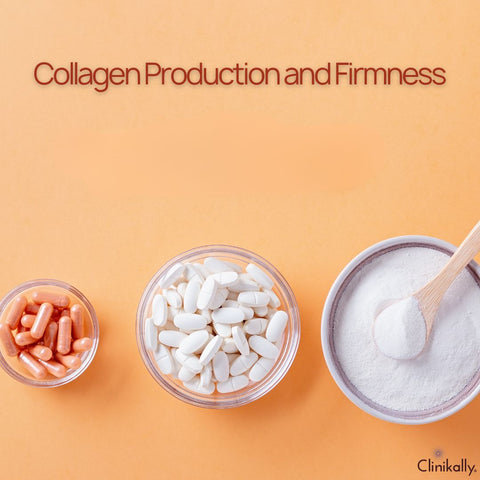
Skin firmness and collagen production are closely related, and both are necessary to keep the skin looking young and glowing. By promoting collagen synthesis and bolstering overall skin structure, peptide boosters can help reverse the natural aging process that causes looser, sagging skin. You may increase collagen synthesis, improve firmness, and help restore a more youthful complexion by adding peptides to your skincare regimen.
Enhancing Skin Elasticity and Texture
Improving skin elasticity and texture requires a multifaceted approach that includes increasing collagen and elastin production, improving hydration, and preserving the skin from injury. Incorporating peptides, exfoliants, antioxidants, retinoids, and firming agents into your skincare routine can greatly improve your skin's smoothness and resilience. These components, when paired with sun protection and a consistent skincare routine, will help you attain a younger, smoother, and more radiant complexion with better texture and elasticity over time.
Hydration, Repair, and Skin Barrier Support
-
Hydration: Skin hydration is the process of maintaining an appropriate moisture balance within the skin's cells. Dehydrated skin can appear dull, flaky, and make fine wrinkles more visible. Hydration is vital not only for skin look, but also for overall health and function.
-
Smoothness and fullness: Hydrated skin appears smooth, full, and plump. Conversely, dehydrated skin can seem tight, rough, or dry.
-
Preventing fine lines and wrinkles: By preserving skin elasticity, proper moisture retention helps to reduce the appearance of fine lines and wrinkles.
-
Better skin function: Proper cell turnover encourages optimal skin function, which facilitates effective skin healing and regeneration.
-
Skin repair: Skin healing is essential for keeping a healthy complexion. Your skin may become damaged over time as a result of environmental causes such as UV rays, pollution, and dryness, as well as lifestyle decisions such as food or stress. Repairing the skin helps to restore its natural protective powers and avoid long-term damage.
-
Healing damaged skin: Environmental stressors and aging can weaken skin cells, resulting in visible signs of damage. Skin repair stimulates the regeneration of healthy cells.
-
Strengthening the skin: By repairing damaged skin, you can increase its resilience, shield it from further harm, and preserve its integrity.
-
Even skin tone: To create a clearer, more consistent complexion, skin repair also helps to lessen hyperpigmentation, imperfections, and uneven skin tone.
-
Skin barrier support: The skin barrier (or stratum corneum) is the skin's outermost layer. It serves as a barrier against environmental contaminants, germs, and water loss. A compromised barrier can cause dryness, irritation, inflammation, and a higher risk of infection. Strengthening the skin barrier is critical for keeping healthy, moisturized skin.
-
Protection from External Aggressors: A strong skin barrier prevents harmful elements such as pollution, UV rays, and harsh chemicals from entering the skin.
-
Moisture Retention: The skin barrier retains moisture and prevents water loss. A compromised barrier can result in dry, flaky skin.
-
Calming Irritated Skin: A healthy barrier soothes irritated or sensitive skin by reducing redness, itching, and inflammation.
Choosing the Right Peptide Booster for Your Skin Type
The health, elasticity, and general appearance of your skin can be significantly enhanced by selecting the best peptide booster for your skin type. Peptides can improve your skincare regimen and address particular issues with dry, oily, sensitive, mature, or normal skin.
-
Peptides that hydrate and improve the skin's capacity to retain moisture are beneficial for dry skin.
-
Peptides that balance oil production, lessen acne, and promote skin healing are necessary for oily or acne-prone skin.
-
Calming and anti-inflammatory peptides are necessary for sensitive skin in order to reduce irritation and preserve a healthy barrier.
-
Peptides that promote collagen, increase firmness, and lessen wrinkles are beneficial for mature skin.
-
Peptides that improve vitality and maintain the skin's radiance can be the focus of normal skin.
For best results, combine your peptide booster with other skincare ingredients that work well together, and make sure you stick to your regimen.
Best Peptide Boosters for Aging Skin
When selecting a peptide booster for aging skin, think about your specific concerns, such as fine lines, wrinkles, firmness, and elasticity. Each peptide listed above addresses a specific aging concern, so here's a quick guide:
-
Look for palmitoyl tripeptide-5 or acetyl hexapeptide-8 to treat wrinkles and fine lines.
-
Think about using Tetrapeptide-21, Copper Peptides, or Palmitoyl Tripeptide-5 to treat sagging and firmness loss in the skin.
-
Palmitoyl Tetrapeptide-7 is the best option if you want to lessen inflammation and encourage skin healing.
-
Consider Tetrahexyldecyl Ascorbate for extra brightness and collagen stimulation.
You can increase the production of collagen, improve the elasticity of your skin, and lessen the obvious signs of aging for a smoother, firmer, and younger-looking appearance by adding the appropriate peptide boosters to your skincare regimen.
Peptide Serums for Sensitive Skin
Peptide serums for sensitive skin are extremely effective at increasing collagen production, improving skin texture, and addressing signs of aging without causing discomfort. The serums mentioned above are all made with gentle components, making them perfect for people with sensitive skin. When choosing a peptide serum, make sure it fulfills your individual skin needs—whether it's reducing inflammation, increasing hydration, or enhancing skin elasticity—while being gentle on your skin's sensitivity.
Combining Peptides with Other Skincare Ingredients
Peptides are extremely versatile and can be used with a variety of different skincare components to maximize their advantages. Peptides work well with hyaluronic acid, vitamin C, retinol, niacinamide, AHAs, ceramides, and sunscreen to moisturize, brighten, reduce wrinkles, and restore the skin barrier. However, always pay attention to how your skin reacts and consider completing a patch test before attempting new combinations, especially if you have sensitive skin.
When and How to Apply Peptide Boosters
Peptides can transform your skincare routine, especially when utilized appropriately. Peptide boosters are best used after cleaning and toning but before moisturizing. By following the proper techniques and using them consistently, you may boost your skin's collagen synthesis, improve texture, and restore firmness.
Tips for Maximizing Peptide Skincare Results
Peptides are a skincare powerhouse, recognized for boosting collagen formation, increasing skin suppleness, and improving overall texture. To achieve the most benefits from your peptide skincare routine, follow these expert tips:
-
Be consistent with application: Consistency in application is essential when dealing with peptides. For the best effects, add peptide-based products into your regular skincare routine, usually in the morning and/or night. Apply the product on a regular basis and be patient, as visible results may take several weeks.
-
Layering peptides correctly: Proper layering is required to ensure that peptides work successfully, such as beginning with washing, applying peptides before bulkier products, and using a lightweight serum.
-
Use complementary nutrients: To improve your skincare outcomes, combine peptides with other healthy nutrients like hyaluronic acid, vitamin C, and Niacinamide.
-
Do not overload your routine: Peptides are beneficial when utilized as part of a well-balanced skincare program. Avoid overwhelming your skin with active chemicals at once, as this can cause irritation.
-
Give peptides time to work: Peptides stimulate collagen formation, which provides a long-term effect. Be patient and utilize the product for at least 4 to 6 weeks before analyzing its effectiveness. With prolonged application, you should see an improvement in skin elasticity, texture, and overall tone.
-
Protect your skin with sunscreen: Peptides stimulate collagen formation, but UV rays can degrade it over time. Every morning, apply a broad-spectrum sunscreen (SPF 30 or higher) to protect your skin from UV damage.
-
Avoid harsh actives: Although peptides are benign, certain chemicals, including powerful exfoliating acids (AHAs/BHAs) or high-concentration retinoids, may cause irritation when paired with them.
-
Stay hydrated: Hydration is essential for achieving the best peptide outcomes. Peptides work best when the skin is well-hydrated since they aid in the repair and regeneration of the skin barrier.
-
Pair with a healthy lifestyle: Peptides thrive in a healthy skin environment. A balanced diet high in vitamins (such as vitamin C for collagen formation) and antioxidants can improve the efficacy of your peptide therapies.
-
Select high-quality peptide products: Not all peptides are created equally. Look for skincare products that contain high-quality peptides, such as palmitoyl pentapeptide, acetyl hexapeptide, or copper peptides, which have been shown to provide noticeable skin benefits.
-
Consult a dermatologist: If you're not sure how to incorporate peptides into your routine or if you have sensitive or reactive skin, see a dermatologist for personalized counsel.
Common Mistakes to Avoid with Peptides

Common mistakes to avoid when incorporating peptides into your skincare routine:
-
Using peptides with the incorrect layering order. Mistake: Using peptides after thick creams, oils, or sunscreens, rather than before.
-
Overuse of peptides. Mistake: Using peptides in excess or more frequently than recommended.
-
Combining Peptides and Harsh Exfoliants. Mistake: Applying peptides right after using strong exfoliants such as AHAs, BHAs, or physical scrubs.
-
Avoiding sunscreen. Mistake: Failure to apply sunscreen after using peptide products during the day.
-
Using Peptides on the Wrong Skin Type. Mistake: Applying a peptide product that is inappropriate for your skin type.
-
Expecting immediate results. Mistake: Expecting peptides to instantly improve skin texture, wrinkles, and firmness.
Integrating Peptide Boosters into Your Skincare Routine
Integrating peptide boosters into your skincare routine can provide significant anti-aging and skin-rejuvenation effects, but appropriate application is essential. Begin with a clean base, then apply your peptide booster, followed by moisturiser and sunscreen (for the day). With constant application and adequate layering, your skin will become firmer, smoother, and more youthful in the coming weeks!