Rosemary Reimagined: How This Culinary Herb Became a Skincare Hero

Previously only recognized as a pungent kitchen spice, rosemary has now become the new star of skincare-thanks to its antioxidant, anti-inflammatory, and antimicrobial abilities. Rosemary skin extract is building steam in clean beauty trends, providing a natural remedy for acne, oily, and aging skin types. This plant powerhouse assists in constricting pores, minimizing excess sebum, and promoting circulation, making this herb perfect to calm inflamed skin and encourage a radiant glow. As rosemary oil for skin revitalization becomes a prized ingredient among face serums, toners, and creams, it's little wonder why beauty fans are embracing the botanical superstar. From stimulating collagen to safeguarding against environmental stress, rosemary in skin care is changing the face of plant-based skin wellness. Learn how this fragrant herb went from kitchen counter to skin care cult favorite-transforming natural beauty regimens everywhere.
From Pantry to Potent: Understanding Rosemary’s Rise in Skincare
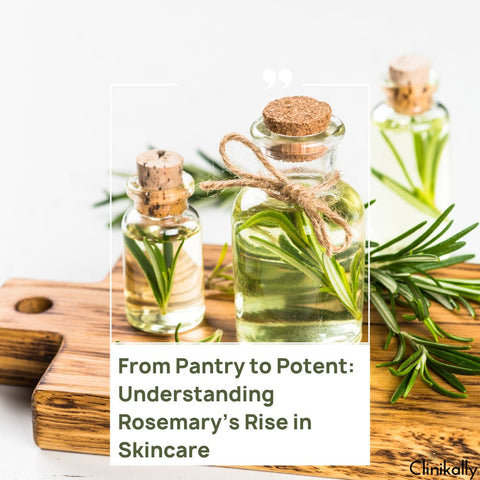
No longer just a simple pantry ingredient for adding flavor to stews and roasts, rosemary is now a powerful player in contemporary skin care. This pungent herb is loaded with potent actives such as rosmarinic acid and ursolic acid, which are recognized for their anti-inflammatory, antimicrobial, and antioxidant properties. With consumers shifting towards clean beauty and natural actives, rosemary extract for skin has also become trending due to its capacity to mitigate acne, regulate sebum, and trigger collagen formation. From rosemary essential oil in scalp therapies to rosemary leaf water in soothing facial mists, this multi-tasking active promotes clearer, more firm, and brighter skin. Its capacity to enhance circulation and guard against free radicals has also earned rosemary a top spot in anti-aging products. With the growing popularity of herbal skin care and natural ingredients, rosemary's evolution from a staple in the pantry to skin care hero is nothing short of astounding.
What Is Rosemary Extract and How Is It Made?
Rosemary extract is a robust herbal ingredient extracted from the Rosmarinus officinalis leaves. It is well-known in clean beauty, herbal skincare, and natural haircare, as this extract contains antioxidants, anti-inflammatory compounds, and energizing molecules. With more usage in product lines such as scalp serums, anti-aging creams, and acne products, rosemary extract has become a buzzword herbal compound in natural wellness and cosmetic products.
-
Rosemary extract is derived from the rosemary plant, native to the Mediterranean region, whose leaves are characterized by their aromatic, needle-like shape.
-
It is rich in active ingredients such as rosmarinic acid, carnosic acid, ursolic acid, and camphor, which are all beneficial for healthy skin and hair.
-
Steam distillation is often employed to obtain rosemary essential oil, perfect for aromatherapy and skin application.
-
Solvent extraction (usually ethanol) separates antioxidant-based compounds applied in skincare and food-grade products.
-
Supercritical CO₂ extraction is a green, chemical-free process that produces high-purity rosemary extract with no chemical residue.
-
The extract is administered in small but potent amounts in rosemary scalp treatments, anti-acne serums, and preservative-free creams.
-
Due to its antioxidant value, rosemary extract also serves as a natural preservative in clean-label hair and skincare products.
-
It is an important component in antioxidant hair treatments, brightening botanicals, and natural anti-inflammatory remedies.
-
Rosemary extract is becoming more prominent in botanical hair strengthening products and soothing face oils.
-
Sustainable harvesting practices and organic farming techniques are becoming increasingly popular due to consumer demand for environmentally friendly beauty products.
Whether you're looking into natural UV protection for the scalp, herbal options for skin detox, or shine-enhancing hair actives, rosemary extract provides a clean, efficient, and science-based solution. Its adaptability and mainstream presence in skincare and haircare make it a must-known botanical in today's wellness landscape.
Traditional Uses of Rosemary in Herbal Medicine
Rosemary has been highly valued in ancient herbal medicine for centuries due to its therapeutic, purifying, and stimulating qualities. Native to the Mediterranean, rosemary (Rosmarinus officinalis) has been employed by cultures around the world for centuries-not only as a cooking spice but also as a traditional remedy for numerous physical and psychological health issues. With increasing interest in plant wellness, rosemary's ancient uses are again popular, particularly in clean beauty, herbal detox, and natural healing. Major Traditional Uses of Rosemary in Herbal Medicine include:
-
Taken as a memory and concentration booster, commonly in teas or essential oil to increase brain stimulation and avoid mental weakness.
-
Traditionally made into a digestive tonic to help alleviate bloating, gas, and indigestion.
-
Used topically in infusions or salves for the relief of muscle pain and joint inflammation, due to its anti-inflammatory properties.
-
Used in respiratory remedies to alleviate colds, coughs, and sinus congestion because of its natural antimicrobial properties.
-
Used in scalp treatments to stimulate hair growth and prevent dandruff-an early precursor to the rosemary hair oils of today.
-
Used in wound healing treatments, where rosemary's antibacterial constituents aided in cleaning wounds and preventing infection.
-
Burnt or infused in ritual use as a cleansing herb to purify energy and repel negative energies in spiritual cultures.
-
Used as a detox tea to nourish the liver and stimulate circulation.
-
Applied to alleviate headaches and improve mood, most often in aromatherapy or herbal compresses.
-
Typical in women's health remedies to calm menstrual cramps and normalize hormones.
Rosemary's long-standing reputation in herbalism is testament to its far-reaching benefits and holistic popularity. From mental acuity and digestion to skin and scalp treatment, rosemary continues to motivate contemporary natural health practice based on tradition. As herbal wellness attracts increasing attention, rosemary remains a favorite solution for those who desire plant-based healing.
Why Skincare Brands Are Turning to Rosemary Today

With the clean beauty and plant-based actives trend of the present day, rosemary is becoming a popular choice among skincare companies for its multifaceted action and green appeal. With antioxidants such as carnosic acid and rosmarinic acid, rosemary extract is a natural protector against free radical damage for the skin, and an anti-aging favorite among skincare formulas. Its anti-inflammatory and antibacterial qualities make rosemary oil a great weapon against acne, congested pores, and oily complexion-ideal for spot treatments and toners. With consumer demand on the rise for non-toxic, efficient solutions, rosemary's potential in skincare is a great fit for trends such as herbal actives, minimalist formulas, and natural sebum control. Brands are also taking advantage of rosemary's capacity to enhance microcirculation and stimulate collagen, further establishing its presence in serums, masks, and oils. By marrying performance with purity, rosemary is revolutionizing modern skincare-naturally and effectively.
Unpacking the Skin Benefits of Rosemary Extract
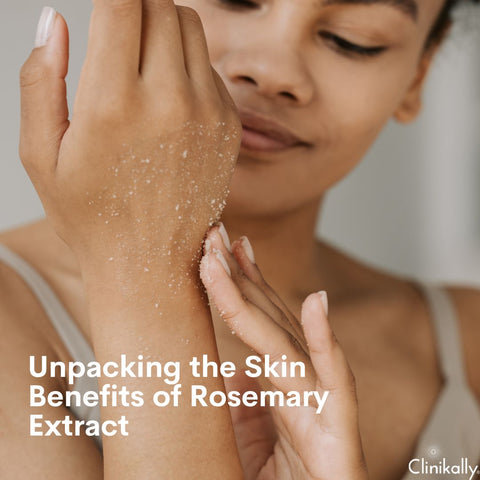
Rosemary extract is a skincare multi-tasker that provides a plethora of benefits, making it a staple among beauty aficionados and clean beauty brands. Infused with antioxidants such as rosmarinic acid and carnosol, rosemary prevents free radical damage, avoiding premature aging, and it leaves skin feeling firmer, more youthful-looking. Its antibacterial and anti-inflammatory properties make it an effective treatment for acne reduction, soothing redness, and preventing oily skin. Rosemary extract also increases blood flow, which can improve skin tone and stimulate cell regeneration for a fresh, healthy glow. Also, it promotes the production of collagen and tightens the skin, diminishing the visibility of fine lines and enlarged pores. From toners that clarify to antioxidant serums, rosemary is being leveraged for its power to provide tangible, observable effects. As more consumers are looking for plant-based solutions, rosemary extract for the skin keeps rising in popularity in science-informed and holistic skincare.
Antioxidant Power: Fighting Free Radicals and Environmental Stress
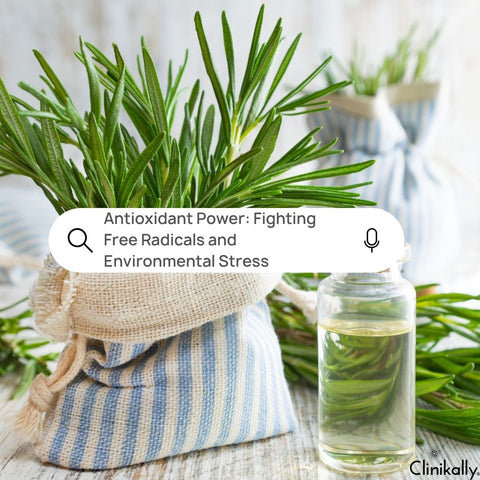
Rosemary is not only a scented herb-it's a botanical powerhouse filled with antioxidants that work to protect the body and skin from oxidative stress. In the natural skincare and wellness space, rosemary extract is drawing attention for its power to neutralize free radicals, decrease inflammation, and promote healthy skin and scalp. From pollution in the city to UV damage, everyday environmental aggressors can cause cell damage and speed up aging-but rosemary is a natural protective agent, so it's a top ingredient in antioxidant hair treatments, serums, and detox skincare.
-
Rosemary contains rosmarinic acid and carnosic acid, both powerful antioxidants that eliminate free radicals and shield skin cells against premature aging.
-
It reduces oxidative damage due to UV rays, pollution, and blue light, so it's perfect for contemporary anti-pollution skincare.
-
It calms redness and irritation caused by environmental aggressors due to its anti-inflammatory action.
-
Rosemary stimulates blood circulation and cell regeneration, assisting the skin and scalp in recovering more quickly from everyday stressors.
-
Rosemary extract prevents damage to the follicles, strengthens the hair strands, and enhances scalp well-being when under oxidative stress in haircare.
-
Used in antioxidant face oils or scalp serums, rosemary provides a natural barrier against environmental toxins.
-
In addition, it serves as a natural preservative, stabilizing formulations and improving product shelf life without the need for synthetic preservatives.
-
With other antioxidant plant actives, rosemary reinforces the skin's protection barrier and preserves youthful glow.
-
Its antioxidant activity also aids collagen formation, and as such, is helpful to include in anti-aging skincare regimes.
-
As a part of holistic self-care, rosemary is usually part of detox ceremonies and restorative herbal infusions for systemic health.
With today's growing pollution and lifestyle stress, rosemary extract is a clean, effective, and powerful method of safeguarding your skin, scalp, and body against free radical damage. Whether infused in serums, hair packs, or teas, this free-radical-fighting herb is nature's solution to contemporary environmental stressors.
Calming Redness and Inflammation with Herbal Precision
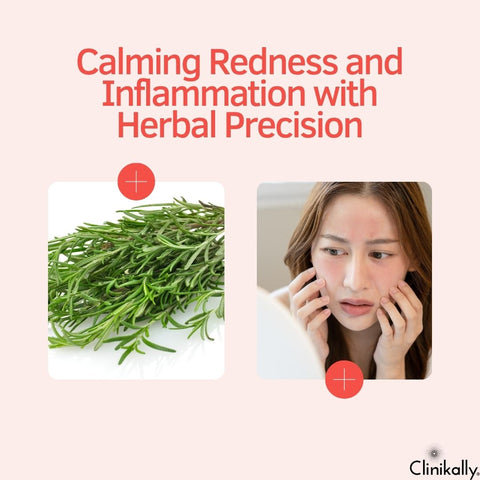
In natural skincare, rosemary extract is gaining fame for its incredible capacity to calm redness, subside inflammation, and rebalance irritated skin. Renowned for herbal specificity, rosemary is rich in anti-inflammatory constituents that address the source of skin sensitivity-positioning it as a hot botanical in acne treatments, soothing moisturizers, and sensitive skin treatments. Its antioxidant and calming actives combine for a holistic, plant-based solution to skin repair and inflammation management.
-
Features ursolic acid and rosmarinic acid, both recognized for the reduction of visible redness and skin inflammation.
-
It is a natural anti-inflammatory that can calm skin troubles caused by acne, rosacea, or environmental stress.
-
Maintains microcirculation and lymph flow, which diminishes puffiness and enhances skin tone.
-
Calms itching and irritation on reactive or sensitive skin types without the use of harsh chemicals.
-
Strengthening of the skin barrier to make it less reactive to inflammatory stimuli such as pollutants and allergens.
-
Used in herbal spot treatments to treat individual breakouts and inflammation.
-
Regulates sebum production, minimizing the risk of clogged pores and inflammation.
-
Its cooling action brings instant relief when used as a mist, gel, or infused toner.
-
With soothing herbs such as chamomile or aloe vera, rosemary boosts anti-redness activity in mild skin products.
-
Ideal for everyday use in clean beauty products aimed at redness, sensitivity, and after-acne marks.
Whether you're dealing with acne skin or sensitivity to the environment, rosemary extract provides effective herbal care that soothes without sacrificing. Its documented capability to soothe inflammation while encouraging skin healing makes it a hero ingredient for those looking for effective, plant-based solutions in their skincare routine.
Sebum Regulation and Breakout Prevention Naturally
Balancing oily skin and keeping acne at bay needn't mean resorting to harsh chemicals-nature also has a mighty solution in rosemary extract. With its antibacterial, anti-inflammatory, and sebum-balancing attributes, rosemary is a go-to herb in natural acne skincare for oily and acne-prone skin. Its pore-purifying, oil-controlling, and inflammation-calming properties make it a popular ingredient in clean beauty products that seek to prevent acne and maintain a clear, matte face.
-
Regulates sebum production by balancing sebaceous gland activity, minimizing oiliness without dryness.
-
Has natural antibacterial agents such as camphor and cineole that combat acne-causing bacteria.
-
Unclogs pores and inhibits the development of blackheads and whiteheads.
-
Reduces inflammation surrounding clogged follicles, which helps avoid painful, swollen breakouts.
-
Its antioxidant benefits aid in healing ongoing acne and alleviate post-breakout marks.
-
Works synergistically with other botanicals such as tea tree oil and witch hazel to further control breakouts.
-
Utilized in herbal face washes, toners, and spot treatments for acne and oily skin.
-
Helps to achieve a healthier-looking complexion by cleansing the skin barrier and diminishing environmental impurities.
-
Ideal for extended use because of its non-drying and non-comedogenic properties.
-
Provides a natural alternative to salicylic acid and benzoyl peroxide in mild acne treatment regimens.
With its pore-purifying and deep-cleansing effects, rosemary extract is a natural and effective means of controlling oily skin and blemishes. Adding rosemary to your skincare regimen introduces herbal accuracy to the control of acne-resulting in balanced, clear skin without irritation or over-drying.
Incorporating Rosemary Extract into Your Skincare Regimen
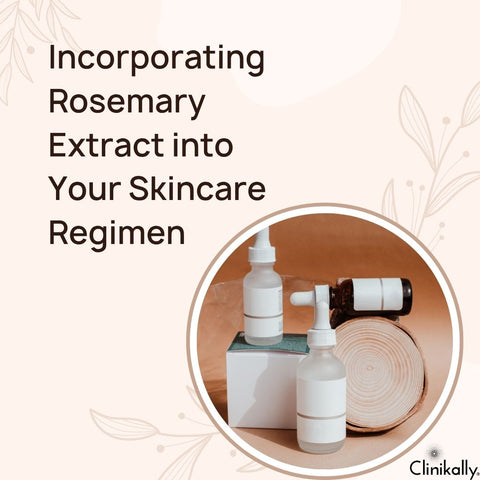
Including rosemary extract in your skincare regimen is an easy and straightforward means of reaping the benefits of this anti-inflammatory, antioxidant herb. It is renowned for its calming, purifying, and protective qualities and works perfectly in various forms of clean beauty products for acne, redness, oil control, and premature ageing. With increasing consumers turning to plant-based skincare, rosemary extract remains a top trending ingredient for beautifully healthy and balanced skin. Rosemary Extract can be integrated in your skincare routine in countless ways, including:
-
Begin with a mild rosemary-infused cleanser such as KAINE Rosemary Relief Gel Cleanser to purify pores and control excess oil without depleting the skin.
-
Follow with a rosemary toner or facial spray after cleansing to soothe inflammation and revive your complexion.
-
Treat with a serum or face oil featuring rosemary extract such as Repechage Red-Out Lightweight Facial Serum For Sensitive Skin to reap its antioxidant benefits and sebum-regulating effects.
-
Spot treat with a rosemary gel or roll-on to directly target breakouts, redness, or irritation.
-
Add a weekly rosemary extract clay mask for pore deep cleansing and rebalancing of the skin.
-
For oily skin, combine rosemary with plant actives such as niacinamide or salicylic acid in your night time regime.
-
Apply a day cream with rosemary and SPF for extra defense against environmental stressors.
-
Use with soothing herbal extracts such as aloe vera, green tea, or chamomile for sensitive skin treatments.
-
In hair care, apply rosemary scalp serums such as WishCare Rosemary Essential Oil or shampoos such as Pilgrim Spanish Rosemary & Biotin Anti-Hairfall Shampoo to condition follicles and cut down on build-up.
-
Patch-test new rosemary products always, and particularly if you possess reactive or extremely sensitive skin.
Regardless of whether you're fighting blemishes, dullness, or imbalance of the skin, rosemary extract presents a multitasking and natural solution. Being versatile, it can be added to every step of your routine-be it cleansing or treatment-making it a clear, calm, and resilient skin hero ingredient.
Choosing the Right Rosemary-Infused Formulas
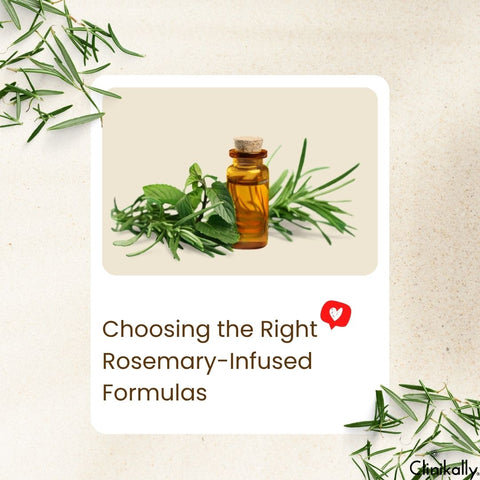
As rosemary gains popularity in the skincare arena, it's crucial to select the best rosemary-infused products that suit your skin type and issues. Acne-fighting toners, antioxidant serums, and calming moisturizers are just a few ways rosemary extract has become a highlight ingredient in clean, plant-based skincare. Knowing which rosemary-based products work best for you guarantees you get the full benefits-whether you're fighting breakouts, dullness, or premature aging due to environmental stress.
-
Check for rosemary extract (rosmarinus officinalis) close to the beginning of the ingredient list so you can be assured of high strength.
-
For oily or acne skin, use light gels, toners, or cleansers containing rosemary and complementing ingredients such as niacinamide or salicylic acid.
-
For dry or sensitive skin, use cream-based moisturizers or soothing serums that blend rosemary with gentle agents like aloe vera, ceramides, or hyaluronic acid.
-
For anti-aging needs, look for antioxidant-rich rosemary serums or face oils combined with vitamin C or coenzyme Q10.
-
For haircare, use rosemary scalp serums, shampoos, or leave-in treatments designed to activate follicles and minimize buildup.
-
Always ensure to look for clean, non-comedogenic formulations that do not contain alcohol, parabens, or artificial fragrance, as these will reverse rosemary's effects.
-
Opt for products that utilize organic or sustainably farmed rosemary extract for enhanced efficacy and environmental efforts.
-
Opt for multi-tasking products such as detox masks or calming face mists where rosemary is blended with other herb actives.
-
Think about how often you use it-daily products such as cleansers and toners must be gentle, but weekly masks or target treatments can be more intense.
-
If unsure, look for labels with clinical claims or dermatological testing, particularly if you have sensitive or allergy skin.
With appropriate formulation, rosemary can revolutionize your skincare ritual-delivering focused treatment for acne, oil control, sensitivity, and aging skin. Opting for intelligent, purpose-based rosemary-enriched products enables you to experience herbal precision, clean beauty, and long-lasting results.
Best Practices for Sensitive and Oily Skin Types
Rosemary extract is a concentrated herbal substance that gives antibacterial, anti-inflammatory, and oil-controlling benefits, and so is ideal for oily and sensitive skin types. However, proper use is important in order to avoid irritation and obtain the most soothing and clarifying benefits. Carefully applied, rosemary extract may be utilized to reduce acne breakouts, calm redness, and balance without overloading reactive or sensitive skin.
-
Always start with a patch test, especially if you have sensitive or allergic skin.
-
Use diluted rosemary extract or seek out products in which rosemary is blended with calming ingredients like aloe vera, green tea, or panthenol.
-
Avoid alcohol-based rosemary toners that dehydrate the skin barrier-opt for alcohol-free formulations instead.
-
Apply once a day to start, especially in serum or spot treatment form, and gradually develop tolerance.
-
Choose non-comedogenic products to avoid clogging the pores and especially on oily or acne skin.
-
In cleansers, look for gel or foam cleansers with rosemary that clean oil without tightness or dryness.
-
Blend rosemary with humectant agents like hyaluronic acid or glycerin to maintain the moisture level of the skin in equilibrium.
-
Avoid blending rosemary with strong exfoliants or retinoids except under the prescription of a dermatologist, in order to prevent over-irritation.
-
Use rosemary in weekly masks or scalp treatments to balance oil rather than daily use.
-
Be strict but not severe-too much can lead to sensitivity, while frequent, balanced use can visibly improve skin clarity and tone.
If used judiciously, rosemary extract can be a miracle worker for oily and sensitive skin-managing breakouts, taming shine, and calming redness without chemical aggression. It's a matter of using the right products, introducing them slowly, and giving your skin time to adjust to this strong yet natural remedy.
Complementing Rosemary with Other Botanical Allies: Complications Encountered
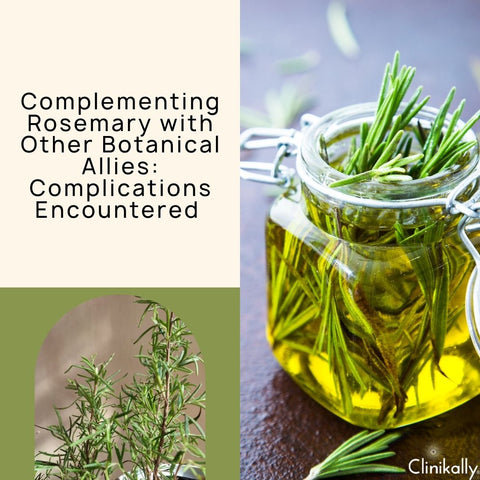
While rosemary extract harmonizes nicely with a lot of botanicals in hair and skincare products, its combination with some ingredients can cause unforeseen side effects-particularly on sensitive or acne skin. The incorrect combinations cause irritation, dilute effectiveness, or overburden your skin barrier. Since rosemary is a potent active with high antioxidant and antimicrobial content, it is necessary to know interactions when stacking it with other herbal actives in your skincare routine. Possible Complications When Combining Rosemary with Other Botanicals can be:
-
Blending rosemary with harsh astringents such as witch hazel or eucalyptus can cause severe dryness or irritation, especially in sensitive skin.
-
Blending with concentrated essential oils like tea tree, peppermint, or cinnamon can stimulate the skin too much, leading to redness or burning reactions.
-
Combining rosemary with acidic plants (such as lemon or grapefruit extracts) can upset the pH level and provoke sensitivity or acne.
-
Products containing multiple stimulating herbs (such as ginseng, ginkgo, and rosemary) can lead to flushing or inflammation of the skin in rosacea-sensitive clients.
-
Excessive use with strong actives such as salicylic acid or retinoids can soften the skin barrier and cause peeling or sensitization.
-
When used in hair care, combining rosemary with harsh exfoliants or clarifiers (such as charcoal, apple cider vinegar) can cause a dry, flaky scalp.
-
The combination of rosemary with phototoxic plants (such as bergamot oil) has the potential to enhance sun sensitivity and the likelihood of UV damage.
-
In multi-botanical products, ingredient overload can weaken the effectiveness of rosemary, making it more difficult to obtain focused outcomes.
-
Allergic reactions are heightened when rosemary is combined with too many unidentified herbal extracts, raising the level of difficulty in identifying culprits.
-
Not all skin types will accept complex blends of herbs, and multiple actives can lead to breakouts, congestion, or impaired barrier function.
Although rosemary is a powerful, effective herb, its benefits are optimally achieved in well-crafted products or simple regimens. To prevent complications, select focused combinations, steer clear of ingredient overload, and opt for skin friendliness when layering rosemary over other herbal partners.
Nature Meets Efficacy: Why Rosemary Deserves a Spot in Modern Skincare
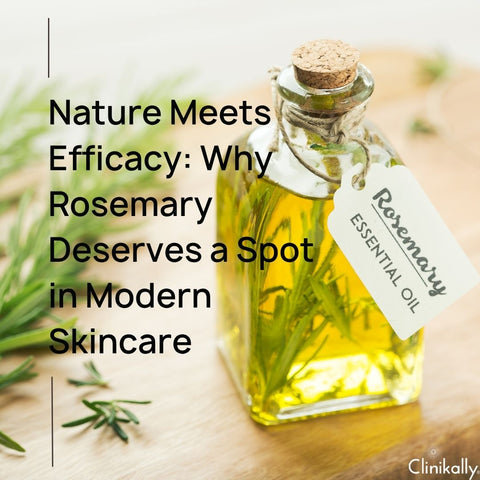
As skincare increasingly gravitates toward nature-activated effectiveness, rosemary emerges as a botanical product that offers both heritage and innovation. Its capacity to calm inflammation, fight breakouts, shield from environment stressors, and increase the radiance of the skin makes it an all-time all-rounder for any routine. Whether in facial oils, serums, or toners, rosemary extract easily integrates into today's modern formulations that seek clean, effective, and science-driven outcomes. With the growing interest in plant-based skincare and multi-benefit actives, rosemary's trajectory from herb garden to hero active is a testament to nature's hidden potential. In an era of consumers demanding noticeable results at no expense, rosemary provides the ideal combination of purity and performance-worthy of a place in every progressive skincare routine.