Rosmarinic Acid Magic for Clear and Radiant Skin
Rosemary, also known as Rosmarinus officinalis, belongs to a plant family that includes mint, lemon balm, salvia, marjoram, and oregano. People have always adored rosemary for its delicious perfume and several health advantages. Aside from cooking, this herb can aid in hair growth, skin rejuvenation, and even weight loss. Let's look at the incredible rosemary oil advantages for hair, skin, and overall wellness.
What Is Rosmarinic Acid and Why Does Your Skin Love It?
Rosmarinic acid is a naturally occurring polyphenol chemical found predominantly in rosemary. It is known for its powerful antioxidant and anti-inflammatory qualities, which aid skin health by preventing damage and fostering a young appearance. Here's a detailed look:
-
Rosmarinic acid is an ester, specifically a combination of caffeic acid and 3,4-dihydroxyphenyl lactic acid.
-
It is commonly found in a variety of plants, particularly those of the Lamiaceae family, which includes rosemary, basil, sage, and thyme.
-
Rosmarinic acid has a variety of pharmacological and biological activities, including antioxidant, anti-inflammatory, anti-apoptotic, anti-fibrotic, and antibacterial effects.
Why your skin loves it:
-
Rosmarinic acid protects the skin from free radicals and environmental stressors that can cause premature aging and other skin issues.
-
It effectively reduces inflammation, redness, and swelling, making it useful for skin conditions such as eczema, rosacea, and acne.
-
Rosmarinic acid has the ability to increase the production of collagen, which is essential for preserving the firmness and elasticity of the skin and preventing wrinkles and sagging.
-
Rosmarinic acid may be able to shield skin cells from ultraviolet (UV) radiation damage, according to research.
-
Moreover, rosmarinic acid has antiviral, antibacterial, antimutagenic, and astringent qualities.
-
By promoting ceramide production, reducing transepidermal water loss (TEWL), and boosting skin hydration, rosmarinic acid can enhance skin barrier functions.
The Science Behind Rosmarinic Acid's Skin Benefits
The relationship behind rosmarinic acid demonstrates why it is such an effective skincare component. Its ability to counteract oxidative stress, reduce inflammation, combat bacteria, and brighten the complexion makes it a versatile and effective component for clear, youthful skin. Rosmarinic acid can help with acne, aging, redness, and hyperpigmentation, resulting in healthier, more luminous skin.
Key Nutrients in Rosmarinic Acid for Skin Health
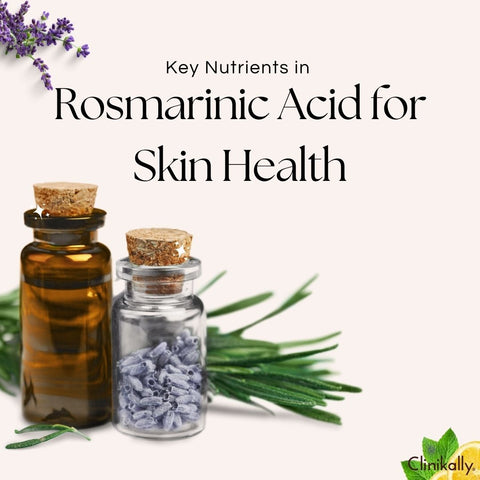
The following are the main nutrients in rosmarinic acid and how they support glowing, healthy skin:
-
Rosmarinic acid: Rosmarinic acid, the principal active component, is an effective antioxidant and anti-inflammatory. It defends the skin against oxidative stress, free radical damage, and inflammation. These acts help to lessen the appearance of fine lines, wrinkles, and hyperpigmentation while improving overall skin health.
-
Flavonoids: Flavonoids are plant chemicals that possess antioxidant, anti-inflammatory, and antibacterial effects. They are plentiful in herbs such as rosemary, oregano, and sage, and function together with rosmarinic acid to protect the skin.
-
Carnosic acid: A potent substance with strong anti-inflammatory and antioxidant qualities, carnosic acid is abundant in rosemary.
-
Vitamin E: It is an important vitamin present in many herbs that promotes skin health. In herbs such as rosemary and sage, it contributes to the plant extracts' overall antioxidant action.
-
Caffeic acid: It's another chemical found in rosemary, sage, and other aromatic herbs. It is a phenolic molecule that has potent antioxidant and anti-inflammatory properties.
-
Essential oils: The essential oils derived from rosemary and other rosmarinic acid-rich herbs contain chemicals such as 1,8-cineole and camphor, which are antibacterial, antioxidant, and anti-inflammatory.
-
Synergistic effect with other skin nutrients: Rosmarinic acid has a synergistic impact with other skin nutrients when mixed with other vitamins, minerals, and active substances present in herbal extracts, increasing its effectiveness in skincare. For example, vitamins C and tannins.
How Rosmarinic Acid Compares to Other Skincare Ingredients
Rosmarinic acid stands out as a multifunctional component that provides antioxidant protection, anti-inflammatory action, and antibacterial activity. While it shares certain characteristics with other popular skincare compounds like vitamin C, retinol, and hyaluronic acid, it also has its own set of benefits, especially for sensitive, acne-prone, and irritated skin.
-
For hydration, combine rosmarinic acid with hyaluronic acid.
-
For acne, combine rosmarinic acid and salicylic acid for a gentle, soothing treatment.
-
For anti-aging, combine rosmarinic acid with vitamin C or retinol to boost antioxidant levels and reduce irritation.
By understanding the unique properties of each component and how they interact, you can create a skincare routine that maximizes the advantages of rosmarinic acid and other powerful compounds, resulting in clear, radiant, and youthful-looking skin.
Top Skin Benefits of Rosmarinic Acid
Some of the best skin benefits of rosmarinic acid include:
-
Anti-Inflammatory: It reduces inflammation in the skin, making it effective for acne, eczema, and rosacea. It soothes sensitive skin, reducing redness and swelling.
-
Antioxidant protection: Rosmarinic acid, a potent antioxidant, helps neutralize free radicals, minimizing oxidative stress, which can hasten skin aging. This protects the skin from environmental harm such as UV radiation, pollution, and other stresses.
-
Antibacterial and antimicrobial: It contains natural antibacterial characteristics that can help treat acne-causing germs, decreasing outbreaks and preventing future skin problems.
-
Improves skin hydration: It has been shown to help maintain the skin's moisture balance by preventing excessive dryness, making it an effective component for dry or sensitive skin.
-
Soothing skin: Rosmarinic acid, with its anti-inflammatory and antioxidant characteristics, can soothe burnt or irritated skin, offering relief and speeding up healing.
-
Brightens skin tone: It can help improve skin tone and texture by reducing pigmentation and dark spots, leaving the skin looking more even and radiant.
-
Promotes collagen synthesis: Some studies suggest that rosmarinic acid can help increase collagen formation, which improves skin elasticity and firmness and reduces the appearance of fine lines and wrinkles.
Antioxidant Power: Shielding Skin from Damage
Antioxidants are essential for protecting the skin from free radical damage. Free radicals are unstable chemicals produced by UV radiation, pollution, and even stress. They can harm skin cells by destroying cell membranes, proteins, and DNA. This damage hastens the aging process and raises the risk of skin disorders. Rosmarinic acid protects the skin from harm by neutralizing free radicals, preventing premature aging, improving skin repair, lowering hyperpigmentation, promoting collagen protection, and guarding against UV exposure. Antioxidants like rosmarinic acid protect the skin from free radicals, creating a beautiful, young complexion and reducing the negative effects of environmental damage.
Anti-Inflammatory Effects: Calming Redness and Irritation
Rosmarinic acid is known for its potent anti-inflammatory qualities, making it an ideal component for calming irritated and inflamed skin. Inflammation is a prevalent skin problem associated with acne, rosacea, eczema, and sunburn. When the skin gets inflamed, it usually causes redness, swelling, and discomfort. Here's how rosmarinic acid can soothe and alleviate these symptoms:
-
Redness is one of the most visible effects of inflammation in the skin, which can be caused by acne, skin irritation, or environmental stressors. By controlling inflammation, rosmarinic acid helps achieve a calmer and more even skin tone.
-
Rosmarinic acid is mild on the skin, making it useful for relieving discomfort produced by sensitive or reactive skin. It can help alleviate the irritation and sensitivity associated with illnesses such as eczema, rosacea, and allergic responses, letting the skin to heal more easily.
-
Sunburn is primarily an inflammatory reaction to excessive UV radiation. Rosmarinic acid's anti-inflammatory properties can help soothe burnt skin by lowering redness and pain. It helps the skin recuperate faster by calming the inflammatory reaction.
-
Acne is typically characterized by red, large, and painful pustules or cysts. Rosmarinic acid reduces the inflammatory response, which helps regulate the swelling and redness of acne lesions, resulting in a calmer complexion and fewer apparent outbreaks.
-
Rosacea is a chronic skin condition marked by redness and visible blood vessels, which is frequently accompanied by sensitivity and irritation. Rosmarinic acid's capacity to reduce inflammation can be especially advantageous for people who have rosacea, as it relieves flare-ups and reduces apparent redness.
-
Chronic inflammation can erode the skin's natural barrier, leaving it vulnerable to more irritation and environmental damage. Rosmarinic acid balances and strengthens the skin barrier, lowering the risk of future flare-ups and improving general skin health.
Boosting Collagen for Firm and Youthful Skin
Collagen is an essential protein in the skin, providing structure, firmness, and elasticity. As we age, collagen production naturally decreases, resulting in sagging, fine lines, and wrinkles. The good news is that rosmarinic acid, which has antioxidant and anti-inflammatory qualities, may aid in stimulating collagen formation and maintaining youthful skin. Here's how it can help: promote collagen synthesis, prevent collagen breakdown, improve skin suppleness, heal and repair the skin, reduce the appearance of wrinkles, and support general skin health. Rosmarinic acid helps to keep the skin looking young by increasing collagen synthesis and protecting it from degradation. It keeps the skin firm, elastic, and smooth, making it an important component in anti-aging skincare regimens.
How to Incorporate Rosmarinic Acid into Your Skincare Routine
Rosmarinic acid might be a useful addition to your skincare routine because of its antioxidant, anti-inflammatory, and collagen-boosting effects. Whether you want to treat acne, soothe irritated skin, or prevent the symptoms of aging, rosmarinic acid can be simply included in your daily routine. Here's how to use it effectively: Select the proper products, begin with a wash, use a toner (optional), apply serum, moisturize, use sun protection (daytime regimen), understand the frequency of usage, and layer with other ingredients.
Skincare routine with rosmarinic acid:
Morning:
-
Make use of a mild cleanser to clean your face.
-
Use a serum or toner that has rosmarinic acid in it.
-
Apply a hydrating moisturizer afterward.
-
Apply a broad-spectrum sunscreen last.
Evening:
-
Cleanse your face thoroughly to remove makeup and impurities.
-
Apply a serum or treatment containing rosmarinic acid.
-
To keep skin hydrated, apply a nourishing moisturizer.
By incorporating rosmarinic acid into your skincare routine, you can benefit from its soothing, antioxidant, and collagen-boosting properties to improve overall skin health and combat signs of aging, inflammation, and irritation.
Choosing the Right Rosmarinic Acid Skincare Products
When choosing skincare products containing rosmarinic acid, you should evaluate your skin type, problems, and desired results. Rosmarinic acid, an antioxidant and anti-inflammatory powerhouse, is widely used in treatments designed to soothe inflamed skin, battle symptoms of aging, and provide antioxidant protection. Consider your skin type, look for complementing substances, decide on the type of product, look for clean formulations, patch test before full use, seek product suggestions, and conduct brand research. By taking into account your skin type, issues, and desired product format, you can select the best rosmarinic acid skincare solutions to successfully address inflammation, promote collagen, and improve overall skin health.
DIY Skincare: Rosmarinic Acid Home Remedies
Some simple and effective ways to incorporate rosmarinic acid into your skincare routine are:
-
Rosemary infused oil: The ingredients are fresh or dried rosemary leaves (approximately 1/4 cup) and 1 cup carrier oil (e.g., olive oil, jojoba oil, or coconut oil). In a clean jar, place the rosemary leaves and cover with your preferred carrier oil. Seal the jar tightly and store it in a bright location for 1-2 weeks, gently shaking it once a day to help the oil infuse. After 1-2 weeks, filter the rosemary leaves out of the oil. Place the infused oil in a clean bottle or container. Apply a few drops of rosemary-infused oil to your face or body to provide relaxing, antioxidant, and anti-aging benefits.
-
Rosemary and green tea face toner: The Ingredients are 1-2 tablespoons of fresh rosemary leaves or rosemary essential oil and 1 cup of green tea (freshly brewed and cooled). Brew the green tea and allow it to cool completely. If you're using fresh rosemary, soak it in green tea for 5-10 minutes. If using rosemary essential oil, mix 5-10 drops into the cooled tea. Strain the rosemary leaves (if used fresh). Transfer the cooled rosemary and green tea mixture to a spray bottle or a clean container. Apply the toner to your face with a cotton pad after cleansing, or spritz it softly for a refreshing boost.
-
Rosemary & honey face mask: The ingredients are 1 tablespoon honey (ideally raw or organic), 1 tablespoon fresh rosemary leaves or 2-3 drops rosemary essential oil, and 1 tablespoon plain yogurt (optional for moisture). If using fresh rosemary, crush the leaves to release the oil. In a small bowl, combine honey, rosemary, and yogurt (if using). Stir until the mixture is smooth. Apply the mixture evenly over your face, avoiding the eyes. Leave the mask on for 10-15 minutes to let the rosmarinic acid soothe your skin and give antioxidant protection. Rinse with lukewarm water, then gently wipe your skin dry.
-
Mint and rosemary soothing face steam: The ingredients are 1/4 cup fresh rosemary leaves, 1/4 cup fresh mint leaves, and 4 glasses of boiling water. Boil the water and transfer it to a heatproof bowl. Combine the rosemary and mint leaves with the water. Drape a towel over your head to catch the steam, then lean over the bowl, keeping your face approximately 8-12 inches above the water. Make sure the steam isn't too hot. Inhale the steam for 5-10 minutes to let the anti-inflammatory ingredients in rosemary and mint soothe your skin. Then, spray your face with cool water and gently pat it dry.
-
Rosemary and aloe vera gel: The Ingredients are 1 tablespoon of aloe vera gel (fresh or store-bought) and 5-6 drops of rosemary essential oil or 1 tablespoon of rosemary-infused oil. In a small bowl, mix the aloe vera gel with the rosemary oil or rosemary-infused oil. Stir well until the mixture is smooth and evenly combined. Apply the gel to your face or affected areas (such as sunburns or areas with irritation). Leave it on for 15-20 minutes, then rinse with lukewarm water.
Myths and Facts About Rosmarinic Acid in Skincare
To help you understand how rosmarinic acid works and how it can help your skin, we have separated fact from fiction.
Myth 1: Rosmarinic acid is found only in rosemary.
Fact: Rosmarinic acid can be found in a variety of herbs, including mint, thyme, and oregano. These plants contain variable levels of rosmarinic acid and provide similar antioxidant and anti-inflammatory properties to the skin.
Myth 2: Rosmarinic acid can replace sunscreen.
Fact: Rosmarinic acid is a powerful antioxidant that can give some UV protection by neutralizing free radicals, but it is not a substitute for sunscreen. Sunscreen is still necessary to protect your skin from damaging UV rays, which can cause sunburn, premature aging, and skin cancer. Rosmarinic acid can, however, supplement sunscreen by providing additional antioxidant protection against oxidative stress.
Myth 3: Rosmarinic acid works instantly.
Fact: While rosmarinic acid provides instant calming and antioxidant protection, its full advantages do not appear right away. Like many skincare components, it works best when used on a daily basis over several weeks or months. Consistent use will assist in reducing inflammation, improving skin texture, and minimizing redness, although apparent results may not appear overnight.
Myth 4: Rosmarinic acid is too harsh for sensitive skin.
Fact: Rosmarinic acid has anti-inflammatory qualities, making it an ideal choice for sensitive skin. It alleviates irritation, redness, and inflammation, all of which are typical complaints among people with sensitive skin. Patch-testing is usually recommended before using any new skincare component, but rosmarinic acid is gentle and suitable for most skin types, including sensitive skin.
Myth 5: Rosmarinic acid is solely used to prevent aging.
Fact: Although rosmarinic acid is useful for anti-aging, it has a broader application. Its antioxidant capabilities protect the skin from environmental harm, which causes premature aging. However, it also has considerable anti-inflammatory properties, making it useful for soothing inflamed skin, lowering redness, and treating acne. It's also effective for eczema, rosacea, and sunburns.
Myth 6: Rosmarinic acid can only be found in high-end skincare products.
Fact: Rosmarinic acid is present in a wide range of skincare products, from low-cost alternatives to high-end brands. Many drugstore skincare brands use rosemary extract or rosmarinic acid as a prominent ingredient in their formulas. Check the ingredient list for "rosmarinic acid" or "rosemary extract" to guarantee you're getting the advantages regardless of price.
Myth 7: Rosmarinic acid is just a trend.
Fact: Rosmarinic acid is not a transitory skincare craze; it is a well-researched, scientifically supported substance with established skin health benefits. Its antioxidant, anti-inflammatory, and antibacterial characteristics have made it a popular ingredient in skincare products aimed at treating acne, irritation, aging, and environmental damage. It has been examined for its benefits to skin health and is expected to remain a significant skincare ingredient.
Is Rosmarinic Acid the Future of Natural Skincare?
In many ways, rosmarinic acid appears to have a promising future in natural skincare. Its antioxidant, anti-inflammatory, and calming characteristics make it a flexible and effective substance that can treat a variety of skin issues. As more people seek natural, effective, and sustainable skincare treatments, rosmarinic acid has the potential to become a key ingredient in future formulations. However, while it is likely to play an important role, it may not totally replace other well-known skincare compounds such as vitamin C, retinol, or hyaluronic acid, each of which has distinct benefits. Instead, it could complement these substances, increasing the efficacy of modern skincare procedures.