Supermarket vs Salon Products: What’s Worth Your Money?
Doctor's Desk
Author
20 Aug, 2025
We've all been there: standing in the supermarket's shampoo aisle, staring at rows upon rows of products that promise sleek, lustrous, and healthy hair at a fraction of the cost of salon brands. Isn't it tempting? After all, why spend more when those supermarket options appear to achieve the same thing? However, while supermarket haircare may appear to be a deal, there is often more to the story. The distinction between salon-grade and supermarket products is more than simply the price; it's about what's in the bottle, how it's formulated, and the long-term impact on your hair's health. In this blog, we'll go over the fundamental differences between supermarket and salon brands, so you know precisely what you're getting for your money and why your hair deserves the best.
What Sets Salon-Grade Products Apart?
Salon-grade hair products are frequently more expensive—but what exactly are you paying for? Here's what makes them unique (and sometimes worth it):
-
Higher-quality ingredients: Salon formulas often contain higher levels of important nutrients such as keratin, argan oil, biotin, and amino acids, which repair the hair rather than simply masking damage. Most are free of sulfates, parabens, and drying alcohols, which can strip hair and cause permanent damage.
-
Tailored for specific hair needs: These products are intended to address specific issues such as color-treated hair, heat damage, frizz and humidity control, and scalp sensitivity, whereas supermarket goods sometimes take a "one-size-fits-all" approach.
-
Supported by science and professionals: Developed with input from hairstylists and chemists, frequently tested in salons before hitting shelves, and stylists are instructed on how to use and prescribe them depending on your individual hair type.
-
Improved effectiveness with less product: Because of their concentrated compositions, you often require less per use, which means less product waste, lower cost-per-use over time, and greater long-term outcomes with continuous use.
The Ingredient Breakdown: Salon vs Drugstore
Let us compare what is inside the bottle.
-
Active ingredients: Higher concentrations of essential actives (such as keratin, peptides, ceramides, and argan oil) in salon products frequently include patented or clinically tested substances and are designed to treat hair rather than just coat it. On the other hand, drugstore lesser concentrations (to minimize costs and extend shelf life) mean common actives may be diluted or incorporated in little amounts, and the focus is usually on rapid benefits (such as shine or slide) rather than long-term restoration.
-
Sulfates and surfactants: Salons often utilize sulfate-free or gentler washing chemicals (such as sodium cocoyl isethionate), which are less prone to damage natural oils or color. On the other hand, drugstores frequently employ sodium lauryl sulfate (SLS) or sodium laureth sulfate (SLES), and stronger cleansers = more foam, but also more dryness.
-
Silicones: Silicones designed for salon usage are lightweight and water-soluble (such as dimethicone copolyl), with the goal of smoothing and protecting without buildup. On the other hand, drugstores frequently use strong, non-water-soluble silicones (such as dimethicone or amodimethicone). Provides a fast gloss but can accumulate over time and restrict moisture.
-
Fillers and Additives: Salons use minimum fillers; the emphasis is on performance, and smells are typically modest and derived from essential oils or meant to avoid irritation. To appeal to the mass market, Drugstore may use more cheap fillers, synthetic coloring, and fragrance. Some can irritate delicate scalps or dry out the hair over time.
-
Preservatives: Salons often utilize softer or more advanced preservatives (like phenoxyethanol) that have been proven safe with frequent use. On the other hand, drugstores may use formaldehyde-releasing chemicals or older preservatives (such as parabens) to ensure long shelf life.
Concentration, Efficacy, and Long-Term Results
When deciding between salon and drugstore hair products, it's important to consider not only the contents but also how much of those ingredients truly benefit your hair.
-
Concentration: Salon treatments contain higher concentrations of active substances (such as proteins, oils, and vitamins), are developed to provide effective treatment with less product each usage, and are frequently stronger and less diluted with fillers or water. On the other side, components in drugstore goods are frequently incorporated in trace levels just for label appeal, substantially diluted formulas to keep costs down, and huge bottles, requiring more product to create a perceptible impact.
-
Efficacy: Salons are designed to permeate the hair shaft rather than simply coat it. They are better at resolving long-term issues (damage, breakage, moisture loss) and are usually accompanied by professional suggestions for optimal impact. Drugstore products, on the other hand, are designed for instant cosmetic outcomes (shine, softness), and may contain surface-level smoothers or heavy silicones for a "quick fix" sensation rather than deep hair repair.
-
Long-term results: Salon products promote long-term hair health, particularly with continuous use, assist in extending the duration of salon treatments such as color or keratin, and minimize the need for frequent salon visits by allowing you to manage your hair at home. On the other side, drugstore products can produce buildup or dryness if used long-term without clarifying or changing up your routine, may not support chemically treated or delicate hair, and may require additional treatments (like masks or oils) to compensate.
Fragrance, Texture, and Overall Experience
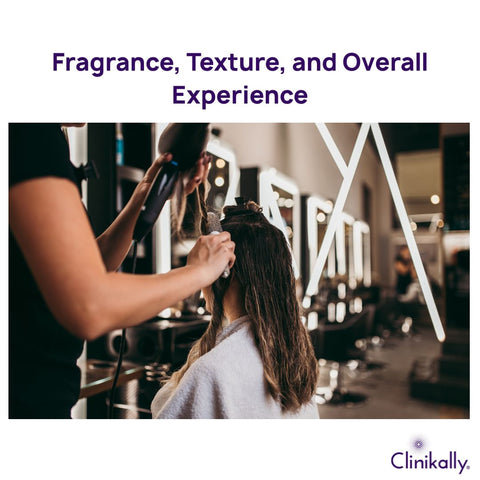
It's not just about what a thing does, but also how it feels. From aroma to texture, the experience of using a salon product differs significantly from that of a drugstore product.
-
Fragrance (Subtle luxury vs synthetic sweetness): Salon products are frequently made with luxury, layered aromas — think spa or perfume-quality scents — that contain essential oils or hypoallergenic blends designed for extended wear without irritation while remaining subtle, sophisticated, and long-lasting. On the other hand, drugstore products often use synthetic or artificial aromas to appeal to a wide market, often stronger and sweeter—they might linger substantially or irritate sensitive scalps and are not always built for layering or long-term freshness.
-
Texture (rich and concentrated vs light and fluffy): Salon creamier, silkier, and more concentrated, it feels luxurious right out of the bottle, requires less lather or spread, and is developed for performance rather than texture. On the other hand, drugstore products are often thinner, foamier, or more watery, add volume to the bottle, but you may need more per wash, and frequently contain thickeners or stabilizers for texture alone.
-
Overall experience (spa-like ritual compared to daily routine): Salons feel like self-care rituals; they frequently mirror the aroma, texture, and performance of professional treatments, have a better rinse-off feel, a smoother styling procedure, and a more polished end result, and elevate your routine by making washing your hair feel exquisite. On the other hand, drugstore gets the job done — but usually lacks the pampering factor and may leave hair feeling "coated" or heavy depending on the chemicals; it's practical and economical but not always memorable.
Price vs Performance: Where Does the Value Lie?
It's tempting to fixate on price tags, but when it comes to haircare, value isn't necessarily about the cheapest option. It comes down to what works, how long it lasts, and what you're actually paying for.
-
Upfront cost versus cost-per-use: Salon items have a greater starting price, perhaps 2-3 times that of a drugstore, but: Highly concentrated, so you use less per wash and it lasts much longer, eliminating the need for repurchases. Drugstore goods, on the other hand, are initially less expensive. Thinner formulas require more product to be used, which means more regular refilling and the need to purchase add-ons (hair serums, masks) to get equivalent results.
-
Performance and outcomes: Salon developed for actual results — damage healing, color protection, moisture retention; often improves hair health over time and aids in the preservation of salon services (such as color or keratin). Drugstore products, on the other hand, are focused on rapid, surface-level outcomes (shine, smell, smoothness), which may not address fundamental problems (breakage, dryness), and can produce buildup or dryness with prolonged usage.
-
Longevity of results: Salon has fewer bad hair days, requires fewer treatments, promotes healthy growth and long-term manageability, and can minimize the frequency of salon visits or emergency solutions. On the other hand, drugstore effects may disappear rapidly (particularly for color-treated hair), necessitate additional measures to preserve softness or shine, and cause long-term problems including as dullness, frizz, or scalp irritation.
Does Expensive Mean Better for Your Hair Type?
Not always, although it can, depending on your hair's specific demands. Let us break it down.
-
It depends on your hair type and needs: Salon products often provide superior long-term care, deeper restoration, and protection than most drugstore solutions. You might not need advanced formulas. A carefully selected pharmacy product may suffice.
-
You are paying for formulation: Salon products frequently contain larger quantities of actives (such as proteins, ceramides, and oils), better pH balance for your scalp and cuticle health. Fewer harsh additives and irritants, as well as cutting-edge technology for color-locking and bonding. However, not all expensive things are fantastic; price does not always equate to performance. Some luxury brands place more emphasis on packaging than on what's within.
-
Match the product with the problem: Look for moisture-rich products with slide – certain salon formulations cater exclusively to curl patterns with stunning effects. Lightweight salon treatments can provide volume without buildup, but some drugstore volumizers are also effective. Pricier products frequently offer milder, fragrance-free alternatives — but some drugstore companies are catching up.
How Long Salon Products Really Last
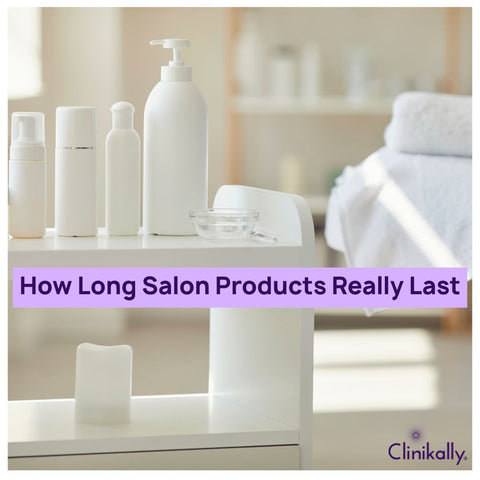
Salon products may be more expensive initially, but they last longer, perform better, and frequently replace several drugstore counterparts. When used properly, they can last 3-6 months or longer, providing good long-term value.
Are Professional Brands More Custom-Tailored?

Yes, and that is a major part of what distinguishes them. Here's why professional (salon) brands are typically a better fit for your particular hair.
-
Designed for certain hair types and demands: Professional lines provide specialized solutions rather than generic formulae. Consider color-treated vs. natural hair; fine vs. coarse strands; curly, wavy, straight, or coily textures; and dry scalp, oily roots, or sensitive skin.
-
Designed by and for stylists: Created with stylist feedback and salon performance in mind. Stylists are educated to assess your hair and propose the best formula. Some professional goods are salon-exclusive, which means they can't even be marketed without a stylist's instruction.
-
Layered systems, not individual products: Most professional brands have multi-step systems that include shampoo, conditioner, mask, and styling products that work in tandem, with active ingredients that build on one another for superior results. Drugstore manufacturers frequently offer basic pairs—with no personalization for changing hair circumstances (seasonal, hormonal, chemical treatments, etc.).
-
Adjustable and mixable: Many professional lines can be custom-blended or layered to meet your needs. Add bond-repair drops to a conditioner, combine a curl cream and a leave-in to adjust hold, and use a clarifying shampoo once a week without upsetting the system.
When to Invest and When to Save
Not every product in your routine needs to be purchased from the salon, but some absolutely should. Here's how to decide where to splurge and where to conserve without jeopardizing your hair's health.
-
Invest in: Shampoo, conditioner, and masks, as well as leave-ins, serums, and treatments (such as bond builders and scalp care), provides the greatest long-term benefits to hair health.
-
Save on: These products, which include dry shampoo, hairspray or light-hold stylers, and clarifying shampoo (occasional use); they don't always have to be expensive.
Best Cases for Salon Products (Color-Treated, Damaged Hair)
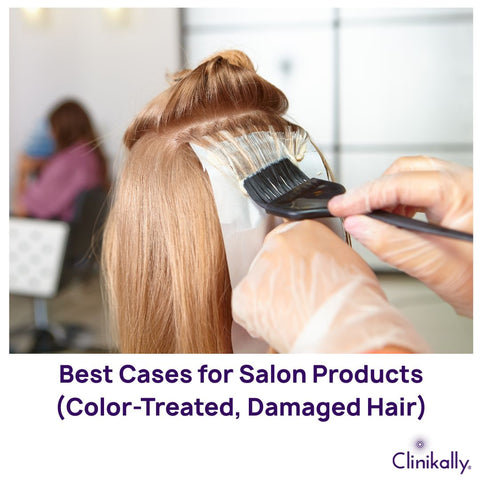
Top scenarios where investing in salon-grade formulas makes a noticeable difference:
-
Color-treated hair: Formulated with color-safe, sulfate-free shampoos that won't strip pigment; pH-balanced formulas to seal the cuticle and lock in vibrancy; UV filters, antioxidants, and color-protective proteins; and helps extend the life of your color, reducing the frequency of touch-ups.
-
Bleached or chemically treated hair: Designed to repair internal hair structure (protein loss, broken bonds), sophisticated chemicals restore elasticity, strength, and luster, and are less likely to cause additional stress or breakage.
-
Heat-damaged or over-styled hair: Infused with heat protectants and strengthening elements, it smoothes frizz, prevents split ends, and helps hair bounce back after regular blow- drying, straightening, or curling.
-
Curly, coily, or highly textured hair: Salon brands provide moisture-rich, sulfate-free, curl-specific products designed to enhance curl pattern without buildup or crunch, as well as style methods that provide hold and hydration.
-
Reactive or sensitive scalps: For reactive or sensitive scalps, use cleaner, dermatologically tested substances that are generally fragrance-free, hypoallergenic, or botanically derived and are less likely to cause irritation, dryness, or flaking.
When Drugstore Alternatives Get the Job Done
Salon products are excellent, but it doesn't mean you have to go all out. In many ordinary situations, drugstore items may hold their own – if you know what to look for.
-
Healthy, low-maintenance hair: If your hair is virgin (never dyed or chemically treated), medium to low porosity, and not very dry, oily, or frizzy hair. Then drugstore shampoo and conditioner from reliable brands will keep your hair clean, silky, and manageable.
-
Occasional use products: Certain "support" products do not need to be salon-level, especially when used infrequently. There are excellent dry shampoo options at pharmacies, most clarifying shampoos are effective for monthly detoxification, and hairspray or mousse with light- hold professional-level hold is not always required.
-
Basic cleansing requirements: If you wash your hair every day or every other day, and your hair is not chemically treated or prone to dryness, a light drugstore shampoo will usually be enough.
-
Budget-conscious routines: If you're on a tight budget, you may still create a smart, effective routine by spending more on a deep conditioner or mask and less on daily shampoo. To make your salon products last longer, alternate between salon shampoo and drugstore cleanser. Use drugstore stylers that suit your hair type, but avoid heavy buildup.
-
Kids' or Teen Haircare: Younger hair frequently does not require specialized or high-performance solutions. Drugstore products can handle basic washing and detangling well, with softer smells and tear-free alternatives.
What Hair Experts and Stylists Recommend
Hair experts believe that the greatest routine is one that suits your hair's current state. Begin by considering your hair type, concerns, and lifestyle before making an investment that is both wise and costly.
Final Verdict: Are Salon Products Worth the Splurge?
Yes, however it depends on your hair type, habits, and priorities. Salon products are about more than just luxury and branding. They provide larger concentrations, better ingredients, and specialized formulas that can actually improve your hair's health, texture, and longevity—especially if you:
-
Your hair can be chemically treated, colored, or bleached.
-
Heat style on a regular basis to avoid damage and frizz.
-
Want long-term results rather than short-term fixes.