Eye Creams vs Patches: Your Guide to Brighter & Younger Eyes

There are numerous solutions on the market that claim to improve your under-eye skin, but it can be difficult to determine which are worth your money. If you're thinking about adding an eye cream or eye patches to your skincare routine, you need to first understand the differences between the two. Eye cream and eye patches can treat a wide range of issues, including dark circles, wrinkles, and puffiness. To get the most out of your skincare routine, you must understand the fundamental distinctions between the two and when to use each of them.
Understanding Eye Creams
Eye cream is a sort of moisturizer that is specially formulated to nourish the delicate skin around your eyes. It can reduce fine lines and wrinkles and moisturize the skin, providing anti-aging benefits.
How Eye Creams Deliver Active Results
Eye creams work by addressing specific skin concerns such as wrinkles, dark circles, and puffiness with ingredients that stimulate collagen formation, brighten skin, and reduce fluid retention. They frequently include active substances such as retinoids, vitamin C, Niacinamide, caffeine, peptides, and hyaluronic acid. These chemicals help moisturize, brighten, and improve skin tone and suppleness.
Key Ingredients to Look For![]()
The main ingredients in eye creams are:
-
Caffeine: Ideal for puffiness, dark circles, and tired-looking eyes. Caffeine constricts blood vessels, which reduces swelling and improves circulation. It gives your eyes a brighter, more alert appearance—especially in the morning.
-
Hyaluronic acid: Ideal for dryness, fine wrinkles, and dullness. This hydrating powerhouse attracts moisture to the skin, plumping and smoothing the under-eye area. It also improves elasticity with time.
-
Retinol (and Retinoids): Ideal for fine lines, wrinkles, and uneven texture. Retinol promotes cell turnover and collagen formation, which reduces crow's feet and improves skin suppleness.
-
Peptides: Peptides are best for loss of firmness and drooping skin. Peptides are amino acid chains that cause your skin to create more collagen and elastin. This helps to strengthen and smooth the delicate eye area over time.
-
Vitamin C: Vitamin C is best for dark circles (pigmentation), dullness, and uneven skin tone. A potent antioxidant that lightens and protects the skin by inhibiting melanin synthesis and combating free radical damage.
-
Niacinamide: Niacinamide is best for dark circles, uneven tone, and sensitive skin. This multifunctional vitamin (B3) enhances skin tone, reduces inflammation, and strengthens the skin barrier—all without causing discomfort.
-
Ceramides: Ceramides are best for dryness and poor skin barriers. Ceramides are lipids that occur naturally in the skin. They help to retain moisture and minimize water loss, which is especially crucial in the delicate eye area.
-
Licorice root extract: Licorice root extract is best for treating pigmentation, inflammation, and sensitive skin. A natural brightening agent with anti-inflammatory effects. It helps remove dark spots and relieves redness, making it great for treating dark circles caused by irritation or allergies.
Best Eye Creams for Different Skin Concerns

The best evaluations of eye creams for each frequent condition, as well as recommended components and some standout product recommendations, to help you make an informed, skin-friendly decision.
-
Eye cream for dark circles: Dark circles can be caused by heredity, a lack of sleep, pigmentation, or thin skin that exposes blood vessels. Look for components like vitamin C (which brightens and increases collagen), niacinamide (which improves tone and decreases pigmentation), caffeine (which reduces blood vessel visibility), and licorice root extract (which naturally lightens dark spots).
-
Eye creams for puffiness: Fluid retention, allergies, and a lack of sleep are common causes of under-eye puffiness. You'll want components that are calming and decongesting. Look for caffeine (tightening and depuffing), green tea extract (anti-inflammatory), chamomile or aloe vera (calming irritation), and peptides (strengthening skin to prevent sagging).
-
Eye Cream for Fine Lines and Wrinkles: Aging around the eyes begins early due to frequent movement and thin skin. Choose collagen-boosting, firming compounds to help with wrinkle smoothing. Look for retinol or retinyl palmitate (which promotes collagen and skin rejuvenation). Peptides (stiff and plump), hyaluronic acid (hydrates and fills fine wrinkles), and vitamin E (provides antioxidant protection).
-
Eye Cream for Dryness: Dry under-eyes can cause crepiness, flaking, and discomfort. A thick, nourishing eye cream is essential. Ceramides (which repair the skin barrier), squalane or shea butter (deep moisturizers), glycerin (which locks in moisture), and hyaluronic acid (which attracts and holds water).
-
Eye cream for sensitive skin: If your eyes sting, burn, or are sensitive to cosmetics, you'll need ultra-gentle treatments with no strong scents or active ingredients. Look for aloe vera, allantoin, and panthenol to help soothe and calm. Niacinamide strengthens the skin while avoiding irritation. Always formulas are free of fragrance.
The Role of Eye Patches
Eye patches are a quick treatment for cosmetic issues such as puffiness and dark circles, delivering a boost in hydration and look. While they can alleviate the appearance of weary eyes and smooth fine wrinkles, they are not a long-term cure for more serious issues such as inherited dark circles or substantial skin aging.
-
Instant benefits: Eye patches can provide instant improvements such as reduced puffiness, a brighter under-eye area, and a more refreshed appearance.
-
Hydration and depuffing: Hyaluronic acid and cooling properties assist in hydrating and minimizing fluid retention, resulting in a temporary reduction in puffiness.
-
Not a permanent cure: While eye patches can help with the appearance of fine lines and dark circles, they do not treat the underlying reasons for these issues.
-
Long-term solutions: For deeper issues, a mix of eye treatments, adequate sleep, a healthy diet, and lifestyle changes may be required.
-
Consistent use for best results: For the best effects, apply eye patches on a regular basis, especially when accompanied with proper skincare routines.
-
Cosmetic focus: Eye patches are essentially a cosmetic remedy, providing transient aesthetic benefits rather than treating underlying medical or structural difficulties.
How Eye Patches Work: A Closer Look

Eye patches, particularly under-eye patches, operate by distributing concentrated skincare components directly to the sensitive skin around the eyes, hydrating, reducing puffiness, and improving the look of dark circles, fine lines, and wrinkles. They function as a concentrated treatment, bringing moisture and other healthy elements to the area for a refreshed and revitalized appearance. Let's take a deeper look at how they work.
-
Hydration and moisture: Under-eye patches, commonly made of hydrogel, are intended to draw moisture from the skin's bottom layer and into the upper layers, making the skin appear plumper and smoother.
-
Active ingredients: Active components include hyaluronic acid, peptides, vitamin C, and caffeine, which assist in moisturizing, reducing inflammation, and enhancing skin suppleness.
-
Targeted treatment: The patches' form and size are intended to cover the exact areas of the eyes where dark circles, puffiness, and fine wrinkles are most evident.
-
Immediate results: The patch's concentrated chemicals and barrier help reduce puffiness and brighten the under-eye region.
-
Long-term benefits: With consistent application, eye patches can help minimize the appearance of fine lines, wrinkles, and dark circles, resulting in a more youthful appearance.
The Benefits: Hydration and Firmness
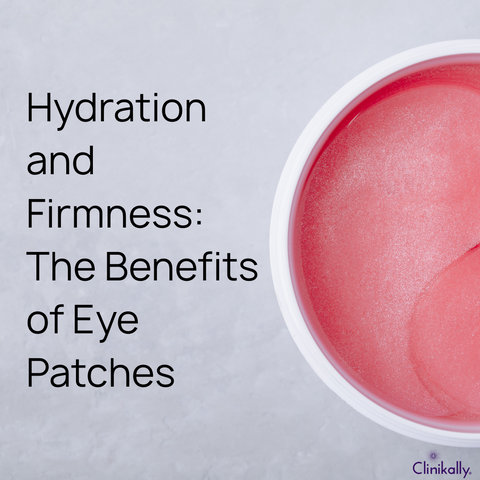
Under-eye patches provide benefits such as increased hydration, firmer skin, and a reduction in the appearance of fine lines, wrinkles and puffiness. They can help depuff the eyes, brighten dark circles, and renew the skin overall, giving it a more rejuvenated and awake appearance. Detailed Benefits:
-
Hydration: Eye patches contain moisturizing substances such as hyaluronic acid, vitamin B5, and glycerin, which assist to draw moisture into the skin, plumping it up and minimizing fine wrinkles.
-
Firmness: Certain patches contain chemicals that can increase collagen formation, resulting in firmer and more elastic skin around the eyes.
-
Depuffing: Many patches have a cooling action that constricts blood vessels, thereby minimizing fluid accumulation and puffiness.
-
Brightening: Caffeine and some vitamins can help to reduce dark circles, making the eye region appear brighter and more even-toned.
-
Skin Smoothing: By moisturizing and firming the skin, eye patches can help to improve the texture and appearance of fine lines and wrinkles.
-
Rejuvenation: Overall, eye patches can assist to renew tired-looking eyes, making them appear more fresh and vivid.
Are Eye Patches Suitable for Daily Use?

Yes, eye patches can be used on a regular basis—as long as they are gentle and appropriate for your skin type.
-
If your patches contain strong actives or you are easily irritated, avoid using them every day.
-
Aim for consistency while also listening to your skin. Some days may call for a rest, while others may require an extra push.
Eye Cream vs. Eye Patches: Comparing the Two
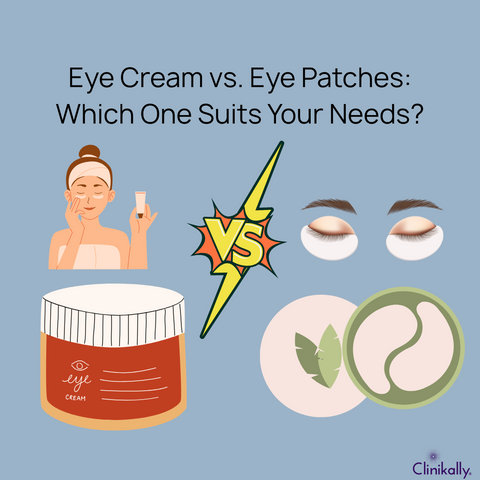
The decision between eye cream and eye patches can be challenging. Eye creams are often thicker than other face moisturizers, allowing them to offer optimum hydration to the sensitive skin surrounding the eyes. They also contain chemicals that help reduce fine lines and wrinkles. Eye patches, on the other hand, are specifically developed to treat dark circles and puffiness beneath the eyes. These patches are typically soaked in essence or serum and can penetrate the skin rapidly using microneedle technology to achieve a more targeted and effective result. Both types of creams have distinct advantages and can help hydrate, reduce wrinkles, and brighten the skin. Ultimately, which is better—eye cream or eye patches—will be determined by your individual skin conditions and desired results.
Yes, you can use eye cream and eye patches in your skincare routine. Both eye cream and eye patches can be used in the morning or evening after cleaning and serum application. If you're mixing eye cream and eye patches, use the eye patches after cleansing, gently rubbing in any excess serum, and then apply eye cream and moisturizer.
When to Use Each Product

You do not have to pick between eye creams and eye patches; both are effective skincare solutions. Use eye cream every day for constant treatment, and eye patches as a boost when your under eyes require more attention. Consider eye cream to be your daily vitamin, and eye patches to be your energy shot—each has its own place in your routine, depending on what your skin requires.
Combining Both for Maximum Benefits

The best way to combine both in a single routine without overwhelming the skin:
-
Begin with clean skin: Gently cleanse your face and undereye region, removing any makeup, oils, or pollutants.
-
Apply eye patches first: To maximize the absorption of concentrated serums, apply eye patches before eye cream. Leave it on for 10 to 20 minutes. Refrigerate them for additional depuffing and a spa-like experience.
-
Gently pat in the leftover serum: After removing the patches, do not wipe off any excess serum. Gently press it into your skin with your ring finger.
-
Seal it in with eye cream: Once the serum has been absorbed, apply eye cream. This phase helps to retain moisture, provide targeted actives such as peptides or retinol, and strengthen the skin barrier.
Expert Tips for an Effective Eye Care Routine

Your eyes may be the windows to your soul, but the skin around them can tell a different narrative. Whether it's puffiness, fine wrinkles, dark circles, or simply exhaustion, the sensitive under-eye area may quickly reveal stress, lack of sleep, and age. The expert-approved methods for creating an effective, hassle-free eye care plan that produces results.
-
Begin with the basics: Always remove makeup and cleanse thoroughly—but gently—before proceeding with any skincare steps. The under-eye area is delicate and prone to harm, so avoid rubbing or using harsh soaps. Use a micellar water or oil-based cleanser to remove makeup without straining.
-
Use a targeted eye cream every day (AM and PM): Your ordinary face moisturizer is not intended for the delicate under-eye area. Eye creams are designed with tiny molecules and targeted active ingredients to penetrate without stinging. Look for hyaluronic acid (deep hydration and plumping), peptides (firming and anti-aging), retinol (low dose) (targets fine lines and wrinkles), vitamin C (brightens and fades dark circles), and caffeine (reduces puffiness and energizes). Use a pea-sized amount, gently tap with your ring finger, and avoid coming too close to the lash line.
-
Use eye patches 2-3 times per week: Eye patches are like mini-spa treatments for tired eyes. They provide a rapid burst of hydration, depuffing, and brightness—ideal for mornings, post-travel, or pre-event preparation. To maximize the advantages, apply eye patches first, followed by eye cream.
-
Never skip sunscreen: Never skip sunscreen, even around your eyes! UV exposure hastens aging and increases pigmentation. To decrease squinting and protect against sun exposure, apply an eye-safe SPF or mineral sunscreen and wear sunglasses. Look for products with broad-spectrum SPF 30+, no smell, and have been tested by an ophthalmologist.
-
Reduce puffiness with cold tools: Cold compresses or jade rollers stored in the refrigerator can help minimize under-eye bags and relieve inflammation. To refresh tired eyes, gently roll or press them for a few minutes. You can also use iced spoons, cooled tea bags (particularly green tea), and gel-filled cooling eye masks.
-
Improve your sleep and reduce stress: No product can completely replace a good night's sleep. Poor sleep causes fluid retention (puffy eyes), decreased circulation (dark circles), and delayed skin regeneration (fine wrinkles). Aim for 7-9 hours of sleep per night and elevate your head slightly to avoid fluid buildup.
-
Keep your food and hydration in check: Excess salt, alcohol, and dehydration can all cause puffiness and dullness under the eyes. Maintain a balanced, antioxidant-rich diet, drink lots of water, and limit processed foods before bedtime. Cucumber, berries, leafy greens, and omega-3-rich meals are all beneficial.
-
Be Consistent: The skin surrounding your eyes reacts slowly to changes. When using substances such as retinol, peptides, or vitamin C, consistency is essential. It may take 4-8 weeks to see visible results.
-
Avoid these typical blunders: Some typical blunders include vigorously rubbing eyes (particularly when removing makeup), overusing actives like retinol, creating irritation, applying too much product (a little goes a long way), forgetting sun protection, and missing eye care when fatigued or in a hurry.
-
Customize to your needs: Not all eyes are the same. Choose items that address your specific concerns, like dark circles, wrinkles, puffiness, and dryness. Don't be hesitant to combine morning and nighttime products to meet varied needs.
Final Thoughts: Personalizing Your Routine

Although the skin under your eyes has a little surface area, it requires special care. The under-eye area is one of the first to exhibit signs of stress, age, and fatigue, with puffiness and dark circles, as well as fine lines and dryness. The key to attaining visible results is not to stack the most costly products, but to develop a personalized routine based on your skin type, concerns, and lifestyle. Personalizing your under-eye skincare routine based on your skin type is key; treat one concern at a time; timing is critical; don't overcomplicate; and listen to your skin.