Skin Biopsy Explained: Procedure Types, Recovery

The procedure of a skin biopsy may seem frightening, but it is a simple and common procedure conducted by dermatologists daily. Simply put, a skin biopsy is merely a means of allowing a physician to confirm a small portion of your skin as to can take a closer look at it. A skin biopsy is the procedure of scraping a small sample of the skin to have it carefully studied under a microscope. This assists doctors in diagnosing a large variety of conditions, such as rashes and chronic infections, through to more severe ones such as skin cancer. It is a painless, safe, and relatively rapid test that gives a clear-cut diagnosis. Various techniques used by your doctor, which include the punch, shave biopsy, depend on the concern. The knowledge on how the procedure works, what the recovery process is like, and how to behave with the skin will help to relieve anxiety and be close to the procedure go better. In this article, we’ll break down the essentials of skin biopsies in clear, practical terms.
Understanding a Skin Biopsy

A skin biopsy is a simple procedure where a small sample of skin is taken for examination. The details about the procedure, care, and what to expect, you’ll find explained below.
What a Skin Biopsy Is and Why It Is Done?

A skin biopsy is a medical test in which a medical professional (dermatologist or physician) obtains a small piece of skin and views it under a microscope. This sample may consist of just the upper layers of the skin (epidermis and dermis) or, in certain cases, may go down to the fat (subcutis).
The processes are typically conducted in local anesthesia, commonly with injections of lidocaine to minimize or even eliminate pain experienced by the patient as the sample is being obtained. The sample is subsequently transferred to a pathology lab where it is examined under the light microscope, immunohistochemistry, or even by molecular diagnosis methods by the dermatopathologists (doctors with a specialty in the pathology of the skin).
Accuracy makes the skin biopsy of value. Dermatological diseases tend to have similarities with each other. Another example is fungal infections, eczema, and psoriasis, which all have red and scaly patches, but their treatment protocols are radically opposite. Likewise, pigmented lesions can appear as ordinary moles, and yet they might be melanoma. A biopsy does not leave guesswork and gives a conclusive diagnosis.
In oncology, biopsies play an important role because they may be life-saving when it comes to distinguishing between benign lesions, pre-cancerous lesions, and malignancy. They also assist with the allocation of the appropriate curative procedure, either through surgery or topical therapy or phototherapy, or systemic medication.
Conditions That May Require a Skin Biopsy
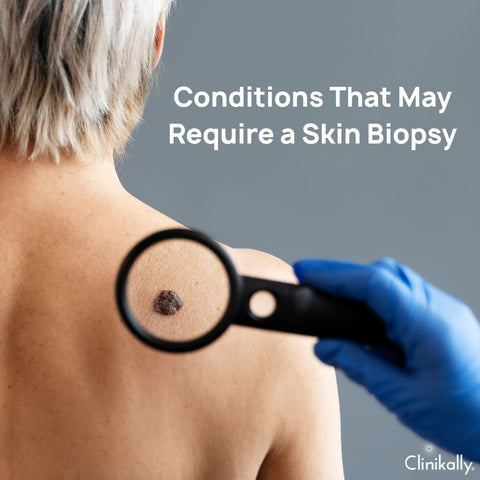
There are dozens of cases in which a skin biopsy becomes essential. Some of the most common include:
-
Inflammatory Skin Diseases: Psoriasis, dermatitis herpetiformis, eczema, lichen planus, and lupus erythematosus may present similar clinical appearances and require biopsies to provide an accurate diagnosis. In bullous (blistering) diseases such as pemphigus vulgaris or bullous pemphigoid, a biopsy of the skin with special stainings aids in the diagnosis.
-
Infectious Diseases: Chronic ulcers, leprosy, or fungus can resemble cancer or autoimmune disease. A biopsy separates infections and other causes.
-
Skin Cancer Detection: Melanoma, basal cell carcinoma, and squamous cell carcinoma should not be diagnosed only by appearance. Biopsy is a gold standard protocol to identify malignancy, determine tumor thickness, and design an approach.
-
Systemic Diseases with Skin Manifestations: Sarcoidosis, amyloidosis, and graft-versus-host disease can show tell-tale signs in skin tissue. In such cases, a skin biopsy doesn’t just diagnose a skin disorder, but also alerts doctors to systemic illness.
-
Neurological Disorders: Peripheral neuropathies sometimes require nerve fiber analysis, which can be done through specialized skin biopsy techniques.
The most accurate diagnostic procedure is, in essence, a biopsy anytime a skin condition is inexplicable, unresponsive to treatment, or suspected of being malignant.
Common Myths About Skin Biopsies

Despite being common, skin biopsies are surrounded by myths that often create unnecessary fear:
-
“Biopsies cause cancer to spread.”
In the rarest of rare malignancies, there may be a theoretical risk of seeding of tumor cells, but in the case of skin biopsies, the risk would be insignificant. In reality, the biopsies are life-saving since they help in the early identification of cancer. -
“It will be extremely painful.”
Most patients experience the prick of the injection when local anesthesia is administered. Removal itself hurts not at all. No pain, moderate after care, and over-the-counter pain relievers will handle post-procedure discomfort in a day. -
“All biopsies leave ugly scars.”
Depending upon the method, the location, and the individual rates of healing, scarring occurs. A pinpoint scar may be left by a small punch biopsy, whereas a larger excisional biopsy leaves a linear scar. When performed properly, with appropriate wound management and the use of scar-reducing creams, the result is minimal and often fades significantly with time. -
“Biopsy results take months.”
In the majority of clinical applications, results will be obtained after 5-10 days. More complicated cases, which include special staining and/or molecular testing, can take longer, but this is unusual.
Addressing common myths surrounding skin biopsies helps ease unnecessary fears and builds patient confidence. Many people worry about pain, scarring, or long recovery times, but in reality, a biopsy is a safe and straightforward procedure. It is performed quickly in an outpatient setting and plays a vital role in providing an accurate diagnosis, which is the foundation for effective and timely treatment.
Types of Skin Biopsy Procedures
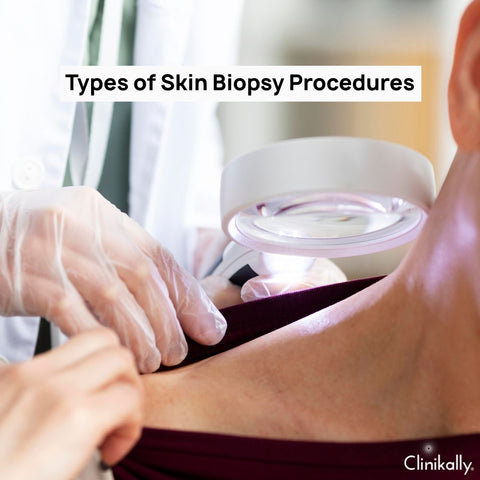
There are several types of skin biopsy procedures, each suited for different diagnostic needs. The details of each type are explained below.
Punch Biopsy and When It Is Used?

In the Skin Biopsy Procedure, the Punch biopsy is one of the best procedures. A punch biopsy is one of the most common methods dermatologists use when they need a deeper look into the skin. It involves a tiny, circular blade, usually 2–6 mm in diameter, that works much like a miniature cookie cutter. The tool gently rotates through the skin layers, removing a small cylindrical core that includes the epidermis, dermis, and sometimes even part of the subcutaneous fat. Because it captures the full depth of skin tissue, this method allows doctors to study the architecture of the skin in detail.
When it is used:
-
To confirm diagnoses of inflammatory skin conditions such as psoriasis, eczema, or dermatitis.
-
When a small skin cancer, like basal cell carcinoma, is suspected.
-
To investigate rashes that affect both the upper and deeper layers of the skin.
Advantages:
-
Provides a complete tissue sample, offering the most accurate diagnostic information.
-
Simple and quick to perform in the clinic.
-
Leaves only a tiny stitch mark, which is often barely noticeable once healed.
Aftercare and Healing:
-
The site may require a single suture to close.
-
Healing usually takes between 7–14 days, depending on the location and size of the biopsy.
-
Scarring is minimal, especially on areas like the trunk and limbs, and fades significantly over time with proper care.
Shave Biopsy for Superficial Skin Concerns
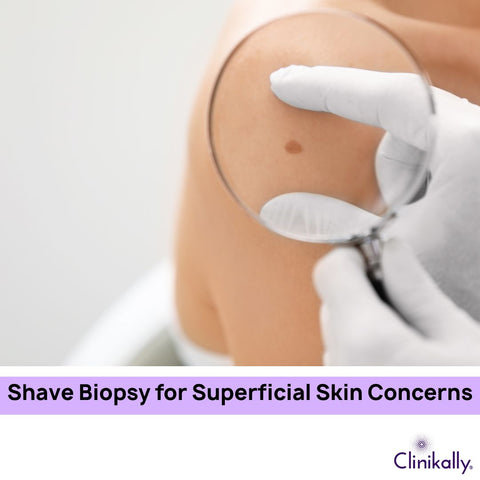
A shave biopsy is the skin biopsy procedure simple and commonly performed procedure in which a dermatologist removes the top layers of skin using a scalpel or a razor-like blade. Unlike deeper biopsy techniques, it only samples the epidermis and the upper part of the dermis, making it ideal for superficial conditions.
When it is used:
-
Shave biopsies are often chosen for raised growths such as warts, seborrheic keratoses (harmless, wart-like growths), and certain superficial skin cancers like basal cell carcinoma.
-
They are also widely used for the cosmetic removal of small, benign growths that patients may want taken off for comfort or appearance.
Advantages:
-
The procedure is very quick, usually taking only a few minutes, and in most cases, stitches are not needed.
-
Healing is faster compared to deeper biopsy techniques, with minimal downtime.
-
The risk of infection or bleeding is quite low, especially when aftercare instructions are followed carefully.
Healing and aftercare:
-
Patients generally recover quickly, with wounds healing in about a week. The area usually leaves behind a faint, flat scar that tends to fade with time.
-
Proper wound care, such as keeping the site clean, moisturized, and protected, ensures smooth healing and reduces the chance of visible scarring.
Excisional Biopsy for Larger or Deeper Lesions

Excisional biopsy is a surgery whereby the entire skin lesion, together with a small portion of adjacent healthy tissue, is excised. This is in contrast to punch or shave biopsies that only scan parts of a sample, with this method enabling the doctor to scan through the whole lesion in finer detail.
When it is used:
-
Suspected melanoma, in which and complete assessment is essential.
-
Massive or atypical tumors that can not be determined with partial sampling.
-
Unclear or mixed lesions where only a small portion may be taken away to leave out important details.
Advantages:
-
Gives the best diagnosis, as the complete lesion may be studied by microscopy.
-
Enables measurement of tumor thickness (Breslow depth), which is critical in the staging of melanoma, as well as designing treatment.
-
Minimizes the chance of an overlooked / incomplete diagnosis, in contrast to partial biopsies.
Healing and Recovery:
-
The procedure is done under local anesthesia through a scalpel. Depending on the depth of the lesion, stitches are usually necessary, occasionally in several layers.
-
The duration of healing is generally 2-3 weeks, and the patient can be instructed to avoid activities that stretch the skin during healing.
-
Although it normally leaves a line-like scar, it can be greatly enhanced with good aftercare.
What to Expect Before and After the Procedure?

Learn what to expect before and after a skin biopsy; detailed steps and tips are explained below.
How to Prepare for a Skin Biopsy?
-
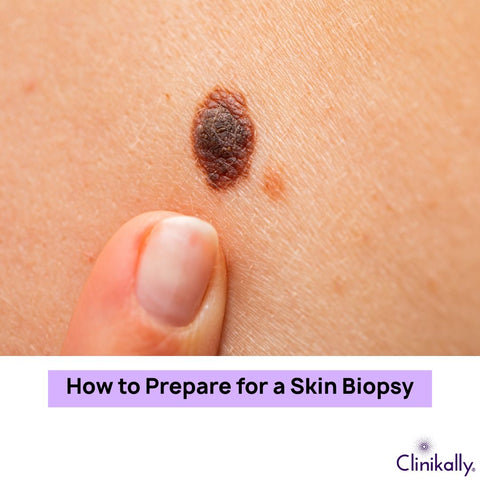
Preparing for a skin biopsy does not require major steps, but a few small measures can make the procedure smoother and safer. The most important aspect is sharing your medical history with your dermatologist. Let them know if you are taking blood-thinning medications, have any allergies, or live with conditions that affect your immune system, as these details may influence how the biopsy is performed and how your skin heals afterward.
-
Before the appointment, cleanse the area thoroughly. Using an antiseptic cleanser, such as those recommended by dermatologists, can lower the risk of infection. If the biopsy site is located on a hairy part of the body, the medical team may trim or shave the area in the clinic to allow easier access.
-
It is also normal to feel anxious about the procedure. Many patients worry about pain or scarring, but having your doctor explain each step in clear, simple terms can help ease these concerns.
-
Unlike more invasive medical procedures, a skin biopsy does not require fasting or hospital admission. It is typically done in an outpatient setting and usually takes between 10 to 30 minutes, after which you can return home the same day.
Recovery Timeline and Aftercare Tips

Recovery time may differ based on the nature of the procedure and the area of the biopsy site in terms of recovery. Although the majority of wounds can recover with a minimal level of scarring, proper aftercare is a prerequisite for successful recovery.
Typical Recovery Times:
-
Punch Biopsy (1–2 weeks): The sharp tool is used to take away a small, circular portion of skin. Depending on whether there are sutures or not, these wounds normally close and heal after one or two weeks.
-
Shave Biopsy (up to 1 week): A top layer of skin is shaved. As this is not generally accompanied by the use of stitches, the recovery is usually much quicker and can be achieved within a week or so.
-
Excisional Biopsy (2–3 weeks): A more extensive or deeper piece of skin is excised, in many cases, needing stitches. Depending on the wound size and the type of skin one has, healing may require two to three weeks.
Aftercare Tips for Optimal Healing:
-
Keep the wound clean and protected (first 24 hours): Gently cleanse the area with mild soap and water, then keep it covered with a sterile bandage to reduce the risk of infection.
-
Moisturize the wound: Apply a thin layer of petroleum jelly or a dermatologist-recommended healing ointment once or twice daily to keep the wound moist, which helps prevent scab formation and promotes faster, smoother healing.
-
Activity precautions: Avoid swimming, heavy workouts, or any strenuous activity that might stretch the skin around the biopsy site until stitches (if present) are removed and your doctor confirms healing.
-
Sun protection: Once the wound has closed, apply sunscreen to the area when exposed to sunlight. This prevents post-inflammatory hyperpigmentation (darkening of the skin) and reduces the risk of noticeable scarring.
-
Monitor for complications: Watch for signs of infection, such as increased redness, swelling, pus, or worsening pain. Contact your doctor if any of these occur.
Most wounds heal with little scarring, especially if aftercare is followed diligently.
Risks, Scarring, and When to See a Doctor?

A skin biopsy, while generally safe, does come with certain risks, albeit infrequently encountered.
Here are some potential complications you should be aware of:
-
Infection: After the procedure, you may notice signs such as redness, swelling, and the presence of pus around the biopsy site. These symptoms can indicate an infection that may require medical attention.
-
Bleeding: Although some bleeding can be normal, it may be more pronounced in individuals who are on anticoagulant medication. If bleeding continues or is more than a light ooze, it’s advisable to consult with a healthcare professional.
-
Allergic Reaction: Some patients may experience allergic reactions to the anesthetics or antiseptics used during the biopsy. Symptoms can include rash, itching, or swelling at the site of application.
-
Scarring: While most scars from a skin biopsy are minor, deeper biopsies can leave more prominent marks. It's important to discuss any concerns about scarring with your doctor before the procedure.
When to Contact Your Doctor?
-
Be vigilant for any of the following signs that warrant a call to your healthcare provider:
-
Persistent bleeding that does not subside after a reasonable amount of time.
-
Symptoms of infection, such as fever, the presence of pus, or an increase in pain at the biopsy site.
-
If the wound appears to be reopening, seek medical advice promptly.
-
Being informed about these risks can help you monitor your recovery effectively.
With proper care and follow-up, complications are uncommon, and scars can be minimized using modern scar gels and scar-reducing products.
Final Thoughts on Skin Biopsy and Skin Health

As a matter of fact, effective therapy options can be achieved with a skin biopsy; thus, it is way more than a diagnostic procedure. It is essential when diagnosing autoimmune diseases to eliminate potentially dangerous diseases, such as skin cancer, or to identify significant skin problems that cannot be identified by the naked eye. Being able to collect a small piece of skin tissue will provide medical practitioners with valuable information that will inform their choice of treatment.
Individualized medicine is taking the shape of an important trend in contemporary dermatology. Advances in technology have altered the way skin biopsy cases are dismembered. They include dystopian uses such as genetic testing to reveal concealed genetic possibilities; immunofluorescence to identify specific proteins and markers; and AI analysis of images to offer a more advanced medical diagnosis than ever. Such technologies are blazing a trail to even more precise diagnoses based on the personal requirements of the patients.
The most important information that the patients should have is that a skin biopsy should not incite any form of panic. The procedure is usually quick, safe, and not that painful. More importantly, it provides a treasure trove of information that is critical in safeguarding the long-term skin condition and well-being. The use of such a diagnostic tool can lead to prompt actions and more effective treatment.