Impact of pH in Your Haircare: A Guide to pH-Balanced Shampoo
When it comes to hair care, we frequently focus on shampoos, conditioners, and treatments, but there is one important component that is often overlooked: the pH level of our scalp. Maintaining the proper pH balance is vital for skin health, and the same is true for your scalp. In this post, we'll delve into the subject of scalp pH and explain why keeping an ideal pH of 4.7 is essential for having a healthy, bright scalp and gorgeous locks.
Understanding pH: Your Scalp’s Hidden Shield
Your scalp is more than simply the foundation for your hair; it's a live, breathing ecosystem that is critical to the health of both your hair and skin. pH is one of the most important factors in safeguarding this sensitive environment.
What Does pH Really Mean in Haircare?
pH stands for "potential of hydrogen" and is a scale that determines whether a substance is acidic or alkaline. The scale spans from 0 (extremely acidic) to 14 (very alkaline), with 7 representing neutral. The optimal pH for skin and scalp is somewhat acidic, often between 4.5 and 5.5. Your scalp's slightly acidic pH creates a protective barrier known as the acid mantle. This invisible screen prevents bacteria and fungi from forming, retains moisture in the skin, keeps hair follicles healthy, and reduces irritation and inflammation. When your scalp's pH is out of balance—too alkaline or too acidic—it can cause difficulties such as dandruff, itching, dryness or oiliness, and hair breakage or thinning.
The Natural pH of Hair and Scalp
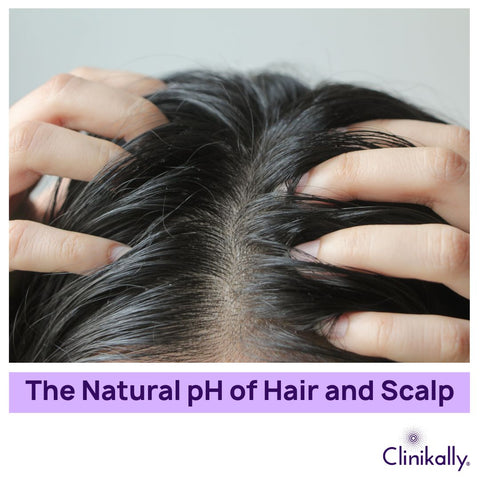
Your hair and scalp may appear simple, but they are intricately balanced systems that rely on pH to work optimally. Understanding their natural pH can help you make better decisions for your hair care routine—and avoid damage that is difficult to repair.
-
Scalp: Scalp pH ranges from 4.5 to 5.5. This somewhat acidic environment provides protection against germs, fungus, and other irritants.
-
Hair Shaft: Hair has a slightly acidic pH, often in the range of 4.5-5.5, which helps keep the cuticle layer smooth and closed.
Why Balance Is Key for Barrier Protection
Your scalp and skin have a built-in protection mechanism called the skin barrier, and keeping it healthy and resilient requires maintaining the proper pH balance. When the pH is at the ideal range, everything runs well. However, if that balance is incorrect, even little, your scalp may become prone to irritation, infection, and long-term damage. The skin barrier (also known as the acid mantle) is a thin, protective layer composed of natural oils, sweat, and helpful bacteria. It protects your scalp from germs and fungi, environmental stresses (pollution, UV radiation), moisture loss, dehydration, inflammation, and sensitivity. This barrier thrives in a slightly acidic environment, usually between pH 4.5 and 5.5.
High pH vs. Low pH Shampoo: What’s the Impact?
Shampoo not only cleans your hair, but it also helps to keep your scalp and hair cuticle healthy. One of the most crucial but frequently ignored aspects of shampoo is its pH level. Choosing the wrong one may result in frizz, breakage, or even scalp inflammation. Understanding pH in Shampoo, including the pH scale ranges from 0 to 14, 7 = neutral, below 7 = acidic, over 7 = alkaline (basic), and healthy scalp and hair thrive in a slightly acidic range (pH 4.5-5.5).
-
High pH shampoos (alkaline - pH > 7): are commonly seen in clarifying shampoos or harsh cleansers. While they can deep clean, they can also elevate the hair cuticle, making strands rougher and more porous; remove natural oils, leaving the scalp dry and irritated; and cause frizz and breakage, particularly in color-treated or curly hair. Disrupting the acid mantle weakens your scalp's natural defenses. Ideal for occasional deep cleaning, but not for daily usage.
-
Low pH Shampoo (Acidic - pH 4.5-5.5): Shampoos in this range are more similar to the natural pH of the hair and scalp. They seal the cuticle, preventing frizz and moisture loss. Minimize damage to treated hair and help it retain its color. Preserve the scalp's acid mantle, which protects against bacteria and irritation. Smoothing the hair surface improves its gloss and suppleness. Ideal for daily or regular use, particularly on fragile, dry, or chemically treated hair.
Why High-Alkaline Shampoos Lead to Frizz
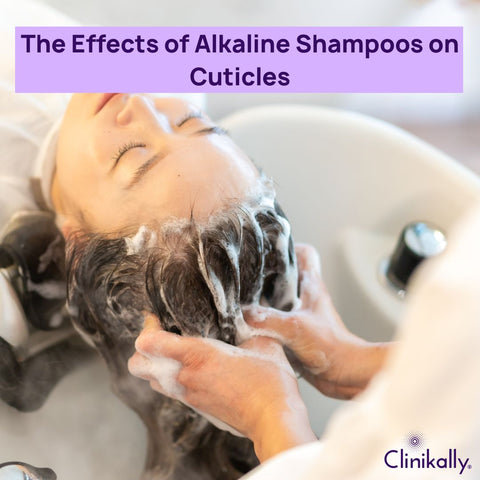
Alkaline shampoos have a pH that is often higher than 7. While they are good in removing debris and oil, their high pH can disrupt your hair's natural acidic balance (4.5–5.5). When subjected to alkaline shampoo:
-
The cuticle layer lifts: Higher pH causes the cuticle to open, revealing the inner layers of the hair shaft. This makes the hair feel rough and appear dull.
-
Moisture escapes: Open cuticles cannot retain hydration. Hair becomes dry and brittle with time.
-
Protein loss increases: The internal structure of the hair weakens, making strands more susceptible to breakage and split ends.
-
Color fades faster: In color-treated hair, raised cuticles allow pigment to escape more easily.
-
Scalp irritation may occur. The alkaline pH can disrupt the scalp's acid mantle, resulting in dryness, itching, and inflammation.
The Logic Behind Low-pH for Shiny Hair
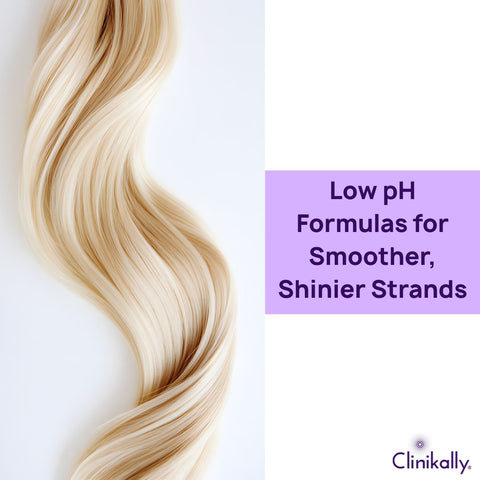
Hair and scalp flourish in a slightly acidic environment (usually pH 4.5 to 5.5). Low pH shampoos and conditioners imitate this natural range by sealing the cuticle, locking in moisture, reducing frizz and flyaways, increasing shine and softness, protecting hair color from fading, and reducing breakage and split ends.
-
Smoother texture: Acidic products help to close the cuticle layer, which is flat when the pH is balanced. This gives the hair a silky texture and makes it easier to detangle and style.
-
Longer-lasting color: Low pH solutions decrease cuticle swelling, which keeps color molecules confined within the hair shaft, extending vibrancy and gloss.
-
Stronger hair fibers: Closed cuticles reduce protein and moisture loss, making strands more resistant to breakage and environmental stresses.
-
Healthier scalp: Balanced acidity supports the scalp's natural flora and barrier, lowering the risk of irritation, dandruff, and inflammation.
How pH Influences Product Buildup and Irritation
Your scalp's pH is somewhat acidic—between 4.5 and 5.5. This acidity contributes to the acid mantle, a protective layer that fights against dangerous microorganisms, regulates oil synthesis, maintains a healthy microbiome, and promotes natural cell turnover. When a product's pH is too high (alkaline) or too low, this balance is disrupted—and problems arise. High-pH goods can:
-
Lift the hair cuticle to make it rough and porous.
-
Leave the scalp vulnerable, causing an overproduction of oil in defense.
-
Disrupt the breakdown and absorption of other products, allowing them to layer on top of the scalp.
-
Make it harder to rinse away the product completely, resulting in buildup over time.
Low pH products (within the healthy range) can help:
-
Smooth and seal the cuticle to minimize residue trapping.
-
Maintain a balanced scalp environment without overproducing sebum.
-
Allow for better product penetration and efficiency, so less product is required.
Finding Your Perfect pH pH-Balanced Shampoo

-
Dry or sensitive scalp: Look for moisturizing, mild solutions with soothing ingredients such as aloe vera, oat extract, or panthenol. Ensure that the shampoo has no sulfates, alcohols, or artificial perfumes. Low pH (4.5-5) reduces dryness and discomfort.
-
Oily or acne-prone scalp: Use a pH-balanced shampoo that contains clarifying but non-stripping ingredients such as zinc PCA, tea tree oil, or charcoal. Avoid shampoos with high pH, as they might cause rebound oil production.
-
Color-treated or chemically processed hair: Look for low-pH solutions (about 4.5) that seal the cuticle and lock in color. Acidic shampoos help to preserve vibrancy and reduce porosity after coloring or relaxing treatments.
-
Curly, Coily, or Textured Hair: Look for pH-balanced shampoos containing hydrating and strengthening components such as shea butter, coconut oil, or silk proteins. Low pH reduces frizz and keeps curls defined.
-
Fine or thinning hair: For fine or thinning hair, use lightweight, pH-balanced shampoos that do not weigh the hair down. Biotin, caffeine, and niacinamide are examples of ingredients that can help with scalp circulation while maintaining pH.
Ideal pH Range for Your Daily Wash
For everyday hair care, use shampoos with a pH between 4.5 and 5.5. This sweet area boosts your scalp's defenses, keeping strands silky, and helps avoid the progressive damage caused by frequent use of stronger products.
7 Warning Signs Your Shampoo is Too Harsh
Warning flags that your shampoo can be too harsh for daily or regular use:
-
Your scalp feels tight, itchy, or dry: After bathing, your scalp should feel revitalized, not stripped. A tight or scratchy sensation usually indicates that your shampoo is upsetting your scalp's natural oils and acid mantle, causing dryness and irritation.
-
Hair feels "squeaky clean": While this may appear to be a good thing, the squeaky texture signals that the shampoo removed too much natural oil. This can leave your cuticles open, making your hair more prone to breakage, frizz, and moisture loss.
-
Increased frizz or static: When the hair cuticle is elevated (usually due to a high pH or strong surfactants), moisture escapes and frizz increases. You may also notice flyaways or static, particularly in dry situations.
-
Dullness or a lack of shine: Healthy hair reflects light. If your strands appear lifeless or matte, this could be due to an open cuticle layer or buildup of harsh substances that coat the hair shaft.
-
Excessive tangling and breakage: Harsh shampoos can weaken the hair shaft over time, particularly at the ends. If you notice more snapping during brushing or detangling, your shampoo may be causing or exacerbating the problem.
-
Color fades too quickly: Color-treated hair is porous and susceptible. Harsh, high-pH shampoos open the cuticle, allowing dye molecules to leave more readily, causing the color to fade faster.
-
You are experiencing more oil than usual: Ironically, excessively harsh shampoos might cause your scalp to overproduce sebum as a defensive strategy, leaving your hair oily shortly after washing.
Key Ingredients That Keep Your Scalp Healthy
The top ingredients to look for are:
-
Aloe vera: Naturally acidic and high in vitamins, aloe vera relieves inflammation, moisturizes the scalp, and aids in pH regulation. Sensitive, itchy, or irritated scalp.
-
Panthenol (Provitamin B5): It is a humectant that draws moisture and enhances scalp barrier performance. It also strengthens the hair from the root. Scalps that are dry, flaky, or feel tight.
-
Niacinamide (Vitamin B3): Strengthens the scalp's lipid barrier, decreases irritation, and aids in oil control. Oily, acne-prone, or hypersensitive scalps.
-
Glycerin: It is a mild, non-irritating humectant that attracts moisture to the scalp and prevents dryness. Daily hydration without accumulation.
-
Chamomile extract: It is naturally relaxing, reducing redness and irritation and can help soothe scalp flare-ups. Sensitive or allergic skin.
-
Tea tree oil (in tiny amounts): Antimicrobial and anti-inflammatory, it combats dandruff and scalp acne while preserving microbial equilibrium. Too much can disturb the barrier; choose for well-formulated mixes.
-
Zinc PCA: It regulates sebum and provides antibacterial qualities without drying out the skin. Oily, flaky, or acne-prone scalps.
-
Ceramides: These lipids are necessary for maintaining the skin's barrier. They seal in moisture and protect against environmental stress. Damaged, overwashed, or chemically treated scalps.
-
Prebiotics and probiotics: It help to nourish good bacteria while also balancing possibly harmful germs in the scalp. Long-lasting scalp health and barrier protection.
The Bottom Line: Why pH-Awareness Matters
The more we learn about pH, the more we realize its ability to elevate haircare from cosmetic to functional. It's important to consider how your hair feels, behaves, and stays healthy throughout time, not just how it looks after styling. pH is more than simply a figure on a label; it is the cornerstone of scalp balance and strong, resilient strands. In the future of haircare, pH knowledge will be the norm rather than the exception.