



- Anxiety & Skin Health
- Anti Anxiety Medications & Skin Problems
- Skin Care Tips while Taking Anti-Anxiety Pills
- Minimising The Impact On Skin
- Seeking Professional Help
- FAQs
Medication to treat anxiety disorder is often prescribed to help alleviate and relieve the symptoms associated with it. The symptoms usually include persistent worry, fear, and panic attacks. While these medications can be a crucial tool in managing anxiety and improving overall well-being of an individual, these pills can also have a vast range of side effects that may impact various areas of the body, including the skin. These side effects can be frustrating and may impact your self-esteem, leading to a negative impact on your mental health. However, it's essential to remember that not everyone will experience these side effects, and some may only experience these effects temporarily. Fortunately, these side effects can be prevented and treated by following certain strategies and steps. We, at Clinikally, will explain in detail about how these medications cause adverse effects on skin and what steps can be taken to minimize and treat it. This will ensure that these anxiety medications positively impact your overall well being without any unwanted side effects. Continue reading to know more!
How Anxiety Medication Can Affect Your Skin
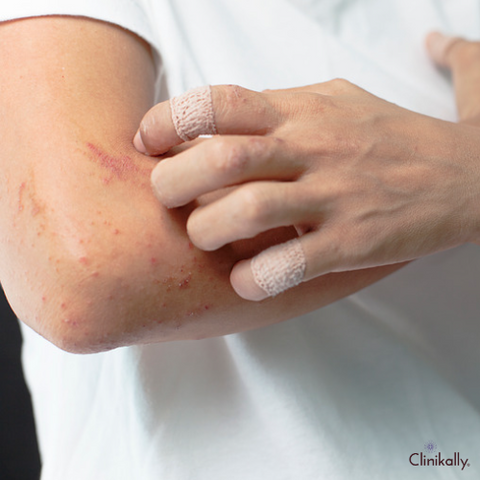
Anxiety is a common mental health condition that affects millions of people worldwide. While there are several effective treatments available to manage anxiety, medication is often the first line of treatment for many patients. However, while anxiety medication can help ease symptoms, it can also have unexpected side effects. The effects depend on the type of drug, dose, and how your body reacts.One such side effect is changes in the skin, which can be both frustrating and alarming for those taking medication. Knowing what changes may occur can help you cope with your skin in a better way while maintaining your mental health.
-
Rashes, hives or various other allergic reactions can happen as side effects in some instances. This is particularly common when beginning a new prescription drug.
-
Certain antidepressants and anti-anxiety medications can result in dryness or flakiness by lowering oil secretion.
-
Some medications can cause excess sweating, which can result in clogged pores and acne.
-
Few drugs affect hormone balance such as SSRIs class of drugs. It can indirectly influence acne or skin texture.
-
Certain drugs induce photosensitivity, increasing the likelihood of sunburn or pigmentation in your skin.
-
Drugs may impair the healing of the skin, particularly in patients with pre-existing sensitive or compromised skin.
-
In rare cases, anxiety drugs can help improve skin conditions such as eczema or psoriasis by decreasing stress-related flare-ups.
Although it's essential to manage anxiety for overall wellness, it's beneficial to observe how your skin reacts to any new medication. Discussing this with both your dermatologist and mental health provider ensures that your treatment plan enhances both your emotional and skin health in balance.
Understanding the Link Between Anxiety and Skin Health
Anxiety and skin health are closely connected. When you're anxious, your body produces stress hormones such as cortisol, which can lead to inflammation and other skin issues in following ways:
-
Overproduction of oil that clogs pores and causes breakouts
-
Inflammation caused by repeated stress that aggravates ailments such as eczema, psoriasis, and rosacea
-
Compromised skin barrier increases sensitivity, dryness, or reactivity of the skin
-
Impaired wound healing delays recovery from acne or other cuts to the skin
-
Anxiety-provoking behaviors such as picking or scratching the skin occur more frequently that causes broken and disrupted skin barrier
-
Decreased circulation to the skin may cause dullness or fatigue of the skin
-
Hormonal imbalance as a result of chronic anxiety can also influence texture and patterns of breakouts
-
In brief, anxiety is not only a mental condition—it appears on your skin as well. Stress and mental well-being management is a crucial factor in keeping your skin clear, healthy, and balanced.
Additionally, anxiety can cause physical symptoms like sweating, which can aggravate existing skin conditions. Anxiety medication aims to address these symptoms, but they can also have an impact on your skin, both positively and negatively.
Common Skin Problems Caused by Anxiety Medication
Anxiety drugs are important in maintaining mental health, but such as most drugs, they have the potential to be accompanied by side effects—some of which appear on the skin. Not all will find this occurring with their skin, but knowledge of what issues they may bring allows them to be effectively tackled.
-
Dryness and dehydration: Several anti-anxiety drugs, especially SSRIs, have the effect of reducing oil output, resulting in dry or flaky skin.
-
Acne eruptions: Hormonal changes or excessive sweating caused by medication can block pores and lead to acne.
-
Rashes or hives: Certain medications can cause allergic skin reactions in some people, particularly when beginning or changing dosage.
-
Photosensitivity: Drugs such as benzodiazepines can make the skin more sensitive to sunlight, leading to faster sunburn or pigmentation.
-
Excessive sweating (hyperhidrosis): This can result in skin irritation, body acne, or fungal infections in humid areas.
-
Discoloration or pigmentation alterations: These are uncommon, but some medications can lead to irregular skin color or hyperpigmentation.
-
Impaired wound healing: Some drugs can interfere with the skin's normal healing mechanism, delaying healing of acne or slight injuries.
While these side effects are annoying, they can usually be managed through proper skin care and coordination with your doctor. Changing your skin care regimen or dosage or switching medications with medical guidance can bring your mental well-being and your skin well-being back into sync.
Managing Skin Problems Caused by Anxiety Medication

Anxiety drugs can be a game-changer, providing stability and serenity to those struggling with mental health issues. Yet, on occasion, they can also include unforeseen side effects—one of the most frequent being alterations to the skin. From acne and dryness to rashes or heightened sensitivity, these skin-related problems can affect both self-confidence and overall happiness. Knowing how medication and healthy skin are connected is the first step toward effective management. It's essential to deal with these skin issues and manage then because:
-
Enhances quality of life: Untreated skin conditions may contribute to discomfort, low self-esteem, and even social isolation—aggravating mental health problems.
-
Avoids worsening skin disease: Early intervention can avoid simple irritations turning into long-term skin ailments such as eczema or dermatitis.
-
Supports medication adherence: When side effects become distressing, patients will discontinue taking their anxiety medication. Control of skin issues ensures consistency of mental health care.
-
Encourages overall skin well-being: Adapting your skincare practice to your body's new reactions preserves barrier function and avoids imbalance.
-
Improves doctor-patient communication: Monitoring skin reactions and sharing them with your healthcare professional aids in establishing the correct dosage or other drugs.
To control skin issues that result from anxiety meds, it's all about embracing a soothing, non-irritating skin regimen and staying away from harsh actives. Employ barrier-repairing moisturizers, hydrating serums, and non-comedogenic products. Drink plenty of water, minimize sun exposure, and apply sunscreen at all times. Above all, talk openly with your doctor—whether it means changing your dosage, changing meds, or seeing a dermatologist for personalized skin help, symbiotic care results in the best results for both mind and skin.
Tips for Caring for Your Skin While Taking Anxiety Medication
Anxiety medication can greatly enhance mental well-being, but it can also lead to skin-related side effects like dryness, acne, or rashes. Skincare can prevent these problems and ensure healthy skin despite the benefits of the medication. Here are useful tips on how to take care of your skin while on anxiety medication.
-
Keep your skin clean by washing twice a day with a mild cleanser like Omniklar Ultra Gentle Foaming & Exfoliating Cleanser to remove dirt, oil, and bacteria without stripping natural oils. Steer clear of harsh scrubs or abrasive products that will irritate the skin.
-
Moisturize daily with a fragrance-free, non-comedogenic moisturizer like Clinikally HydraSoothe Moisturiser to fight dryness and keep your skin's natural barrier intact.
-
Shield your skin from sun damage by using a broad-spectrum sunscreen with SPF 30 or higher and protective clothing when outside. Clinikally SunProtect Sunscreen SPF 50/PA+++ is an excellent choice.
-
Stay hydrated by drinking a lot of water during the day to maintain overall skin hydration and health.
-
Watch your skin for changes, like new rashes, itching, or breakouts, and call your healthcare provider if these are persistent or worsening.
-
Apply non-comedogenic skincare products to prevent clogging pores, particularly if you have acne caused by medication.
-
Avoid picking at your skin or popping pimples to avoid scarring and infection.
-
Eat a balanced diet with plenty of fruits, vegetables, and healthy fats to supply your skin with the necessary nutrients.
-
Add stress-reducing activities such as yoga, meditation, or deep breathing exercises to reduce stress-related skin flare-ups.
-
Consult your healthcare provider about any ongoing skin problems; they can change your medication or recommend other treatments.
By following these guidelines, you can successfully regulate the possible side effects of anxiety medication on your skin. Regular skincare routine in addition to good lifestyle habits will enable you to have clear and healthy skin even as you pursue further towards better mental health.
Minimizing the Impact of Anxiety Medication on Your Skin
Anxiety drugs are necessary for treating mental health disorders, but they may at times have side effects on the skin in the form of dryness, acne, or heightened sensitivity to the sun. Reducing these effects is not only necessary for healthy skin but also for overall well-being and self-confidence. Taking preventive measures against these side effects enables one to remain dedicated to their treatment regimen without undue discomfort or self-consciousness.
The importance of reducing the Side Effects of Anxiety Drugs on Skin are:
-
Increases Comfort: Controlling side effects such as dryness or irritation avoids discomfort and itching.
-
Increases Confidence: Healthy and transparent skin may increase self-esteem and decrease extra stress due to apparent skin problems.
-
Facilitates Long-Term Treatment: Satisfying early skin issues makes patients continue to follow their medications without the desire to stop taking them because of side effects.
-
Prevents Severe Reactions: Preventive care lowers the potential for serious skin conditions, e.g., rash or damage brought about by increased photosensitivity.
The severity of Anti Anxiety Medications on Skin can be minimised by following the below mentioned principles:
-
Hydrate and Moisturize: Keep yourself well hydrated every day by drinking water in abundance and a mild, scented-free moisturizer to maintain moisture brought by medications.
-
DAILY Sunscreen Use: Make it a practice to use daily a broad-spectrum sunscreen having SPF 30 or higher, especially if utilizing medications such as tricyclic antidepressants.
-
Select Skincare Products Carefully: Select non-comedogenic and hypoallergenic products that will not clog pores or irritate sensitive skin.
-
Avoid Harsh Ingredients: Avoid using skincare products that have alcohol, sulfates, or heavy fragrances, as they can make dryness or irritation worse.
-
Follow a Gentle Skincare Routine: Use gentle cleansers and do not over-exfoliate, which will strip the protective barrier of the skin.
-
Watch for Skin Changes: Check frequently for new breakouts, redness, or rashes and call a healthcare provider if these appear.
-
Live a Healthy Lifestyle: Follow a balanced diet full of vitamins and antioxidants to promote healthy skin and inflammation reduction.
-
Avoid Sun Exposure: Dress in protective clothing, hats, and sunglasses when in the sun to also protect your skin from UV damage.
-
Consult a Dermatologist: If side effects continue or intensify, consult a professional for personalized skincare advice or other treatments.
By learning about the need to reduce the effect of anxiety medication on your skin and taking proactive measures, you can preserve both your mental and physical health. A balanced strategy allows you to enjoy the benefits of your medication while keeping your skin healthy and glowing.
When to Seek Help for Skin Problems Caused by Anxiety Medication
Skin issues brought about by anxiety drugs can go from mild redness to extreme reactions. Although some side effects may go away by themselves, others need the intervention of a doctor to avoid worsening conditions or complications. Knowing how to seek assistance is paramount for the sake of skin and overall health.
-
If you have persistent or severe skin problems like rashes, hives, or itching that don't get better with over-the-counter remedies, see a healthcare provider.
-
Sudden or rapidly increasing symptoms, including swelling, blistering, or peeling skin, can be a sign of a severe allergic reaction and need immediate medical care.
-
Skin problems such as eczema, psoriasis, or rosacea that become drastically worse after initiation of anxiety medications need to be brought up with a dermatologist to modify treatment regimens.
-
Greater sensitivity to the sun with frequent sunburns or damage to the skin despite precautions need to be brought to your medication's attention.
-
If skin issues affect daily activities, such as causing visible harm, infections, or emotional concerns, it is important to see a professional quickly.
-
Discoloration or acne eruptions following the initiation of a new medication should be brought to your physician's attention for possible dose adjustments or switching prescriptions.
In summary, though anxiety drugs are essential for managing mental health, they at times affect skin health. Progress in dermatology and psychopharmacology now provides more personalized solutions to counteract these side effects. From customized skincare regimens to other drugs and treatments such as psychodermatology, individuals now have access to holistic solutions. By remaining proactive and seeking the advice of healthcare professionals when necessary, one can balance mental health with healthy skin effectively.