The Surprising Link Between Dehydration and Oily Skin in Summer
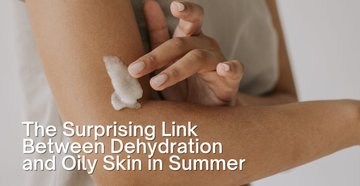
When the summer heat hits, many people feel that oily skin is only caused by heavy sweating or high temperatures. However, one of the most unexpected causes of oily skin during the warmer months is dehydration. While it may sound counterintuitive, dehydrated skin frequently produces more oil, resulting in an oily complexion that is dry and unpleasant. In this blog, we'll look at the surprising link between dehydration and oily skin in the summer.
Why Does Your Skin Become Oilier When Dehydrated?
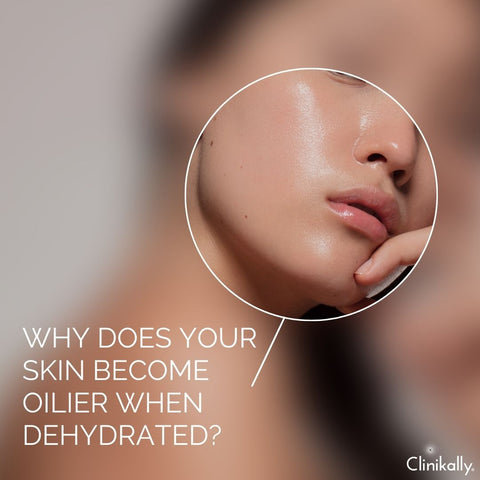
It may seem contradictory, but dry skin frequently produces more oil. This might result in an oily, glossy complexion, even though your skin is dry. This happens. Dehydration drives oil production in your skin, such as the skin's defense mechanism; dehydration impairs the skin's natural barrier; inclination to over-cleanse; lack of sufficient hydration promotes oil production. Hot and humid temperatures exacerbate dehydration and the function of hormones and stress.
The Science Behind Dehydration and Sebum Overproduction
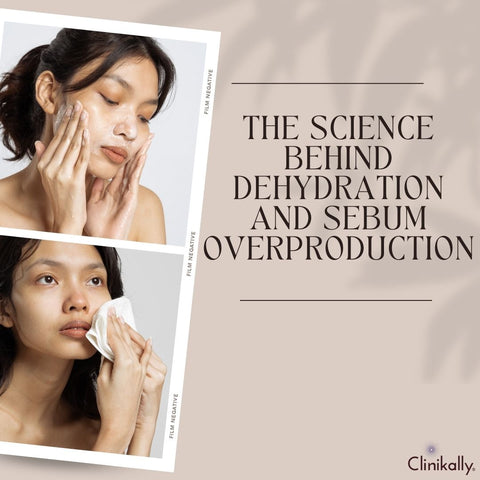
The link between dehydration and excessive sebum production can be described as the skin's attempt to self-regulate. When it loses moisture, it produces additional oil to protect itself from future water loss. While sebum is protective, excessive amounts can result in a greasy look, plugged pores, and skin irritation. To manage the cycle of dehydration and oiliness, hydration and oil control must be balanced.
-
Drink plenty of water throughout the day to keep your body hydrated from within.
-
Use lightweight, hydrating moisturizers to replenish moisture without adding too much oil.
-
Avoid using harsh, stripping cleansers, as they can exacerbate dehydration.
-
Exfoliate gently to remove dead skin cells, which can combine with excess sebum to clog pores.
By addressing dehydration at its source and providing your skin with the proper hydration and oil control, you can help restore balance, reduce excess oil, and improve overall skin health.
How Summer Heat Strips Away Essential Moisture
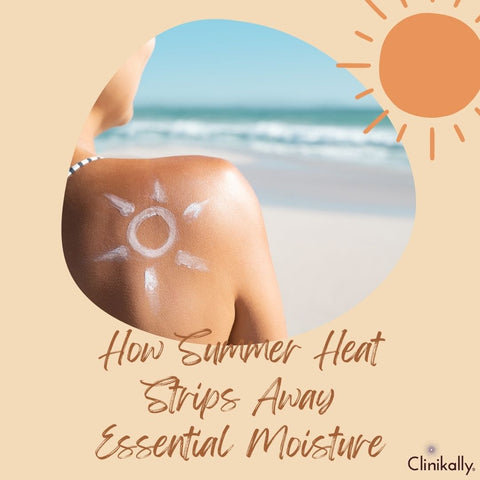
Summer heat may feel nice, but it can be harmful to your skin. Increased TEWL, UV exposure, perspiration, and air conditioning-induced dryness all contribute to the loss of vital moisture. To keep your skin healthy and hydrated during the summer, you must hydrate both internally and externally, prevent it from sun damage, and utilize products that help seal in moisture and repair your skin's natural barrier.
Common Skincare Mistakes That Worsen Oiliness
The most common skincare mistakes that aggravate oiliness, and how to avoid them are:
-
Over-cleansing your skin: While it may appear to be a good idea to wash your face several times a day to remove excess oil, doing so might cause your skin to create more oil. Harsh cleansers and frequent washing deplete the skin's natural oils, causing it to overcompensate by creating even more sebum.
-
Using harsh, alcohol-based products: Many people with oily skin prefer astringents or toners that have a high concentration of alcohol to "dry out" oil. While these products may appear to provide a matte look at first, they might irritate and dry out the skin with time.
-
Skipping moisturizer: Many people with oily skin believe that they do not need to use moisturizer. However, missing moisturizer might cause an imbalance, leaving your skin dry and devoid of moisture.
-
Over-exfoliating: Exfoliation is necessary for eliminating dead skin cells and unclogging pores, but excessive exfoliation (using abrasive scrubs or harsh chemical exfoliants) can cause irritation and disturb the skin's natural protective barrier.
-
Using the incorrect acne remedies: If you have oily skin and acne, it can be tempting to use unnecessarily severe acne treatments to combat breakouts. However, some treatments, such as powerful benzoyl peroxide or sulfur-based solutions, can be overly harsh.
-
Using heavy or comedogenic products: Creams, oils, and cosmetics can block pores, resulting in oily skin and outbreaks. Comedogenic products (those that can clog pores) can aggravate oily skin because they trap oil, debris, and bacteria inside the pores.
Balancing Hydration Without Making Skin Greasy
Finding the correct balance between keeping your skin moisturized and keeping it from turning oily can be difficult, especially if you have oily or mixed skin. However, with the appropriate strategy, you can keep your skin hydrated and healthy without feeling oily. To achieve that balance, choose the right moisturizer, incorporate hydrating ingredients, don't skip sunscreen, use a hydrating toner, gently exfoliate, hydrate from the inside out, don't over-cleanse, use a face mask for extra hydration, adjust for your skin type, and apply products in the proper order.
Choosing the Right Hydrating Ingredients for Oily Skin
The best hydrating ingredients for oily skin are:
-
Hyaluronic acid (HA): It is one of the most effective substances for oily skin since it delivers significant hydration without leaving the skin greasy. HA works by absorbing moisture from the environment and binding it to the skin, giving it a plump, hydrated appearance. It's a humectant, which means it helps your skin absorb moisture from the air without adding oil.
-
Glycerin: It acts as a humectant, allowing the skin to absorb and retain moisture from the surrounding air. It is extremely soothing, non-greasy, and can help balance oily skin by keeping it nourished without creating excessive oil.
-
Aloe Vera: It's naturally calming and moisturizing, making it ideal for oily skin. It's a mild moisturizer that won't clog pores or feel oily. Aloe also possesses anti-inflammatory characteristics that can soothe and rejuvenate the skin, especially if it is red or irritated.
-
Niacinamide (Vitamin B3): It is an excellent component for oily skin. It effectively reduces excess oil production while also hydrating the skin. It also helps to tighten pores, reduce redness, and improve skin texture, making it ideal for those who suffer from oily skin and acne.
-
Squalane: It is a light, non-comedogenic oil obtained from plants or olives. Despite being an oil, it is extremely lightweight and absorbs swiftly into the skin, delivering moisture without a greasy feel. It also regulates oil production and maintains skin moisture levels.
-
Witch hazel (Alcohol-Free): It is a natural astringent that helps constrict pores and minimize excessive oil production. However, it is critical to use alcohol-free witch hazel, as alcohol can be drying and irritating. Witch hazel moisturizes and controls oil, making it ideal for oily or acne-prone skin.
-
Centella asiatica (Cica): It is also known as Cica, a soothing and calming plant extract with moisturizing characteristics that are not oily. It is especially useful for sensitive or acne-prone oily skin since it reduces inflammation, increases moisture, and promotes skin repair.
-
Tea tree oil: It is well known for its antibacterial properties, which make it great for oily, acne-prone skin. It regulates oil production, calms irritation, and fights acne-causing bacteria. To avoid irritation, apply sparingly and dilute with a carrier substance.
-
Jojoba oil: Although oil may seem paradoxical for oily skin, jojoba oil is a non-comedogenic oil that is quite similar to the skin's natural sebum. It can help regulate oil production and keep skin hydrated without blocking pores or producing excessive shine.
-
Zinc: It is a mineral that can help regulate oil production and minimize inflammation. It is commonly used in acne treatments because of its ability to reduce oiliness and soothe inflamed skin.
The Role of Lightweight Moisturizers in Summer Skincare
Lightweight moisturizers play an important role in your summer skincare routine because they:
-
Provides vital hydration without adding weight: Your skin may create more oil as a result of the heat and humidity, but that doesn't mean it doesn't require moisture. Lightweight moisturizers deliver hydration to your skin without feeling heavy or clogging the pores. These moisturizers are usually made with water- or gel-based textures that swiftly absorb into the skin and leave a breathable, non-greasy finish.
-
Balances oil production: Heat, humidity, and sun exposure can all contribute to increased sebum (oil) production. Lightweight moisturizers frequently contain oil-free or non-comedogenic substances that hydrate the skin while limiting oil production. This keeps your skin nourished but not too greasy.
-
Perfect for layering with sunscreen: Sunscreen is essential in the summer, but it might feel thick or heavy when applied over a rich moisturizer. A lightweight moisturizer absorbs rapidly and forms a smooth basis for sunscreen, allowing it to be applied evenly and effortlessly.
-
Soothing and refreshing sunburned skin: Even with sunscreen, prolonged sun exposure can cause dehydration and discomfort. Many lightweight moisturizers have soothing ingredients like aloe vera, cucumber extract, or vitamin E, which assist in calming and restoring skin after sun exposure.
-
Supports the skin's natural barrier: A well-hydrated skin barrier is critical for keeping healthy skin, especially during the summer when external elements like heat, humidity, and pollution can weaken it. Lightweight moisturizers frequently contain ceramides, hyaluronic acid, and glycerin, which replace and enhance the skin's moisture barrier.
-
Combination or acne-prone skin: If you have combination or acne-prone skin, lightweight moisturizers are very useful. They hydrate dry regions like the cheekbones without clogging pores or adding too much oil to the T-zone.
-
Versatile: Lightweight moisturizers are adaptable enough to be used in both the morning and evening rituals, but heavy creams may feel too heavy for the day. In the evening, they can hydrate you without feeling heavy or sticky, allowing you to sleep comfortably all night.
-
Keeps skin fresh and dewy: Lightweight moisturizers frequently give the skin a natural, dewy glow, making it appear fresh and beautiful without feeling sticky or greasy. They boost the skin's natural luminosity, especially when accompanied by the correct treatment regimen, including exfoliation or brightening serums.
Hydrating From Within: The Importance of Water Intake
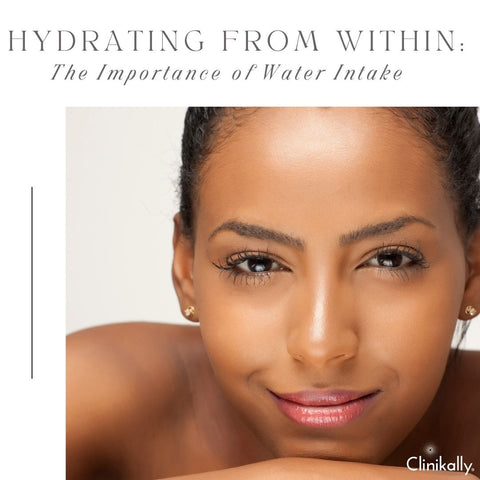
While topical skincare products such as moisturizers, serums, and sunscreens are necessary for healthy skin, hydration from the inside is equally important for keeping a radiant, balanced complexion. Adequate water consumption is the cornerstone of good hydration, and it's one of the simplest yet powerful strategies to promote the health of your skin. Keeping your body—and your complexion—hydrated helps maintain skin's elasticity, supports skin's moisture barrier, reduces dryness and flakiness, promotes clearer skin, boosts circulation and skin health, reduces puffiness and swelling, balances oil production, enhances skin healing, prevents premature aging, and improves overall skin texture.
Practical Skincare Tips for Managing Oily Skin in Hot Weather
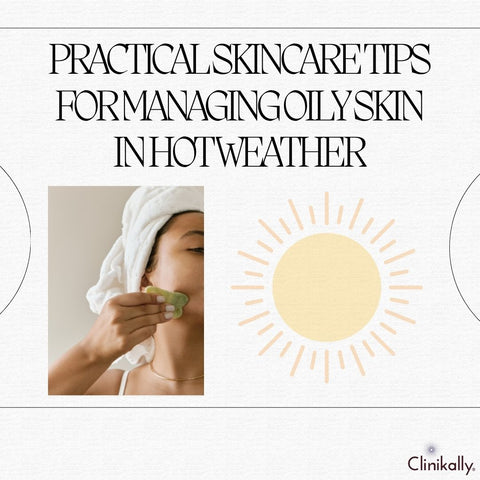
Some practical tips to help you combat excess oil and shine during the hot summer months:
-
Gentle foaming cleanser: It's tempting to wash your face a lot in hot weather to remove extra oil, but doing so too often might deplete your skin's natural oils and increase oil production. Instead, use a mild foamy or gel cleanser designed for oily skin to wash your face twice a day, once in the morning and once before bed.
-
Use a toner to balance skin’s pH: To balance the pH of your skin, use a toner that aids in reestablishing the skin's natural equilibrium after cleansing. For toners that tighten pores and reduce oil production without irritating the skin, choose ones that contain witch hazel, salicylic acid, or niacinamide.
-
Choose oil-free: Even oily skin requires moisture, particularly in warmer weather when sweat and sun exposure can cause dehydration. Look for an oil-free, non-comedogenic moisturizer that will hydrate your skin without clogging pores or increasing shine.
-
Incorporate a mattifying primer: Before applying foundation, if you wear makeup, think about using a mattifying primer. Primers made for oily skin can help you manage shine, minimize the visibility of pores, and extend the wear of your makeup.
-
Keep blotting papers handy: Throughout the day, use blotting sheets to remove excess oil and sweat from your face without affecting your makeup. Gently press the blotting paper against your skin to absorb the oil without irritating or removing your makeup.
-
Use a lightweight: Sun protection is critical, but if you have oily skin, heavier sunscreens can feel greasy and clog pores. Choose an oil-free, matte-finish sunscreen that has a broad-spectrum SPF of 30 or higher. Sunscreens with a gel or water basis are ideal for oily skin.
-
Exfoliate regularly: Dead skin cells that could retain oil and result in outbreaks can be eliminated by exfoliation. Excessive exfoliation, however, can irritate the skin and increase oil production, so use caution. To keep your pores clear and your skin smooth, exfoliate 1-2 times per week with a mild scrub or a chemical exfoliator such as salicylic acid.
-
Avoid touching your face: Touching your face can exacerbate oiliness and cause breakouts by transferring bacteria, oil, and grime from your hands to your skin. Avoid touching your face as much as possible, and wash your hands before touching your face or using skincare products.
-
Maintain a healthy diet: What you eat can affect your skin, and a diet high in processed foods, sweets, and dairy can increase oil production. To help manage oily skin, include more fruits, veggies, and healthy fats in your diet.
-
Drink plenty of water: Hydration is essential for maintaining oily skin equilibrium. When your skin is dry, it may create excessive oil to compensate. Drinking enough water keeps your skin moisturized, inhibits extra oil production, and removes pollutants that might trigger breakouts.
-
Avoid harsh ingredients: While it may be tempting to use harsh treatments that remove oil from your skin, over-drying might have the opposite effect. When your skin becomes too dry, it may respond by creating extra oil. Avoid products containing high quantities of alcohol, powerful astringents, or harsh exfoliants.
-
Use oil-free cosmetics: If you wear makeup, make sure it is oil-free and non-comedogenic. Look for items developed for oily or acne prone skin. Choose powder or matte makeup to avoid extra oil.
The Best Summer-Friendly Products for Oil Control
As summer approaches, dealing with oily skin becomes a top issue. Heat and humidity can trigger an overproduction of sebum, leaving your skin greasy and prone to breakouts. Fortunately, there are a variety of methods available to remove excess oil without drying or irritating the skin. Summer-friendly oil-control products include oil-free gel cleansers, mattifying primers, oil-free moisturizers, oil-control toners, oil-free sunscreen, blotting papers, oil-control face masks, salicylic acid spot treatments, matte foundation formulas, and exfoliating treatments.
Exfoliation and Cleansing: Striking the Right Balance
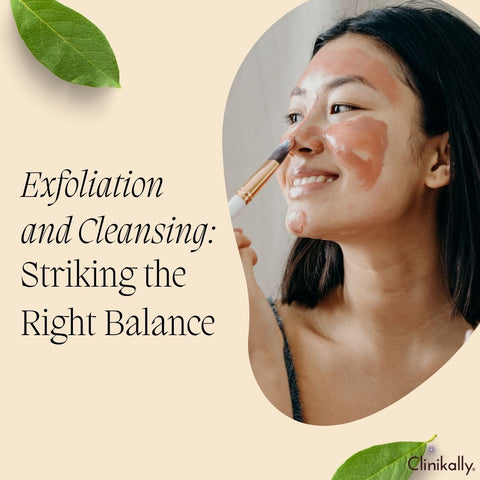
A skincare regimen that balances exfoliation and cleansing is the best option. To keep your skin clear and attractive, exfoliate it frequently and cleanse it to get rid of contaminants. Don't go overboard; gentle, ongoing care is always better than harsh over-exfoliation.
Why Sunscreen is a Must for Oily Skin
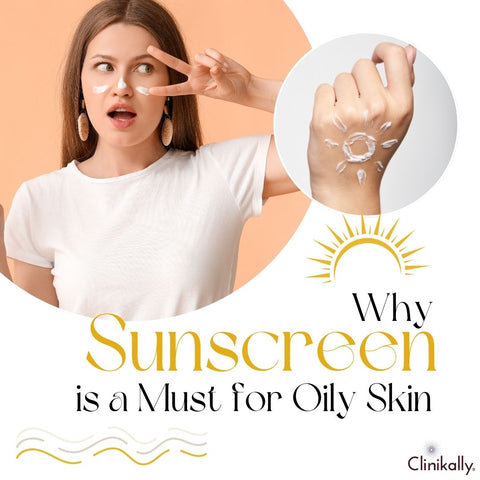
Sunscreen is essential for everyone, not only those with dry or sensitive skin, even those with oily skin. Protecting your skin against UV rays helps prevent pigmentation, acne scars, and early aging while also preserving a healthy skin barrier. To get the most out of your sun protection without blocking pores or adding extra shine, use a sunscreen made for oily skin, especially one that is lightweight, mattifying, and oil-free.
Final Thoughts: How to Keep Skin Hydrated and Shine-Free This Summer
With the right skincare regimen, you can keep your skin moisturized and shine-free throughout the summer. Choose lightweight, oil-free products that moisturize and protect without producing an excessive shine. Remember that balancing moisture and oil control is critical—don't skip moisturizer or sunscreen, and choose products that meet your skin's specific demands.