Thriving Skin at High Altitudes: Conquering the Mountain Glow
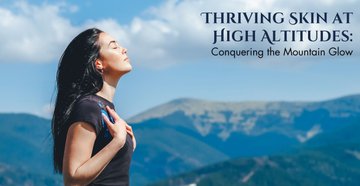
High elevations may be both energizing and stressful for your skin. The thinner air, decreased humidity, and higher UV exposure can cause dryness, irritation, and accelerated aging. However, with the correct skincare regimen, you can obtain a healthy and bright "mountain glow". In this blog, we'll look at how to care for your skin at high altitudes.
Understanding the Challenges: Mountain Weather and Your Skin
Mountain weather can be both invigorating and challenging for your skin. The higher altitude and extreme environmental conditions—such as fluctuating temperatures, dry air, intense UV exposure, and wind—can all contribute to skin issues. Understanding these challenges is the first step to protecting your skin and maintaining its health, especially if you plan to spend time in the mountains.
Dry Mountain Air: Battling Dehydration and Sensitivity
Dry mountain air is one of the most difficult environmental variables for your skin, particularly at high elevations. Reduced humidity levels, combined with increased UV light and wind exposure, can quickly remove moisture from your skin, leaving it dry, tight, and sensitive. Understanding how to deal with these challenges is critical for maintaining healthy, hydrated skin while on-mountain activities.
Increased Sun Exposure: The Importance of Sun Protection
To protect your skin from the damaging effects of UV radiation at high altitudes, follow a comprehensive sun protection practice. Here's why it's vital and how to adequately protect your skin:
-
Protecting the skin barrier: UV rays undermine the skin's natural barrier, leaving it more susceptible to irritation, dehydration, and illness. Using sun protection helps to maintain this barrier, keeping your skin healthy and resilient.
-
Preventing long-term damage: UV rays accumulate damage over time, resulting in irreversible skin aging, pigmentation, and an increased risk of skin cancer. Consistent sun protection mitigates the long-term effects of sun exposure, keeping your skin youthful and safe.
-
Reducing sunburn and discomfort: Wearing sunscreen and protective clothing will help you avoid unpleasant sunburns, which can ruin your mountain trip and take days to recuperate.
Conquering the Peaks: A Mountain-Ready Skincare Routine
A mountain-ready skincare routine focuses on preparation, protection, and recuperation. By using the correct products, staying hydrated, and protecting your skin from the elements, you may enjoy the peaks without fear of skin damage. Whether you're hiking, skiing, or just exploring, your skin can remain healthy, radiant, and resilient.
Hydration Heroes: Keeping Your Skin Moisturized
Moisturizing your skin is vital for keeping it healthy, glowing, and resilient. Hydration heroes are chemicals and products that help to retain moisture, nourish the skin, and protect its natural barrier. Whether you're dealing with the dryness of high altitudes, harsh weather conditions, or just daily skin stresses, it's critical to integrate efficient hydrating components into your skincare routine. Here's a look at the best hydration heroes and how to incorporate them into your routine:
-
Hyaluronic acid: It is a naturally occurring material in the skin that binds to water and may hold up to 1,000 times its weight in moisture. It is well-known for its profound skin hydration and plumping properties. HA provides immediate moisture and helps draw it into the skin for long-term hydration. It plumps the skin and decreases the appearance of fine lines and wrinkles, giving it a youthful, radiant appearance.
-
Glycerin: It is a humectant, meaning it draws moisture from the environment into the skin and helps retain it. It’s a lightweight yet effective hydrating ingredient. It helps attract and retain water on the skin’s surface, keeping it hydrated throughout the day. Glycerin helps improve the smoothness and softness of the skin, reducing rough patches and flakiness.
-
Ceramides: Ceramides are lipid molecules naturally found in the skin. They form the protective barrier that locks in moisture and shields the skin from environmental aggressors. Ceramides help restore and maintain the skin’s natural moisture barrier, preventing water loss and irritation. Perfect for dry or sensitive skin, ceramides calm irritation and reduce dryness.
-
Aloe vera: Aloe vera is known for its soothing and hydrating properties. Its gel-like consistency contains vitamins, enzymes, and antioxidants that help moisturize the skin while reducing inflammation. Ideal for sunburns, irritations, or inflamed skin, aloe vera calms the skin while providing deep moisture. It’s ideal for oily or acne-prone skin as it hydrates without being greasy.
-
Squalane: It is a plant-based, stable oil that closely mimics the skin's natural oils. It retains moisture quite well despite being lightweight. Without feeling greasy or heavy, squalane helps to retain and deeply hydrate moisture. By strengthening the skin's protective layer, it lessens the likelihood of dryness and irritation.
-
Jojoba oil: It is a naturally occurring oil that closely mimics sebum produced by the skin. It is a great moisturizer for all skin types because it is high in fatty acids and vitamin E. Jojoba oil is appropriate for both dry and oily skin types because it hydrates and helps control the skin's oil production. By nourishing the skin, it lessens the visibility of fine lines and adds a healthy glow to your complexion.
-
Honey: It attracts moisture to the skin because it is a natural humectant. Because of its healing and hydrating properties, it has been used in skincare products for ages. The skin is left feeling smooth and silky as honey absorbs moisture from the air and retains it. Additionally, it has inherent antimicrobial qualities, which makes it ideal for skin that is prone to acne.
-
Avocado oil: It is rich in vitamins (A, D, and E), fatty acids, and antioxidants, making it an excellent choice for deep hydration and nourishment. It penetrates deep into the skin, providing intense moisture for dry or aging skin. Avocado oil nourishes and repairs the skin barrier, leaving your skin soft and plump.
-
Vitamin E: It is a fat-soluble antioxidant that protects and repairs the skin. It is well-known for its ability to repair damaged skin and restore hydration. Vitamin E promotes the healing of scars, burns, and other skin irritations. It hydrates and prevents moisture loss, which improves skin texture over time.
Gentle Exfoliation: Maintaining a Healthy Glow
Gentle exfoliation is essential for maintaining a healthy, beautiful complexion. While exfoliating helps remove dead skin cells and promotes cell turnover, it should be done with caution to avoid discomfort or harm. Whether you have dry spots, dullness, or clogged pores, exfoliation can make your skin look smoother, brighter, and more vibrant. Exfoliating your skin on a regular basis (but not excessively) can help:
-
Remove dead skin cells: Exfoliation accelerates the natural shed of skin cells, allowing fresh cells to emerge.
-
Promote cell turnover: Healthy skin renews itself every 28-30 days, but exfoliation can help speed up this natural process.
-
Improve skin texture: Regular exfoliation smoothes the skin's surface, reducing the appearance of fine lines, bumps, and rough spots.
-
Increase product absorption: Exfoliation eliminates the top layer of dead skin cells, allowing skincare products (such as serums and moisturizers) to enter deeper and perform better.
Sun Protection Essentials: Shielding Your Skin from UV Rays
Sun protection is a critical component of maintaining healthy, youthful skin and preventing long-term skin injury. UV radiation, whether emitted by the sun or artificial sources like tanning booths, can result in a variety of skin issues, such as premature aging, pigmentation, and an elevated risk of developing skin cancer. In addition to safeguarding your skin, a well-maintained UV protection regimen also preserves its overall health and radiance.
Two major types of UV rays affect the skin:
-
UVA Rays (Aging Rays): Deeper penetration into the skin can cause accelerated aging, wrinkles, and loss of suppleness. It can damage DNA over time, increasing the likelihood of developing skin cancer. Present all year, even on foggy days or indoors (via windows).
-
UVB Rays (Burning Rays): Sunburns are the primary cause of skin cancer development. Have a shorter wavelength, which affects the skin's surface layers. Summer storms are more intense, but they can cause damage all year.
Both UVA and UVB rays can cause skin damage, so it is critical to protect against both.
Beyond the Basics: Tailoring Your Mountain Skincare
Tailoring your skincare routine for high-altitude conditions requires going beyond the basics to address the unique challenges posed by mountain environments. The combination of dry air, increased UV exposure, and cold temperatures demands a skincare approach that is hydrating, protective, and restorative. Here’s how to customize your skincare for thriving skin in the mountains such as amplifying hydration, reinforcing your skin barrier, boosting sun protection, tailoring to cold-weather challenges, revitalizing overnight, adjusting to your skin type, embracing multi-purpose products, staying hydrated from within, prepare for Emergencies and post-mountain recovery.
Soothing Solutions for Irritated Skin
Irritated skin can be caused by a variety of factors, including environmental stressors, allergies, skincare ingredients, or underlying conditions. Soothing irritated skin requires gentle care and the use of calming, nourishing products. Here’s a guide to effective soothing solutions to help your skin recover and regain its balance, such as identifying the cause of irritation and gentle cleansing: Start with the basics: hydrate and repair the skin barrier, soothe with calming ingredients, opt for minimalist skincare, temperature matters, protect with sunscreen, avoid common irritants, let your skin heal while you sleep, diy remedies for quick relief, stay hydrated and nourished, and know when to seek help.
Essential Lip Care for Harsh Conditions
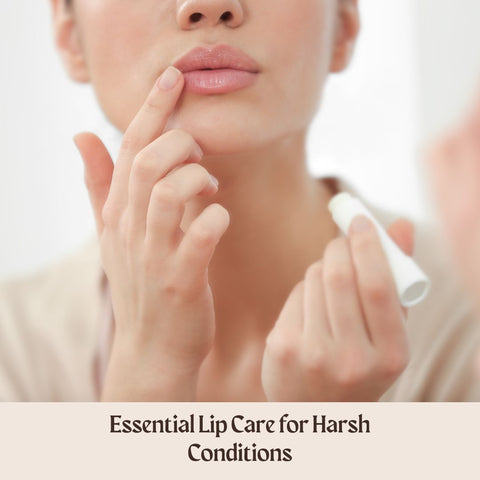
One of the most delicate areas of your skin is your lips, especially when exposed to harsh environments like freezing temperatures, dry environments, or extended sun exposure. Lips are more prone to dryness, cracking, and pain since they don't have oil glands. This comprehensive guide will help you maintain the suppleness, nourishment, and protection of your lips in even the most adverse circumstances:
-
Hydration is key: Dehydration is a leading cause of dry, chapped lips. To stay hydrated, drink plenty of water and use a humidifier.
-
Protect your lips from the elements: Extreme weather can dry out your lips, so protect them from the cold, sun, and wind.
-
Avoid common lip irritants: Some products and activities, such as scents and flavors, lip licking, and matte lipsticks, can exacerbate dryness and irritation.
-
Exfoliate gently: Regular exfoliation removes dead skin and improves the penetration of lip treatments like lip scrubs, DIY scrubs, and frequency.
-
Nourish and repair: To heal and hydrate, use lip care products with nourishing and reparative ingredients like emollients, humectants, and healing ingredients.
-
Apply lip balm regularly: Lip balm is applied frequently to ensure continuous hydration and protection, such as in the morning, during the day, and at night.
-
Combat extreme dryness or damage: For severely chapped or cracked lips, try Medical-Grade Ointments, Honey, and Aloe Vera.
-
Tailor lip care to specific conditions: In cold, dry conditions, apply thick balms with occlusives like petrolatum or lanolin to seal in moisture. To counteract free radical damage in hot, sunny weather, apply lightweight balms with high SPF and antioxidants like vitamin E. In windy situations, apply wax-based balms to protect yourself from windburn.
-
Boost your lip care with DIY remedies: Cucumber slices, coconut oil masks, and green tea compress are all homemade treatments that can improve your lip care routine.
-
Healthy habits for long-term lip health: A well-balanced diet contains omega-3 fatty acids, vitamins A, C, and E, as well as zinc, which promotes skin and lip health. Avoid smoking, which can cause dryness and discolouration. Use lip-safe, hypoallergenic cosmetics to avoid allergic reactions or irritation.
Adapting Your Routine for Winter Sports

Skiing, snowboarding, and ice climbing are examples of winter sports that expose the skin to extremes of cold, wind, dry air, and UV radiation. Your skin will stay protected, hydrated, and in ideal condition if you adjust your skincare routine to fit these activities. This is a comprehensive guide to winter sports skincare, with a focus on hydration, the use of a barrier cream or balm, broad-spectrum sunscreen, lip care, avoiding excessive exfoliation, tailoring your day and nighttime routine, protecting against windburn, protecting your eyes, managing post-activity recovery, caring for your hands and feet, wearing skincare-compatible gear, and handling emergencies.
Your Ultimate Guide to Mountain-Perfect Skin
Creating and maintaining healthy, glowing skin while enjoying the mountains needs careful attention. High elevations and harsh weather subject your skin to unique obstacles such as frigid temperatures, severe sun exposure, and dry air.