Thyroid Disease and Hair Loss: Understanding the Connection and Treatment Options
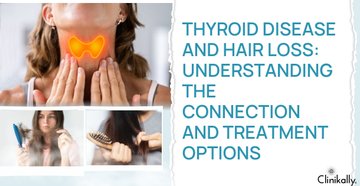
Thyroid disease, whether hypothyroidism (underactive thyroid) or hyperthyroidism (overactive thyroid), can have a substantial impact on hair health and frequently causes hair loss. This blog explains the link between thyroid dysfunction and hair loss, as well as treatment alternatives.
The Link Between Thyroid Disease and Hair Loss
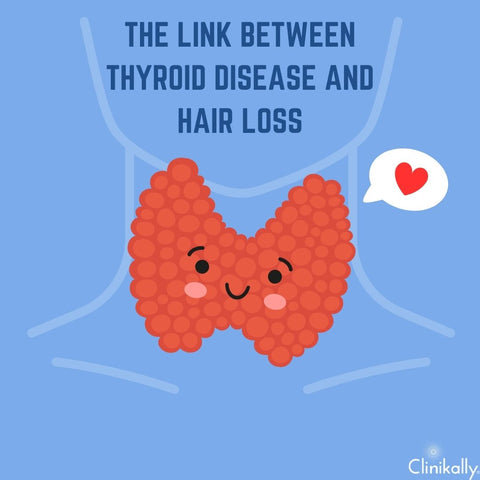
Understanding the relationship between thyroid dysfunction and hair loss is important for early detection and efficient treatment. Individuals can typically reduce hair loss and encourage better hair growth by treating thyroid hormone abnormalities and improving general health. Regular monitoring and communication with healthcare specialists are essential for managing thyroid disease and its related symptoms, which include hair loss.
How Thyroid Imbalance Affects Hair Health
Thyroid imbalance, whether hypothyroidism (underactive thyroid) or hyperthyroidism (overactive thyroid), can have a substantial impact on hair health.
-
Hypothyroidism and Hair Health include reduced metabolism, telogen effluvium, changes in hair texture, diffuse hair loss, and delayed hair regrowth.
-
Hyperthyroidism and Hair Health include Excess Thyroid Hormones, Hair Thinning, and Alopecia Areata.
Symptoms of Thyroid-Related Hair Loss
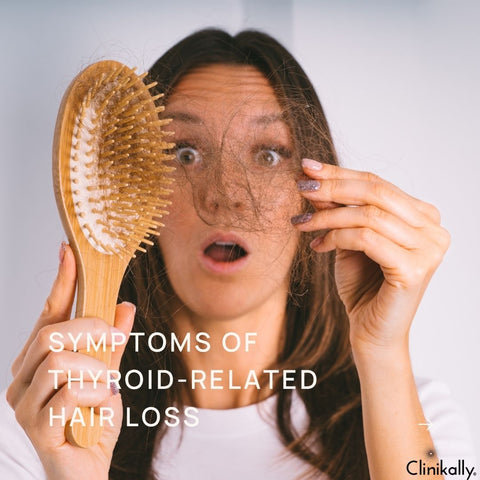
Thyroid-related hair loss can present with a variety of symptoms, depending on whether the thyroid illness is hypothyroidism (underactive thyroid) or hyperthyroidism (overactive thyroid). Here are the main symptoms connected with thyroid-related hair loss.
Hypothyroidism (Underactive Thyroid):
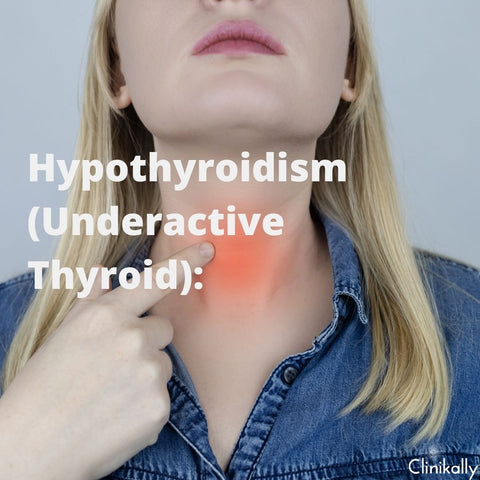
-
Hair loss in hypothyroidism is typically characterized by diffuse thinning over the scalp. As a result, hair becomes sparse and may take longer to regrow than it does shed.
-
Reduced thyroid hormone synthesis can cause changes in hair texture, such as dryness, brittleness, and increased breaking.
-
The hair development cycle may slow down in people with hypothyroidism, resulting in slower hair growth and problems restoring lost volume.
-
Some people with hypothyroidism may experience dryness, itching, or scalp disorders such as dandruff, which can lead to hair loss.
-
Hair loss due to hypothyroidism may not be limited to the scalp and can also affect eyebrows and body hair.
-
Other hypothyroidism symptoms include fatigue, weight gain, cold intolerance, constipation, and dry skin.
Hyperthyroidism (Overactive Thyroid):
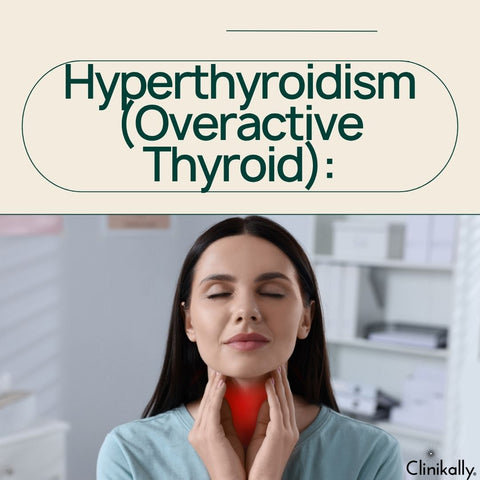
-
In hyperthyroidism, hair loss can appear as thinning hair that becomes finer and more fragile. Hair strands can break easily.
-
Hair shedding can be more severe in people with hyperthyroidism, resulting in significant hair loss in the shower, on pillows, or while brushing.
-
Hyperthyroidism can speed up the hair growth cycle, causing hair to grow faster but also increasing the probability that hair will thin and weaken with time.
-
Some people with hyperthyroidism may develop autoimmune disorders such as alopecia areata, which causes patchy hair loss owing to immune system attacks on hair follicles.
-
Symptoms of hyperthyroidism include weight loss, increased appetite, heat sensitivity, rapid heartbeat, perspiration, and anxiety.
Diagnosing Thyroid Disease
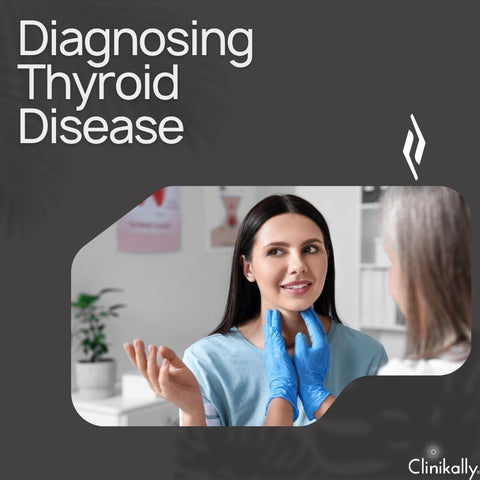
Thyroid disease is diagnosed using a multifaceted approach that includes symptom assessment, thyroid function testing, and, in certain cases, imaging scans or biopsies. Early detection and careful management are critical for effectively treating thyroid issues and minimizing potential repercussions, including those affecting hair health and overall well-being. If you suspect thyroid-related symptoms or have any concerns, see a doctor for an evaluation and relevant diagnostic tests.
Treatment Options for Hair Loss Due to Thyroid Disease
Hair loss caused by thyroid disease, whether hypothyroidism (underactive thyroid) or hyperthyroidism (overactive thyroid), can be worrisome but is usually curable with proper treatment. Here are some of the most prevalent treatments for thyroid-related hair loss:
1. Treatment of Underlying Thyroid Disorder: Treatment for hypothyroidism often includes synthetic thyroid hormone replacement therapy, such as levothyroxine. This drug helps to normalize thyroid hormone levels, which can decrease or stop hair loss and stimulate regrowth. Treatment for hyperthyroidism may involve antithyroid medicines (such as methimazole or propylthiouracil) that inhibit thyroid hormone production. Radioactive iodine treatment or thyroid surgery may also be considered in some circumstances.
2. Nutritional Supplements: Biotin, often known as vitamin B7, is commonly used to promote hair health and growth. It is often present in foods such as eggs, nuts, and whole grains, and supplements may be recommended if there is a deficiency. Ensuring a proper diet of minerals such as iron, zinc, and selenium is critical for healthy hair. Supplements may be administered if blood tests show inadequacies.
3. Topical Treatments: Minoxidil (Rogaine) is an FDA-approved topical therapy for hair loss that stimulates hair follicles and promotes hair growth. It is available over the counter in a variety of strengths (usually 2% or 5%).
4. Hair Care Practices: Use delicate hair care products and avoid using excessive heat or harsh chemicals, which can further damage sensitive hair. Regularly cutting split ends can help prevent further damage and create healthier-looking hair. A gentle scalp massage can increase circulation to the hair follicles and promote healthy hair development.
5. Lifestyle Changes: Consuming a balanced diet high in fruits, vegetables, lean proteins, and whole grains promotes general hair health. Stress can cause hair loss, therefore exercising stress-relieving practices such as yoga, meditation, or exercise may help.
6. Consultation with Healthcare Providers: If hair loss persists despite thyroid treatment, or if the underlying cause is unknown, a consultation with a dermatologist or endocrinologist may be required for further examination and treatment.
7. Patience and Monitoring: Hair regrowth can take several months, even after thyroid hormone levels have been stabilized. Patience and continuous treatment are essential for observing gains in hair density and quality.
Medical Treatments and Medications

Effective hair loss treatment frequently necessitates a personalized approach based on the underlying cause and individual circumstances. Medical treatments and drugs are intended to encourage hair regrowth, prevent future hair loss, and address any underlying disorders or causes. To acquire the best possible results, consult with a healthcare professional, dermatologist, or hair disorder specialist.
Natural Remedies and Lifestyle Changes

Natural therapies and lifestyle modifications can help manage hair loss and promote new hair growth. However, results may vary, so it's crucial to be consistent and consult with healthcare specialists for personalized advice and treatment options based on your individual needs and problems. Integrating these natural remedies with medicinal treatments can improve overall hair health and help manage hair loss more effectively.
The Role of Diet in Managing Thyroid Health
Diet has a significant impact on thyroid health, particularly in conditions like hypothyroidism and hyperthyroidism. Here's how diet influences thyroid function and how nutrition can help regulate thyroid health:
Hypothyroidism (Underactive Thyroid):
-
Iodine Intake: Iodine is necessary for thyroid hormone synthesis. While iodine deficiency can cause hypothyroidism in some areas, excessive iodine intake can impair thyroid function in people predisposed to autoimmune thyroid illnesses such as Hashimoto's thyroiditis. Consume iodine-rich foods in moderation, such as iodized salt, seafood (including fish and seaweed), dairy products, and eggs.
-
Selenium: Selenium is essential for thyroid hormone metabolism and the activity of the enzyme that converts T4 (thyroxine) to the active T3 (triiodothyronine). Consume selenium-rich foods such as Brazil nuts, seafood (e.g., prawns and tuna), eggs, and lean meats.
-
Balanced Diet: A well-balanced diet rich in fruits, vegetables, whole grains, lean proteins, and healthy fats promotes general health and can aid with weight management, which is especially important with hypothyroidism. Maintain an appropriate diet of nutrients such as vitamins (particularly B vitamins and vitamin D), minerals (iron and zinc), and antioxidants.
-
Goitrogens: Goitrogens are chemicals that can disrupt thyroid function by blocking iodine uptake or thyroid hormone synthesis. Cooking cruciferous vegetables (such as broccoli, cabbage, and Brussels sprouts) helps to minimize their goitrogenic effects. Most persons with hypothyroidism can safely consume these veggies in moderation.
Hyperthyroidism (Overactive Thyroid):
-
Iodine Restriction: Excessive iodine intake could exacerbate hyperthyroidism by increasing thyroid hormone production. Avoid iodine-rich foods and supplements, such as iodized salt, seaweed, shellfish, and dairy products, unless directed differently by a healthcare provider.
-
Calcium and Vitamin D: Hyperthyroidism increases the risk of bone loss (osteoporosis). Adequate calcium and vitamin D intake promotes bone health. Include calcium (dairy products, fortified plant-based milks, leafy greens) and vitamin D (fatty fish, fortified meals, sunlight exposure) in your diet.
-
Small, Frequent Meals: Hyperthyroidism may boost metabolism, resulting in weight loss and increased appetite. Eating small, regular meals throughout the day will help you stay energized and get enough nutrients. Consume nutrient-dense snacks such as nuts, seeds, yoghurt, and fruits in between meals.
By incorporating these dietary guidelines into your daily routine, you can promote thyroid health and potentially alleviate symptoms associated with thyroid problems. Regular monitoring and modifications, directed by healthcare specialists, are required to effectively manage thyroid health throughout time.
Haircare Tips for Managing Thyroid-Related Hair Loss
Managing thyroid-related hair loss necessitates a comprehensive approach that includes gentle hair care, a healthy diet, stress management, and frequent thyroid function testing. By following these hair care suggestions and making lifestyle changes, you can promote hair health and potentially reduce the impact of thyroid-related hair loss on your overall well-being. If you have specific concerns or need personalized counsel, you should see a dermatologist or healthcare practitioner who specializes in hair issues.
Best Practices for Hair Maintenance
Maintaining healthy hair entails developing good habits and behaviors that promote overall hair health, avoid damage, and stimulate growth. Here are some best practices for hair care:
1. Regular Washing and Conditioning: Washing and conditioning your hair regularly will help to keep it clean and your scalp healthy. The frequency with which you wash your hair is determined by both your hair type and lifestyle. Use a moderate, sulfate-free shampoo appropriate for your hair type and scalp condition. To keep your hair nourished and silky, apply conditioner from the middle to the ends. If your hair is oily, avoid applying conditioner directly to the scalp.
2. Proper Hair Drying Techniques: After washing your hair, gently pat it dry with a soft towel to remove extra moisture. Avoid forceful rubbing, as this might create friction and fracture. Whenever possible, let your hair air dry naturally. To avoid heat damage, use a low heat setting using a blow dryer that moves continuously.
3. Avoid Over-Styling and Heat Damage: To avoid over-styling and heat damage, use heat-styling products (e.g., flat irons, curling irons) sparingly. If you must use them, use a heat protectant spray beforehand. Tight ponytails, braids, and buns are examples of hairstyles that can cause hair breakage and traction alopecia. Avoid them.
4. Trimming and Maintenance: Get a haircut every 6-8 weeks to remove split ends and keep them from traveling up the hair shaft and causing more damage. To avoid dryness and breakage, keep your hair's ends moisturized.
5. Scalp Care: Massage your scalp with your fingertips regularly to improve blood circulation and hair development. Use a moderate scalp exfoliant on occasion to eliminate buildup and promote scalp health.
6. Nutritious Diet: To promote hair growth and overall health, consume a well-balanced diet high in vitamins (A, C, D, E), minerals (iron, zinc, selenium), and proteins. Drink enough of water every day to keep your body and scalp hydrated.
7. Protect Your Hair: When spending extended periods outside, wear a cap or use UV-protective hair products. To avoid damage from chlorine pools or seawater, wet your hair with clean water and apply a preventive conditioner.
8. Manage Stress: Use stress-reduction practices like yoga, meditation, or regular exercise to help manage stress, which can affect hair health.
9. Choose hair products. Wisely: Use high-quality hair care products appropriate for your hair type and problems. Avoid products with strong chemicals or allergens that may irritate the scalp.
10. Consultation and Monitoring: If you have specific questions about hair loss, scalp issues, or hair care practices, speak with a dermatologist or hair care professional for personalized advice and treatment options.
Choosing the Right Hair Products
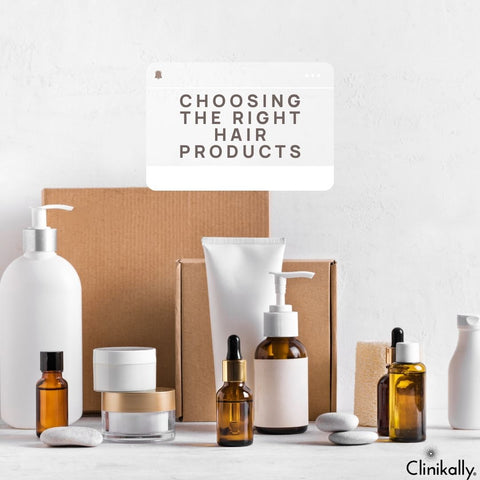
Understanding your hair type, identifying specific issues, selecting appropriate ingredients, and taking reviews and professional advice into account all play a role in picking the best hair products. By choosing products that match your hair's needs and preferences, you can confidently maintain healthy, beautiful hair and achieve your desired look.
Supporting Hair Growth with Proper Nutrition
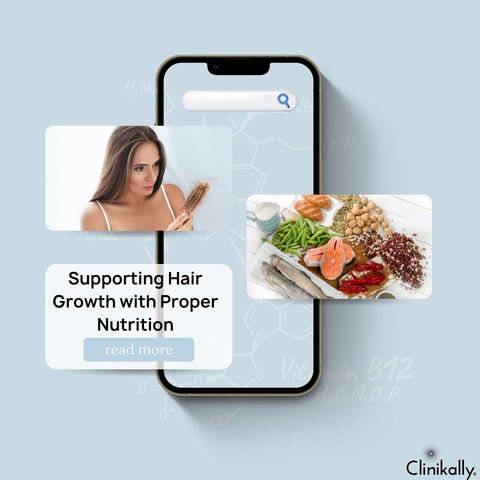
A well-balanced diet is essential for promoting hair growth and preserving healthy hair follicles. Including these important vitamins, minerals, proteins, and omega-3 fatty acids in your daily diet can help encourage stronger, shinier, and more resilient hair. Consistent nutritional intake, together with proper hydration and overall wellness behaviors, is important for achieving and maintaining optimal hair health.
Final Thoughts on Coping with Thyroid-Related Hair Loss
Coping with thyroid-related hair loss can be difficult, but with the appropriate strategy, you can maintain and even improve your hair health. Understanding the cause, patience and realistic expectations, healthy hair care practices, nutritious diet, stress management, consultation and monitoring, support network, professional help, self-care, and a positive outlook are some concluding thoughts and ideas to help you get through this trip. By using these measures and taking a proactive approach to controlling thyroid-related hair loss, you can promote hair regrowth and preserve overall hair health. As you embark on this path, be patient with yourself and your body, and don't be afraid to seek professional help for personalized treatment.