Understanding Haircare Labels: A Complete Guide to Healthy Hair
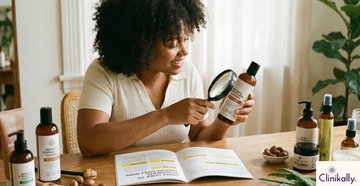
Reading hair care ingredient labels can be daunting, particularly with the current trend towards clean beauty, sulfate-free shampoo, or ingredient-based hair care regimens. With every single brand promising to stimulate hair growth, slow down or stop excessive hair fall, add shine to your locks, or mend damaged strands, identifying which ones actually deliver is crucial to maintaining healthy locks. This easy guide by Clinikally to understanding hair care ingredient labels will equip you to see beyond the current buzz surrounding clean beauty, sulfate-free shampoo, or ingredient-based hair care, allowing you to seek only those tried-and-tested, science-based components which provide actual benefits to your tresses with every single use.
Understanding Haircare Labels
Hair care product label reading is more than just marketing speak - it is, in fact, the path to making intelligent, result-driven hair care product choices for a healthy scalp and hair. In today’s clean beauty age, popular trends include ‘sulfate-free hair care’ ‘paraben-free hair care’ and ‘all-natural hair care’ options, but it is not all hair care ingredients on product labels that work effectively. This handbook is meant to assist you in making sense of your hair care product labels by looking towards scientifically proven, result-driven hair care ingredients known to be effective for faster hair growth, hair fall reduction naturally, repairing damaged hair and dry hair moisturizing.
The Science Behind Common Haircare Ingredients
Both keratin and proteins are necessary ingredients in hair strengthening preparations meant for mending damaged hair and minimizing breakage. The reason why keratin proteins and their derivatives are effective for this purpose is because hair is made up of keratin proteins, and hence, their derivatives such as hydrolyzed keratin protein, silk protein, and wheat protein act in hair by complementing damaged segments of the hair strands to make them elastic and supple.
Protein-enhanced shampoo, conditioner, and hair masks can be very beneficial for the hair by promoting the hair structure from within. Protein-based products, used in the right manner, can prevent split ends, make the hair thicker, and add more manageability to the hair without causing any buildup. A well-balanced formulation of proteins blended with moisturizing elements can be very effective in adding strength to the hair, promoting hair growth, and controlling hair fall.
Myths About “Natural” and “Chemical-Free” Products
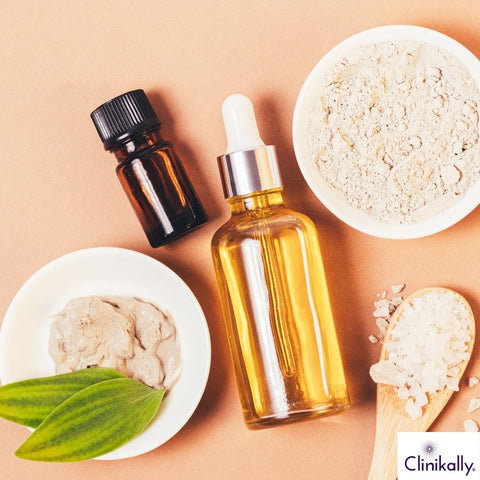
There is a steadily increasing demand for natural hair products, the concept of “clean beauty,” and a “chemical-free shampoo” due to the rising need for healthier and safe products for the treatment of hair and the scalp. However, the various myths mentioned are based more on marketing than scientific facts. The following are the most popular myths explained in detail.
-
Myth 1: "Chemical-free" hair care products are available
Reality: All hair care products are made of chemicals, such as water and plant compounds. The chemical-free label is a marketing gimmick and not based on scientific fact.
-
Myth 2: Natural hair care products are all safer.
Reality: Natural ingredients can also trigger scalp irritation or an allergic reaction. The safety of hair care does not rely on its origin.
-
Myth 3: Organic products promise faster hair growth
Reality: Hair growth is determined by factors such as genetic makeup, dietary habits, hormonal levels in the body, and scalp conditions, but not by whether a shampoo or oil used for hair care happens to be “organic.”
-
Myth 4: Sulfate-free shampoos are best for all of us.
Reality: There is validity to the argument that sulfates are gentler on hair and skin. However, sulfates remain useful in making shampoo as they have been proven to clean oily
-
Myth 5: Natural beauty products do not need preservatives
Reality: Preservatives have been proven to be necessary in every hair care product for preventing molds and bacteria that cause adverse effects to the scalp.
Being aware of the facts about natural and chemical-free hair care can assist you in making the right decisions based on science rather than popular trends and misconceptions. Rather than stressing the importance of the words ‘non-toxic’ and ‘clean beauty’ or ‘organic’, learn the importance of transparency and products that will benefit your hair or scalp that meets your requirements.
Warning Signs to Look for When Reading Haircare Labels
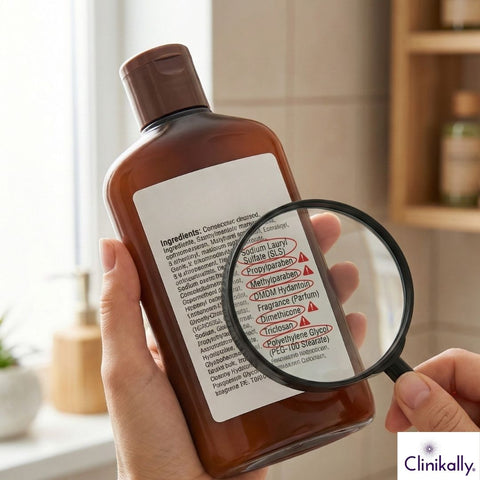
With all the buzz about clean beauty, natural hair care products, and non-toxic products, interpreting hair care labels is more crucial than ever before. Misleading labels can confuse you, and familiarizing yourself with labels to avoid is essential to help you steer clear of products that could damage your hair or scalp. Here are six essential warning labels to take note of:
-
“Fragrance” or “Parfum” not disclosing: Such a non-specific product listing may conceal many ingredients, some of which are chemicals, which could irritate the scalp and cause allergic reactions.
-
Overuse of harsh sulfates (SLS/SLES): These are very aggressive agents when it comes to cleaning. They tend to remove the natural oils in your hair, resulting in dried out and frizzy locks. This also causes the color to fade.
-
High alcohol content (Alcohol Denat., SD Alcohol): Other drying alcohols that appear high on the list of ingredients can also have the effect of making hair weak and further drying the scalp.
-
Vague claims such as “100% natural,” “chemical-free,” and so on: Such claims have no regulation and do not ensure safety, efficacy, or the ingredients that go into products.
-
Silicones that are unclarified: Non-water-soluble silicones lead to buildup, which causes hair to appear dull and be reliant on stronger shampoos.
-
Lack of preservatives or shelf life information: A product lacking preservatives can lead to the growth of bacteria or mold.
Being able to read the red flags presented in the labeling of hair care products will enable you to make informed decisions about using safer and more effective products to achieve long-term health benefits in your hairstyle. Rather than paying attention to buzzwords, you can choose to be informed about the ingredients, formulation, or products that target your type of hair.
Haircare Ingredients That Improve Hair and Scalp Health
In order to effectively promote and preserve healthy hair and scalp conditions in today's high-performance hair care regimens, selecting the right ingredients is very crucial. In light of recent trends regarding clean beauty and scalp and ingredient-driven hair care products, knowing what effectively contributes to healthy hair and scalp conditions can make all the difference. From moisture and strengthening properties to cooling extracts and scalp regulating ingredients, effective ingredients help to lower hair fall, stimulate hair growth, control dandruff, and enhance overall hair texture and condition. Below mentioned are effective and scientifically-supported hair care ingredients that help to enhance moisture, strengthen, and promote healthy scalp conditions for healthy-looking hair.
Moisturizing Ingredients
Healthy, hydrated hair begins with being knowledgeable about what’s in your hair care products. In studying hair care labels on moisturizing shampoos, conditioners, and leave-in products, it has been found that there are three groups of ingredients which really work: oils, butters, and humectants. These hair-care essentials have specific properties which make each ingredient beneficial for your hair.
-
Oils: Lock in Moisture & Amp Up Shine
Argan oil, coconut oil, jojoba oil, almond oil, and olive oil work as moisture sealers to condition and shine hair and come in handy whenever a person has dry, damaged, and colored hair. Akasa Cosmetics Puro Argan & Jojoba Seed Scalp Nourishment Hair Oil is highly recommended.
-
Butters: Deep Conditioning and Strength Support
Rich butters like shea butter, cocoa butter, and mango butter are very nourishing, elasticizing, and protecting, especially in deep conditioners and hair masks.
-
Humectants: Retain and attract water
Strong humectants such as glycerin, aloe vera, honey, and panthenol (pro-vitamin B5) pull in moisture to be able to maintain softness and manageability in moisturized and leave-in conditioners.
While shopping for hair products, one needs to look past advertising jargon and opt for packaging that contains a healthy mix of oils, butters, and humectants. Such recognized hydrating agents are crucial for long-term hydration, texture, and healthy-looking hair.
Proteins and Keratin
Having strong and robust hair requires the starting material to have the right attributes at the molecular level. This is precisely why proteins and keratin have such an importance here. Protein is something that is usually seen advertised prominently when you check the packaging of hair care products.
-
As hair is largely composed of proteins, hydrolyzed proteins help to strengthen damaged hair and restore them to healthy condition and reduce damage from heat styling and coloring.
-
This protein smoothes the hair cuticle and restores its elasticity and strength. It is particularly beneficial in cases of over-processed hair.
-
Hydrolyzed proteins are able to diffuse into hair fibers, where they can fill in spaces to make it thicker and harder.
-
Too much protein can make hair feel hard and brittle, making it necessary to balance protein-containing hair products with other ingredients such as oils and humectants.
Proteins and keratin are needed for strengthening your hair from the inside out; the trick is in using them properly. If the right protein shampoos, conditioners, and masks are selected based on your hair type, then your locks can be made stronger, smoother, and more manageable.
Vitamins and Antioxidants
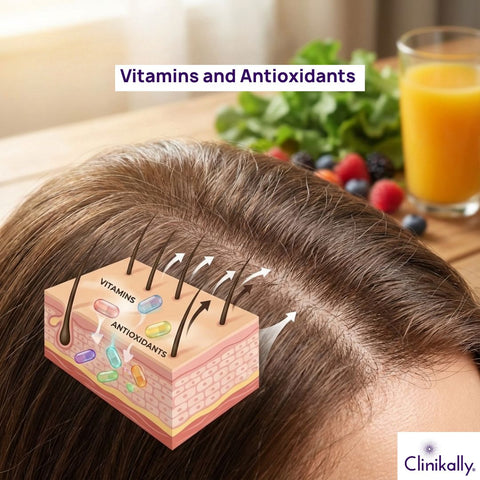
To get healthy hair, you first need a healthy scalp, and that is where vitamins and antioxidants work their magic. Usually seen in vitamin supplements of hair care products, vitamins help nourish and protect your scalp and provide an ideal setting for healthy and strong hair growth.
-
Biotin (Vitamin B7), vitamin E, vitamin C, niacin (Vitamin B3), as well as panthenol (pro-vitamin B5) works towards promoting hair strength, ensuring proper blood circulation on the scalp, as well as general hair function
-
Haircare products also contain antioxidants that prevent the scalp and hair roots from being damaged by free radicals, which are generated through exposure to environmental factors, pollution, and the sun.
-
Antioxidant-rich components such as plant extracts and vitamins promote maintaining a healthy scalp condition, and that is critical for healthy hair growth.
-
Regular use of hair care products that are conditioned with vitamins and antioxidants will be helpful for a more comfortable scalp, improved hair vitality, and thicker hair.
Vitamins and antioxidants play a crucial role in acting as a powerful helping hand for the growth of healthy scalp and follicles from within. They can prevent damage and strengthen the roots for healthy growth when incorporated correctly in a hair treatment regimen.
Breaking Down the Marketing Buzzwords
In the rapidly expanding market for hair care products, buzzwords in marketing trail off into insignificance in relation to matters that truly count: proven, science-backed ingredients in hair care. Buzzwords such as clean beauty, natural hair care, sulfate-free, toxin-free, and dermatologist-tested litter packaging on an endless number of hair care products. Understanding these buzzwords in relation to truly deciphering matters in constructing a hair care regimen for healthy hair would be highly advantageous for making well-informed decisions on which products to use. This section will decode popular buzzwords for hair care products with regards to how they affect hair growth, moisture retention, repair, and hair health in general.
What “Sulfate-Free” Really Means for Your Hair
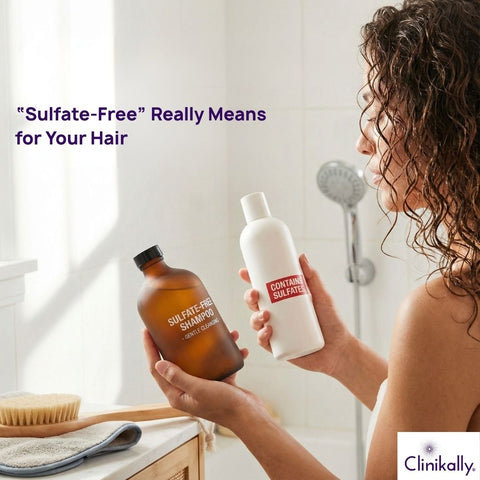
Sulfate-free hair care entails shampoos and cleansing products that do not contain harsh foaming agents, including sodium lauryl sulfate and Sodium Laureth Sulfate. These components cause excessive foaming but tend to cause dryness in the scalp because they remove the natural oils from the scalp's surface. Sulfate-free shampoos contain less harsh foaming agents that clean and moisturize the hair simultaneously. These shampoos are preferred for dry hair, scalps with sensitivities, curly hair, and colored hairs that need an extra boost of moisturization.
The usage of sulfate-based hair products prevents the conservation of the body’s natural hair oils. The usage of these products leads to resistance against colors, breakage, and manageability. Even with this, the amount of foaming in the shower will still be affected. People who are keen on clean beauty, scalp, and hair, the usage of sulfate-based hair products is recommended because the process is gentler in nature.
Parabens, Silicones, and Preservatives: The Facts vs. Fears
Here are some hair ingredients that are often widely debated: parabens, silicones, and preservatives. Named “the bad guys” in clean beauty circles, there’s been misconception about them. It’s time to “separate fact from fear” to help you decide what works and what is best for your hair.
-
Parabens are Reliable and Well-Evaluated Preservatives
Fact vs. Fear: Parabens are employed only in minute concentrations as a preservative for the prevention of bacterial and fungus growth and continue to be the most researched preservative for cosmetics globally.
-
Silicones are Greasing Necessary, Not Detriment
Fact vs. Fear: Silicones combat frizz, add shine to hair, protect against heat and moisture damage, but troubles occur when heavy deposits aren’t thoroughly rinsed off.
-
Preservatives: Preserving for a Safe Product
Fact vs. Fear: Preservatives are required in order to keep hair products safe, stable, and free from harmful microbes, whether the product is "natural" or "organic."
-
Why Fear-Based Labeling Persists
Fact vs. Fear: "paraben-free" and "silicone-free" claims can exploit consumer fear although parabens and silicones are safe to use provided they are employed in appropriate amounts.
Parabens, silicones, and preservatives can be used in a responsible manner in hair care products. These are not harmful substances in themselves but are used for a specific reason in hair care products. Instead of banning these in your beauty routine, it can be better to concentrate on how these products are formulated or how they affect your hair.
Clean Products Claims: Are They Always Reliable?
"Clean Products" claims have become a popular trend in the hair industry, claiming safer, more natural, non-toxic hair products. Though "clean beauty," "green beauty," or "natural hair care" sounds exciting, these terms aren’t strictly regulated. What one company considers "clean" can be subjective, meaning manufacturers could be more concerned with marketing rather than ingredient performance. One must understand ingredient labeling, safety measures, and ingredient transparency in order to distinguish legitimate "clean" hair products for a healthy head of hair.
Not all the hair care products classified under the domain of clean beauty assure enhanced performance or healthier hair. There are natural components which might trigger reactions on the scalp or prove allergic in nature, apart from the fact that some laboratory-tested artificial components might be more reliable. The ideal approach is a balance in which people can select hair care products which are enriched with science-verified components or are natural or artificial. It is always the best approach for an educated customer.
Tailoring Haircare Choices to Your Personal Needs
Personalized attention and adaptation of your hair care practices according to your requirements play an important role in maintaining healthy hair. Different types of hair, be it dry, oily, curly, fine, or color-processed, demand particular ingredients and formulations that work effectively. Knowing your scalp type and concerns such as hair fall, frizzy, or damaged hair enable you to analyze and select appropriate hair care products that work well for promoting healthy growth, moisturizing, and strengthening your hair. Instead, use haircare trends in conjunction with solutions based on ingredients that correlate to your lifestyle and hair needs.
Reading hair product ingredients, recognizing key ingredients, and using hair products formulated for your specific needs result in better haircare outcomes. From making informed choices regarding clean beauty, sulfate shampoo, and scalp haircare, you have the ability to create a sustainable haircare regime for achieving stronger, shinier, and healthier-looking locks.