Biotin and Hair Health: Unlocking the Science Behind Stronger Strands

Biotin, or vitamin B7 or vitamin H, has become a super nutrient in the world of hair health and hair loss management. The water-soluble B-complex vitamin is important for making hair follicles stronger, encouraging new hair growth, and enhancing hair texture and thickness. Whether you’re struggling with thinning hair, excessive shedding, or simply looking to boost overall hair health, incorporating biotin-rich supplements or biotin-infused hair products into your routine can make a visible difference. Backed by research and loved by dermatologists, biotin is often recommended for treating biotin deficiency-related hair thinning and breakage. With increasing demand for natural hair growth treatments, biotin has become a buzzword in searching for healthier, stronger locks-particularly for those on the lookout for safe and effective, yet nutrient-focused treatments.
Understanding Biotin’s Role in Hair Care
Biotin's application in hair care goes beyond skin-deep fads-it is a scientifically-proven nutrient that plays an important role in ensuring the structural integrity of hair. As a central coenzyme for amino acid and fatty acid metabolism, biotin facilitates the manufacture of keratin, the major protein that comprises hair strands. Knowing how biotin helps produce stronger, shinier, and more durable hair enables a person to make the right decisions regarding hair supplements, treatments, and nutrition. Biotin deficiency, although uncommon, may cause effects such as hair loss, brittle hair, and even complete hair loss. By recognizing the value of this vital vitamin, users can proactively address early signs of damage and support long-term hair health. For anyone on a hair regrowth journey or seeking to prevent breakage and dullness, appreciating biotin’s biological function is the first step to achieving stronger strands naturally.
What is Biotin? A Quick Scientific Overview
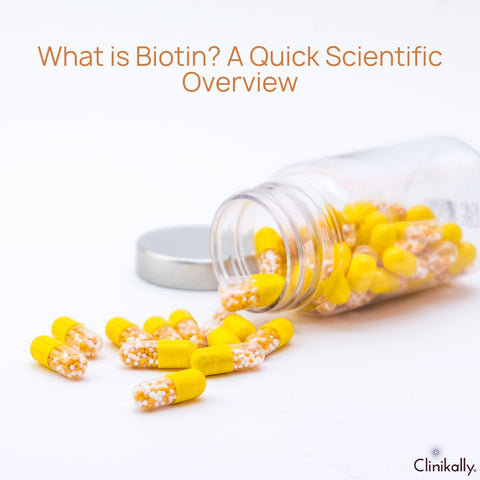
Biotin, or vitamin B7, or vitamin H, is one of the water-soluble B-complex vitamins crucial to metabolic processes in the body. It serves as a coenzyme in the carboxylation of some enzymes, facilitating the conversion of carbohydrates, fats, and proteins into energy. Of particular significance for the health of the hair is the role of biotin in the manufacture of keratin-a structural protein from which the structure of hair, skin, and nails is built. Though the body only needs limited quantities of biotin, deficiency may cause hair loss, brittle nails, and parched skin. Biotin occurs naturally in eggs, nuts, seeds, sweet potatoes, and spinach, as well as in supplement form. Its established connection to denser hair growth has led it to become a favorite among hair care formulas and nutraceuticals.
The Connection Between Biotin and Keratin Structure
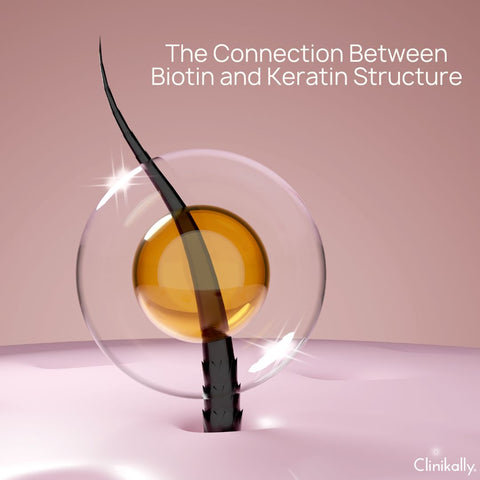
Biotin and keratin have a vital connection when it comes to hair well-being, skin integrity, and nail resilience. As knowledge increases about the optimal hair vitamins and supplements for more robust, healthy-looking hair, knowledge of the biotin-keratin bond is essential to enhancing natural hair growth, halting hair thinning, and boosting overall appearance. Whether you're investigating how biotin functions, or searching for the best biotin supplements for nails and hair, this guide describes how biotin interacts with the keratin protein structure.
-
Biotin (Vitamin B7) is involved in keratin production by facilitating the body's inherent capacity to manufacture amino acids, which form the building blocks of keratin.
-
With low biotin levels, the structure of keratin weakens, which can cause brittle hair, thinning hair, or peeling nails.
-
Biotin enhances the keratin infrastructure by facilitating enhanced cell growth and fatty acid metabolism, both vital for healthy hair follicles.
-
According to clinical observations, biotin supplementation has been found to trigger keratin production, improving texture, thickness, and strength of hair and nails.
-
Keratin is a structural fibrous protein present in the outer skin layers, hair, and nails, and biotin is a coenzyme that activates essential enzymes involved in stabilizing keratin.
-
Hair growth supplements such as HK Vitals DHT Blocker with Biotin Tablet tend to blend biotin with other keratin-enhancing nutrients such as zinc, collagen, and folic acid to exert synergistic hair-strengthening effects.
-
Biotin deficiency may lead to disrupted keratin synthesis, causing symptoms such as dry scalp, dandruff, and hair loss-conditions that are often addressed by biotin-containing shampoos and serums.
-
Biotin maintains keratin structure by enhancing keratinocyte (hair and skin cell) integrity, which results in a better scalp environment for hair growth.
In summary, biotin is a vital nutrient that powers the biochemical mechanisms of keratin formation, which makes it a keystone ingredient in most hair, skin, and nail supplements. If you're addressing split ends, brittle nails, or lackluster skin, pairing biotin with keratin can have a dramatic impact on structure and appearance. To achieve the best possible outcomes, seek out clinically developed biotin-keratin products tailored to your individualized hair type and health objectives.
Common Signs of Biotin Deficiency in Hair
Biotin deficiency, while relatively uncommon, can have a serious impact on hair health and goes unnoticed in its early phases. Paying attention to signs of low biotin levels can make you act in time to revive maximum hair growth and scalp well-being. The following are the most prevalent signs of biotin deficiency in hair:
-
Excessive hair loss or hair fall, more visible during brushing or shampooing.
-
Reducing hair, most evident at the crown and temples.
-
Dry, brittle hair that breaks easily or loses its shine.
-
Hindrance in normal hair growth or stunted hair growth despite regular hair care.
-
Irritation of the scalp, dryness, or flakiness similar to dandruff.
-
Fine hair strands that feel weak or lifeless.
-
Patchy hair loss or initial signs of alopecia.
-
Inability to maintain moisture in the hair, resulting in frizz and split ends.
-
A lackluster, dull look in hair even on regular application of shampoos or conditioners.
-
Increased sensitivity of hair to heat, styling, or chemical processing.
Biotin is crucial to keeping your hair tough, resilient. These effects can indicate that your body isn't making enough of this important B-vitamin to maintain keratin structure and healthy hair growth. To fight back against these effects, try talking to a dermatologist and adding biotin foods or a specific biotin supplement for hair growth to your regimen for visibly stronger, shinier, fuller hair.
Biotin Benefits: More Than Just Hair Growth
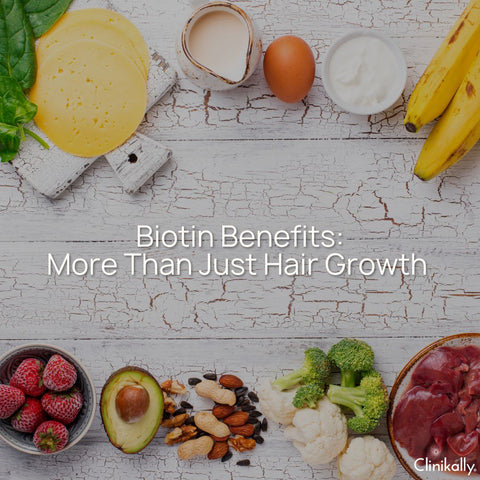
Biotin, also known as vitamin B7 or vitamin H, has become a buzzworthy superfood as the nutrient of choice for hair growth, but its uses go far beyond thicker locks. The water-soluble dynamo in the B-complex group, biotin energizes keratin production, aids in healthy fat and amino acid metabolism, and assists in converting food to clean cellular energy. Emerging research links optimal biotin levels to stronger nails, glowing skin, hair loss prevention, balanced blood sugar, and even cognitive clarity. Whether you’re searching for “biotin for hair growth and thickness,” “best biotin supplements for brittle nails,” or “biotin-rich foods to improve skin health,” understanding the full spectrum of biotin benefits can elevate your wellness routine. Keep reading and learn about optimal biotin dosage for adults, most important deficiency symptoms, and science-backed strategies to optimize absorption naturally.
Boosting Hair Strength and Thickness Naturally
Attaining thick, healthy, and strong hair naturally is a dream of many, and biotin, or the so-called Vitamin B7 or "hair growth vitamin," has been a widely sought solution in this endeavor. Whether you're looking for natural cures for hair loss, opting for the best biotin supplement for thicker locks, or incorporating food items containing biotin for hair growth, knowing how biotin works can make your hair stronger from within. This is how biotin naturally increases hair thickness and strength based on important functions and advantages.
-
Biotin maintains keratin production, the main protein responsible for the strength and structure of hair.
-
It enhances hair follicle durability, which reduces shedding and breakage.
-
Daily consumption of biotin ensures healthier hair texture, giving strands a fuller and glossier appearance.
-
Biotin improves circulation to the scalp, which maintains healthier and stronger roots for hair.
-
It stimulates cell regeneration and general scalp health, providing a good climate for new hair growth.
-
Biotin deficiency has been associated with thinning hair, so supplementing is a good choice for those with overt volume loss.
-
Numerous natural hair growth remedies contain biotin because it can encourage thicker, fuller hairs.
-
Biotin can be combined well with other hair nutrients such as zinc, folic acid, and collagen in order to achieve maximum growth and strength.
-
Biotin is a common ingredient in hair care products and edible supplements formulated to combat hair loss and stimulate volume.
-
A regular biotin regimen-via diet or supplements-has been shown to result in noticeable increases in the thickness of hair over time.
Integrating biotin into your hair nutrition and hair care routine is one of the safest and most natural methods to promote hair strength and volume. From brittle locks, slow hair growth, to premature thinning, biotin for thicker hair provides a proven, dermatologist-approved solution to healthier-looking hair. For maximum benefits, use biotin supplements for hair growth, a balanced diet, and regular scalp care to unlock your hair's complete potential-naturally and safely.
Slowing Hair Fall: How Biotin Supports Scalp Health
Hair loss may be caused by several reasons, such as inadequate diet, stress, hormonal disorders, and unhealthy scalp conditions. Out of the numerous vitamins that have been proven to ensure hair health, biotin (Vitamin B7) emerges as a special case of having a direct effect on scalp wellness and hair loss prevention. In case you want to reduce hair loss and encourage long-term hair growth, knowing the ways in which biotin ensures a healthy scalp is critical. No matter if you're looking for biotin for hair loss, vitamins to prevent hair thinning, or home remedies to slow down hair loss, here's how biotin contributes to making the perfect foundation for healthy, durable hair.
-
Biotin regulates sebum production, making the scalp well moisturized and minimizing flakiness or dryness that could result in hair loss.
-
It promotes the synthesis of fatty acids needed for healthy skin cells, which keep the scalp nourished and secured.
-
A healthy scalp condition, assisted by biotin, encourages healthier hair follicles and minimizes breakage at the roots.
-
Biotin enhances blood flow to the scalp, supplying the hair follicles with more oxygen and nutrients.
-
It has a vital function in cellular metabolism, assisting scalp cells in renewing effectively and staying healthy.
-
Biotin deficiency is commonly associated with scalp problems such as dandruff, itchiness, and inflammation-issues that can all lead to excessive shedding of hair.
-
By fortifying keratin structure at the follicle level, biotin allows new hair strands to be stronger and less prone to falling out early.
-
Biotin facilitates better absorption of other nutrients critical for scalp repair and regeneration, such as zinc and vitamin E.
-
Daily biotin supplementation can minimize scalp sensitivity and irritation and encourage improved hair retention.
-
Products for scalp health frequently contain biotin to maintain conditions such as seborrheic dermatitis and chronic dryness, which may result in thinning hair.
Biotin plays a foundational role in maintaining a healthy scalp ecosystem, which is essential for slowing down hair fall and encouraging regrowth. For those struggling with excessive hair loss, scalp flakiness, or weakened roots, adding biotin-rich foods or biotin supplements for scalp health into your daily regimen can make a visible difference. Prioritize scalp nourishment to reduce shedding and support long-term hair wellness-starting from the root.
Can Biotin Reverse Hair Thinning? Evidence So Far
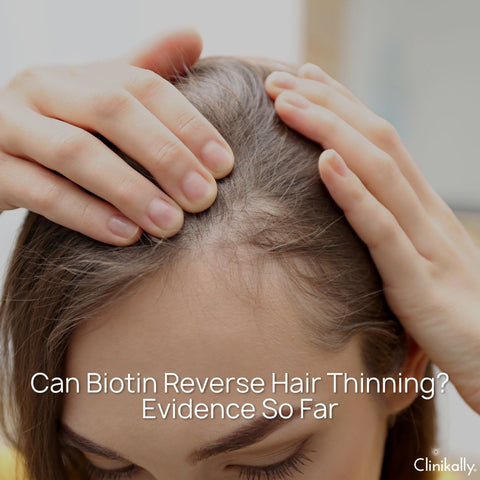
Biotin has received much attention as a possible treatment for hair thinning, especially because of its function in keratin synthesis, the main protein that constitutes hair strands. Though biotin deficiency has been reported to trigger loss of hair, deficiency cases are not common. In people with low biotin levels, supplementation has provided encouraging outcomes in repairing hair strength and minimizing shedding. But clinical research on the efficacy of biotin to reverse hair loss in individuals who are not deficient is scarce. Much of the evidence for biotin and hair regrowth is based on small studies, word of mouth, or preparations that include multiple ingredients with biotin. Biotin usually is prescribed by dermatologists as one aspect of a system for healthy hair, not as a singular remedy. In short, biotin may support hair health, but more large-scale, placebo-controlled research is needed to confirm its role in reversing hair thinning.
Choosing and Using Biotin the Right Way
Choosing and using biotin the right way is essential to maximize its benefits for hair, skin, and overall health. Start by identifying your needs-whether it's addressing hair thinning, brittle nails, or boosting energy metabolism. Seek out third-party tested biotin supplements that contain complementary nutrients such as zinc, folic acid, or collagen for improved absorption and bioavailability. Read the label to ensure the correct dosage-usually 2,500 mcg to 10,000 mcg for hair health-without going beyond safe doses without guidance from a healthcare practitioner. Stick to a regimen; take biotin once a day with food for better absorption and less chance of causing digestive upset. For optimal results, take your supplement along with a well-balanced diet that is plentiful in biotin-containing foods such as eggs, nuts, seeds, and sweet potatoes. Keep observing changes and see a dermatologist in case hair loss continues.
Biotin Supplements vs. Biotin-Rich Foods
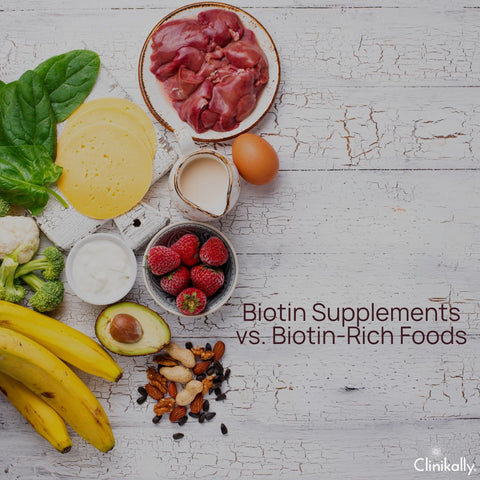
Biotin, or Vitamin B7, plays a crucial role in keeping hair, skin, and nails healthy. With increased interest in natural hair growth remedies and hair-strengthening vitamins, many ask if taking a biotin supplement is preferable to getting biotin through diet. Both methods provide advantages, and the choice of source will vary by individual health requirements, lifestyle, and particular hair or skin issue. Here's a comparative look at how each option supports beauty and wellness goals, especially if you’re exploring biotin for hair fall, biotin for glowing skin, or best biotin sources for hair growth.
-
Biotin-rich foods offer a natural and balanced way to get Vitamin B7 along with other essential nutrients.
-
Common food sources include eggs, almonds, sweet potatoes, spinach, salmon, and sunflower seeds.
-
The body will absorb biotin more readily from whole foods, particularly if taken with other B-complex vitamins.
-
Biotin tablets or capsules are convenient, particularly for individuals with dietary limitations, impaired absorption, or diagnosed deficiencies.
-
High-strength biotin capsules or tablets offer a uniform dosage, which could be beneficial for individuals with very sensitive hair loss or brittle nails.
-
Some may not obtain enough biotin through diet alone, particularly vegetarians or individuals with gastrointestinal problems.
-
Biotin-fortified foods maintain general health and provide synergistic assistance with antioxidants, fiber, and other vitamins.
-
Supplements are commonly employed clinically to quickly correct biotin deficiency and may provide quicker observable effects on hair and skin.
-
Unusual over-supplementation may cause side effects or interfere with laboratory results in rare cases; food sources usually never present such a problem.
-
A blend of both-daily nutritional foods for biotin content and supplements for specific issues-tends to achieve the best of both worlds.
In summary, foods rich in biotin and biotin supplements can lead to healthier nails, clearer skin, and more robust hair. For overall health, whole foods are best, but if you have hair loss, hair breakage, or dullness in the skin, supplementing with a biotin for hair and skin can speed up the outcome. Pick your source depending on your needs, and always talk to a medical professional before beginning high-dose supplements for best results. Few biotin enriched supplements available at Clinikally are:
How Much Biotin Do You Really Need?
Biotin or Vitamin B7 promotes healthy hair, skin, nails, and metabolism. With the increasing trend of biotin supplements for hair growth and biotin diets, everybody is confused regarding the appropriate daily intake. Whether you're fighting hair loss, dull skin, or brittle nails, knowing how much biotin is necessary can assist you in making the ideal choice for long-term outcomes.
-
The overall recommended daily intake (RDI) of biotin for grown-ups is 30–100 micrograms (mcg), which should be adequate for healthy individuals.
-
Pregnant women or lactating mothers might need a bit higher intake of biotin, about 35 mcg or higher, for the health of the fetus and mother.
-
A majority of individuals are able to obtain adequate biotin from a balanced diet that incorporates foods containing biotin such as eggs, nuts, legumes, whole grains, and leafy vegetables.
-
For those suffering from thinning hair, brittle nails, or dull skin, biotin supplements in strengths of 2,500 mcg to 10,000 mcg are widely sold-though such high doses must be taken under medical supervision.
-
Clinical trials validating mega-doses for hair regeneration are limited, and more is not always better-too excessive a consumption can distort laboratory test data.
-
Individuals with conditions such as biotinidase deficiency, gastrointestinal disorders, or those taking particular medications (e.g., antibiotics, anti-seizure medications) might need to take more than the recommended dose.
-
Biotin is not fat-soluble, so excess is usually shed via urine, minimizing the risk of toxicity.
-
Patience is also essential-biotin must be taken every day for a minimum of 90 to 120 days before realizing any improvements in hair or nail health.
-
Merging biotin with other hair-supporting nutrients such as zinc, collagen, and folic acid will amplify overall efficacy.
-
Always seek the advice of a healthcare professional prior to initiating high-dose supplements, particularly when treating thinning hair or skin health gains.
In short, most people get their biotin naturally from diet, but specific supplementation of use can be helpful if there is a deficiency or apparent hair and nail issues. Although tablets for hair growth containing biotin are very common, the appropriate dosage also varies from person to person-so individual health, aim, and doctor's advice must determine your selection.
Integrating Biotin into a Full Hair Care Routine
Biotin, often referred to as the "hair vitamin," has a life-changing effect on hair health when used in conjunction with an overall regimen. From fighting thinning, increasing volume, or enhancing hair regrowth, using biotin for hair growth in conjunction with the proper hair care habits improves scalp and strand health. If you’re searching for how to use biotin for hair fall, best ways to apply biotin for thicker hair, or daily hair care tips with biotin, here’s how to seamlessly incorporate it into your regimen for visible results.
-
Start with a biotin-rich diet, including eggs, almonds, spinach, and whole grains to support hair from the inside out.
-
Include a biotin supplement for hair resilience, particularly if you've got visible shedding or brittle hairs. Carbamide Forte Natural Biotin Gummies For Hair Growth - Strawberry Flavour can be taken.
-
Wash with biotin-enriched shampoos and conditioners that moisturize the scalp and enhance keratin architecture with each shampoo. Pilgrim Spanish Rosemary & Biotin Anti-Hairfall Shampoo and Pilgrim Spanish Rosemary & Biotin Anti-Hairfall Conditioner are highly recommended.
-
Use a biotin-formulated hair mask such as Beauty Garage Botoliss Biotin Hair Mask or serum once a week to treat troubled spots and enhance hair elasticity.
-
Massage your scalp regularly to increase circulation and enhance biotin uptake from surface products.
-
Maintain your biotin consumption consistently for a duration of 8–12 weeks to observe improved hair density and texture.
-
Take biotin in combination with other hair nutrient staples such as zinc, folic acid, and collagen to achieve optimal results. Azelia Biotin & Collagen Supplement Tablet is an excellent recommendation as it combines the goodness of zinc, selenium, iron, amino acids along with Biotin and collagen.
-
Shun extreme styling products and heat appliances that tend to nullify biotin's strengthening effects.
-
Stay hydrated and keep yourself stress-free, as these play a role in the health of your hair and nutrient utilization.
-
Consult a dermatologist or trichologist to customize your biotin dose and regimen to meet your hair needs or type.
Adding biotin to your hair regimen isn't solely supplements-it's about creating a consistent, nutrient-enhanced routine that promotes hair from root to end. Paired with scalp care, a healthy diet, and protective styling, you can reap noticeably stronger, thicker, and healthier hair in the long term.
Personalized Hair Loss Solutions: Is Biotin Right for You?
Biotin may be an excellent addition to a customized hair loss treatment if you are suffering from thinning locks, breakage, or nutrient loss. Although not a panacea for all, biotin supplements have been found to strengthen and thicken hair and promote growth, especially for those with inadequate biotin. Whether you’re searching for “best biotin supplement for hair loss,” “how to stop hair thinning naturally,” or “vitamins for faster hair regrowth,” biotin may play a supportive role when combined with a healthy diet, stress management, and targeted hair care. For individuals with hormonal imbalances or chronic hair fall, consulting a trichologist or dermatologist is key. Eventually, biotin can restore the health of your hair-but only if selected and applied properly as part of a larger, science-based hair care system geared to your particular requirements.