Understanding Lupus-Related Hair Loss: Key Symptoms, Treatments, and Dietary Tips
Lupus is a chronic autoimmune disease that can affect various parts of the body, including the skin, joints, and internal organs. One of the lesser-discussed symptoms of lupus is hair loss, which is distressing for many people. Lupus-related hair loss usually occurs due to inflammation and scarring of the scalp, most often caused by flare-ups of the disease. In this article, we’ll explore the key symptoms of lupus-related hair loss, effective treatments, and dietary tips to help manage this condition, promoting both overall health and hair regrowth.
What Is Lupus? A Brief Overview
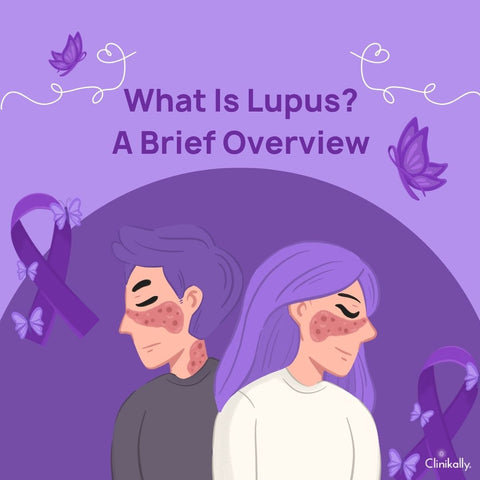
Lupus is an unpredictable and complex autoimmune disease caused when the immune system of the human body mistakenly attacks its own tissues and organs. This chronic disease can be applied to the different parts of the body such as the skin, joints, kidneys, heart, lungs, and brain. The symptoms can range from mild to severe and vary. Lupus has no cure, but its symptoms can be controlled to lead a more or less normal life.
Types of Lupus: Systemic and Cutaneous
There are two major categories of lupus:
-
Systemic Lupus Erythematosus (SLE): This is the most prevalent form of lupus that targets various organs and body systems. Symptoms can be as broad as fatigue, arthralgias or pains in the joints, fever, skin rashes, kidney involvement, and lung inflammation.
-
Cutaneous Lupus: This type affects primarily the skin. There are two principal subtypes:
-
Discoid Lupus Erythematosus (DLE): Characterized by elevated, scaly areas on the skin, often on the face, scalp, or ears. These areas often leave scars.
-
Subacute Cutaneous Lupus: This type causes widespread rash, usually due to ultraviolet light exposure. The symptoms are less severe compared to DLE and normally do not scar.
Cutaneous lupus, despite its tendency to affect mainly the skin, can occasionally proceed to systemic lupus.
Common Symptoms of Lupus Beyond Hair Loss
Lupus is an autoimmune disease where the immune system attacks the tissues of the body, causing inflammation and damage. Besides alopecia, the symptoms of lupus may differ from patient to patient, but common signs include:
-
Fatigue: Lack of energy or tiredness that won't go away.
-
Pain and Swelling in Joints: Ache, stiffness, or swelling in the joints, typically in the hands, wrists, and knees.
-
Butterfly Rash: A red or purple rash across the cheeks and nose, resembling the shape of a butterfly.
-
Fever: Unexplained fevers often low-grade.
-
Photosensitivity: Sensitivity to sunlight or artificial light, which can precipitate skin rashes or flare-ups.
-
Mouth or Nose Sores: Ulcers or sores, often painless, which appear inside the mouth or nose.
-
Chest Pain or Shortness of Breath: Pain when breathing deeply or shortness of breath, due to inflammation in the lungs or the lining of the heart.
-
Swollen Lymph Nodes: Enlarged lymph nodes, which can be painful.
-
Raynaud's Phenomenon: Fingers and toes turning white or blue in response to cold or stress due to blood vessel constriction.
-
Cognitive Dysfunction (Lupus Fog): Memory problems, difficulty concentrating, and confusion, often referred to as "lupus fog."
If any of these symptoms are present, it is important to seek medical advice, as lupus can affect multiple organs and requires ongoing management to prevent complications.
The Connection Between Lupus and Hair Thinning
Lupus is an auto immune disease wherein the immune system of the body attacks it in return. In lupus, skin, joints, kidneys, and most organs can be attacked by the autoimmune disease. The most obvious manifestation of lupus is thinning of hair or loss of hair. For individuals diagnosed with lupus, losing their hair is disturbing for them. Thinning may be localized on the scalp, or may also involve other body areas. There are many causes of hair loss due to lupus, and all these mechanisms can help one manage the condition.
1. Inflammation and Immune Response
- Lupus-induced Inflammation: One of the major causes of hair loss in lupus is inflammation. The autoimmune process in lupus involves the immune system attacking healthy cells, including the hair follicles. This can lead to scalp inflammation, also known as lupus erythematosus, where the skin becomes red, scaly, and sometimes painful.
- Hair cycle disruption: Scalp inflammation interferes with the regular sequence of hair growth, comprising the following phases: anagen or growth phase; catagen or rest phase; and telogen or shedding phase. Lupus increases the proportion of hair follicles going into the shedding phase called telogen effluvium, resulting in hair loss.
2. Lupus and Autoimmune Hair Loss: (Alopecia Areata-Like Condition)
- Alopecia Areata-Like Symptoms: Sometimes, lupus can trigger a condition which is similar to alopecia areata, an autoimmune disorder where the body begins to attack its hair follicles causing patchy hair loss. Often, in patients suffering from lupus, this kind of hair loss is seen along with the scalp being affected by the immune system in attacking the hair follicles.
- Patchy Hair Loss: Bald patches or marked thinning in some areas occur, quite unlike common shedding. Lupus alopecia is often more generalized and less reproducible and tends to have multiple patterns.
3. Lupus Medications
- Hydroxychloroquine (Plaquenil): A medication commonly prescribed for the management of lupus, which is usually tolerated well by most patients; however, there are some with hair loss. Hair loss from hydroxychloroquine can be reversible in most cases, but it generally adds up to the ongoing thinning process among lupus patients.
- Steroids and Immunosuppressive Drugs: Steroid therapies, such as prednisone, and other immunosuppressive drugs, often used to manage flare-ups, can also contribute to hair loss. Long-term use of steroids may cause telogen effluvium-a condition in which hair falls out en masse after a period of stress, medication, or illness.
- Chemotherapy Drugs: Patients suffering from lupus may have chemotherapy for related issues, such as lymphoma, among other conditions. This class of drugs is usually associated with alopecia or overall hair loss in the bodies of affected patients.
4. Hormonal Changes
- Females predominantly present with Lupus: Women of the reproductive age group are at an even greater risk of presenting with Lupus. Variations in female hormones during periods such as pregnancy, menstrual periods, and menopause also affect hair loss caused by Lupus. Fluctuating levels of estrogen and progesterone may have their way in regulating the body's immune response and potentially hair loss.
- Androgenic Alopecia: Some lupus patients experience androgenic alopecia, which is a hereditary type of hair loss, particularly if it is associated with another disorder such as PCOS (polycystic ovary syndrome).
5. Scarring Alopecia or Cicatricial Alopecia
- Chronic Scarring Loss Lupus: Chronic lupus itself can be very destructive to follicles. Discoid lupus erythematosus-DLE causes significant destruction when it involves the scalp of patches with raised scaly skin, which scar, thereby leaving the scalp not growing hair in those areas as once there was. These permanent losses of hair will follow when follicles are severely damaged or destroyed, wherein follicles cannot reform thereafter.
- Signs of Scarring Alopecia: With scarring alopecia, the hair loss is often more noticeable in areas where lupus lesions have been present for long periods. The skin may appear shiny, smooth, and scarred in affected areas.
6. Stress and Emotional Impact
- Stress from Disease Flare-Ups: Living with a chronic illness like lupus can be emotionally and physically tiring. The stress associated with disease flare-ups and uncertainty of symptoms can trigger or intensify hair thinning. Stress-induced hair loss is known as telogen effluvium, and is common in people dealing with chronic illnesses.
- Psychological Factors: The emotional impact of living with lupus, in conjunction with the physical manifestation of hair thinning, increases the stress factor and creates a vicious cycle. Psychological factors, such as anxiety, depression, and low self-esteem, can also lead to hair thinning and further worsen the situation.
7. Nutritional Deficiencies
- Malabsorption and Diet: Patients with lupus can have malabsorption of necessary nutrients due to involvement of the gut or medications that interfere with digestion and absorption. Iron, vitamins (B12, vitamin D, and folic acid), and zinc deficiencies can impact hair health.
-
Supplements: Nutritional deficiencies can exacerbate hair loss, but supplements can help to fill in the missing nutrients and possibly stimulate hair growth. Patients with lupus should discuss any supplementations with their healthcare provider to ensure proper choices.
Lupus is a condition that contributes to hair thinning and loss due to multiple contributing factors, such as an immune response, medications, hormonal imbalances, and stress. It can be distressing; however, early diagnosis and treatment of lupus and related factors, like medications and stress, contribute to managing hair thinning. It is essential that lupus patients work closely with healthcare providers to create an integrated care plan addressing both the underlying disease and the cosmetic effects, such as hair loss.
Recognizing Hair Loss Symptoms in Lupus Patients
Hair loss is a prevalent symptom in lupus patients and may cause psychological distress, thus potentially relating to the disease itself or its therapy. Lupus is a kind of autoimmune disease that includes immune responses against the body's own tissues, which are part of the skin, joints, kidneys, and other organs. In most cases, lupus impacts hair through the scalp and, hence, different forms of hair loss can occur in affected individuals.
Forms of Hair Loss Due to Lupus:
1. Diffuse Thinning (Telogen Effluvium):
It is the most common cause of hair loss in patients diagnosed with lupus. Hair follicles go into the shedding phase too soon because of stress on the body (inflammation or flare-ups). The hair thins across the entire scalp, and there are no patches.
2. Discoid Lupus Erythematosus (DLE):
A type of lupus that directly affects the scalp, skin, and causes the hair loss to be in the form of scarring. DLE causes raised red scaly lesions on the skin, and if these lesions arise on the scalp, they destroy hair follicles, causing hair loss that is permanent in affected areas.
3. Alopecia areata:
Lupus patients may also suffer from alopecia areata, which is an autoimmune disease in which the immune system attacks the hair follicles. This results in small, round patches of hair loss on the scalp or other parts of the body.
4. Medication-induced hair loss:
Some of the medicines used to treat lupus lead to hair thinning or fall as a side effect such as corticosteroids or immunosuppressants. The extent of this can vary with the dose and length of treatment.
Symptoms of Hair Loss in Lupus:
-
Hair thinning: This is the loss of hair density usually on the crown or top side of the scalp.
-
Bald patches: Round or oval patches of lost hair, especially with alopecia areata or discoid lupus.
-
Breakability: Hair may become brittle and break more easily or could feel thinner.
-
Scalp inflammation: Redness, scaliness, or scarring on the scalp possibly due to active lesions of lupus
-
Excessive shedding: Hair sheds excessively at the time of brushing, washing, or combing.
-
Inflammation: The attack of the immune system on the skin and hair follicles can lead to inflammation of the hair loss.
-
Hormonal Changes: Lupus may cause hormonal imbalances, which might contribute to falling hair.
-
Stress: Due to the psychological and physical severity of lupus flare-ups, it can further increase hair falling.
-
Medications: Some drugs, such as corticosteroids, cause hair thinning as a side effect of the drug.
Early Signs of Hair Thinning
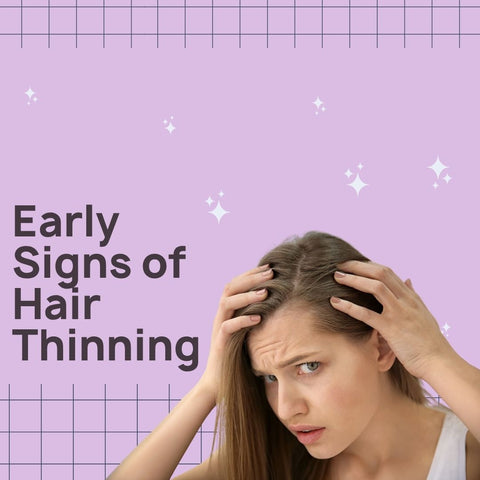
Hair thinning or hair loss is a prevalent symptom in patients with lupus, especially during early stages. Hair loss secondary to lupus is majorly due to inflammation affecting the scalp and hair follicle. Here are some earliest symptoms of hair thinning or hair loss in a lupus patient. Early Symptoms of Hair Thinning or Hair Loss in Lupus are mentioned below:
1. Gradual Thinning on the Scalp
One of the most prominent first signs of hair loss with lupus is that hairs are becoming thinner gradually especially on the crown or on top of the head. It might not be too noticeable initially, but if observed closely, it does become apparent after some time.
2. Patchy Hair Loss
Some people may find patchy hair loss or bald spots, which can be seen in conditions like discoid lupus erythematosus (one of the skin-related types of lupus). Patches are usually round or oval.
3. Excessive Hair Shedding
Excessive shedding with brushing or washing can also be an early sign of lupus-related hair loss. More hair is found in the brush or shower by a person with lupus.
4. Scalp Sensitivity
Lupus may cause inflammation or irritation in the scalp, making it sensitive, tender, or itchy. This could be an indicator of hidden inflammation that contributes to hair loss.
5. Hair Texture Changes
Hair can become brittle, dry, or fragile, and more prone to breaking. Lupus affects the skin, which may also have a direct impact on hair.
6. Hair Loss During Flare-Ups
Hair loss or thinning is usually more significant during flare-ups of lupus, in which the immune system becomes more aggressive and leads to increased inflammation. This is a rapid loss of hair.
7. Diffuse Thinning
Instead of having spots where the hair is completely missing, some individuals have diffuse thinning where the hair across the entire scalp thins out uniformly and progresses over time. It may seem like a lesser density of coarser hair on the entire scalp.
8. Lupus Lesions on the Scalp
For those with discoid lupus erythematosus (DLE), red, scaly patches can appear on the scalp, which may cause permanent scarring and hair loss if untreated. These patches can lead to irreversible hair loss if the condition isn't managed properly.
9. Loss of Eyebrows or Eyelashes
While not always the first symptom, hair loss can also extend to eyebrows and eyelashes in some cases, indicating widespread involvement of hair follicles.
10. Telogen Effluvium After Stress
It is known that stress triggers lupus flare-ups. In addition, lupus patients may suffer from telogen effluvium, a condition that causes sudden and diffuse hair shedding because of emotional or physical stress.
If you suspect that lupus is affecting your hair, consult a healthcare provider or dermatologist for proper evaluation and management. Medications, including steroid creams or immunosuppressive drugs, may help manage inflammation and reduce hair loss. Gentle hair care practices, such as using mild shampoos and avoiding heat or chemical treatments, can help reduce hair breakage and further damage.
Differentiating Between Normal Shedding and Lupus-Related Loss
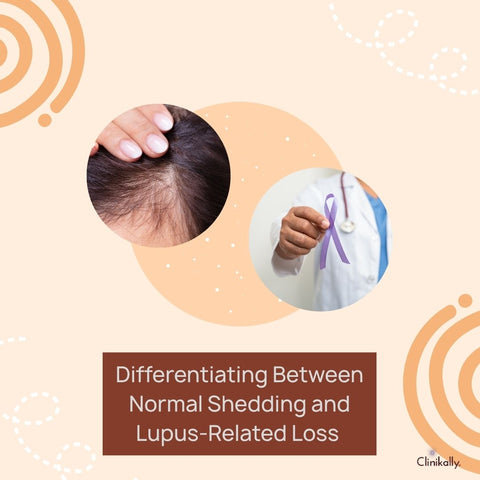
Differentiating between normal shedding and lupus-related hair loss can be challenging because they both involve hair thinning or shedding. However, there are key differences to look out for:
1. Normal Hair Shedding:
-
Amount of Shedding: It's normal to lose about 50-100 hairs per day due to the natural hair growth cycle (anagen, catagen, and telogen phases).
-
Pattern: Shedding is usually distributed throughout the scalp, and lost strands are replaced by new growth.
-
Seasonal Variation: Sometimes shedding may be more significant in fall or spring, which could be a natural seasonal effect.
-
Cause: It could also be due to some kind of stress, hormonal shift, diet, or even lifestyle.
2. Hair Loss due to Lupus-Related Alopecia:
-
Pattern of Hair Loss: Most of the times, lupus causes patchy or diffuse thinning of hair, particularly more prominent at the crown or along the hairline.
-
Scalp Involvement: Hair loss may also occur simultaneously with areas of skin inflammation, particularly in the case of discoid lupus erythematosus (DLE), where skin becomes scaly, red, and inflamed.
-
Associated Symptoms: Lupus-related hair loss is mostly associated with other symptoms of lupus like
-
Rashes (such as the butterfly-shaped rash across the nose and cheeks).
-
Fatigue, joint pain, and fever.
-
Scalp inflammation or scarring, which can cause permanent hair loss if left untreated.
-
Timing and Progression: Hair loss due to lupus may start suddenly or gradually, especially during flare-ups, and the hair may not grow back easily, especially when scarring occurs.
-
Triggers: Flare-ups of lupus often trigger hair loss due to stress, sun exposure, or infections.
3. Diagnostic Signs of Lupus-Related Hair Loss:
-
Scarring vs. Non-Scarring: Normal shedding does not cause scarring on the scalp, whereas lupus may lead to scarring alopecia in some cases, where hair follicles are destroyed, and hair does not regrow.
-
Medical History and Lab: A clinician may conduct blood tests to check for autoimmune markers (for example, antinuclear antibodies) to prove lupus when clinical features such as skin rashes, arthralgias, or kidney problem are noted.
A few main distinctions to bear in mind:
-
Pattern: Shedding is often regular, even; lupus may be shed in a more patchy or sometimes coinciding pattern with the location of other skin lesions.
-
Related Symptoms: Lupus usually involves systemic symptoms (fatigue, rashes, joint aching), whereas regular shedding does not carry these symptoms.
-
Re-Growth: In normal shedding, hair growth can normally be expected; in contrast, lupus-induced hair loss might not grow back on its own without medical treatment, especially when there are scar formations.
When it is suspected that hair loss has a lupus origin, one should see a dermatologist or rheumatologist to get a confirmed diagnosis and proper treatment that addresses the condition to avoid continued loss of hair.
The Psychological Effects of Hair Loss in Lupus
Hair loss in lupus is commonly referred to as lupus-induced alopecia, which has a lot of psychological and emotional impacts on patients who are suffering from the illness. Lupus is one of the chronic autoimmune conditions that affect several organs within the body, including skin, joints, and kidneys. Among the most visible symptoms associated with lupus is hair loss, either due to the disease itself or due to the medication for it. Here is a more intensive look at the psychological effects from hair loss in lupus:
-
Emotional Disturbance: Hair loss gives rise to sadness, frustration, or a feeling of loss to the individual and impacts how they feel about themselves. It reduces self-confidence significantly, especially in social as well as professional environments.
-
Mood Disorders: The stress one faces in dealing with hair loss, coupled with lupus symptoms, likely increases feelings of depression as well as anxiety.
-
Stigma and Social Isolation: Patients with lupus face criticism or questions about their appearance and withdraw from social life.
-
Body Image Concerns: Hair loss can affect femininity or identity, especially for women, and lead to dissatisfaction with body image.
-
Higher Stress Levels: Dealing with hair loss can aggravate stress, which, in turn, worsens emotional and physical health.
-
Coping Mechanisms: Some may use wigs, scarves, or hats, but these may only provide temporary relief and do not fully address emotional struggles.
The mental effects of hair loss are severe, ranging from the perception of body image disturbances to lack of self-esteem and progressing to depression and isolation from society. Understanding the depth of these psychological impacts and having comprehensive support is vital for reducing the emotional burden that one faces with lupus-induced alopecia. It means that with the proper strategies for coping and proper treatments, individuals with lupus can better manage their both physical and psychological diseases in order to improve quality of life.
Effective Treatments and Dietary Tips for Managing Hair Loss
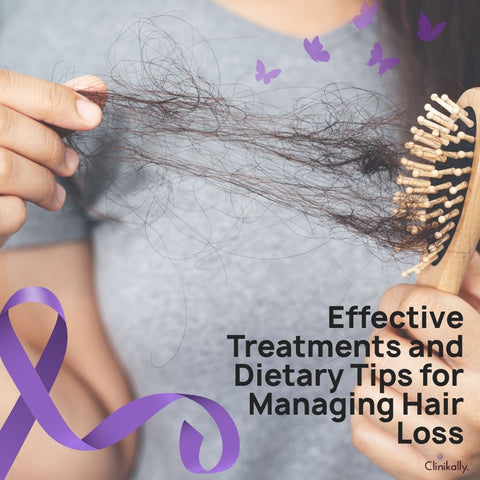
Hair loss can be frustrating and distressing to individuals of various ages. It can result from genetic factors, stress, hormonal imbalances, and lifestyle issues. For that reason, handling hair loss demands a holistic approach. Suitable treatments and lifestyle changes contribute significantly to reversing or at least slowing the rate of hair thinning. From topical treatments and medications to dietary changes that promote hair health, this guide provides insights into the most effective strategies for managing hair loss and supporting hair growth. Effective treatments for Managing Hair Loss are:
-
Minoxidil (Rogaine): Over-the-counter topical solution to stimulate hair regrowth.
-
Finasteride (Propecia): Oral medication to block DHT and reduce hair loss.
-
Platelet-Rich Plasma (PRP) Therapy: A treatment using your own blood platelets to stimulate hair growth.
-
Hair Transplants: A surgical procedure where hair follicles are relocated to areas of thinning.
-
Laser Therapy: Low-level laser devices, which encourage blood circulation and stimulate hair growth.
Different Dietary Tips for Hair Health:
-
Protein-Rich Foods: Eat eggs, lean meats, and legumes to strengthen hair.
-
Iron-Rich Foods: Take spinach, red meat, and beans to avoid iron deficiency.
-
Omega-3 Fatty Acids: Include fatty fish such as salmon, mackerel, and flaxseeds to keep your scalp healthy.
-
Biotin & Vitamins: Foods rich in Biotin, like almonds and avocados; multivitamin supplement that includes Vitamin D, B-complex, and Zinc
-
Hydration: Drinking water to keep your hair hydrated as well as maintain the health.
Medical Treatments for Lupus-Related Hair Loss

Lupus-related hair loss can be treated with many medical interventions, which are mainly based on controlling the underlying activity of lupus and the stimulation of hair growth:
-
Steroids: Oral or topical steroids help to control inflammation and reduce the loss of hair during active flare-ups of lupus.
-
Immunosuppressive Drugs: Such drugs include methotrexate, azathioprine, and mycophenolate mofetil, among others. These drugs suppress the immune system responsible for lupus-related hair loss.
-
Antimalarial Medications: Hydroxychloroquine and chloroquine help to control lupus symptoms, including skin and hair issues.
-
Topical Medications: Minoxidil is a topical medication that helps in hair growth in alopecia.
-
Phototherapy: Light therapy can be used to treat scalp skin conditions and enhance healing.
-
Wig and Hair Prosthetics: In severe cases, wigs or hair prosthetics are suggested for cosmetic purposes.
Follow-up appointments with a dermatologist or rheumatologist are also necessary to track lupus activity and its effect on the hair.
Nutritional Strategies to Support Hair Health
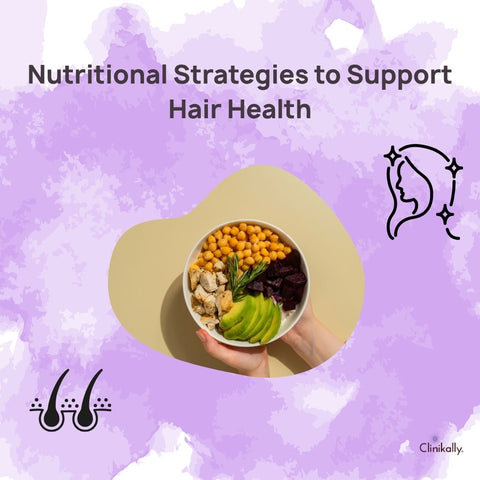
Strategies play key role in maintaining and promoting the condition of hair. Proper nutritional input provides the necessary requirements required to maintain healthy hair and encourage growth. Some include:
1. Protein-Diet
Hair is keratin, a protein mostly composed of it. Taking high-protein diet helps a person maintain the structure with that will stimulate hair growth, the sources being lean meat fish, eggs, legumes, tofu, and diary.
2. Biotin and B-Vitamins
Biotin (Vitamin B7) is critical for hair strength and development. B-vitamins also enhance scalp health. The sources are Eggs, nuts, seeds, whole grains, and leafy greens.
3. Omega-3 Fatty Acids
Omega-3 promotes hair hydration, cut down inflammation, and build hair density. The sources are Fatty fish (salmon, mackerel), chia seeds, flaxseeds, and walnuts.
4. Iron
Iron deficiency can cause hair loss and hair thinning. It assists red blood cells in the delivery of oxygen to the hair follicles. Sources: Red meat, spinach, lentils, and fortified cereals
5. Vitamin D
Low levels of Vitamin D are related to hair loss and slower growth. Sources: Sun exposure, fortified foods, and fatty fish like salmon
6. Zinc
Hair shedding occurs when there is zinc deficiency. It helps the body to develop hair tissue as well as its repair. Some sources are Oysters, beef, pumpkin seeds, and lentils.
7. Vitamin E
It facilitates circulation on the scalp while having a potent antioxidant protecting the hair follicle. Its sources include almonds, sunflower seeds, spinach, and avocados.
8. Hydration
Hair care by keeping it hydrated provides proper moisture balance and avoids drying out and brittleness of hair. Sources are: Water, herbal teas and hydrating fruits like watermelon.
9. Anti-oxidants
This is an anti-oxidizing property that helps to give healthy growth to hair through an antioxidant effect. The source is berries, tomatoes, spinach, and green tea.
10. Nutrient Deprivation
Nutrient Deprivation can be avoided as diet must be well balanced for the nutrients in this hair care.
Incorporating these nutrients into your diet can help support hair health and prevent hair-related issues. If you’re facing severe hair loss or thinning, consider consulting a healthcare provider or dermatologist for targeted treatment.
Lifestyle Changes for Reducing Hair Loss Risk
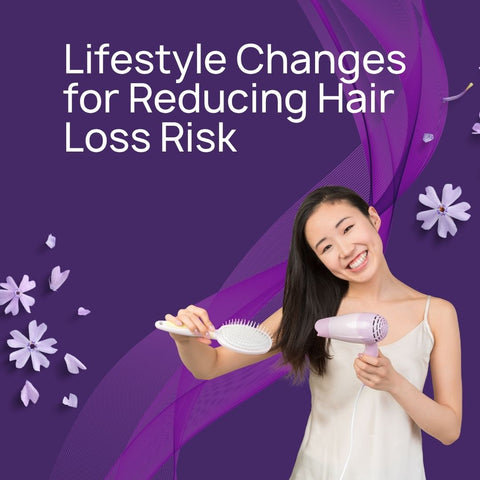
Hair loss can be such a distressing issue, but lifestyle changes can really minimize the risk and improve overall hair health. First and foremost, a balanced diet rich in essential nutrients like vitamins A, C, D, E, zinc, and iron plays a crucial role in supporting hair growth. Foods like leafy greens, nuts, eggs, fish, and fruits can nourish hair follicles and encourage healthy hair production. It is also essential to keep your scalp hydrated, because dehydration can cause dryness and reduce the hair.
Managing stress is another key factor in reducing hair loss. Chronic stress is known to trigger the release of hormones that can negatively impact the hair growth cycle. Relaxation techniques such as meditation, yoga, or deep breathing exercises can really help manage stress levels. Exercise not only promotes better circulation, which helps deliver oxygen and nutrients to the scalp, but also reduces stress, improving overall well-being.
Harmful hair practices should also be avoided. Limiting the use of heat styling tools, harsh chemical treatments, and tight hairstyles can prevent unnecessary damage to hair strands. Gentle hair care products that suit your hair type and avoid sulfates or alcohols can maintain scalp health and reduce hair breakage.
Getting adequate sleep is also crucial in repairing and growing hair. When people do not get sufficient sleep, the body's regenerative process can be interfered with, causing hair to fall off. Therefore, through these lifestyle changes, the risk of losing your hair can be greatly minimized while strengthening and healthy hair will grow.
Conclusion: Taking Control of Hair Health with Lupus
In conclusion, managing hair health with lupus demands an understanding of the disease, a focus on personal care, and the selection of the appropriate treatment strategies. A close collaboration between patients and healthcare providers may reduce the effects of lupus on the hair and help retain the self-esteem of an individual. Hair health care is, therefore, another vital element of well-being in people with lupus.