Unlocking the Secrets of Retinyl Palmitate in Skincare
Retinyl Palmitate is a popular skincare component due to its anti-aging benefits and ability to improve skin texture. Understanding its benefits, application, and potential adverse effects will allow you to incorporate it more successfully into your skincare routine.
Introduction to Retinyl Palmitate
Retinyl Palmitate is a popular skincare component known for its anti-aging and skin-renewing benefits. This introduction covers the basics of what Retinyl Palmitate is, how it works, and why it’s a valuable addition to your skincare routine.
What is Retinyl Palmitate?
Retinyl Palmitate is a Vitamin A derivative produced by mixing retinol (pure Vitamin A) with palmitic acid, a saturated fatty acid. This esterification process produces a more stable and less irritating version of Vitamin A than pure retinol, making it ideal for sensitive skin.
Differences Between Retinyl Palmitate and Retinol
Retinyl Palmitate and Retinol are Vitamin A derivatives that are commonly utilized in skincare due to their anti-aging and skin-renewing qualities. However, they differ in terms of structure, potency, and skin effect. Here's a full analysis to help you understand the differences and select the best option for your skincare needs.
Feature |
Retinyl Palmitate |
Retinol |
|
Structure |
Ester of retinol and palmitic acid |
Pure Vitamin A |
|
Potency |
Less potent, requires more conversion |
More potent, requires fewer conversion steps |
|
Skin Tolerance |
Milder, less irritating |
More likely to cause irritation |
|
Stability |
More stable, less prone to degradation |
Less stable, prone to oxidation |
|
Usage |
Suitable for sensitive skin and beginners |
Suitable for those needing stronger effects |
How Retinyl Palmitate Works on Skin
Retinyl Palmitate is a potent skincare component derived from Vitamin A that has been linked to improved skin health and anti-aging properties. Understanding how it works will help you appreciate its importance in your skincare routine and maximize its advantages. When Retinyl Palmitate is administered to the skin, it undergoes a sequence of transformations before becoming active:
-
Skin enzymes first convert Retinyl Palmitate into retinol.
-
Retinol is then oxidized to retinaldehyde.
-
Finally, retinaldehyde is converted into retinoic acid, the active form of Vitamin A that exerts biological effects on the skin.
This multi-step conversion process makes Retinyl Palmitate a gentler alternative to other retinoids, lowering the risk of irritation while still having positive effects.
Benefits of Retinyl Palmitate
Retinyl Palmitate, a Vitamin A derivative, is a prominent ingredient in many skincare products due to its multiple skin health and cosmetic benefits. Here are the major advantages of utilizing Retinyl Palmitate in your skincare routine:
1. Anti-Aging Properties: Retinyl Palmitate stimulates collagen production, reducing the appearance of fine lines and wrinkles. Collagen is a structural protein that maintains skin strength and elasticity. Retinyl Palmitate increases collagen and elastin production, which enhances skin firmness and elasticity, giving it a more youthful appearance.
2. Brightening and Even Skin Tone: Retinyl Palmitate regulates melanin production, reducing the appearance of dark patches and hyperpigmentation. This produces a more even skin tone and a brighter complexion. The chemical can help repair UV-induced skin damage, eliminating sun spots and other types of discoloration.
3. Smoother Skin Texture: Retinyl Palmitate promotes cell turnover by shedding dead skin cells and boosting the formation of new, healthy ones. This results in smoother, softer skin that has a more refined texture. It gently exfoliates the skin, clearing up pores and avoiding acne and blackheads.
4. Acne Treatment: Retinyl Palmitate promotes cell turnover and prevents clogged pores, which helps to lessen the frequency of acne breakouts. It also contains anti-inflammatory effects that can relieve and calm acne blemishes. Over time, higher cell turnover can help reduce acne scars and improve skin texture.
5. Antioxidant Protection: Retinyl Palmitate, a Vitamin A derivative, provides antioxidant qualities that protect the skin from free radicals. Free radicals are unstable chemicals that can lead to oxidative stress, accelerated aging, and skin damage. Its antioxidant capabilities also protect the skin from environmental contaminants and UV radiation, reducing skin damage.
6. Anti-Inflammatory Benefits: Retinyl Palmitate has anti-inflammatory properties that can help reduce redness, irritation, and inflammation in the skin. This makes it suitable for disorders such as rosacea and sensitive skin. The anti-inflammatory qualities help to calm and reduce acne outbreaks.
Anti-Aging Benefits
Retinyl Palmitate promotes collagen formation, increases cell turnover, and improves skin texture and tone, all of which have anti-aging benefits. Its gentler nature than other retinoids makes it ideal for a wide range of skin types, including sensitive skin. Incorporating Retinyl Palmitate into your skincare routine will help you attain smoother, firmer, and younger-looking skin, successfully battling the effects of aging.
Improving Skin Texture and Tone

Retinyl Palmitate is a useful substance for enhancing skin texture and tone since it promotes cell turnover, stimulates collagen formation, and regulates melanin. Incorporating it into your skincare routine will result in a smoother, brighter, and more even complexion. Regular use, together with adequate sun protection and hydration, will help you reap the most benefits of Retinyl Palmitate for healthier, more youthful-looking skin.
Reducing Dark Spots and Hyperpigmentation
Retinyl Palmitate, a Vitamin A derivative, is extremely helpful in treating skin discoloration, such as dark patches and hyperpigmentation. Here's a full look at how retinyl palmitate helps reduce dark spots and hyperpigmentation:
-
Regulating Melanin Production: Retinyl Palmitate regulates melanocytes, which produce melanin, the pigment that gives skin its color. Retinyl Palmitate can prevent melanin overproduction, which causes dark patches and hyperpigmentation, by regulating the activity of these cells. It also helps to inhibit tyrosinase, an enzyme involved in the formation of melanin, hence reducing excessive pigmentation.
-
Promoting Cell Turnover: Retinyl Palmitate accelerates cell turnover, causing old, pigmented skin cells to shed and new, uniformly pigmented cells to develop. This technique gradually fades existing dark spots, promoting a more even skin tone. Its exfoliating capabilities assist in eliminating the outer layer of dead skin cells, which can build and make hyperpigmentation more visible.
-
Stimulating Collagen Production: Increased collagen production contributes to the healing and rejuvenation of the skin, enhancing its overall texture and tone. This can help to minimize the appearance of black patches and other pigmentation anomalies.
Using Retinyl Palmitate in Your Skincare Routine

Retinyl Palmitate is a flexible and effective substance for boosting skin health, ranging from anti-aging to texture and tone. You can maximize its benefits for healthier, more radiant skin by carefully incorporating it into your skincare routine and according to best practices.
Selecting the Right Retinyl Palmitate Products
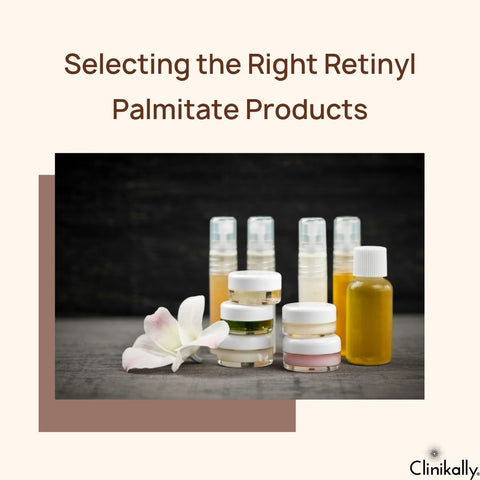
Choosing the correct Retinyl Palmitate product for your skincare routine requires an understanding of your skin type, specific skin conditions, and the product's formulation. Here's a guide to help you choose the best Retinyl Palmitate products for your requirements:
1. Determine Your Skin Type: Look for Retinyl Palmitate products that have moisturizing components like hyaluronic acid, glycerin, and ceramide. Creams and lotions are frequently more suitable for dry skin than serums. Use lightweight, non-comedogenic products like serums or gels. Avoid heavy moisturizers that might block pores. Choose balanced formulations that hydrate without becoming too heavy. Serums and mild creams can work effectively. Choose products with lower levels of Retinyl Palmitate and other soothing components such as aloe vera or chamomile.
2. Identify Your Skin Concerns: To reduce fine lines and wrinkles, seek products that contain Retinyl Palmitate, peptides, collagen boosters, and antioxidants. Products containing Retinyl Palmitate with skin-brightening chemicals such as Vitamin C, niacinamide, or alpha arbutin can help decrease dark spots and improve skin tone. Non-comedogenic formulations containing Retinyl Palmitate and anti-inflammatory compounds like salicylic acid or tea tree oil are useful. For optimal skin health, use products with a balanced formulation that promotes skin barrier function and moisture.
3. Formulation and Concentration: Beginners should start with products that have a lower concentration of Retinyl Palmitate to minimize the risk of irritation. Over time, you can move to higher concentrations as your skin builds tolerance. Typically more potent and suitable for targeting specific issues like wrinkles and pigmentation. Better for those needing additional hydration and those with sensitive skin. Good for oily and acne-prone skin as they are lightweight and less likely to clog pores.
4. Complementary Ingredients: Look for products that have moisturizing components such as hyaluronic acid, glycerin, or ceramides to combat any dryness. Vitamin C, E, and green tea extract can help protect against free radicals. Aloe vera, chamomile, and allantoin are all ingredients that can help soothe and relieve skin irritation.
5. Brand and Product Reviews: Select items from respected companies that are known for their high-quality skincare formulations. Read product reviews and testimonials to determine the effectiveness and potential negative effects of other users with comparable skin types and problems.
Best Practices for Application
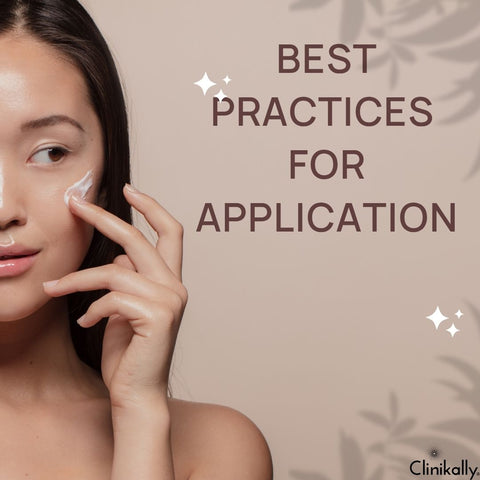
Applying Retinyl Palmitate appropriately is critical for maximizing its advantages while minimizing potential adverse effects including dryness or irritation. Here are the recommended practices for using Retinyl Palmitate in your skincare routine.
-
Start with Clean Skin: To get rid of debris, oil, and makeup, wash your face first with a gentle, non-irritating cleanser. This gets your skin ready to efficiently absorb the retinyl palmitate.
-
Apply a Pea-Sized Amount: Start by applying a pea-sized amount of the product's retinyl palmitate. Usually, this is enough to completely hide your face. Excessive use of the substance may irritate. It's best to begin cautiously and raise the dosage gradually as your skin allows.
-
Application at Night: The ideal time to apply retinal palmitate is at night as part of your skincare regimen. This enables it to function as your skin heals naturally overnight.
-
Moisturize After Application: After application, use a moisturizer to seal in moisture and guard against dryness. Choose a moisturizer that will work best for your skin type and enhance the benefits of retinyl palmitate. Give your skin time to absorb the Retinyl Palmitate completely before using a moisturizer. Usually, this requires a few minutes.
-
Avoid Eye Area and Lips: The delicate skin near the lips and eyes can be overly sensitive to Retinyl Palmitate. To avoid irritating these areas, avoid applying it directly there. Use a different eye cream or a retinoid formulation that is formulated with less strength specifically for the eye area.
-
Daytime Sun Protection: Always wear a broad-spectrum sunscreen with an SPF of 30 or higher during the day. Because retinal palmitate can make your skin more sensitive to sunlight, sunscreen is necessary to avoid pigmentation and sun damage. When exposed to the sun, think about donning hats, sunglasses, and skin-covering clothes.
-
Consistency is Key: The secret is to utilize Retinyl Palmitate consistently as part of your skincare routine if you want to reap its full benefits. Be persistent and patient since it may take a few weeks to see results. If you want to maintain a steady improvement in the texture and appearance of your skin, try not to skip applications.
-
Gradual Introduction and Adjustment: If you're not familiar with retinoids in general or Retinyl Palmitate in particular, start with a lesser concentration and increase the frequency of use gradually as your skin becomes more tolerant. Keep an eye out for any indications of redness, inflammation, or extreme dryness on your skin. Reduce the frequency of application or go to a milder formulation if these happen.
-
Avoid Harsh Products: Exercise caution when using Retinyl Palmitate with strong chemicals or other exfoliating agents (such as AHAs/BHAs). These may make skin more sensitive and irritate it. Allow your skin some time to react to Retinyl Palmitate and adapt. Depending on your unique skin type and issues, the results can differ.
Combining Retinyl Palmitate with Other Skincare Ingredients
Retinyl Palmitate can be usefully combined with other skincare components to effectively address a variety of skin issues. You may design a thorough skincare routine that optimizes the advantages of Retinyl Palmitate while fostering general skin health by using these suggestions to tailor your regimen to your unique needs and skin type. Prioritize soft and gradual product introduction at all times to reduce irritation risk and maximize outcomes.
Safety and Precautions with Retinyl Palmitate
Retinyl Palmitate, a vitamin A derivative, has several benefits for skincare, but it must be used carefully to prevent any negative effects. This is a thorough tutorial on safety precautions to take when using Retinyl Palmitate in your beauty regimen:
-
Patch Test: Do a patch test on a small area of skin (such as the inner forearm) before applying Retinyl Palmitate to your face to check for any adverse effects, such as redness, itching, or swelling. Await any indications of sensitivity for 24-48 hours.
-
Formulation Type: Select a formulation based on your skin type and issues. While serums are more concentrated and appropriate for oily or acne-prone skin, creams and lotions are typically kinder to dry or sensitive skin.
-
Concentration: If you're new to retinoids, start with a lower concentration of Retinyl Palmitate (e.g., 0.1-0.5%). As your skin becomes more tolerant, progressively increase your concentration.
-
Gradual Introduction: Start by taking Retinyl Palmitate two to three times a week, and when tolerated, increase the frequency to every other night or every night.
-
Monitor Skin Response: Pay attention to how your skin reacts. If you suffer excessive dryness, redness, or peeling, reduce your use or temporarily discontinue until your skin adjusts.
-
Evening Application: Use Retinyl Palmitate as part of your overnight skincare routine. This permits it to function overnight while your skin is in the reparative phase.
-
Amount: To avoid irritating, apply a pea-sized amount to the entire face.
-
Daytime Use: Retinyl Palmitate can make the skin more sensitive to sunlight, increasing the risk of sunburn and pigmentation. Even on cloudy days, use a broad-spectrum sunscreen with an SPF of 30 or higher.
-
Exfoliating Agents: Limit the use of other exfoliating agents (e.g., AHAs, BHAs) or harsh skincare products while using Retinyl Palmitate. Alternate their use on different days to prevent over-exfoliation and irritation.
-
Benzoyl Peroxide: Avoid combining Retinyl Palmitate with benzoyl peroxide, as this combination can cause excessive dryness and irritation.
-
Sensitive Areas: Avoid applying Retinyl Palmitate directly to the delicate skin around the eyes, lips, and corners of the nose. These areas are more sensitive and prone to irritation.
-
Hydrating Products: Follow the Retinyl Palmitate application with a moisturizer to replenish hydration and support the skin barrier. Look for moisturizers containing soothing ingredients like ceramides, hyaluronic acid, or niacinamide.
-
Individual Advice: If you have sensitive skin, existing skin conditions, or concerns about using Retinyl Palmitate, consult with a dermatologist or skincare professional. They can provide personalized recommendations and guidance tailored to your skin's needs.
-
Precautions: Avoid using Retinyl Palmitate or other retinoids if you are pregnant or breastfeeding, as they may pose risks to the developing fetus or infant. Consult with your healthcare provider for safer alternatives.
Potential Side Effects
When using Retinyl Palmitate in skincare, there are certain potential adverse effects to be aware of, particularly if it is not used correctly or if your skin is sensitive. Here's a detailed look at probable side effects and how to handle them, including dryness and flaking, irritation and redness, sun sensitivity, increased breakouts (purging), peeling and sensitivity around the eyes, and allergic reactions. By following these suggestions and changing your skincare routine as appropriate, you can reduce adverse effects while increasing the advantages of Retinyl Palmitate for healthier, smoother skin.
Tips for Minimizing Irritation
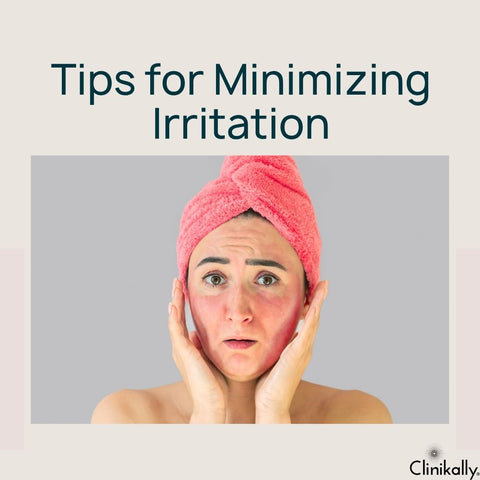
Minimizing discomfort when using Retinyl Palmitate in your skincare routine is important for maintaining skin health and comfort. To decrease irritation and maximize the advantages of Retinyl Palmitate, start with a low concentration, use a pea-sized amount, moisturize regularly, apply Retinyl Palmitate correctly, alternate nights, sun protection, avoid harsh products, and be patient and consistent. By following these guidelines and changing your skincare routine as appropriate, you can reduce irritation while efficiently introducing Retinyl Palmitate into your regimen. To achieve the best outcomes while maintaining skin comfort and health, prioritize gentle skincare techniques, proper hydration, sun protection, and progressive introduction.
Consulting a Skincare Professional

Consult a skincare specialist, such as a dermatologist or esthetician, before using Retinyl Palmitate or any new skincare product, especially if you have specific issues or sensitive skin. Here's why and how to talk to a skincare professional:
1. Personalized Assessment: A skincare professional can evaluate your skin type, existing conditions (e.g., acne, rosacea), and specific issues. They can make personalized recommendations based on your medical history, prescriptions, allergies, and previous skincare product experiences.
2. Product Recommendations: Skincare professionals can propose products with Retinyl Palmitate or other compounds that are appropriate for your skin type and needs. They can recommend formulas with suitable dosages and combinations to reduce potential discomfort or bad reactions.
3. Application Instructions: Make sure you understand how to correctly administer Retinyl Palmitate in your skincare routine, including the frequency, dosage, and timing. They can help you change your regimen based on how your skin reacts and how to combine Retinyl Palmitate with other skincare products.
4. Monitoring Progress: Skincare professionals can track your skin's reaction to Retinyl Palmitate over time to ensure it is effectively resolving your concerns while causing no harm. They can help you navigate the adjustment phase as your skin adjusts to Retinyl Palmitate, giving recommendations for any necessary modifications.
5. Safety and Precautions: If you are pregnant, breastfeeding, or have a special medical condition, they can recommend safe alternatives or precautions when using Retinyl Palmitate. Help manage any adverse effects, such as dryness, irritation, or sensitivity, and offer solutions or alternate therapies as needed.
Transformative Results with Retinyl Palmitate: Real Stories
Some general points based on common experiences and skincare expertise include improved skin texture, reduced hyperpigmentation, increased radiance, acne minimization, and anti-aging benefits. While individual experiences may differ, these points illustrate the basic benefits and cautions for utilizing Retinyl Palmitate in skincare regimes. Consulting with skincare professionals or reading community evaluations can provide helpful ideas and real-life anecdotes.