


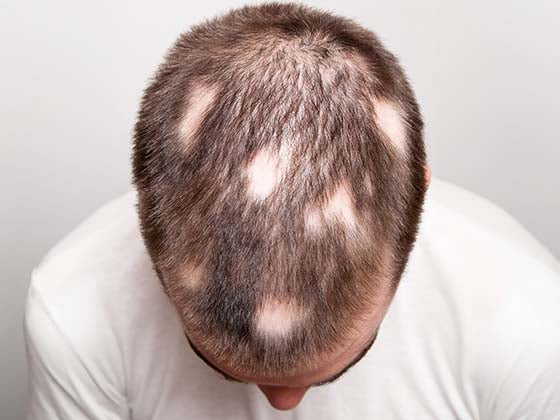



Leprosy, commonly known as Hansen's sickness, is one of the first documented infectious diseases in human history. It was once feared and stigmatized, but it is now rare, treatable, and considerably less contagious than most people realize. In this article, you will learn about its causes, symptoms, skin consequences, and contemporary therapies.
What is Leprosy? A Modern Understanding of an Ancient Disease

Leprosy is a persistent, progressive bacterial infection caused by Mycobacterium leprae. It primarily affects the nerves in the extremities, the skin, the nasal lining, and the upper respiratory system. Leprosy is sometimes called Hansen's disease. Hansen's illness leads to skin ulcers, nerve damage, and muscle weakness. If not treated, it can result in serious disfigurement and impairment. Hansen's illness is one of the earliest diseases ever recorded. The first known written mention of Hansen's illness dates back to roughly 600 B.C. Hansen's illness is widespread in many nations, particularly those with tropical or subtropical climates. It is rather uncommon in the United States.
The Causative Agent: Mycobacterium leprae and Its Behavior in the Body

Leprosy, often known as Hansen's disease, is caused by the slow-growing bacteria Mycobacterium leprae. Unlike most bacteria, M. leprae possesses distinct biological features that enable it to infect specific areas of the human body while eluding the immune system. Understanding how this microbe operates is critical for detecting, treating, and preventing leprosy.
-
Entry point: Typically through prolonged contact with respiratory droplets from an untreated infected person.
-
Initial infection: M. leprae colonizes the nasal mucosa or skin before moving on to Schwann cells, which protect nerves.
-
Nerve invasion: The bacteria's predilection for Schwann cells lets it to multiply within nerve tissue, produce nerve injury and inflammation, and cause numbness, paralysis, and deformity if ignored.
-
The immune response varies by individual: Some people mount a powerful cell-mediated immune response, confining the disease to a few skin patches (tubercular leprosy). Others develop a weakened immune response, which allows for extensive infection (lepromatous leprosy).
Misconceptions and Stigma: Why Leprosy Is Still Misunderstood

Leprosy is not a disease of the past, but the stigma attached to it should be. By replacing fear with facts and exclusion with empathy, we can ensure that no one suffers in silence or humiliation because of a condition that is treatable, manageable, and widely misunderstood.
Historical Overview: From Ancient Records to Modern Medicine

Leprosy's story is one of social and cultural evolution as well as medical adventure. Understanding its history, from divine retribution to bacterial illness, exile to healing, allows us to break the stigma and focus on early, compassionate care for all those affected today.
Recognizing Leprosy: Signs, Symptoms, and Skin Manifestations

Leprosy, progresses slowly and can sometimes go undetected for months or even years. Early identification is critical for preventing long-term nerve damage and impairment. Understanding the visual signs and symptoms, particularly those involving the skin and nerves, is critical for appropriate diagnosis and treatment.
-
Leprosy is a slow-progressing infection with early symptoms visible on the skin and nerves.
-
Numb, pale skin patches are an important early indicator.
-
Prompt diagnosis and treatment can help you avoid complications and stop transmission.
-
Leprosy is not highly contagious, and the treatment is both free and effective.
Early Skin Changes: Patches, Numbness, and Discoloration

Leprosy typically begins with minor skin changes that appear harmless, but recognizing them early can be life-changing. These symptoms typically appear before any severe nerve damage occurs, making early detection the best defense against long-term disability.
-
Skin patches (the first obvious clue): Flat or slightly raised patches on the skin that are normally lighter than your normal skin tone (hypopigmentation) and may be reddish or copper-colored in some cases. These patches usually appear in cooler parts of the body, such the arms and legs, buttocks, face or ears, trunk, or back. These patches do not itch, sting, or peel, making them easy to miss.
-
Numbness (the most noticeable symptom): Leprosy damages peripheral nerves in the skin, resulting in sensory loss that often begins in the affected areas. The patch may be numb to light touch, pain, or heat. People may fail to notice hot goods or minor injuries in particular areas. Damaged sweat glands are the most common cause of sweating loss in patches.
-
Discoloration (Skin Tone Changes): Discoloration varies according to skin tone and type of leprosy, with light-skinned people experiencing pale or pink patches, darker skin patches appearing ashy, coppery, or light brown, and advanced cases exhibiting shiny, dry skin over the affected area with no hair growth. Dry skin and hair loss are early signs of nerve damage to the sweat glands and hair follicles.
-
Early signs matter: Early warning symptoms are critical since they can lead to obvious anomalies, progressive nerve injury, and irreversible incapacity. However, when leprosy is discovered early, treatment is straightforward and successful, such as a course of multidrug therapy (MDT), which can cure the disease and keep it from spreading or worsening.
Neurological Effects: Nerve Damage and Sensory Loss

Leprosy's nerve consequences are first silent but become significant over time. The sooner it is recognized, the better the result. Numb skin areas and unexplainable weakness should not be overlooked. People with leprosy can live full, active lives if they receive proper treatment and care.
Advanced Symptoms: Facial Swelling, Deformities, and More

If leprosy is not treated, the disease can advance beyond skin patches and numbness, causing more severe, obvious, and life-threatening symptoms. These severe signs are frequently the result of persistent nerve damage, chronic infection, and the immune system's reaction to Mycobacterium leprae.
-
Facial changes and swelling: Facial edema (swelling) is a common early indication of lepromatous leprosy and can affect the eyelids, cheeks, lips, and forehead. It is caused by inflammation, bacilli infiltration, and fluid retention. Facies (leonine facies) are thickening skin patches on the face and forehead, as well as deep furrows between swollen areas, which are typical in long-standing lepromatous leprosy.
-
Visible deformities and functional impairment: Untreated nerve damage can cause progressive deformities, particularly in the hands, feet, and face.
-
Eye complications: Leprosy can cause severe eye damage, especially if the face or trigeminal nerves are involved. Common issues include lagophthalmos (inability to close the eyelids, exposing the eye), chronic dryness and irritation, corneal ulcers, and blindness as a result of untreated injury or secondary infection.
-
Nasal and oral changes: Bacilli frequently multiply in the nasal mucosa in patients of leprosy. Symptoms may include chronic nasal stuffiness or discharge, nosebleeds, nasal bridge collapse (saddle-nose deformity), and ulcers or crusting inside the nose and mouth.
-
Systemic and immune reactions: In more advanced or unstable cases, the body may respond with leprosy reactions, which can worsen the disease. In borderline cases,
-
Type 1 Reaction (Reversal Reaction): causes sudden swelling, redness, and pain in existing lesions, and new nerve damage can develop rapidly.
-
Type 2 reaction (erythema nodosum leprosum or ENL): in lepromatous leprosy is characterized by painful red nodules on the skin, fever, joint pain, and malaise, and it can affect the eyes, testes, and lymph nodes. These are medical emergencies that require immediate corticosteroid therapy.
-
-
Psychosocial and emotional impact: Stigma and isolation due to visible deformities or misinformation, depression and anxiety, difficulty finding employment or support and Reduced quality of life if not properly treated or rehabilitated
Treatment of Leprosy: Scientific Advances and Therapeutic Approaches

Leprosy is now completely curable thanks to decades of medical advances. Treatment options center on eradicating the causing germs (Mycobacterium leprae), minimizing nerve damage, regulating immunological reactions, and rehabilitating patients. Leprosy treatment options include first-line multidrug therapy (MDT), treating leprosy reactions, nerve damage and handicap management, scientific discoveries and new frontiers, and psychological and community-based care.
Multi-Drug Therapy (MDT): The WHO-Recommended Protocol

Leprosy, which was previously a dreaded and stigmatized disease, is today completely curable with the correct therapy. In 1981, the World Health Organization (WHO) launched Multi-Drug Therapy (MDT) to efficiently treat leprosy while preventing drug resistance. Since then, MDT has been the global standard for treating all types of the disease.
Researchers are working on the following:
-
Reduce treatment time with newer rifamycins (e.g., rifapentine).
-
Improve diagnostics for earlier detection.
-
Develop prophylaxis programs for patients' contacts.
Treatment Duration and Monitoring: What to Expect

When diagnosed with leprosy, starting treatment with Multi-Drug Therapy (MDT) is an important step toward recovery. While MDT is extremely effective, understanding the timeframe, monitoring procedures, and expected outcomes helps patients stay informed, motivated, and safe throughout their healing process.
-
Don't cut short the MDT course—complete it all!
-
Early reporting of symptoms, particularly nerve pain or new skin changes, is recommended.
-
With regular checkups, most patients recover completely and resume normal life.
-
After a few initial MDT doses, the patient is no longer infectious.
Managing Leprosy-Related Inflammation and Skin Recovery

Even when Mycobacterium leprae is eradicated by Multi-Drug Therapy (MDT), many patients continue to endure inflammation, nerve discomfort, and skin problems. These are not indications of therapy failure, but rather aspects of the body's complicated immunological response. Effective inflammation management is critical for avoiding nerve injury and deformity while also encouraging healthy skin repair.
-
Understanding leprosy-related inflammation: Leprosy causes immunological responses during and after therapy. Many of the disease's problems result from these reactions: Reversal Reaction This occurs when the immune system "wakes up" and targets diseased skin or nerves. Most prevalent in borderline forms of leprosy. Symptoms include redness, swelling in previous lesions, nerve discomfort, and loss of function. Erythema Nodosum Leprosum (ENL) elicits a more widespread inflammatory response. Seen in multibacillary instances. Symptoms include painful nodules, fever, joint discomfort, malaise, and, on occasion, eye or testicular irritation.
-
Anti-inflammatory treatment options: Corticosteroids are the first-line treatment for nerve discomfort, edema, and skin inflammation. Dosages are tapered over weeks or months. It maintains nerve function and reduces inflammation. Thalidomide is excellent at reducing nodules and systemic symptoms. Strictly regulated due to the possibility of birth abnormalities. Only used with supervision and in non-pregnant people. Clofazimine (high dose) is already included in MDT but can be enhanced in ENL for further anti-inflammatory effects.
-
Skin recovery following treatment: Lesions disappear slowly, and pigmentation might take months or years to correct. Thickened areas should flatten, and some scarring or hypo-/hyperpigmentation may persist indefinitely. To avoid dryness, cracking, and ulcers, clean your skin gently with mild soap and moisturize on a daily basis. Avoid severe sun exposure to reduce pigmentation concerns.
-
Preventing consequences of skin and nerve inflammation: Self-check daily for wounds, ulcers, or burns (particularly on the hands and feet); wear protective footwear with cushioned insoles; and keep an eye out for loss of warmth or touch sensations.
-
Reconstructive and supportive therapies: Reconstructive and supportive therapies include surgical repair for claw hand, foot drop, or eyelid closure; physiotherapy and occupational therapy to preserve function; and cosmetic dermatologist to address scars or pigmentation (optional after complete treatment).
Skincare and Support: Living Well with Leprosy Today

Leprosy can be cured, but maintaining a healthy life requires more than just treatment. Individuals suffering from leprosy can live healthy, empowered, and fulfilling lives with the proper care, support, and information.