Teledermatology: What Makes a Virtual Skin Consult Effective?
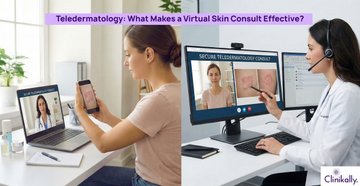
The digital age has changed almost all aspects of the healthcare sector, and dermatology is not an exception. There are gone the days when patients were required to wait weeks before an appointment or cover long distances to see a specialist. Teledermatology, which is the practice of dermatology care using virtual platforms, is now an easy, fast, and convenient answer to a broad spectrum of skin issues.
As more patients seek virtual dermatology consultations, websites such as Clinikally are connecting patients with highly qualified dermatologists. Virtual skin doctors are becoming a new trend in the treatment of acne and chronic skin conditions among many. But what is the effectiveness of a virtual skin consult, and how does it compare to standard in-person visits?
The article goes into the depths of the digital dermatology online consultation, its advantages, limitations, cost-related issues, and the future of telehealth in dermatology.
Understanding Teledermatology in Modern Skin Care
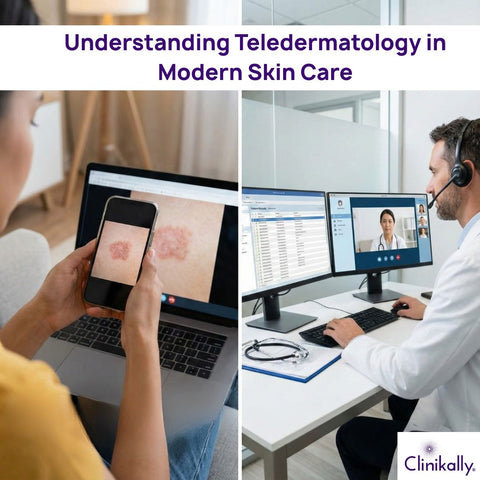
Teledermatology, which provides quick, easy, and professional dermatological assistance without the need for clinic visits, has grown to be an essential component of today's skin care environment. More people are using virtual consultations for everything from chronic skin disorders to acne care as digital health tools continue to advance. By bridging the gap between patients and experts, this cutting-edge method makes high-quality skin care more accessible, effective, and customized than it has ever been.
What Is Teledermatology and How Does It Work?

Teledermatology is a discerning area of telemedicine through which patients can be connected with licensed dermatologists using digital technology. Rather than patients visiting a clinic, they may do so through safe online systems through their smartphone, tablet, or computer. This innovation will be able to fill this gap between the patient and the dermatologist, accessing skin care more conveniently and effectively in terms of time.
Here’s how the process typically works:
-
Booking an Appointment: Patients start by booking an online appointment in a safe portal or an application on their phone. Most of the sites enable you to book instantly or on the same day, eliminating the waiting time in a conventional clinic visit.
-
Sharing Medical History: Before the consultation, patients are normally requested to give pertinent medical information, such as health history, current medications, allergies, and specific symptoms. This background data assists a dermatologist in having a clearer picture of the situation with a skin problem.
-
Uploading Images or Joining a Video Call: In image-based teledermatology, patients upload high-quality photographs of the affected area under good lighting. Video consultations: when video-consulting patients in dermatology, the doctor and the patient are able to conduct the assessment in real time, with the doctor being able to request closer shots or ask questions that follow the initial examination.
-
Remote Diagnosis and Treatment Plan: A dermatologist thoroughly reviews the information presented, photographs, videos, and medical history of the patient, and then makes a diagnosis. They then prescribe treatment alternatives, which could be in the form of prescription drugs, skin care, or a change of lifestyle. Follow-up appointments are made, and e-prescriptions are given online when required.
Types of Teledermatology Consultations Available
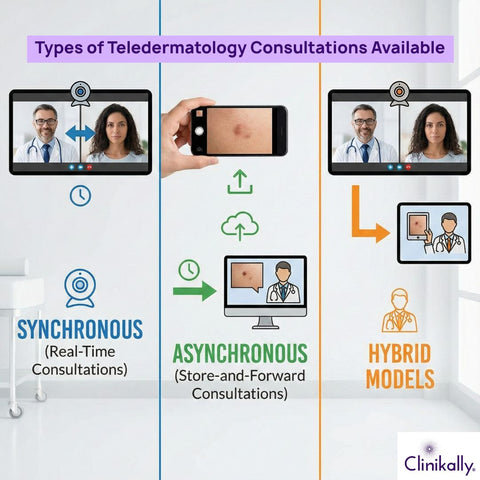
Online patients have a variety of choices to make on demand, urgency, and convenience in terms of access to dermatology care. Teledermatology sessions broadly can be divided into two key classes: synchronous and asynchronous, with increasing interest in hybrid varieties that take the best of each.
1. Synchronous (Real-Time Consultations)
Synchronous consultations are the closest virtual alternative to an in-person dermatology visit. These are conducted through live video calls, allowing patients and dermatologists to interact in real time.
-
How it works: Patients schedule an appointment and connect with the dermatologist over a secure video platform at the designated time.
-
Key benefits: This method enables immediate interaction, where the dermatologist can ask follow-up questions, examine the skin through video, and suggest treatment options on the spot.
-
Best suited for: Urgent or acute skin concerns such as sudden rashes, allergic reactions, flare-ups of chronic conditions (like psoriasis or eczema), or any situation where immediate guidance is required.
2. Asynchronous:
Asynchronous consultations, also known as the store-and-forward model, take place without the need for live interaction. Instead, patients share their skin images, medical history, and description of symptoms through an app or online platform.
-
How it works: Patients upload clear photographs of the affected skin area along with details like when the issue started, any prior treatments used, and relevant medical history.
-
Key benefits: Dermatologists can review this information at their convenience and provide a detailed diagnosis and treatment plan. This saves time for both parties and reduces the need for scheduling.
-
Best suited for: Non-emergency cases, ongoing monitoring of chronic conditions like acne, follow-ups after starting treatment, or when patients have busy schedules that make live calls difficult.
3. Hybrid Models
With advancements in telemedicine, hybrid teledermatology models are becoming increasingly popular. These combine the strengths of both synchronous and asynchronous consultations.
-
How it works: A patient may begin with an online consultation (asynchronous) by sharing their skin images and history. Based on the dermatologist’s assessment, a follow-up real-time video consultation may be scheduled if additional discussion or closer examination is needed.
-
Key benefits: Patients get the flexibility and convenience of digital care while also retaining the option of face-to-face interaction (virtually or in person) when necessary.
-
Best suited for: Long-term treatment journeys such as acne, pigmentation disorders, or hair loss, where patients need continuous support and occasional in-depth consultations.
Common Skin Conditions Treated Through Virtual Care
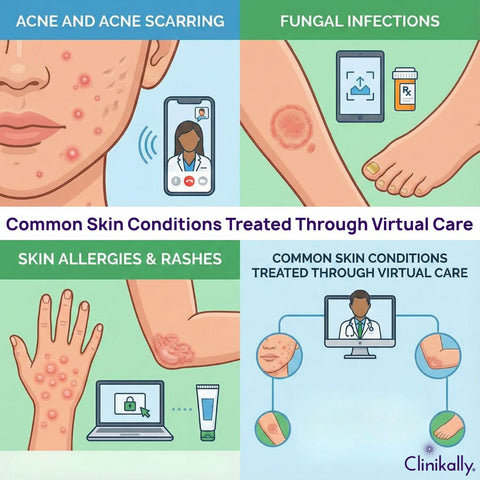
Remote dermatology services are now an irreplaceable element of contemporary medicine, which means that individuals can now get quality skin care without leaving their homes. Dermatologists are able to diagnose and treat a great number of skin, hair, and nail conditions using secure video calls and quality sharing of images. The list of the most widespread skin issues that can be successfully addressed with the help of teledermatology is as follows:
-
Acne and Acne Scarring: One of the most common causes that makes people use online dermatology care is acne. It could be pimples of a mild nature, blackheads that just refuse to go away, or serious cystic acne. Virtual consultations are more convenient to allow quick access to treatment. A dermatologist is able to review photographs of your skin, determine the kind and severity of acne, and prescribe the most appropriate treatment, including topical creams, oral contraceptives, or other advanced therapies.
-
Eczema and Dermatitis: Eczema (atopic dermatitis) and other types of dermatitis may need regular check-ups and a change of lifestyle. With virtual care, patients can share updates on flare-ups, changes in symptoms, or reactions to new products. Dermatologists are able to make changes in treatment plans very fast, such as prescribing medicated creams, prescribing moisturizers, or determining potential triggers such as soaps, fabrics, or foods. The frequent use of follow-up online assistance in the prevention of a severe flare-up and in the long-term control of the condition.
-
Psoriasis: Psoriasis is an autoimmune disease that is chronic and usually requires long-term management. In teledermatology, patients will be able to monitor their condition by uploading images of the impacted sites and talking about the symptoms, such as scaling, itching, or redness, through an online session. Ongoing therapies (topical therapy, oral therapy, or biologic injections) can be recommended by dermatologists.
-
Fungal Infections: Nail, hair, and skin fungal infections are not only uncomfortable but also highly contagious if left untreated. Using virtual care, dermatologists will be able to diagnose a discolored nail, rash, or scalp infection and offer treatment options. Antifungal tablets may be prescribed on a need basis, oral antifungal tablets, antifungal creams, or antifungal shampoos. Teledermatology prevents infections at an early stage and contributes to healing skin and nails more quickly.
-
Hair Loss (Alopecia): It is an increasing worry among women and men to lose their hair. Through teledermatology, the patient will be able to send photographs of their scalp and have a thorough assessment of their potential causes, such as androgenetic alopecia, stress-related hair loss, or nutritional deficiencies. Topical oral drugs, dietary supplements, or lifestyle changes are some of the tailored treatments that dermatologists can recommend.
-
Skin Allergies & Rashes: Reactions of skin allergies and rash can be startling, and they usually manifest without warning. Virtual dermatology gives patients real-time professional consultation, whether the rash is caused by insect bites or allergic reactions, or insecticides such as cosmetics and laundry products.
The Benefits of Teledermatology for Patients and Doctors

By providing quicker, simpler, and more convenient consultations than typical clinic visits, teledermatology has completely changed the way skin care is provided. Long wait periods are eliminated, travel is minimized, and prompt treatment is guaranteed by linking patients and dermatologists via safe digital platforms. It improves patient follow-ups, expedites workflows for physicians, and increases access to treatment across geographical boundaries. When combined, these benefits make teledermatology a potent remedy for contemporary skin-health issues.
Convenience and Accessibility in Skin Care
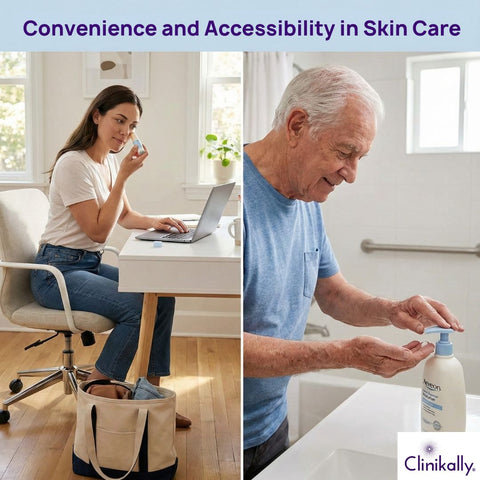
The unparalleled accessibility of online visits with the dermatologists is one of the strongest benefits of the latter. Patients no longer have to drive miles to visit a dermatologist, stand in line at a busy clinic, or plan their time schedules: they can make an appointment with a dermatologist in their living rooms. This is particularly useful for individuals who have several commitments because teledermatology is not restrictive to contemporary living.
-
The patients are able to make consultations at convenient times without interfering with work, studies, and family life.
-
There is no need to spend hours commuting and waiting in line.
-
Follow-up appointments may also be made online, where continuity of treatment is not a problem.
-
The treatment of dermatology is made more patient-centered and time-saving.
Cost-Effectiveness and Time Savings
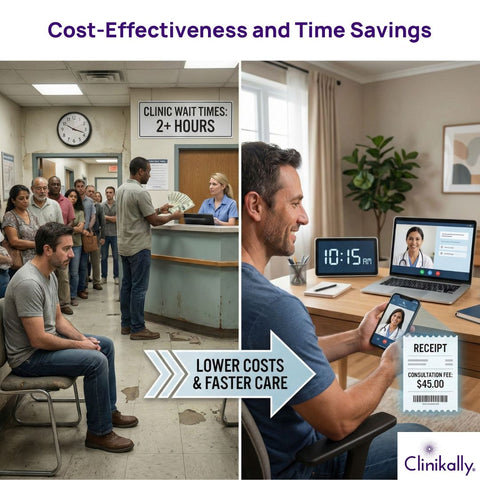
Teledermatology not only saves effort but also significantly reduces costs. Compared to traditional in-person visits, digital consultations are more affordable and remove several hidden expenses that patients often overlook. At the same time, doctors benefit from streamlined operations, making healthcare more efficient for everyone.
-
Patients save money on travel costs, fuel, or transportation.
-
No need to take leave from the office or college, avoiding productivity loss.
-
Online consultations often come with lower consultation fees compared to physical visits.
-
Studies reveal that virtual dermatology care can cut down healthcare costs by up to 30%.
Improving Dermatology Access for Remote Areas
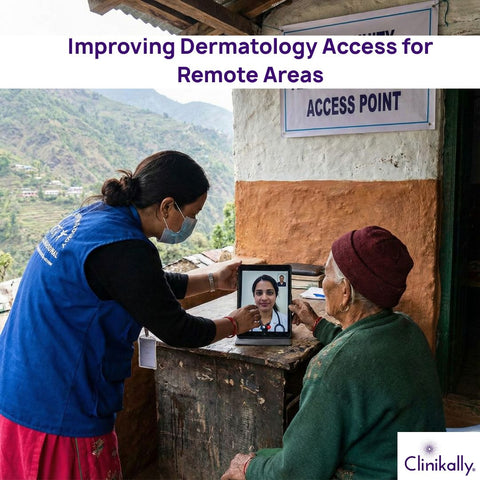
Dermatology access is unequal across the board and particularly in rural and underserved locations. To a larger extent, teledermatology is a game-changer since it eliminates geographical limitations and brings quality skin care to all parts of the country. It could be a farmer in a small town or a student in a hostel; the digital platforms open the doors to all people, as they can now consult experienced dermatologists without any restrictions.
-
Patients in rural areas no longer need to travel to big cities for specialized care.
-
Dermatology telemedicine ensures that even remote communities get timely treatment.
-
Platforms like Clinikally make expert dermatologists available to patients regardless of location.
-
This democratization of healthcare improves both accessibility and equity in skin care.
Comparing Teledermatology and Traditional Dermatology Visits
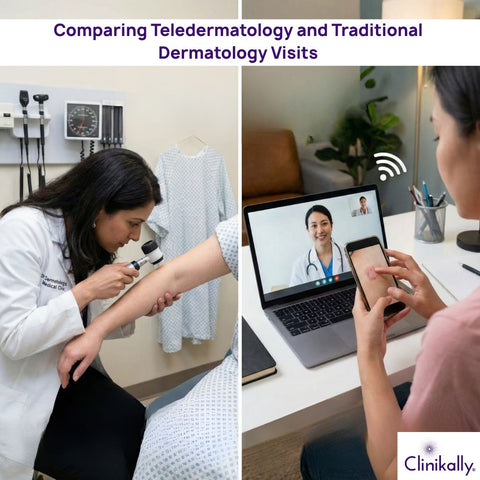
The way patients receive dermatological care has changed due to advancements in digital health, and teledermatology is becoming a more and more common substitute for traditional in-person consultations. Understanding how virtual consultations stack up against traditional clinic-based sessions in terms of convenience, accuracy, patient experience, and clinical efficacy is crucial as they grow more prevalent. We can better understand when teledermatology is most helpful and when in-person assessment is still necessary for the best possible skin health by looking at both methods.
Advantages of Virtual Consultations Over In-Person Visits

When comparing teledermatology vs. in-person care, virtual consultations bring several unique advantages that are hard to ignore.
-
Faster Appointments: Long waiting times are one of the greatest frustrations of patients in conventional dermatology clinics. There is a loss of useful time between getting an appointment, commuting, and waiting in a congested waiting room. Virtual dermatology changes this entirely; patients can often book a consultation within days or even hours. Not only does this speed alleviate anxiety in people who may be concerned about skin conditions, but it also treats individuals at an earlier age, which in many cases can be the key to better results.
-
Lower Costs, Savings on Travel and Consultation Fees: Cost is another major factor. Face-to-face dermatology visits usually involve costs such as transportation and fuel costs, or even bus costs and lost work time. Teledermatology does away with the majority of these overheads. Professional skin care is also affordable to a broader population because many online consultations cost less than visits to a traditional clinic.
-
Accessibility: Healthcare is frequently determined by geography. In rural or remote places where there are few dermatologists, commuting to an urban centre can take hours or even days. The barrier is eliminated with virtual dermatology since any person who has access to the internet has access to expert care. Healthcare disparities can be overcome by giving patients in underserved areas the same quality of advice as a person in a metropolitan hub.
-
Discreet and Comfortable: It may be awkward to talk about skin problems such as acne, eczema, fungal infections, or hair loss in a face-to-face interaction. Virtual consultations are less judgmental and more personal. Patients usually feel comfortable enough to talk about embarrassing or personal skin issues when they are in the comfort of their own homes. This feeling of privacy promotes honesty, which enhances the results of diagnosis and treatment.
Limitations and Challenges to Be Aware Of
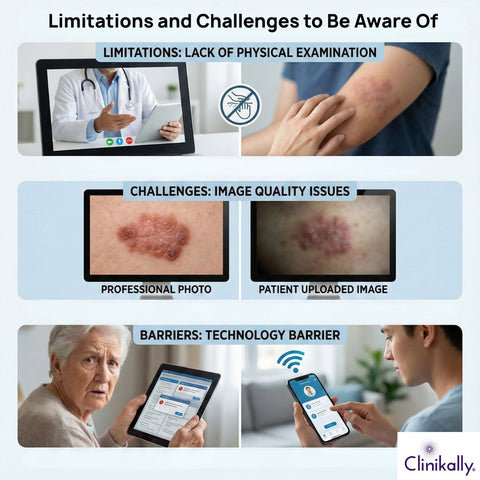
While the advantages of teledermatology are significant, it is equally important to understand its limitations.
-
Lack of Physical Examination: Certain skin conditions require more than a visual evaluation. In-person visits allow dermatologists to physically examine the skin, perform tests, or conduct procedures like biopsies, cryotherapy, or mole removals. These cannot be replicated virtually. Thus, while teledermatology is excellent for initial assessments and follow-ups, it has limitations in treating complex conditions that demand direct intervention.
-
Image Quality Issues: Virtual consultations depend heavily on the quality of images or videos provided by patients. Blurry photos, poor lighting, or low-resolution cameras can impact diagnostic accuracy. Dermatologists may request multiple images from different angles, but even then, certain details might not be captured as effectively as they would during an in-person evaluation.
-
Technology Barrier: Not all patients are equally equipped to take advantage of telehealth. Elderly individuals may struggle with navigating apps or uploading photos. Similarly, people with poor internet connectivity face disruptions that make consultations less effective. Unless these barriers are addressed, a segment of patients may remain excluded from the benefits of teledermatology.
-
Data Privacy Concerns: Healthcare is built on trust, and with virtual consultations, safeguarding personal data becomes critical. Patients need assurance that their medical images and health history are stored securely. Teledermatology providers must use encrypted platforms and comply with healthcare data regulations (such as HIPAA in the US or similar laws in other regions) to maintain patient confidence.
Teledermatology vs. In-Person Care for Skin Conditions
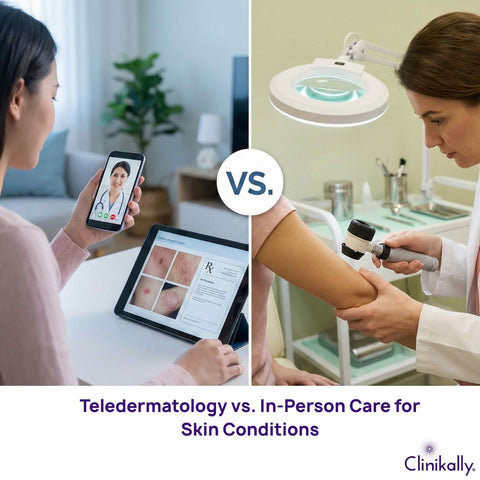
Not all skin conditions are equally suited for virtual care. Teledermatology works best for conditions that can be diagnosed visually, such as:
-
Acne
-
Rashes
-
Eczema
-
Psoriasis flare-ups
-
Fungal infections
-
Hair loss and scalp conditions
For these issues, online consultations are often just as effective as in-person visits, provided patients share clear, high-quality photos.
However, complex or high-risk cases require in-person evaluation, especially when there is suspicion of:
-
Skin cancers or suspicious moles
-
Rare or atypical rashes
-
Severe allergic reactions
-
Infections requiring immediate drainage or procedures
This is where the hybrid care model will play a decisive role. A teledermatology consultation will enable patients to begin with a primary evaluation, primary treatment, or prescriptions. In case of the necessity of additional intervention for the condition, they can be referred to an in-person visit. This combination will make the process of telehealth more convenient without causing any neglect of the extensive treatment offered by conventional dermatology.
The Future of Skin Care Through Virtual Consultations
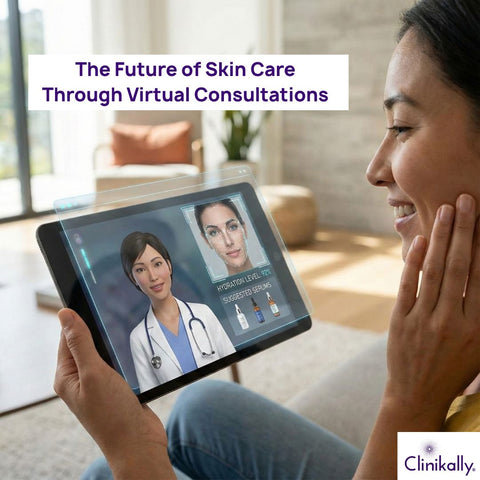
The future of dermatology and telehealth is fast changing, and the prospects look promising to change the way the world approaches skin care. Online dermatology has never been more accurate, accessible, and patient-centered than it is now due to breakthroughs in AI-driven diagnostics, new imaging, and digital prescription systems.
Here’s a closer look at what lies ahead:
-
AI-Powered Diagnosis: Artificial intelligence will play a pivotal role in the future of skin care. Sophisticated algorithms will be able to analyze high-resolution images of the skin in seconds, detecting early signs of acne, psoriasis, eczema, skin infections, or even skin cancer. This means patients could receive near-instant assessments, reducing the need for repeated in-person visits and helping dermatologists focus on complex cases that require deeper expertise.
-
Integrated Skin Health Apps: The Digital health platform will evolve into comprehensive skin management hubs. These apps will not only connect patients with dermatologists for virtual consultations but also provide personalized skincare routines, product recommendations, lifestyle guidance, and progress tracking. Imagine an app that adjusts your skincare plan based on seasonal changes, stress levels, or even local pollution data.
-
Wearable Skin Sensors: Wearable technology will go beyond fitness tracking. Future skin sensors could monitor hydration levels, UV exposure, and flare-ups of chronic skin conditions like eczema or psoriasis in real time. This data can then be shared directly with dermatologists, allowing them to proactively adjust treatment plans before issues escalate.
-
Global Accessibility: Perhaps the most significant change will be the democratization of dermatology. Telehealth platforms will break down geographic and economic barriers, giving people in remote or underserved areas access to high-quality skin care. Patients from rural villages to bustling cities will be able to consult leading dermatologists worldwide, ensuring that expert advice is just a click away.
Final Thoughts
Teledermatology has ceased to be a thing of the future; it is now and is already changing the manner in which we attend to our skin. Virtual consults are turning expert skin care more accessible than ever, with easy access to online skin doctors and cheap dermatology telehealth benefits.
Fighting acne, treating eczema, or just in need of preventive skin care tips, a virtual dermatologist session can be as efficient as a face-to-face visit in most situations.
With the ever-evolving nature of the skin care teleconsultation industry, with the likes of Clinikally continuing to innovate, the future of skin care teleconsultation will continue to shine through, and more people will find it easy, faster, and more effective to attain healthier skin.