Beginners Journey to Perfect Skin: An Essential Guide

The right skincare can be exhilarating and frightening, especially when a beginner is met with many products, advice, and information. Hence, it may get overwhelming. That is why this essential guide is designed to make things easy for you by breaking down foundational steps in understanding and taking effective care of your skin. Whether you're working through specific skin concerns or looking to be certain of good, overall skin health, these basics will provide you with a solid foundation in learning about your skin—from identifying skin types to proper product use, all the way to solidifying an effective, personalised routine for long-lasting skin health and radiance.
Understanding the Basics of Skin Care
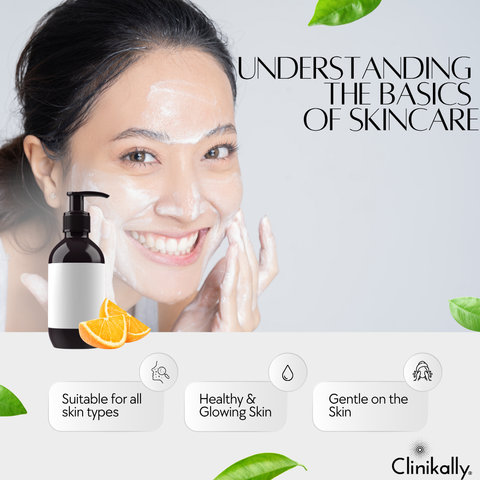
You will want a good understanding of skincare basics if you hope to attain healthy, glowing skin. In truth, most good skincare routines will fall within these three: cleansers, moisturisers, and sunscreens against UV damage. Now, you should be able to determine your skin type, whether oily, dry, combination, or sensitive; such knowledge is going to prescribe the kind of products or treatments to use. Exfoliating regularly can help remove dead skin cells and cell turnover. However, exfoliation should be gentle to avoid any irritation to the skin. Adding treatments for problem areas through serums or masks can help with acne, hyperpigmentation, and general signs of ageing. Remember that your skincare routine is very effective when done consistently with the right products for your skin type. It is the small lifestyle choices, including diet, water intake, and stress management, that greatly impact skin condition, so it is no wonder holistic approaches to skincare have been quite popular and effective.
The Importance of a Good Skin Care Routine
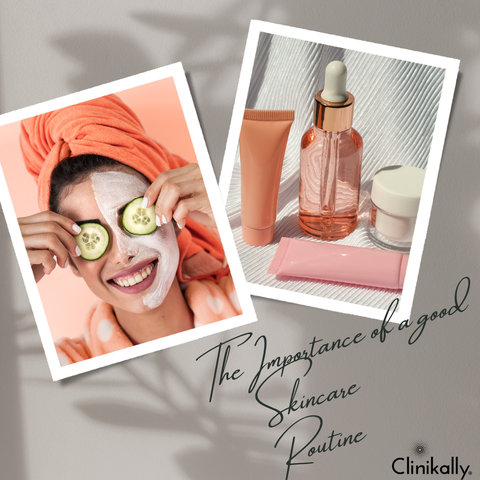
A good skincare regime is important for many reasons. This forms a base not just for your skin's health but for its appearance and the way it ages over years. Here are the main reasons that define why it is very critical to keep up with a diligent skincare routine:
-
Maintains the Health of Your Skin: The skin is the largest barrier to infection that we have. Keeping this barrier strong, well-maintained, and correctly functioning with proper skin care will help protect your body from bacteria, viruses, and other environmental hazards.
-
Prevents Skin Issues: Washing and treating your skin regularly will help you avoid the accumulation of impurities, oils, and dirt. This will help in avoiding issues such as acne, which are easier to prevent than to treat after problems have arisen and more expensive.
-
Hydrates, regulates oil: A well-balanced skincare regimen ensures that your skin is neither too dry, resulting in diseases or conditions like dermatitis, scaly skin, or excessively oily.
-
Improves Skin Appearance: Further continued use of the products will ensure to rid your skin off dead cells to give way to newer ones hence improving the skin appearance, texture, and complexion. This will indeed render visibly brighter and smoother skin.
-
Slows Down the Process of Aging: As we age, so does our skin regeneration rate go down. A good skincare routine increases skin turnover and may keep the production of collagen and elasticity at full tilt, greatly slowing down visible signs of ageing.
-
Boosts Confidence: Healthy and glowing skin does much for one's confidence. Knowing you are looking the best you can adds to a healthy self-image and mental well-being.
-
Establishes the Base for Healthier Habits: It is the skincare routine that acts as a catalyst to encourage healthier behaviour in other areas of your life. Hydration, good nutrition, and regular exercise form a part of most skincare routines and are the cornerstones of good health itself.
-
Educational Activity: By its very nature, skincare is an educational activity. It makes people learn much about their skin and general health. This enables one to keep track of any changes in your skin and thus facilitates the detection of health conditions at an early stage itself.
It's not all about looking good; it is important for your general health and wellness to invest some time in having a skincare routine.
Key Components of a Basic Skin Care Routine
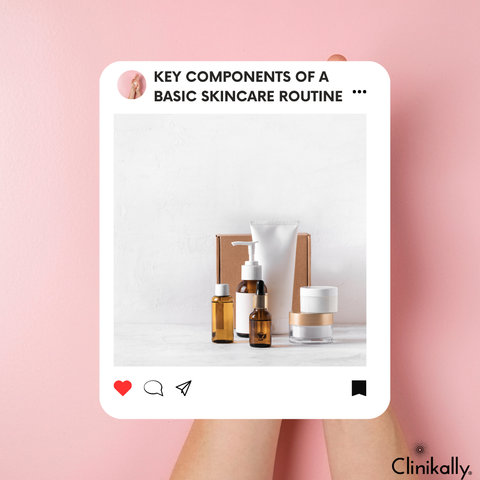
Basically, a simple skin care routine consists of some key elements to keep the skin healthy, clean, and well-moisturised. The breakup is as follows:
1. Cleansing: If one initiates the skin care routine with cleansing, intended for the removal of dirt, oil, or makeup from the skin, it will help the skin avoid clogged pores and, in turn, be fresh. The cleansers would have to be chosen according to skin types, which may be oily, dry, combination, or sensitive.
2. Toning: After cleansing, a toner is applied. Toners remove any residues left behind by the cleanser and balance the pH of the skin. They will help tighten up the pores and get the skin prepared for moisturisers.
3. Moisturising: This step is necessary to hydrate and lock in that moisture, making skin smooth and soft. Moisturisers are to be applied according to skin types. Some of them contain SPF, which helps protect the skin from the sun.
4. Sun Protection: Apply broad-spectrum sunscreen every day, even on cloudy days, to safeguard against the hazardous UVA and UVB rays. This practice may yield some protection from premature ageing and lower the chances of getting skin cancer.
More steps are possible according to individual skin needs and concerns, which may range from exfoliation to applying serums or treatment products, or applying key solutions specifically to the eyes.
Common Mistakes Beginners Make
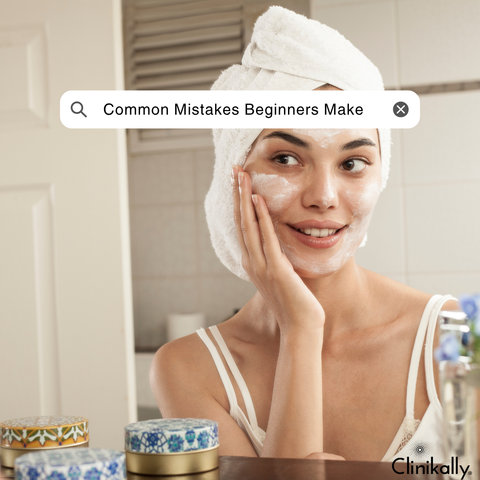
When venturing into a skincare routine, there are some common mistakes which a beginner usually falls into that hinder the path to healthier skin. Here are some of the common mistakes:
1. Over-cleansing: Too much washing of the face strips off all the natural oils from the skin and leaves it dry or, paradoxically, produces more oil. Generally, cleansing is advised twice a day, morning and night.
2. Using Wrong Products for Skin Type: Most beginners choose products because somebody recommended them or they are popular without considering the skin type. This may leave the product too harsh or too mild and cause irritation, breakouts, or no effective results at all.
3. Skipping Sunscreen: Probably the worst mistake of all would be to skip sunscreen every day. This adds to sun exposure, which can leave your face looking prematurely old with age spots, blemishes, and other skin damage. It is therefore very important to apply sunscreen daily with at least SPF 30, come rain or shine.
4. Over-Exfoliation: Even though exfoliation can be very good in the renewal of skin cells and brightening the complexion, it can be counterproductive when overdone. It would render red, irritated skin and tear down its barrier. Ordinarily, exfoliation is indicated 2 to 3 times a week for people with normal to oily skin types, while those with sensitive or dry skin may exfoliate once a week.
5. Layering Products Wrong: Using products in the wrong order can affect their absorption. Generally, products should always be applied from thinnest to thickest consistency: cleansers, toners, serums, moisturisers, and sunscreen.
6. Ignoring Ingredients: This is what most beginners do. Be aware of what goes into your skin care products in order to ward off irritants and allergens, and note that some ingredients interact poorly, like vitamin C and retinol. When not used properly, they will irritate your skin.
7. Be Patient: Skin Care is a Gradual Process: Too many beginners get frustrated and wind up switching products way too fast. It may take from several weeks to some months before changes related to the use of the product or skin concern are realised.
8. Not Patch Testing New Products: It is a good idea to do a patch test for a new product all over the face; thus, use a little on your inner forearm or behind your ear to test any reaction within 24-48 hours.
Such mistakes, when avoided, can help beginners to develop a more effective and safe skin care routine that helps in improving their overall skin health.
Step-by-Step Guide to Your Daily Skin Care Routine
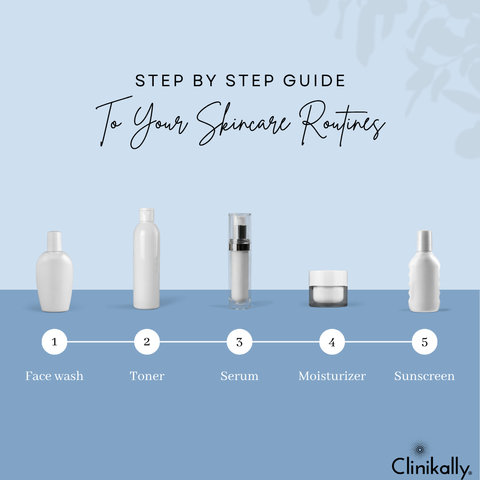
A step-by-step guide for your daily skincare routine is extremely necessary to have good, glowing skin. It confirms that all products that go on the skin do so to their full potential and in cooperation with other products to answer specific skin needs every time. By sticking to a routine, you can avoid these common problems, improve your skin's texture and tone, and adapt to different conditions like weather or hormonal changes. It is this disciplined approach that maximises the effect of skincare products and also ensures long-term health for a glowing complexion with the least effort.
Morning Routine: Start Your Day Right
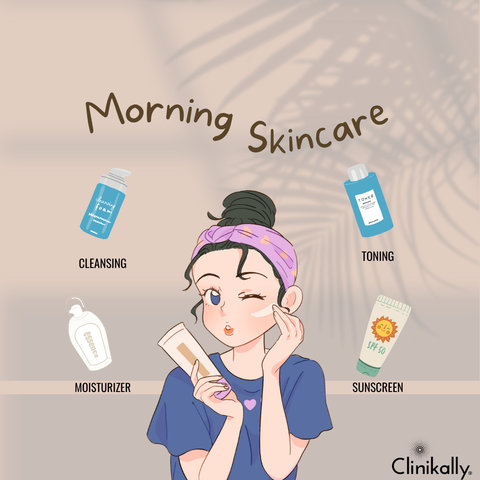
An orderly morning skincare routine is important in keeping the skin healthy and glowing, thus ready for protection from all stressors throughout the day. Here is a reasonably elaborate, step-by-step morning skincare routine:
1. Cleansing: Start by washing your face using a gentle cleanser that's formulated for your skin type. This helps rid your skin of all the sweat, oil, and impurities that accumulate on it throughout the night so you wake up feeling fresher and cleaner. This acts as the base for other products to work effectively. Clinikally Foaming Face Wash can be used by all skin types.
2. Toning: After the cleanse, use a toner. Toners restore the skin to its correct pH, tighten pores, and prepare the skin better for moisturisers and treatments. With dry or sensitive skin, choose an alcohol-free toner. The Face Shop Rice & Ceramide Moisturizing Toner is a great recommendation.
3. Serum Application: Apply a serum that will fight certain skin issues. If you are using a vitamin C serum like Clinikally Vitamin C3+ Serum in the morning, then you should know that this product really protects your skin from pollution and other environmental stressors and also brightens and evens out your skin tone.
4. Eye Cream: Gently apply a little eye cream like Actium Plus Acti-R Eye Contour Cream to help reduce dark circles, puffiness, and fine lines. Skin around the eyes is very delicate and thin; therefore, extra care has to be taken for hydration and protection.
5. Moisturiser: Moisturizing allows locking in all that hydration. Even if your skin is oily, do not skip this action because it will help to raise your skin to the point where it's balanced with its hydration. Use light formulas that won't feel like a greasy/heavy burden during the day. Clinikally HydraSoothe Moisturiser can be used by all skin types.
6. Sun Protection: Apply a broad-spectrum SPF of at least 30 in the morning; this should be one of the most essential steps in your routine. Sunscreen ensures protection from UV radiation and should be used not only on sunny days but also on cloudy days and indoors when sitting next to windows. Episoft AC Moisturiser with Sunscreen SPF 30 is recommended for all skin types.
7. Lip Care: Finally, do not forget your lips. Apply a hydrating lip balm, preferably with SPF, like Sebamed Lip Defense Triple Protection SPF 30 for protection and moisturising of the lips.
8. Primer: If you wear makeup, primer should be applied to the face right after your skincare. This would smooth out the surface of the skin for a great makeup base, help with staying power, and act as an added layer of protection against pollution and other environmental elements. Skyntox Invisible +Primer Sunscreen Gel SPF 50 PA++++ is a great sunscreen that also works as a makeup primer.
It's a routine designed not only to prepare your skin for better absorption, but also to help protect against environmental damage during the day. Obviously, based on the individual's skin type, time of year, and skin concerns, some adjustments might need to be made. Generally speaking, though, these steps will help maintain skin health, with an overall improvement in appearance over time.
Evening Routine: Nightly Skin Care Essentials
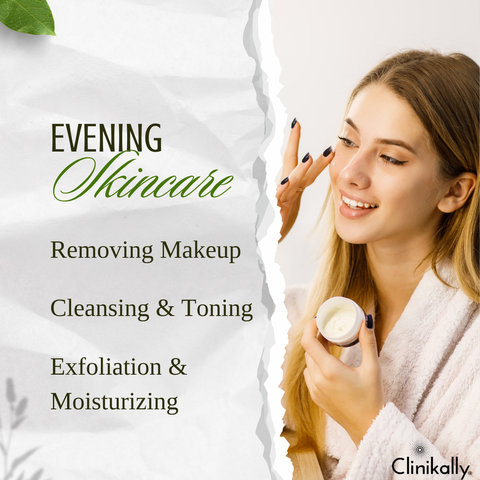
An effective evening skincare routine is the most important trick to repair and rejuvenate your skin after a long day spent battling pollutants, UV rays, and other environmental stressors. Now, here is a step-by-step guide on how to create an effective nightly skincare routine:
-
Removing Makeup: If you are a user of makeup, begin by gently removing it with a dedicated makeup remover. It helps in ensuring that further cleansing will be effective and prevents clogging of the pores. Bioderma Sensibio H2O Micellar Water Makeup Remover can be used for effective makeup removal.
-
Cleansing: Clean your skin with a mild cleanser to rid it of all the makeup, dirt, and oil that sit on top of it all day long. Double cleansing may work for people who wear heavy makeup or sunscreen: an oil-based cleanser like Klairs Gentle Black Fresh Cleansing Oil first, then a water-based one like Barulab Black Clay Cleansing Foam to clean the face.
-
Toning: After cleansing, use a toner like Haruharu Wonder Black Rice Hyaluronic Toner With Ultra Deep Technology to rid the skin of any residual impurities and to re-establish its natural pH balance. This not only cleans the skin but also prepares it to absorb subsequent products.
-
Exfoliate 1–2 times a week: Add an exfoliant into your routine a few times a week to help remove dead skin cells that reveal newer and healthier-looking skin through cell renewal. Be wary of the kind and how often you use exfoliants, though, since over-exfoliation can be additionally provoking and drying.
-
Treatment serums and actives: Focus some treatments with serums or creams on spot treatment or specific concerns, like acne, hyper-pigmentation, or aging. Ingredients such as retinol, hyaluronic acid, or peptides are preferred at night because of their restorative properties. Truderma Regen Night Repair Serum, Retiglow Night Serum, KAINE Chaga Collagen Charging Serum and Facemoist RES-Q Night Repair Serum are some great night care serums.
-
Eye Cream: Gently apply an eye cream that targets your crow's feet, puffiness, or dark circles. Night is an excellent time for intensive treatments around the eyes that may be too heavy for daytime use. Swiss Perfection Montreux Cellular Perfect Lift Eye Cream and Clinikally Total Eye Fix Under Eye Cream are great recommendations.
-
Moisturiser or Night Cream: Apply some moisturising night cream like EGA Night Cream to hydrate your skin, or use a moisturiser depending on your skin type. Most night creams are richer and more nourishing for when the skin takes time to repair itself during the night.
-
Facial Oil: In case you need some extra moisturising, especially during such times that you either live or are visiting places that are on the dry side, then you can add a few drops of the oil like Verso Super Facial Oil With Retinol 8 after application of the moisturiser. It enhances retention of water and delivers extra nourishment to the skin.
-
Lip Treatment: Apply some kind of lubricating lip balm or treatment that rejuvenates and moisturises your lips throughout the night. Sesderma Ferulac Dubai Lip Balm is a great choice.
-
Hand Cream: Remember your hands; apply a rich hand cream like Numis Med pH 5.5 Hand Cream before sleeping to rehydrate and restore skin on your hands, which is washed excessively and exposed to weather conditions.
Help to include these in your bedtime routine, and you will make dramatic improvements in the ability of your skin to self-repair so you can wake up refreshed and rejuvenated. Try to vary the routine according to your skin needs and seasonal periods. For effective results, remember that consistency is all-important.
Weekly Additions: Masks and Exfoliation

Adding treatments—masks, exfoliation—on a weekly basis to your regular skin care regime can make a much healthier and more beautiful improvement in the skin, targeting one issue or another and increasing the efficacy of daily products. Here's how to effectively fit in these treatments:
1. Exfoliation
Exfoliation helps get rid of dead skin cells on the surface and facilitates cell turnover. Brighter, newer skin lies underneath, waiting to be revealed. Generally, exfoliating 1-2 times a week is fine for most skin types. Individuals with more sensitive skin will decrease the frequency to once per week or even less to avoid irritation.
Types of Exfoliants:
-
Physical Exfoliants: It includes scrubs with tiny granules or brushes. They physically remove the dead skin cells by scrubbing them off the skin. Handle your skin gently to avoid ripping it.
-
Chemical Exfoliants: Products containing AHAs (like glycolic acid) or BHAs (like salicylic acid) dissolve the 'glue' that holds skin cells together, and they get rinsed away. They can be very effective for exfoliating deeper into the skin and may be less irritating than physical exfoliants.
After cleansing, apply your exfoliant of choice following the product's instructions. Follow up with a toner, moisturiser, and any nighttime treatments.
2. Masks
Masks can be treatments for hydration, oiliness, ageing, or detoxification. Here's how to use them:
Types of Masks:
-
Sheet masks: These are one-time use cloths absorbed in concentrated serums for hydration, brightening, or anti-aging. They can be really easy and offer an instant skin lift.
-
Cream or Gel Masks: These are applied heavily and are very good for hydrating or nourishing. They probably contain collagen, antioxidants, or even botanical extracts.
-
Clay or Charcoal Masks: These are excellent for oily and acne-prone skin by really soaking up all that extra oil and drawing impurities out of pores.
The frequency to use a mask depends on the type and what your skin needs. Clay masks are best used sparingly if you have dry or sensitive skin since they can be drying. Apply your mask right after cleansing, and exfoliating if you're doing both on the same day. Leave the mask on for the recommended amount of time as instructed on your package; this is usually between 10-20 minutes. Following that, rinse or peel off accordingly.
Some general tips that need to be followed are:
-
Patch Test With any new products: Always make sure to conduct a patch test to ensure you don't have any negative reactions prior to applying to your entire face.
-
Follow Instructions: Apply as instructed for use and frequency to avoid skin irritation.
-
Listen to your skin: Observe your skin's needs and adjust the frequencies or products according to how it reacts to the product.
Including masks and exfoliating in your weekly regime will surely treat the problems of your skin more efficiently and make it look better and much healthier.
Choosing the Right Products for Your Skin Type
The right products for your skin type are the way to a healthy glow. Be it oily, dry, combination, or sensitive, each skin type has its own special needs and concerns. Using the right products will help you manage excess oil, dryness, sensitivity, or the appearance of irregularities and enhance the health and beauty of your skin. The right products ensure effectiveness and gentleness in the skincare routine, promising the best results, and avoiding probable irritations or other opposite reactions.
Identifying Your Skin Type
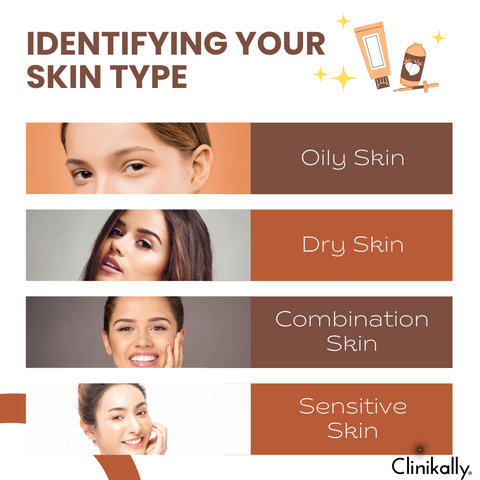
Knowing your skin type is very important in choosing the right skincare products and in creating an effective routine. Those products that would have a harmony with your skin type could leave it healthier and balanced, while unsuitable products would only increase dryness, oiliness, acne, or sensitivity.
It's Important to Know Your Skin Type because:
-
Appropriate Product Selection: Knowing your skin type will help you apply products that will benefit and not irritate or affect your skin adversely. For example, heavy creams would work well on dry skin but may cause breakouts in oily skin.
-
Customised Treatment: There are certain ingredients that deal with skin concerns like acne, sensitivity, and ageing that go best with your skin type.
-
Skin Problems Prevention: The right product for your skin type prevents many common skin problems, such as clogged pores, dryness, oiliness, or even skin irritation.
The most common skin types are normal, oily, dry, combination, and sensitive. Here is a simple technique to help you know which group you are in by testing it at home:
-
Cleanse Your Face: Gentle cleanser, scrubbing your face to rid it of oils and other impurities, followed by resetting it back to normal.
-
Pat Dry and Wait: After wiping your face with a towel, wait for about an hour without any products at all. This will get the skin to go back into a natural balanced state.
-
Observe and Feel: After an hour, see your skin in a mirror and observe its condition, appearance, and how it feels.
After following the above steps, consider the following:
-
Dry Skin: It feels tight and might have flakes or small rough patches all over it. Generally, it looks gloomy too.
-
Oily Skin: It shines, mostly around the nose, forehead, and chin; this is called the T-zone.
-
Combination Skin: There are both oily and dry patches on the skin. In general, the T-zone is oily and the cheeks, jaw, and areas around the eyes feel dry.
-
Normal Skin: Appears balanced and has a smooth feel to it, with no greasy or flaky spots visible on the skin. Sensitive Skin: Does not quite fit into oily, dry, or combination categories since such skin reacts rather quickly, turning red, itching, or irritating when new products or other irritants are applied to it.
In addition, another test called the Blotting Sheet Test can also be done. This can be an additional test for oiliness. Dab blotting papers lightly to different areas of your face. Hold the sheets against a light and see how much oil is present. If the sheet picks up a little or no oil, then you have dry skin. If the sheet is soaked with oil, especially from the forehead area and nose, you have oily skin.
Knowing your skin type will help to tailor skincare routines so that only those treatments and products aimed at maximising the health of your skin are used, hence increasing effectiveness and improving the general state of your skin.
Must-Have Products for Each Skin Type
Choosing skin care products right depends on your specific skin type for good health and balance. Here is a guide on the must-haves according to every skin type:
1. Normal Skin
-
Cleanser: A gentle, hydrating cleanser that doesn't strip natural oils from the skin like Cetaphil Gentle Foaming Cleanser.
-
Moisturiser: Lightweight and non-greasy moisturiser for the desired balanced effect such as Oryza Skin Moisturiser.
-
Sunscreen: Broad-spectrum SPF 30 or higher for daily protection. Clinikally SunProtect Sunscreen SPF 50/PA+++ is a great choice.
-
Optional Treatments: Occasional hydrating masks or antioxidants rich masks prove to be extremely beneficial. Klairs Freshly Juiced Vitamin E Mask is an excellent product that intensely hydrates and brightens the skin and is full of antioxidants.
2. Oily Skin
-
Cleanser: Foaming or gel-based with salicylic acid to keep oil in balance and prevent acne. COSRX Salicylic Acid Daily Gentle Cleanser is a great recommendation.
-
Toner: No-alcohol toner, astringent properties to regulate the production of oil and tighten pores. SOME BY MI AHA-BHA-PHA 30 Days Miracle Toner unclogs pores, reduces dullness and regulates sebum production.
-
Lightweight Moisturiser: Oil-free, non-comedogenic moisturiser like Venusia Acne Control Moisturizer to provide hydration but is not too oily.
-
Sunscreen: Matte-finish oil-free sunscreen like Acscreen Oil Control Sunscreen Gel SPF 47 is recommended.
-
Optional Treatments: Absorb extra oil with a clay mask like Shangpree Easy Clear Clay Mask. Exfoliate once a week with Cosderma Acne Act Gel Peel Chemical Peeling Facial Kit to avoid clogged pores.
3. Dry Skin
-
Cleanser: Creamy, hydrating, and soap-free cleanser to avoid removing natural oils. Dermalogica Intensive Moisture Cleanser For Dry Skin is one such product.
-
Moisturiser: Rich moisturising cream with hyaluronic acid and ceramides for locking in moisture. Brinton Atomist Skin Barrier Repair Cream is a great recommendation.
-
Sunscreen: Hydrating sunscreen like Sunveil Sunscreen Cream SPF 50 PA+++ will have moisturising effects.
-
Optional Treatments: Hydrating masks like Peltos Hyaluronic Acid Sleep Mask weekly and serums like Klairs Rich Moist Soothing Serum rich in hydration boosting ingredients for extra moisturising.
4. Combination Skin
-
Cleanser: A well-balanced cleanser that cleans effectively the oily areas without drying the dry patches. Bioderma Sebium Gel Moussant is a great recommendation.
-
Toner: A mild toner like The Face Shop Chia Seed Advanced Hydro Toner that will help to balance the skin's pH without drying out the skin.
-
Moisturiser: A non-comedogenic, lightweight moisturiser that won't block pores. COSRX Lightweight Soothing Moisturizer is highly recommended.
-
Sunscreen: A broad-spectrum sunscreen like Clinikally SunProtect Sunscreen SPF 50/PA+++ applied on dry and oily areas of the skin.
-
Optional Treatments: Multi-masking with Barulab 7 in 1 Total Solution Mint Clay Sheet Mask various masks on the oily and dry area for specific targeting.
5. Sensitive Skin
-
Cleanser: Very mild fragrance-free cleanser which would not cause any irritation to the skin at all. Physiogel Hypoallergenic Daily Moisture Therapy Dermo-Cleanser For Dry & Sensitive Skin is highly advised.
-
Moisturiser: Hypoallergenic fragrance-free moisturiser like Physiogel Hypoallergenic Calming Relief A.I. Cream to soften and hydrate.
-
Sunscreen: Mineral-based sunscreen like Haruharu Wonder Black Rice Pure Mineral Relief Daily Sunscreen SPF 50+/PA++++ with titanium dioxide or zinc oxide for avoiding irritants.
-
Optional Treatments: Soothing ingredients in masks and serums, like aloe vera or oatmeal. BABE Bicalm+ is a great recommendation.
All skin types have different needs, so if you understand those needs, you can choose products that are not only good for skin health but also greatly enhance its appearance and resistance.
How to Test and Incorporate New Products

Introduce new skincare products into your routine slowly to avoid allergic reactions or incompatibility with your skin. Here is how to test and add a new product safely, step by step:
1. Research the Product
Research the ingredients and the product benefits before purchasing, and know what side effects people have faced. It is recommended to read users' reviews that have the same skin type and similar problems.
2. Patch Test
Always do a patch test before using any new product for good:
-
Select a small area: Common places include the inner forearm or behind the ear. These are sensitive enough to feel irritation but discreet enough to hide any adverse reactions. Take a small amount: Take the product as guided, but in a small amount.
-
Wait 24-48 hours: Observe whether the development of at least some of the following manifestations takes place: redness, itching, irritation, or breakouts in the area applied. If you see a more serious reaction, scrub it off right away and stop using the product.
3. Add One Product at a Time
So when you're fairly certain there won't be any bad reactions to the patch test, start working it into your routine. But introduce only one new product at a time. That way, if you react, you know what did it.
4. Ease In
Start with using the product less than prescribed. If it is recommended for daily usage, start with every other day or a couple of times a week to allow your skin time to adjust dramatically.
5. Note Changes
Notice how your skin is responding during the first couple of weeks. Note any positive changes, such as texture or increased hydration, and negative changes in increased breakouts or sensitivity.
6. Adjust as Needed
You can adjust the frequency of use accordingly based on such observations: either increasing them as your skin becomes used to the product or reducing them in frequency or abstaining in case of problems.
7. Consult a Professional
When in doubt, consulting a dermatologist with respect to at least one product can help in case of doubt more so those containing potent active ingredients like retinoids or high concentrations of acids.
8. Maintain a skincare diary
This is particularly useful when trying out a range of products over time, whereby one keeps track of the products used and changes in the skin—in this way, one will learn what is good for their skin type and track special areas of concern.
These steps will help you safely test new skincare products and reduce the possibility of any side effects in order to get positive results for your skin.
Enhancing Your Skin Care Knowledge
Knowing and bringing your understanding of skincare to the next level helps to ensure that you have and maintain healthy, glowing skin. Truly understanding the science behind the products and their ingredients will help you to make the right choices for your particular skin type and needs. It allows one to determine which treatments are truly effective, avoid chemicals that are likely to harm, and design a routine tailored to reap maximum benefits from the regimen. Furthermore, keeping updated about trends and research in skincare helps one adopt new developments and methods so that your skin stays resilient against the environmental stressors and aging. In the end, well-educated skincare brings long-term health, confidence, and a glowing complexion.
The Science Behind Effective Skin Care
Knowing the biology of the skin and how various products interact with the structure and functions of the skin is literally the science behind effective skincare. Skincare formulations are supposed to maintain, protect, and repair the skin. All this comes in consideration to factors like skin type, conditions, and environmental aspects. Read more about the science detailed below:
1. Skin structure and function:
-
Epidermis: The outer layer provides for barrier protection and maintains skin color. This includes the stratum corneum, acting to protect the skin from environmental damage.
-
Dermis: The portion with tough connective tissue, hair follicles, and sebaceous glands. It contains collagen and elastin that impart elasticity and strength to the skin, respectively.
-
Hypodermis: The deep subcutaneous tissue composed of fat and connective tissue; it helps in the insulation of the body and acts as a store of energy.
2. Moisture Retention and Barrier Function
-
Moisturisers can seal in water on the skin, an example being occlusives such as petrolatum; attract water to the skin, including humectants like glycerin; or fill in gaps between skin cells, such as emollients like squalane.
-
Ceramides are a type of lipid that helps in enhancing the integrity of the skin barrier, thus acting physically to prevent moisture evaporation and irritants from passing through the skin.
3. Cleaning and Balance of pH
Cleansers purify the skin from dirt, oil, and dead skin cells without removing natural oils from it. The natural pH of the skin is slightly acid, varying from 4.7 to 5.75, which protects it from various microbes. It is very important for skin health to maintain this pH with a proper cleanser.
4. Sun Protection
Sunscreens protect the skin from UV radiation. They contain either organic compounds that absorb the UV, inorganic particles that scatter and reflect it, or a mixture of both organic and inorganic ingredients. Regular application can prevent premature ageing and reduce the risk of developing skin cancers.
5. Active Ingredients and Their Functions
Various active ingredients in the skincare products target various concerns such as:
-
Antioxidants like vitamins C and E are able to scavenge free radicals-an unstable molecule known to damage cells and cause premature ageing. Medclear Vitamin C 25 Serum is one such product that is extremely rich in Vitamin C.
-
Retinoids enhance cell turnover and collagen production, thus helping to treat acne and diminishing the effects of ageing. Clinikally Skin Renewer Retinol Serum is highly recommended.
-
Peptides are small proteins that can be easily absorbed into the skin, which then signals a response from the body for the synthesis of collagen and other skin proteins necessary for healthy, wrinkle-free skin. Barulab 530 S-Peptide Serum Ampoule is a great recommendation as it reduces fine lines, boosts elasticity and hydrates intensely.
-
Acids such as AHAs and BHAs exfoliate the skin for more even texture, clean pores, and revitalization of the skin. The FormulaRx Air Brush Facial Lactic Acid Exfoliating Serum and Cosderma Aha Bha Pha Glow Serum are great recommendations.
6. Problems-Specific Focused Solutions
Products are generally designed to treat specific concerns, whether it be acne, hyperpigmentation, or wrinkles. For treating such conditions, the use of certain active ingredients is usually necessitated, which have been scientifically proven efficient.
7. Product Formulation and Stability
Having an effective skincare routine also depends on how stable the active ingredients are and on the delivery mechanisms of the products. Products should be formulated in a way that the active ingredients remain stable and delivered into the skin effectively.
8. Personalization
Recent developments include personalised skincare, where the products are formulated at the individual level with regard to their genetic background, lifestyle, and environmental exposure. Hence, this approach is supported by dermatological science in the quest for maximum effectiveness.
So, by understanding these scientific principles, you can ensure that your chosen skincare routine or products are most applicable to your skin type or problems and ideally should work best for your skin's health and beauty.
Debunking Common Skin Care Myths
Skincare is a field full of myths and misconceptions. Here's a rundown of common skincare myths and corresponding facts that set them straight:
1. Myth: You Don't Need Sunscreen on a Cloudy Day
Fact: Clouds transmit a surprising high percentage of the sun's UV radiation - up to 80%. That means you can get quite a lot of your total day's sun exposure on cloudy days. Use your sunscreen every single day, no matter what your weather forecast says.
2. Myth: The More Expensive a Product, the Better It Is
Fact: It doesn't actually relate to the price. Many low-priced products contain the identical active ingredients as their pricier alternatives. It actually relates to the formulation and the compatibility with your skin type.
3. Myth: Natural Or Organic Skincare Is Always Better
Fact: Natural does not always mean safe. Many times, natural ingredients can be harsh or irritating, just as synthetics can. On top of that, several synthetics ingredients are totally amazing and very well studied: both for their results and their safety.
4. Myth: If You Have Oily Skin, You Do Not Need to Moisturise
Fact: Oily skin needs hydration, too. Skipping moisturiser encourages your skin to overproduce its natural oils, which can worsen oiliness and acne. Oil-free or non-comedogenic moisturisers are best for oily skin types.
5. Myth: Toothpaste is a Good Treatment for Pimples
Fact : Yes, toothpaste dries out a pimple with baking soda, hydrogen peroxide, and other drying agents. However, it irritates and burns the skin to cause rashes, sometimes even leaving scars. The proper acne treatments are recommended.
6. Myth: Scrubbing Your Face Harder Will Clear Acne Faster
Fact: Over-washing will infuriate your skin and increase acne. Go gentle on cleansing. It's better to use gentle cleansers and soft motions, then products formulated to treat acne.
7. Myth: If a Product Causes Tingling, It's Working
Fact: Tingling could be a sign of irritation, particularly if it is persistent or painful. While some ingredients might be irritating enough to cause a temporary feeling of tingling, like glycolic acid, a continuous sensation of discomfort is usually a sign that a product does not suit your skin.
Debunking such myths would, therefore, be a step further in helping one get healthier skin and make better decisions in choosing products, based more on fact than myth. Always look for scientific evidence and mention advice from dermatologists when organising your skincare regimen.
Personalized Skin Care: Tailoring Your Routine to Your Needs
Customised skin care is important for health and appearance. It evaluates individual concerns, conditions, and backgrounds. Such treatment is far more potent; with lesser time and money spent on trial and error, desired results can be achieved. Custom routines are designed to help avoid problems before they even start, using only the right ingredients and changing with your skin. Advanced technology is available to get an exact examination of the skin, while on the other hand, a holistic approach offers diet and lifestyle advice. Personalised solution brands thus promote customer satisfaction and loyalty, and tailored skincare is a step toward precise, effective, and preventive management.
Concluding Your Skin Care Journey: Final Thoughts and Tips
Closing your skincare journey is not an end but a continuum of practices and products, changing and responding to your skin over time. Here are some final thoughts and tips for you to keep in mind:
-
Consistency is the key to achieve perfect skin.
-
Listen and observe how your skin responds to various products and changes in the environment. Adapt your regimen accordingly.
-
Use a few well-formulated products that address specific skin types and concerns rather than loading your skin with too many products with potentially conflicting ingredients.
-
Apply sunscreen regularly.
-
A regular visit to the dermatologist will give you specific advice according to your skin type and will help solve so many long-term problems more easily than by simple trial and error. Hence, always consult a dermatologist for any concern.
-
Stay informed about new research and technologies in skincare.
Remember, the journey of skincare is personal, and it's a process that should be enjoyable and tailored to you. Consider it a form of self-care; let your routine evolve with time as you continue learning about what works best for your skin.