Seasonal Skincare Reset: Why Your Routine Should Change with the Weather
As the seasons change, your skin's needs change too. What suits the cold dryness of winter might prove too rich for summer heat and humidity, while autumn and spring tend to call for a compromise between protection and rejuvenation. A seasonal reset is required to keep your skin looking healthy and radiant. Temperature fluctuations, humidity, and environmental stressors may impact your skin barrier, hydration, and even product performance. By tailoring your skincare to the seasons, you can deal with seasonal issues such as dryness, oiliness, breakout, and sensitivity more efficiently. From replacing light moisturizers with more luxurious creams to adding SPF all year round, customizing your routine keeps your skin in balance and radiant. Find out with Clinikally, why adapting your skincare regimen according to the seasons is the secret to long-term healthy skin, anti-aging, and getting your best skin in any climate.
Understanding the Skin-Season Connection: What Changes and Why
Seasonal changes affect our skin significantly, and it is therefore important to learn about the skin-season relationship in order to maximize care and long-term well-being. Temperature, humidity, UV exposure, and environmental stressors all change seasonally, directly affecting hydration levels, oil output, and general skin barrier integrity. Winter air and heaters result in dryness and sensitivity, summer brings excess oil, pore clogging, and sunburn, spring and fall transitional shifts that can cause acne or irritation as your skin readjusts. Understanding these seasonal skincare issues enables you to customize your routine. By adjusting your skincare routine to suit shifting weather patterns, you can restore equilibrium, avoid premature aging, and enjoy healthy, glowing skin throughout the year. This seasonal skincare knowledge is the secret to radiant, resilient skin in any climate.
Skin’s Biological Response to Temperature and Humidity
The biological reaction of the skin to temperature and humidity is a vital aspect of overall health, comfort, and appearance. The skin is the largest organ of the body and provides a robust barrier and a regulator function, thus, responding to environmental changes to ensure equilibrium. Knowing how the skin responds to heat, cold, dryness, and moisture will allow for a better skincare regimen.
-
Low heat diminishes sebum secretion, compromising the skin's own defense and predisposing it to dryness, cracking, and sensitivity.
-
High heat boosts sweat secretion, cooling the skin but also resulting in dehydration, stuffy pores, and heat rash.
-
Low humidity speeds up transepidermal water loss (TEWL), which causes tightness, roughness, early fine lines, and impaired elasticity.
-
High humidity makes the skin hold more water, at times causing overproduction of oil, acne breakouts, and fungal infection.
-
Rapid temperature and humidity fluctuations can overstrain the skin barrier, triggering redness, irritation, and exacerbation of conditions such as eczema or rosacea.
-
The thermoregulatory effect of the skin is via vasodilation during heat and vasoconstriction during cold. Widening of vessels occurs is vasodilation so as to allow heat release, and constriction of vessels occur during vasoconstriction so to retain heat.
-
Overuse of humidity in damp conditions can stop sweat from evaporating effectively, raising discomfort and bacterial imbalance risk.
-
Repeated exposure to dry air environments, like heated indoor areas, compromises the lipid barrier and increases sensitivity.
-
Temperature and humidity changes affect skin microbiome stability, which contributes to hydration, inflammation, and pathogen defense.
Healthy skin in changing environments calls for daily skincare adjusted according to climate. Hydration during dryness, barrier restoration during cold, oil control during dampness, and sun shield during heat is highly recommended. By adjusting to these environmental influences, one can maintain a radiant, resilient, and youthful complexion.
How Seasonal Transitions Affect Oil Production and Hydration
Seasonal changes have a strong effect on the skin, affecting moisture levels, sebum output, and general skin well-being. When the environment changes from cold to warm or from humid to dry, the skin has to adapt rapidly, which is usually achieved at the cost of imbalances, irritation, or exacerbation. Being aware of how these changes influence the skin barrier is crucial for having balanced, radiant, and healthy skin throughout the year.
-
In colder months, low humidity results in decreased skin hydration, resulting in dryness, tightness, and flakiness.
-
Natural oil (sebum) production is lowered by winter conditions, which reduces the strength of the skin barrier and enhances sensitivity.
-
The transition to spring tends to occur with increased pollen counts and changing moisture levels, which may cause irritation, redness, and breakouts.
-
Higher sebum production causes clogged pores, acne, and excess shine under warm weather if not controlled.
-
Summer high humidity enables the skin to hold more moisture but may also create sweat accumulation, bacterial imbalance, and oily skin.
-
Gearing into fall usually makes the skin lose moisture once more because of declining humidity, resulting in dehydration and dryness.
-
Transepidermal water loss (TEWL) is affected by the change of seasons, with dry air enhancing water loss and humid air suppressing it.
-
Unstable temperatures can mislead the sebaceous glands, occasionally generating excess or insufficient oil at the incorrect time.
-
Seasonal skincare errors, like failing to make adjustments to moisturizers or cleansers, may compound the impact of environmental shifts on the skin.
-
Disrupted skin barrier during transition leaves the skin more susceptible to inflammation, wrinkles, and aging.
In summary, oil production and hydration are impacted by seasonal changes extensively, leading to cycles of dryness, oiliness, and imbalance. For optimal skin health, it is crucial to adjust skincare routines in accordance with the weather, employing more nourishing creams during cold, dry weather and lighter, moist products in hot, humid weather. By synchronizing skincare measures with change of seasons, the protection of the skin barrier, the regulating of sebum levels, and the promotion of smooth, radiant, and well-hydrated skin can be ensured throughout the year.
UV Exposure, Wind, and Environmental Stressors Across Seasons

The skin is subjected to fluctuating environmental stressors at all times, and environmental factors like UV radiation, wind, and seasonal changes have significant impacts on its aging process, hydration, and health. It is important to know how these factors interact with the skin barrier to protect and nourish skin throughout the years. Seasonal skincare remedies can safeguard against harsh condition-driven dryness, sunburn, and irritation.
-
Dry cold winter winds remove natural oils from the skin, resulting in dryness, redness, and irritation.
-
Excessive exposure to UVA and UVB rays in the summer increases the breakdown of collagen. It causes premature aging, fine wrinkles, and hyperpigmentation.
-
Elevated levels of UV also enhance the risk of tanning, sunburn, oxidative stress, and skin cancer in the absence of continuous use of sunscreen.
-
UV radiation is still of concern during winter months, as reflective surfaces such as snow can enhance sun damage.
-
During transitional seasons such as spring and autumn, unpredictable weather conditions strain the skin barrier, making it sensitive and inflammatory.
-
Severe winds with low humidity enhance transepidermal water loss (TEWL), resulting in parched and cracked skin.
-
Wind exposure is capable of exacerbating conditions such as eczema and rosacea, particularly in combination with temperature fluctuations.
-
Environmental toxins during all seasons create free radicals that harm skin cells and promote visible aging.
-
Airborne allergens during specific seasons aggravate irritation, causing breakouts, itchiness, and irregular skin color.
-
Persistent stress in the environment without shielded skincare compromises the lipid barrier, diminishing resilience and water retention.
In summary, UV exposure, wind, and environmental stressors impact the skin differently seasonally, but all result in dryness, irritation, premature aging, and barrier destruction. Seasonal skincare adapted with broad-spectrum sunscreen, antioxidant-treated products, and richly moisturizing products that address seasonal requirements provides long-term protection and luminosity. Protection against sun, wind, and pollutants prioritized results in healthy, durable, and youthful skin throughout the year.
What Your Skin Needs in Every Season: A Step-by-Step Breakdown

Understanding what your skin needs in every season is the foundation of an effective skincare routine that truly works year-round. Each season presents unique challenges such as winter dryness and sensitivity, oiliness, breakouts, and increased sun exposure, irritation or skin imbalance. By breaking down seasonal skincare into steps, you can make sure that your routine adapts to the shifting needs of your skin. Customizing your routine not only improves hydration and protection but also guards against general problems such as premature aging, hyperpigmentation, and flare-ups. Recognizing these seasonal shifts empowers you to create a targeted skincare strategy for healthy, radiant, and resilient skin every day of the year.
Summer: Lightweight Hydration and Enhanced Sun Protection
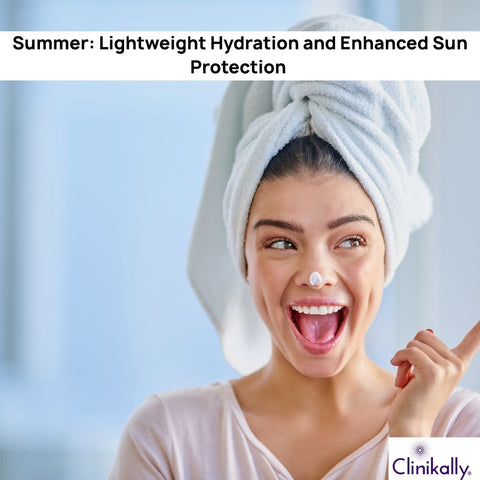
For a healthy, balanced-looking complexion in warm weather, it's important to prioritize light hydration and increased sun protection. Summer presents special skincare issues, with strong UV radiation, higher humidity, and greater sweating causing stress to the skin barrier. Hence, a step-by-step, strategic summer skincare routine keeps your skin healthy, well-hydrated, and protected from damaging rays.
-
Firstly, use a mild cleanser such as Clinikally HydraSoft Gentle Skin Cleanser that will erase sweat, excess oil, and impurities without robbing your skin of its natural moisture.
-
Then use a hydrating toner or mist like Pilgrim Squalane Toner & Mist that contains hydrating ingredients to replace moisture and calm heat-stressed skin.
-
Layer antioxidant serums such as Clinikally Vitamin C3+ Serum to combat free radical damage caused by UV exposure and air pollution.
-
Follow with a light, water-based moisturizer or gel cream such as Evera Moisturising Gel that won't clog pores but will deliver hydration.
-
Follow with oil-free broad-spectrum sunscreen (SPF 30 or above) and reapply every 2–3 hours or after sweating/swimming. Clinikally SunProtect Sunscreen SPF 50/PA+++ is a great recommendation.
-
Add oil-control products if necessary, e.g., mattifying gels or clay masks, to keep shine under control in humid environments.
-
Apply light, non-comedogenic formulations to prevent clogged pores and summer breakouts.
-
Shield sensitive areas such as lips and under-eyes using SPF-enriched balms and creams. Chaptex Lip Care Lip Balm SPF 15 can be applied on lips and your usual sunscreen in the undereye area.
-
Rehydrate day and night using facial mists to leave the skin feeling refreshed and cooled.
-
In the evening, wash thoroughly to clear sunscreen off and use a light moisturizer or overnight hydrating mask such as Klairs Freshly Juiced Vitamin E Mask to rebalance.
Through the application of light moisturizers, antioxidant serums, and sun protection, the skin can remain healthy, young, and bright even with harsh sun heat and UV radiation. Success with summer skincare is all about maintaining equilibrium between moisturizing and protecting. An active summer skincare routine provides long-term healthy skin by shielding it from sun damage, early aging, and dehydration while maintaining the smooth, subtle, healthy glow of the complexion.
Winter: Barrier Repair, Deep Moisture, and Lip Care
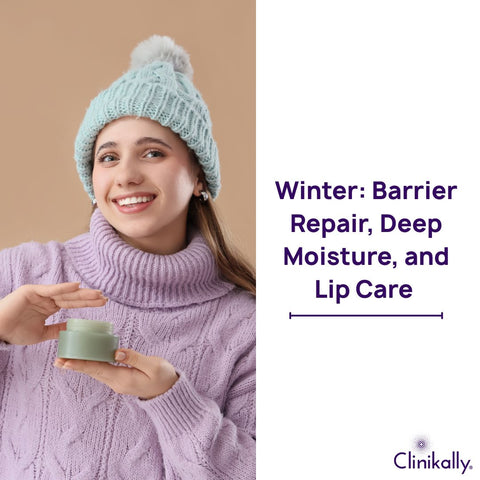
To maintain healthy, smooth, and glowing skin, a winter skincare regimen should emphasize barrier repair, intense moisture, and special lip attention because winter can be one of the most severe seasons for the health of the skin, with cold winds, dry air, and home heating drying out natural oils and moisture. It can make the skin dry, irritated along with a compromised barrier function that may make a skin appear dull.
-
Start with a mild, water-based cleanser such as Dermavive Hydra Cleanser that will not strip the skin of necessary oils.
-
Add calming serums with niacinamide or peptides to reduce irritation and promote barrier repair. CosiQ Vitamin B3-20% Niacinamide + Peptides Face Serum is highly recommended.
-
Follow with a rich, hydrating moisturizer or cream with ceramides, shea butter, or hyaluronic acid to provide deep hydration. Oryza Skin Moisturiser can be used.
-
Add thicker facial creams such as CeraVe Moisturising Cream to seal in moisture and fortify the lipid barrier against damaging winds.
-
Don’t forget sunscreen. COSRX Ultra-Light Invisible Sunscreen SPF 50 PA++++ can be applied.
-
Protect lips with a thick, emollient lip balm such as Uriage Bariederm Cica-Protecting Balm to prevent chapping.
-
Reapply lip care throughout the day, especially before bed, for consistent protection.
-
In the evening, wash thoroughly to remove the dirt and grime.
-
Top off at night with an occlusive balm such as Bioderma Atoderm Intensive Baume to keep water from escaping through transepidermal water loss (TEWL).
-
Exfoliate gently with Neutriderm C Scrub Illuminating Exfoliant once or twice a week to remove flaky skin without over-drying.
-
Use a humidifier indoors to restore moisture levels in the air and prevent further dehydration.
With attention to moisturizing nourishing ingredients, lip protection balms, and gentle maintenance, you can fight dryness, irritation, and chapping that winter brings. A well-organized winter skin care routine not only maintains softness and resilience but also keeps your skin radiant and comfortable all through the most frigid months.
Spring: Gentle Exfoliation and Antioxidant Boosts

Spring is renewal time. Along with nature, skin also moves out of winter's dryness and dullness. However, spring brings warmer temperatures, higher pollen counts, and changing humidity. As a result, the skin needs soothing attention to regain its natural radiance. A spring skincare plan should focus on gentle exfoliating to remove dead cells and antioxidant boosts to fight off environmentals and seasonal stressors.
-
Begin with a gentle exfoliant such as Gunam Daily Liquid Exfoliant once or twice weekly to break up winter buildup and stimulate healthy, glowing skin.
-
Employ chemical exfoliants such as AHAs or BHAs in low concentrations for resurfacing without causing irritation.
-
Apply a light hydrating toner such as Ceuticoz Ivorine Vitamin C & Hyaluronic Acid Synergy Toner after exfoliating to restore moisture.
-
Top off with a probiotic or barrier-reinforcing serum such as COSRX Galactomyces 95 Tone Balancing Essence to fortify the skin microbiome against seasonal stress.
-
Add antioxidant serums, including vitamin C, green tea extract, or resveratrol, to combat free radicals and even out the complexion. Cosmonova Exomax Age Defying Face Serum is an excellent recommendation.
-
Switch to a less heavy moisturizer or gel formula during higher humidity to avoid clogged pores and breakouts. Skyntox Ageless Luxe Renew Gel Cream can be used.
-
Use broad-spectrum sunscreen such as Sunbless OC Oil Control Lotion SPF 50+ PA++++ every day to guard against rising UV exposure even on cloudy spring days.
-
Apply soothing ingredients such as aloe vera or chamomile to calm the skin during high pollen counts and allergy flare-ups.
-
Maintain hydration by using hyaluronic acid serums or facial mists to maintain equilibrium in moisture with temperature changes.
-
Seal lip care with a moisturizing balm containing SPF such as WishCare Ceramide Lip Balm for additional protection.
Through the addition of mild exfoliation and antioxidant enhancement, the skin can gently transition into warmer weather, preserving glow, resistance, and shield. This strategy not only rejuvenates dull winter skin but also gets it ready for summer's challenges, keeping the complexion balanced, bright, and healthy.
Autumn: Rebuilding the Barrier and Preparing for Dryness

Autumn is a transitional period in which the skin transitions from the heat and humidity of summer to the dry, cold temperatures of winter. This transition can compromise the skin barrier, cause dryness, and leave the skin more sensitive. An effective autumn skincare regimen should involve repairing the barrier, replenishing moisture, and preparing the skin for drier months to come.
-
Start with a gentle, rich cleanser such as Cetaphil Gentle Skin Cleanser to strip away dirt without removing necessary oils.
-
Add humectant serums with hyaluronic acid or glycerin such as Chosen Redcovery Plus Serum to lock in moisture as the humidity level decreases.
-
Progress to a more intense moisturizer such as Efatop Next Intense Moisturizer Lotion that gives long-lasting hydration and helps maintain barrier function.
-
Add ceramide-containing or peptide-based creams such as The FormulaRx Barrier Plus Peptide Ceramide Moisturizer to tighten the lipid barrier.
-
Add gentle exfoliation once weekly with FCL AHA Lotion 15 to clear away summer residue and permit penetration of deeper hydration.
-
Use antioxidant serums such as vitamin C or ferulic acid to guard against residual sun damage and free radicals. Agelite-X Vitamin C Serum is highly recommended.
-
Use moisturizing facial oils such as Glo Blanc Ultra Gleam Oil Serum at night to seal in moisture and enhance skin resilience.
-
Moisturize lips with balms that contain shea butter, beeswax, or lanolin, such as iS Clinical Lip Duo to avert premature autumn chapping.
-
Keep up daily SPF application, as UV radiation is still potent during autumn and causes accelerated aging. Seekcaus Hydra Sunscreen Gel SPF 50 PA++++ is a great sunscreen.
-
Try using night masks such as Peltos Collagen Sleep Mask or barrier repair creams like MaxRich YU Daily Use Cream For Effective Skin Repair to give your skin a recovery boost while you sleep.
By slowly transitioning to richer products and shield treatments, the skin can adjust to decreasing temperatures and lower humidity of Autumn without losing its radiance. Barrier strengthening and hydration remain a top priority in autumn.
How to Transition Your Routine Safely: Tips and Product Picks

Seasonally changing your skincare routine is essential to maintaining balanced and healthy skin. Weather changes abruptly can lead to dryness, irritation, or acne, so gradual change with appropriate products allows your skin to get used to it easily. Here are some fast tips on how to transition your skincare routine safely along with intelligent product choices.
-
Transition slowly by phase out existing products while gradually introducing new ones to prevent irritation.
-
Replace heavy winter moisturizers with light gel moisturizers during spring and summer.
-
Add hydrating serums containing hyaluronic acid or glycerin when humidity decreases during fall and winter.
-
Reduce use of harsh exfoliants or retinoids during summer; swap with antioxidant serums such as vitamin C for UV protection.
-
During colder months, include barrier-repair moisturizers with ceramides and peptides to fight dryness.
-
Use a good broad-spectrum sunblock SPF 30+ throughout the year, modify textures (gel, cream, or stick) seasonally.
By substituting small, considerate changes, you can guarantee your routine is fostering hydration, barrier integrity, and defense regardless of the season.
When to Swap Actives Like Retinoids or Acids

Skin actives such as retinoids and exfoliating acids (BHAs, AHAs, and PHAs) can reshape the complexion, but tolerance and efficacy frequently vary by season. Sun exposure, humidity, temperature, and strength of the skin barrier fluctuate annually and dictate when and how to use these ingredients. Seasonal adjustment keeps effects continuing while reducing irritation and cumulative damage.
-
During summer, intense sun exposure renders skin more sensitive and prone to irritation and sensitivity by retinoids and acids.
-
Less intense acids such as mandelic acid or lactic acid are suitable for summer, because they exfoliate without unnecessary sensitivity.
-
Lessen the retinoid potency or usage during hot weather, and always use with broad-spectrum sunscreen to prevent UV damage.
-
During winter, the skin tends to be dry and brittle, so severe acids become more irritating and less comfortable.
-
Change to heavier moisturizers and barrier-repairing products when retinoids or AHAs are used during cold weather.
-
One weekly gentle exfoliant can help abate flakiness without stripping dry winter skin too harshly.
-
Spring is an optimal time to read in stronger actives such as glycolic acid, with the skin renewing and adjusting to less severe conditions.
-
Fall is perfect for increasing retinoid again, fixing summer sun damage and conditioning skin for dryness.
-
Hydration-oriented actives such as hyaluronic acid or niacinamide are perfect for humid weather to stabilize barrier function.
-
Responding to skin cues, such as heightened redness, flaking, or acne, determines when to shift actives seasonally.
By lowering the strength in summer, increasing moisture levels during winter, and re-introducing stronger products at strategic times during spring and autumn, you can reap maximum benefits without causing irritation. An adaptive approach by season guarantees glowing, robust, and youthful-looking skin all through the year.
Layering Skincare Based on Seasonal Conditions
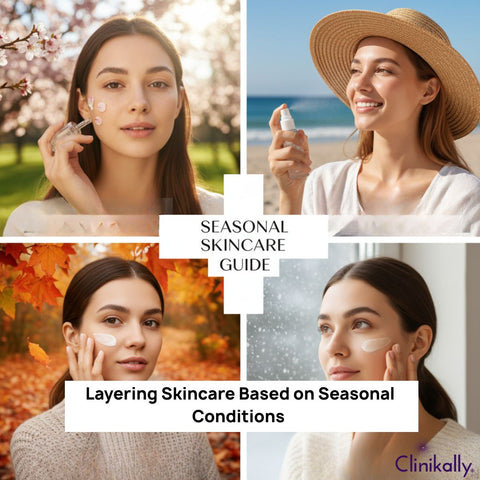
Layering skincare based on seasonal conditions is the foundation of a healthy, radiant complexion. Since climate and weather shifts affect hydration, oil production, and barrier resilience, your skincare routine should evolve to match the season. Knowing how to layer skincare products effectively ensures that your skin remains balanced, glowing, and protected, whether you’re dealing with summer heat, winter dryness, or transitional spring and autumn weather.
-
During summer, begin with a light gel cleanser, proceed with hydrating serums such as hyaluronic acid, and finish with oil-free moisturizers for a light finish.
-
Apply a broad-spectrum sunscreen SPF 30 or above as the last layer, and repeat every 2–3 hours to avoid UV damage and premature aging.
-
Avoid heavy occlusives in humid, hot weather to prevent clogged pores, excess shine, and breakouts.
-
In winter, apply a moisturizing cleanser, follow with hydrating toners or essences, then serums containing niacinamide or peptides to reinforce the barrier.
-
Seal in moisture with an emollient moisturizer or a moisturizing facial oil and end with an occlusive balm at night to shield from transepidermal water loss (TEWL).
-
For spring, add mild exfoliation by using AHAs or BHAs layered under antioxidant serums to revive skin and regain brightness after winter dullness.
-
Integrate vitamin C serums in spring to battle oxidative stress and promote a luminous glow.
-
During autumn, apply ceramide creams over moisturizing serums to restore the lipid barrier as humidity decreases.
-
Introduce facial oils in autumn for added nourishment and guarding against changing temperatures.
-
Always put on products by texture. Lightest in the beginning (serums, essences) and heaviest at the last (moisturizers, oils, sunscreens) to maximize absorption.
In summary, the optimal layering routine for skin changes with the seasons: light hydrating and boosted sun protection during summer, barrier-repair and intense moisture during winter, antioxidant refills in spring, and lipid-refortifying treatment during fall. Following these seasonal skincare recommendations shields the skin barrier, seals in moisture, and keeps the complexion smooth and radiant all year long. With the appropriate layering plan, your skin remains healthy and robust regardless of the weather.
Ingredients to Introduce or Retire During Weather Shifts
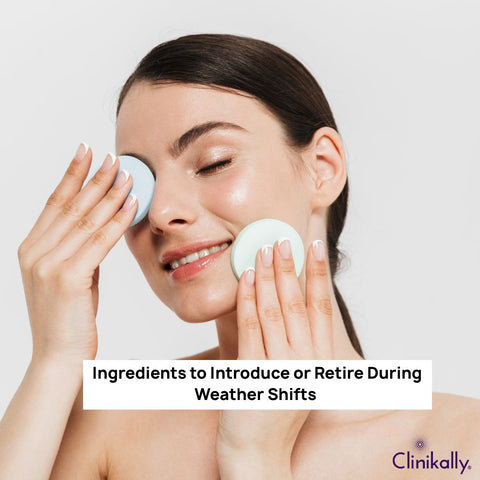
Seasonal transitions can dramatically affect the skin, making it essential to adjust your skincare routine by swapping certain actives in and out. As temperature, humidity, and UV exposure change, so do hydration levels, oil balance, and barrier strength. Knowing which skincare ingredients to introduce or retire during weather shifts ensures your skin stays radiant, hydrated, and protected year-round.
-
During summer, discontinue or dilute potent retinoids and abrasive exfoliating acids, as excessive UV exposure raises sensitivity and irritation risk.
-
Add antioxidants like vitamin C, green tea extract, and resveratrol to protect against free radical damage caused by UV light and air pollution.
-
Add lightweight hydrating ingredients such as hyaluronic acid, niacinamide, and aloe vera to keep skin plump, hydrated, and refreshed without causing pores to clog.
-
Replace heavy occlusive creams with gel moisturizers or oil-free products to allow the skin to breathe in warmth and humidity.
-
In spring, bring back mild exfoliants such as lactic acid or mandelic acid to re-brighten dull winter skin without upsetting sensitivity equilibrium.
-
Enhance antioxidant serums during spring to combat oxidative stress from heightened pollen, allergens, and external aggressors.
-
In cold weather, withdraw too-mattifying products or regular acid exfoliation, which rob the skin of vital oils.
-
Add barrier-repairing products such as ceramides, peptides, and shea butter to reinforce the lipid barrier of the skin.
-
Add moisture-rich oils like argan oil, jojoba oil, or rosehip oil to seal in moisture and fight against transepidermal water loss (TEWL).
-
In autumn, prepare for dryness by layering hydrating serums with glycerin or hyaluronic acid beneath ceramide-infused moisturizers.
The best way to keep your skin balanced is by making smart seasonal skincare ingredient swaps. Summer skincare focuses on lightweight hydration and antioxidants, winter emphasizes barrier-repairing and deep moisture, while spring and autumn routines highlight gentle exfoliation and resilience. By knowing when to introduce or retire key ingredients, you can protect your skin barrier, prevent irritation, and maintain a glowing, youthful complexion all year.
Personalizing Seasonal Skincare: Listening to Your Skin’s Signals

Ultimately, it's about listening to your skin's needs. Although seasonal guidelines are a good starting point, your skin can respond differently based on factors such as age, lifestyle, environment, and stress. By being mindful of texture changes, hydration levels, sensitivity, and breakouts, you can adapt your products and treatments on the fly for optimal results. Whether it's changing to a light moisturizer during summer, intensifying moisture during winter, or layering additional protection from the sun year-round, adjusting to your skin's demands guarantees enduring equilibrium and radiance. By listening to these cues, you establish a personalized seasonal skincare regimen that nourishes strong, healthy, radiant, and resilient skin no matter the season.