Blemished Skin: Understanding Causes and Treatments for a Clearer Complexion
Blemished skin can feel like an ongoing battle. This may make you feel uncomfortable about skin blemishes, such as acne scars, dark spots, or uneven skin tone. But don't worry, because understanding your skin is the first step towards glowing skin. This blog offers ideas and natural remedies for blemishes that are suitable for a healthy lifestyle. Let's get started and look at some simple techniques to manage blemished skin while keeping your regimen fun and fuss-free.
What Is Blemished Skin? A Scientific Perspective
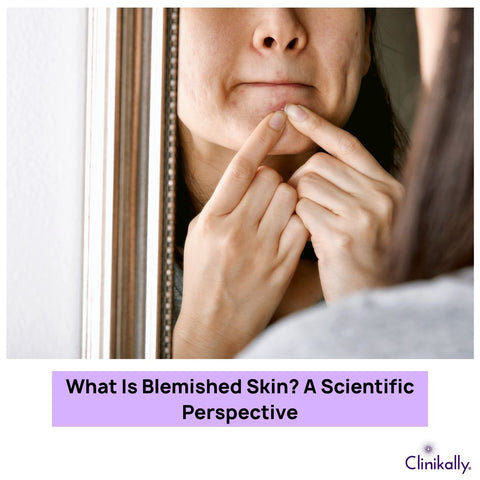
Skin blemishes are not just one problem; they are a group of skin conditions that manifest as blemishes, dark spots, and sometimes uneven skin color. Often, the problem extends beyond acne to previous acne scars, such as acne scars and post-inflammatory scars.
Understanding Skin Biology: The Role of Sebaceous Glands
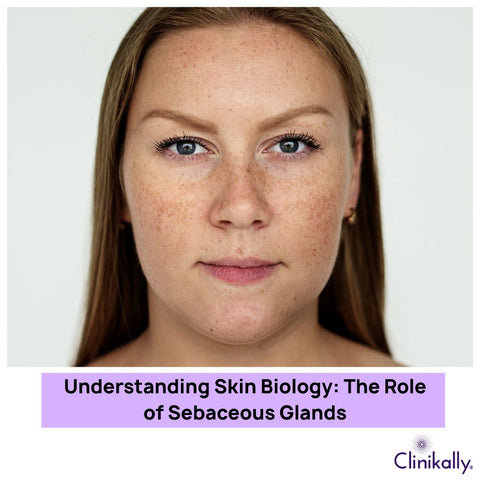
Sebaceous glands are small exocrine glands found in the dermis layer of skin. They are connected to hair follicles and are present all over the body, particularly on the face, scalp, chest, and back, but not on the palms or soles. Their principal function is to secrete sebum, which is an oily, lipid-rich material essential for skin health. Sebaceous glands are small yet powerful components of skin biology. They:
-
Keep the skin supple.
-
Support the skin barrier.
-
Are hormone-regulated
-
Balance is required: neither too oily nor too dry.
How Blemishes Form: From Clogged Pores to Inflammation
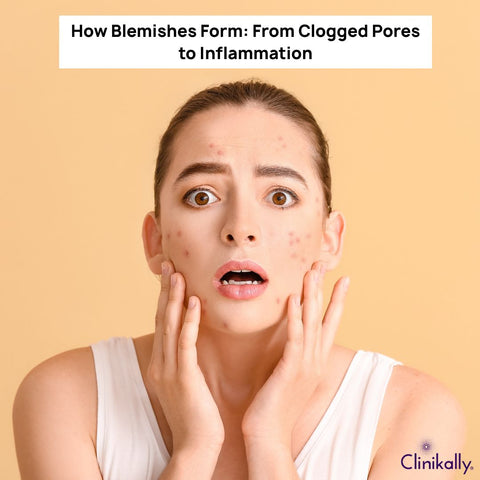
Blemishes, particularly acne-related ones, are the consequence of a complex process that includes excess oil, plugged pores, bacteria, and inflammation. Let us walk through the stages:
-
Overproduction of sebum: The sebaceous glands generate sebum, which is an oily material used to lubricate the skin and hair. Hormonal stimuli, particularly androgens (such as testosterone), can overstimulate these glands. Excess sebum interacts with dead skin cells to form a sticky environment within the pore.
-
Abnormal skin cell shedding: Skin cells normally shed and do not clog pores. Dead cells are shed irregularly in blemished skin, resulting in cell accumulation within hair follicles (pores).
-
Pore blockage: Excess sebum and dead cells clog the hair follicle. This results in comedones, which are the first obvious indicator of blemishes and whiteheads. The plug remains beneath the skin's surface and blackheads (open comedones): The plug is exposed to air and oxidizes, becoming black.
-
Bacterial overgrowth: The clogged pore provides a perfect home for Cutibacterium acnes (C. acnes), a naturally occurring skin bacterium that feeds on trapped sebum and grows inside the blocked follicle.
-
Immune response and inflammation: As C. acnes multiplies, it produces enzymes and proinflammatory chemicals. This activates the immune system, resulting in redness, swelling, and the production of papules (red lumps), pustules (pus-filled), nodules, or cysts (deeper, painful lesions).
-
Rupture and spread: In severe situations, the follicular wall ruptures, enabling contents (oil, germs, dead cells) to seep into the surrounding skin. This results in deep inflammation, possible tissue damage, and, eventually, post-inflammatory hyperpigmentation (PIH) and scarring of various forms.
-
Healing and aftermath: Healing can leave dark patches in melanin-rich skin (PIH), red marks in lighter skin tones, and textural scars if collagen is damaged, depending on genetics, skin type, and the degree of the inflammation.
Blemished vs. Acneic Skin: What’s the Difference?
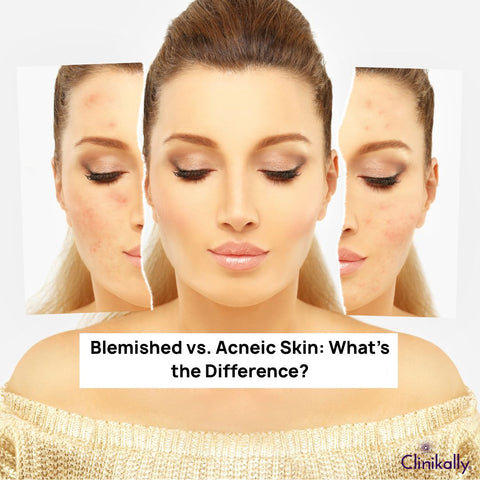
Blemishes refer to any scars, stains, or defects on the skin, but acne is a specific skin disorder defined by clogged pores that can result in a variety of blemishes such as pimples, blackheads, and whiteheads. In essence, acne is a sort of blemish; however, not all blemishes are acne. Here's a thorough breakdown:
Blemishes:
-
Definition: A blemish, spot, discoloration, or defect on the skin.
-
Examples of blemishes: acne, age spots, birthmarks, dark spots, and scars.
-
Causes: Blemishes can be caused by a variety of conditions, including acne, UV damage, hormone swings, and even cosmetic-related discomfort.
- Scope: Blemishes can range from minor and transitory to more persistent and requiring treatment.
Acne:
-
Definition: A skin disorder in which hair follicles become blocked with oil and dead skin cells, causing inflammation and the appearance of numerous forms of blemishes.
-
Types of acne lesions: Acne can appear as pimples (small, inflamed bumps), blackheads (open clogged pores), whiteheads (closed clogged pores), pustules (pus-filled bumps), or even deeper cysts and nodules.
-
Scope: Acne can range from minor, with a few pimples, to severe, with extensive inflammation and scarring.
-
Causes: Include hormonal fluctuations, excessive oil production, germs, and plugged pores.
Key Causes Behind Blemished Skin
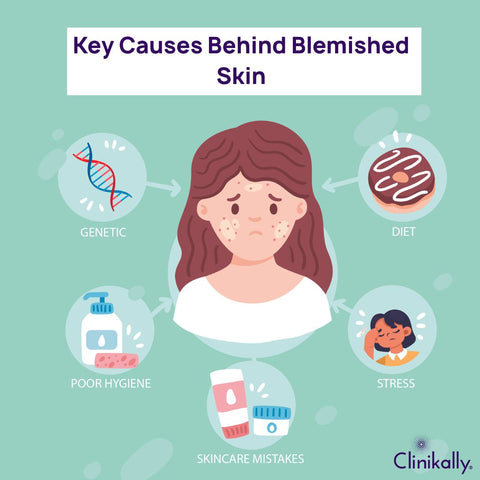
Blemishes can occur for a multitude of causes, including internal imbalances, environmental irritants, and lifestyle problems. The following are the most common culprits:
-
Excess sebum production: Hormones, specifically androgens such as testosterone, cause this. Causes oily skin and congested pores, which promotes outbreaks. Common throughout puberty, menstruation, and stressful times.
-
Clogged pores: It occur when dead skin cells, oil, and debris combine to form congestion. Poor exfoliation or poor cell turnover causes blackheads, whiteheads, and rough texture. Comedogenic (pore-blocking) products make matters worse.
-
Bacterial growth: Cutibacterium acnes (C. acnes) flourishes in blocked pores and greasy conditions. This bacteria causes inflammation, resulting in minor congestion and red, puffy lesions.
-
Hormonal fluctuations: Hormones have a direct effect on oil glands. Puberty, menstruation, pregnancy, Polyendocrine Metabolic Ovarian Syndrome (PMOS), formerly known as polycystic ovary syndrome (PCOS), and withdrawal of birth control are all common triggers, which frequently result in deeper, cystic blemishes on the jawline, chin, and cheeks.
-
Stress: It raises cortisol levels, which leads to increased sebum production and inflammation. Disrupts the skin's barrier function, causing irritation and breakouts.
-
Diet: High glycemic index foods (e.g., white bread, sugary snacks) cause insulin spikes, leading to oil production. Dairy products may affect hormones, exacerbating blemishes in some individuals. A lack of antioxidants (vitamin A, vitamin C, and vitamin E) impairs skin protection.
-
Skincare mistakes: Over-cleansing or using harsh exfoliants can peel the skin, causing rebound oiliness. Using humorous or irritating products (such as heavy oils and alcohol-based toners). Inconsistent habits or omitting SPF might exacerbate hyperpigmentation from previous lesions.
-
Environmental factors: Environmental factors such as pollution, humidity, and UV exposure stress the skin and contribute to clogged pores. Acne mechanica can be caused by sweat and friction (for example, by masks, headgear, or helmets).
-
Genetic predisposition: Having a family history of acne or oily skin enhances your risk of pimples. Skin type (e.g., oily or mixed) also influences how frequently blemishes emerge.
-
Poor hygiene and lifestyle habits: Bacterial transmission can occur when you use dirty sheets, phone screens, or makeup brushes or constantly touch your face. Lack of sleep and inadequate hydration impair the skin's capacity to repair and regulate itself.
The Influence of Hormones on Skin Balance
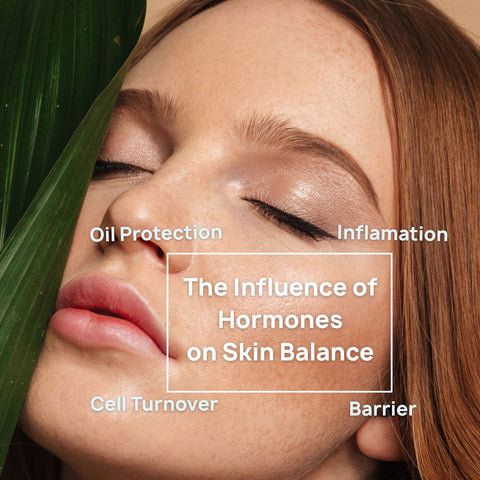
Hormones play an important part in controlling your skin's oil production, irritation, and general clarity. Understanding their influence is essential for treating blemishes, acne, and even dry or aged skin. Hormones regulate:
-
Oil production
-
Inflammation
-
Cell turnover
-
Barrier function
An imbalance can lead to breakouts, dryness, sensitivity, or premature aging – but with the correct skincare and support, it can be efficiently handled.
Environmental Stressors and Skin Microbiome Disruption
The skin microbiome is a layer of healthy bacteria, fungus, and other microorganisms that dwell on your skin. It helps to guard against hazardous infections, balance skin pH, promote immunological responses, and regulate inflammation. However, external stressors can disrupt this delicate ecology, resulting in irritation, pimples, breakouts, and weakened barrier function. A healthy skin microbiota is crucial for avoiding acne, inflammation, and aging. Environmental stressors can upset the balance, but with good habits and microbiome-friendly care, you can keep your skin clear, resilient, and peaceful.
The Link Between Lifestyle, Diet, and Breakouts

While skincare products can help manage blemishes on the outside, internal variables such as nutrition, stress, sleep, and habits can play a significant role in causing or alleviating breakouts. Understanding the inside-out link can help you achieve consistently cleaner skin.
-
Diet and Skin: High glycemic index (GI) foods include white bread, sugary drinks, chips, and refined cereals. These elevate blood sugar and insulin levels, which stimulate androgens, increase sebum production, and cause inflammation. Dairy products, specifically skim milk and whey protein. May boost IGF-1 (insulin-like growth factor) and disrupt hormonal balance. Some people experience breakouts along their jawline and chin.
-
Lifestyle habits: Habits such as not cleaning makeup brushes (bacterial overgrowth and clogged pores), frequently touching your face (transfers dirt and bacteria), using dirty pillowcases or phone screens (contributes to cheek/jawline acne), smoking or vaping (restricts oxygen, breaks collagen, dulls skin), and drinking too much alcohol (dehydrates skin and causes inflammation).
Your lifestyle and food have a direct impact on your skin's oil production, inflammation, healing capabilities, and microbiome. Making attentive changes from the inside out can result in longer-term clarity and resilience to breakouts.
Effective Treatment Approaches for Blemished Skin
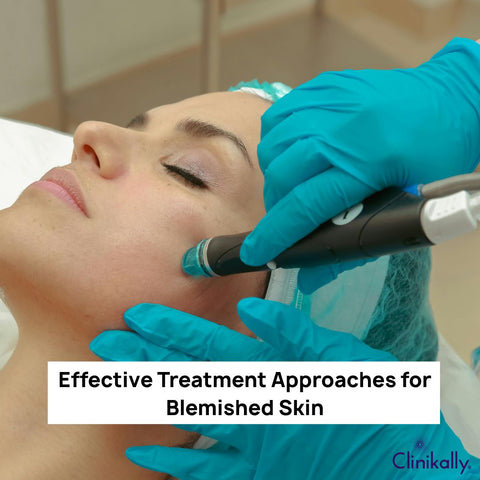
Patchy skin is best treated with a multi-pronged strategy that addresses the root causes (clogged pores, excess oil, inflammation and bacteria). The appropriate treatment depends on the severity, skin type and degree of sensitivity. Below are effective treatment methods for patchy skin:
Daily skincare routine: Use a mild, noncomedogenic cleanser twice per day. Look for salicylic acid (BHA), which penetrates pores and clears oil; lactic acid, which gently exfoliates while moisturizing; and zinc or sulfur, which lowers oil and bacteria. Even oily skin requires a moisturizer to avoid excess sebum production. Look for niacinamide (anti-inflammatory, oil-balancing) and glycerin/hyaluronic acid (hydrates without clogging). Daily, oil-free, broad-spectrum SPF 30+. Look for mineral formulas (zinc oxide/titanium dioxide) with sensitive/blemished skin and a non-comedogenic label.
Topical active ingredients that work: Ingredients include benzoyl peroxide (kills acne-causing bacteria and reduces inflammation), salicylic acid (exfoliates inside pores and reduces oil), azelaic acid (antibacterial, reduces redness and PIH), retinoids (e.g., adapalene, tretinoin) (speeds up cell turnover and prevents clogs), niacinamide (reduces sebum and soothes inflammation), and sulfur or clay (absorbs oil and unclogs pores).
In-clinic or prescription therapies: Topical medications include clindamycin + benzoyl peroxide (fights bacteria and inflammation) and tretinoin or differin (adapalene), which are stronger retinoids for deeper comedones. Oral treatments include antibiotics (e.g., doxycycline) for inflammatory acne, oral contraceptives/spironolactone for hormonal outbreaks, and isotretinoin (Accutane) for severe, scarring, or resistant acne. Chemical peels (e.g., salicylic, glycolic, and mandelic acids) exfoliate and fade marks; laser therapy or LED blue light targets bacteria and inflammation; microneedling or RF microneedling reduces acne scars and improves texture; and extraction facials.
Lifestyle and internal support: It includes an anti-inflammatory diet (low sugar, low dairy), stress reduction (to reduce cortisol-driven breakouts), balanced sleep and hydration, and gut health support.
Avoid: Avoid harsh scrubbing and alcohol-based toners. Using too many active substances at once. Blemishes can be picked or squeezed. Occlusive cosmetics or skin care items that clog pores. Without sunscreen, post-blemish hyperpigmentation intensifies.
Tailoring to your skin type: Tailoring to your skin type, including oily/resilient (salicylic acid, retinoids, benzoyl peroxide), dry/sensitive (azelaic acid, niacinamide, lactic acid, gentle retinoids), combination (target oily zones, hydrate drier regions), and hormonal acne (spironolactone, oral contraceptives, adapalene).
Calming Inflammation: The Role of Soothing Botanicals
Inflammation is a major factor in blemished and acne-prone skin, causing redness, edema, sensitivity, and post-breakout hyperpigmentation. While active therapies (such as acids or retinoids) address breakouts, soothing botanicals are critical for calming, healing, and rebuilding the skin barrier.
-
Causes red and swollen pimples.
-
Slows healing and increases the risk of scarring or post-inflammatory hyperpigmentation (PIH).
This weakens the skin barrier, making it more reactive.
Soothing botanicals work by modulating inflammatory pathways, strengthening the barrier, providing antioxidants to reduce oxidative stress, and promoting microbiome health.
The role of soothing botanicals is as follows:
-
Centella asiatica (gotu kola): high in asiaticoside and madecassoside, increases collagen synthesis and wound healing, lowers redness, irritation, and inflammation, and is especially beneficial after acne or when using strong actives.
-
Colloidal oatmeal: It contains beta-glucans and avenanthramides, which alleviate itching, burning, and redness while strengthening the skin barrier and locking in water.
-
Chamomile (matricaria recutita): It contains bisabolol and flavonoids, which have significant anti-inflammatory and antibacterial activities. It also calms reactive skin and lowers redness.
-
Green tea (Camellia sinensis): It is high in EGCG, a potent antioxidant and anti-inflammatory ingredient that decreases sebum production and bacterial overgrowth (C. acnes), as well as fighting oxidative damage and reducing swelling.
-
Aloe vera: Relieves burns, redness, and irritation; contains polysaccharides that moisturize and promote healing; and minimizes post-acne scars and inflammation.
-
Calendula (marigold): It promotes wound healing, has antimicrobial qualities, lowers redness and minor swelling, and is soft enough for sensitive skin.
-
Licorice root (glycyrrhiza glabra): It contains glabridin, a strong anti-inflammatory and brightener, which decreases redness and hyperpigmentation and helps remove PIH (dark spots following breakouts).
Deep Cleansing and Exfoliation: Best Practices for Daily Care
Blemished skin flourishes in conditions where oil, dead skin, and pollutants build, so deep washing and smart exfoliation are crucial for keeping pores clear and inflammation at bay. However, overdoing it might harm the skin barrier and exacerbate outbreaks.
-
Daily Cleansing: It takes place twice a day, in the morning and at night. Using lukewarm water (hot water can peel skin), gently massage the cleanser for 30-60 seconds and pat dry with a clean, soft towel.
-
Exfoliation: It eliminates dead skin cells, keeping them from combining with oil and producing comedones (clogs). However, more is not necessarily better; the frequency and type must be appropriate for your skin's tolerance. Chemical exfoliants (for blemished skin) should be used 2-4 times a week, depending on skin tolerance, and applied after cleansing but before serums/moisturizers. Physical exfoliants should be light, with rounded granules; apply once a week at most, and avoid if your skin is actively irritated, red, or broken out.
-
Weekly deep cleansing: Once a week, apply clay or charcoal masks to absorb excess oil and unclog pores. Steam (mild and short) might assist in loosening buildup before applying the mask. Do not exfoliate aggressively after applying the mask; instead, hydrate.
-
Protecting the skin barrier during exfoliation: To protect the skin barrier during exfoliation, always use moisturizing serums (such as hyaluronic acid) and barrier-repair moisturizers (containing ceramides or panthenol). Avoid combining numerous actives (for example, salicylic acid + retinoid + AHA in one night). Signs of over-exfoliation include tightness, redness, flaking, and stinging; discontinue exfoliants and move to barrier-repair therapy.
Hydration and Barrier Support: The Importance of Moisture Balance
Hydration and barrier support are not optional; they are necessary allies in blemish management. Even oily or breakout-prone skin requires adequate moisture to regulate oil production, minimize irritation, and speed up recovery. Acne treatments should be combined with moisturizing, barrier-repairing care for the best long-term results.
Personalized Skincare for Blemished Skin: Your Path to Radiance
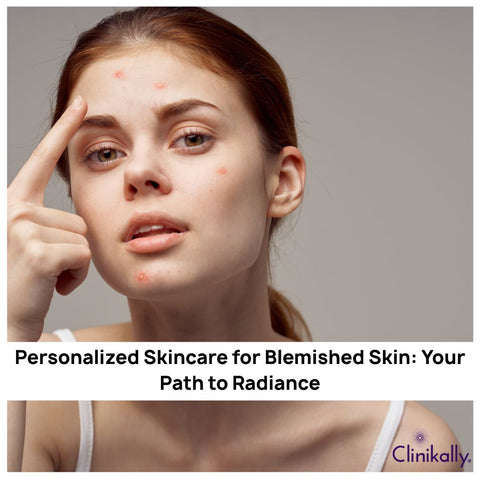
Personalized healthcare for blemished skin entails integrating evidence-based actives, barrier-repair concepts, and daily routines that promote healing. Clearer, more radiant skin is no more a pipe dream; it's your next reality with patience, mindfulness, and a sensible routine.