Body Serums vs Oils: What’s Better for Everyday Skin Care?
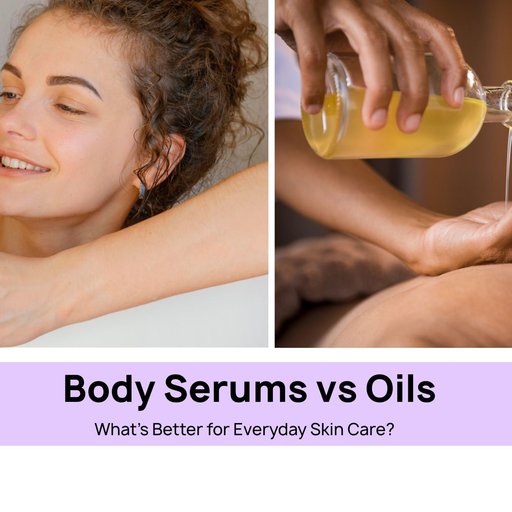
Nowadays, there are numerous methods for moisturizing your body. You can choose a rich product, such as a balm or cream, or a lightweight lotion or serum. While each product will inevitably perform the same function, there are some key variances. Consider body serums and oils, for instance. While both increase moisture and soften skin, they differ in ingredients, absorption, texture, and application. Serums, with their smaller molecules and water-based compositions, penetrate deeper into the skin, whilst body oils, made up of larger molecules, sit on the surface to seal in moisture. We asked two board-certified dermatologists to give us a complete overview of body serums and body oils. You may now devote more time to self-care while spending less time figuring out how to implement each.
Understanding the Basics: What Sets Body Serum and Body Oil Apart
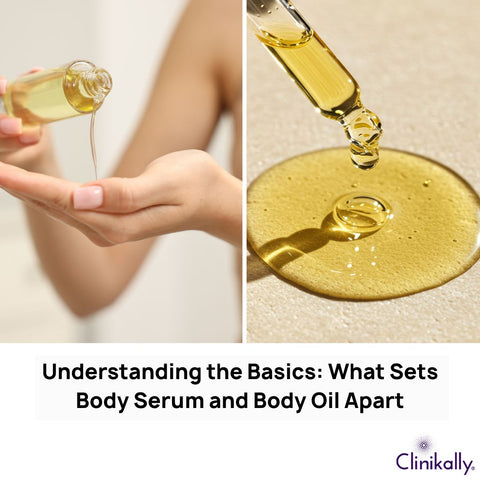
Body serums and body oils are both wonderful complements to any skincare regimen, but they serve different functions and have distinct compositions. Here's a rundown of the main distinctions to help you decide which one is best for your skin's needs:
-
Formulation and texture: Body serums are lightweight and quick-absorbing. Typically water-based or gel-like. Packed with active nutrients like hyaluronic acid, niacinamide, peptides, and antioxidants. It feels similar to a facial serum but is intended for the body. On the other hand, body oils are rich, emollient, and lipid-based. Can be made from plant oils (e.g., jojoba, argan, rosehip). Forms a protective barrier on the skin. Leaves a perceptible sheen and a more intensive moisturizing sensation.
-
Primary function: Body Serum addresses specific symptoms such as dullness, dryness, pigmentation, and aging. Delivers active substances deeply into the skin. It is ideal for layering under heavier items such as body lotions or oils. Body oil, on the other hand, has ingredients that lock in moisture and nurture the skin. Strengthens the skin's barrier and suppleness. Excellent for dry, flaky, or older skin that needs long-term hydration.
-
Absorption and Finish: Body serum absorbs fast and leaves no greasy residue behind. Perfect for morning rituals or layering beneath sunscreen. Body oil, which is slower to absorb, has a dewy or glossy appearance. Best for use in the evening or after a shower when the skin is moist.
-
When to use each: Apply a body serum. You wish to address certain skin concerns (such as uneven tone and aging). You prefer lightweight products. You intend to layer products. In contrast, if your skin feels tight, dry, or irritated, apply body oil. You want to keep moisture in. You like a richer, more sumptuous texture.
Texture and Absorption: A Molecular Look

To properly grasp how body serums and oils feel and operate on the skin, we must examine their molecular structures. The texture and absorption rate of each are determined not just by how they feel, but also by how they are manufactured.
-
Molecular composition: Body Serums include water-based or gel emulsions are predominantly made up of tiny, water-soluble molecules. Humectants, including hyaluronic acid, niacinamide, peptides, and vitamins (such as B3, C) are all important constituents. The molecular size is tiny, which allows for deeper skin penetration. Designed to imitate the skin's own hydration pathways. Body oil, which contains fatty acids, triglycerides, and non-polar molecules, is an example of a lipid-based substance. Plant oils (jojoba, coconut, and argan), squalene, and essential oils are all key constituents. Larger molecule sizes act as a barrier, rather than permitting deep penetration. Strengthens the lipid barrier by replicating the skin's natural sebum.
-
Absorption mechanics: Serums containing hydrophilic (water-loving) chemicals draw moisture into the skin. Quick absorption penetrates the stratum corneum (outermost layer) to deeper layers. There is no residue. The skin feels moisturized, smooth, and breathable. Oils that are lipophilic, or fat-loving, that combine well with the lipids in the skin make good occlusive agents. To prevent trans-epidermal water loss (TEWL), surface-level action entails sitting on top of or just under the skin layers. A smooth or glossy layer may remain after using an emollient, which softens skin and gives it a dazzling finish.
-
Skin compatibility: Serums are appropriate for oily, acne-prone, or mixed skin. Individuals looking for lightweight, active-focused items. Hot, humid weather (quick-drying and non-greasy). Oils, on the other hand, are best suited for dry, sensitive, or mature skin. Those requiring barrier repair or long-term hydration. Cold and dry conditions (where moisture retention is critical).
-
Layering logic: At the molecular level, water-based serums should be administered before oils, as oils can prevent water-based treatments from absorbing. Serums are applied first, and then actives penetrate. Oils come second, sealing everything in and preventing moisture escape.
Formulation Differences: Key Ingredients and Roles
The distinct advantages of body serums and body oils stem from how they are formulated—and what each major ingredient is intended to do. While both attempt to hydrate and nourish the skin, they use very distinct chemistry and methods.
-
Basic structure and distribution system: Body serums can be water-based or gel-based. Developed for rapid absorption and deep skin penetration. Serve as treatment vehicles for certain skin issues. Body oils, on the other hand, are made up of oil-based formulations that are often anhydrous. Designed to sit on the surface, preventing moisture loss. They act as moisture sealants and improve skin barrier function.
-
Key ingredients in body serums: Key ingredients in body serums and their roles include hyaluronic acid (a humectant that draws moisture into the skin, plumping and hydrating), niacinamide (brightens skin tone, improves texture, and strengthens the skin barrier), peptides (support collagen production and improve elasticity), vitamin C (an antioxidant that evens skin tone and protects against UV damage), AHA/BHA (help with gentle exfoliation, smoothing rough or bumpy skin), and panthenol.
-
Ingredients in body oils: Key ingredients in body oils and their roles include jojoba oil (closely mimics natural sebum; balances and hydrates without clogging pores), argan oil (rich in vitamin E and fatty acids; nourishes and softens dry skin), rosehip oil (packed with antioxidants and essential fatty acids; supports skin regeneration), squalene (lightweight, non-comedogenic oil that moisturizes and strengthens skin), coconut oil (occlusive and antimicrobial; locks in moisture and soothes irritation), and essential oils (add fragrance and therapeutic benefits; may be anti-inflammatory or calming).
-
Stability and preservation: Serums contain water and so require preservatives to prevent bacterial growth. Oils normally do not require water-based preservatives but may contain antioxidants (such as vitamin E) to prevent rancidity.
-
Synergy in skincare: Start with a body serum to release actives into the skin, then finish with a body oil to lock in hydration and nutrients. Some oils can interfere with active absorption if they are poorly stacked or combined.
Purpose and Application: When and Why to Use Each

Body serums and body oils are both crucial components of a body care routine, but their purposes, benefits, and duration of use differ significantly. Choosing the right one (or layering both) can improve skin texture, hydration, and overall health, depending on your skin's current needs and the environment.
-
Body serum: Body serums are treatment-specific. They introduce active substances into the skin, addressing specific skin issues. Use a body serum containing hyaluronic acid to deeply moisturize the skin. Vitamin C and niacinamide might help to brighten dull or uneven skin tone. To soften rough texture or lumps (such as AHA/BHA for keratosis pilaris). To firm and revitalize aged skin (peptides, retinol). After showering, apply to slightly damp skin for optimum absorption. Before applying body lotion or oil, ensure that the active ingredients can fully enter. In the morning for antioxidant protection (vitamin C and niacinamide). At night, employ repair-focused actives (retinol, exfoliating acids). Ideal for hot, humid regions, oily or acne-prone skin, lightweight, quick-dry routines, and skin in need of repair or renewal.
-
Body Oil: Body oils provide moisturizing and nourishing properties. They improve the skin barrier, soften the skin, and keep it hydrated. Use a body oil to prevent moisture loss (particularly after a shower). To moisturize and nourish dry, flaky, or irritated skin. To increase elasticity using fatty acids and antioxidants. To give the skin a healthy shine and a smooth texture. To seal in moisture, use shortly after showering while the skin is still damp. To seal in moisture, apply a serum or body lotion. At night, for complete nighttime feeding. When the weather is dry or cold, the skin is more likely to get dehydrated. Ideal for dry, sensitive, or mature skin, harsh or dry climates, after-exfoliation or shaving care, and relaxing massage or self-care rituals.
The Science Behind Body Hydration and Repair

Healthy, moisturized skin is more than just about beauty; it's also about function. The skin is the body's biggest organ and serves as a barrier against external stresses, infections, and moisture loss. The science behind how your skin keeps hydrated and repairs itself—and how skincare products like serums and oils aid in these processes.
-
Skin Structure: The skin's outermost layer, particularly the stratum corneum, is essential for moisture retention. Corneocytes (dead skin cells) are embedded in a lipid matrix, forming what is known as a "brick and mortar" structure.
-
Hydration: Water enters the epidermis through the dermis (the deeper skin layer) or topical treatments. A healthy skin barrier means less trans epidermal water loss (TEWL). Hydrating substances (such as glycerin or hyaluronic acid) operate as humectants, attracting and binding water molecules to the skin.
-
Repair Process: When skin is damaged (due to dryness, wounds, or irritation), the body responds with inflammation to protect against infection, cell turnover and migration of keratinocytes to rebuild tissue, and collagen formation in the dermis to restore structure and suppleness.
How Serums Deliver Active Ingredients Deep into the Skin
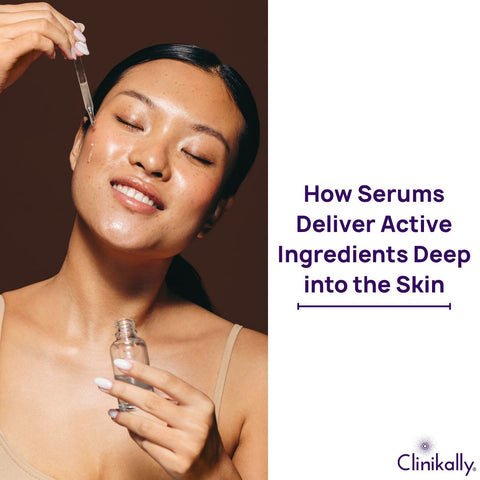
Serums are lightweight, quick-absorbing skincare solutions designed to deliver high concentrations of active chemicals deep into the skin. Their efficacy stems from a combination of small molecular size, minimal fillers, and sophisticated delivery methods.
The stratum corneum, the skin's outermost layer, functions as a protective barrier, making it difficult to absorb chemicals. Serums, on the other hand, are meant to overcome this by containing actives with low molecular weight that can penetrate through the skin's layers. Ingredients such as niacinamide, retinoids, and low molecular weight hyaluronic acid are widely employed since they can penetrate the epidermis and, depending on the formulation, influence the dermis.
Serums, unlike creams or lotions, are usually water or gel-based, making them easier to absorb. They do not contain heavy occlusives or thick emollients, therefore there are less barriers preventing active substances from penetrating. This minimum formulation guarantees that more of the main actives reach their target layers, increasing the serum's potency and efficiency. Many serums also employ sophisticated delivery techniques to increase efficacy. Liposomal encapsulation is a technology that protects unstable actives (such as vitamin C) and guides them deep into the epidermis. Nano emulsions and carrier peptides break down chemicals into particles tiny enough to pass between or through skin cells, resulting in deeper and more focused distribution.
Why Oils Seal in Moisture and Improve Skin Barrier
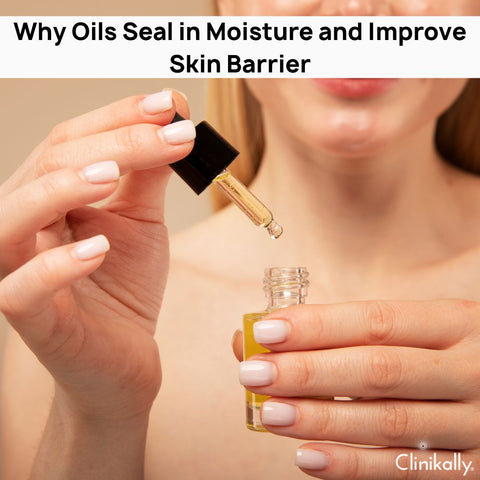
Facial and body oils do more than just moisturize the skin; they also help to lock in hydration and maintain its barrier function. The science behind how they work and why they're important in skincare is:
-
Skin barrier: The stratum corneum, your skin's outermost layer, is composed of dead skin cells (corneocytes) surrounded by lipids (ceramides, cholesterol, and fatty acids). This "brick-and-mortar" structure keeps moisture inside and irritants out. When this barrier is damaged—from over-exfoliation, strong cleansers, weather, or aging—it becomes porous, resulting in water loss, dryness, flaking, irritation, and heightened sensitivity and inflammation.
-
Oils as occlusives: Oils operate as occlusives, forming a physical barrier on the skin's surface. This does not add water to the skin, but rather traps existing moisture, particularly when used after a moisturizing serum or on damp skin. Occlusive oils (such as jojoba, argan, and marula) lower TEWL by creating a breathable layer that inhibits evaporation. This "sealing" effect keeps water-loving components like hyaluronic acid and glycerin in place, allowing them to perform better.
-
Oils support the skin’s natural lipid layer: Oils help to maintain the skin's natural lipid layer. Many plant oils contain fatty acids (omega-3, omega-6, omega-9), ceramide precursors, antioxidants, and vitamins. These ingredients imitate the skin's natural oils and replenish lost lipids, thereby restoring barrier integrity, soothing inflammation, and improving skin texture and resilience.
-
Oils enhance skin recovery and resilience: Oils improve skin recovery and resilience by reinforcing the lipid matrix, speeding up barrier repair, reducing inflammation and microcracks, preventing irritants from penetrating the skin, and enhancing softness, shine, and elasticity.
Role of Antioxidants, Fatty Acids, and Humectants
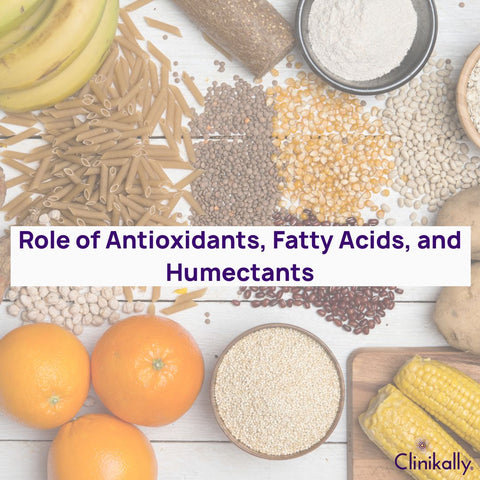
Healthy, glowing skin is built on three essential ingredient categories: antioxidants, fatty acids, and humectants, each of which plays a distinct role in hydration, repair, and protection. Together, they form a solid foundation for skin health and resilience.
-
Antioxidants: They defend skin cells against free radical damage caused by UV radiation, pollution, and stress. Free radicals hasten aging by destroying collagen, elastin, and cellular DNA. Benefits include preventing premature aging, brightening skin tone, supporting collagen formation, and reducing inflammation.
-
Fatty acids: They are important components of the skin's natural lipid barrier. They help to seal in moisture, restore damaged skin, and protect against irritants. The benefits include rebuilding the skin's protective barrier, reducing moisture loss, soothing dry or inflamed skin, and increasing smoothness and elasticity.
-
Humectants: They attract water into the skin from the environment or deeper layers, making them crucial for keeping skin plump and hydrated. Benefits include increased moisture levels, smoother fine lines, increased elasticity and softness, and improved penetration of other substances.
Finding the Right Fit: Skin Types and Seasonal Needs
Skincare is most successful when it is tailored not only to your skin type, but also to the seasonal changes that occur throughout the year. Your skin's demands change in response to temperature, humidity, and environmental factors. Understanding this dynamic helps you keep a healthy, balanced complexion all year.
-
Know your skin type: Identifying your skin type is the foundation of any skincare practice, as dry skin lacks natural oils and frequently feels tight, harsh, or flaky. It requires plenty of hydration and barrier-repairing substances including ceramides, fatty acids, and oils. Oily skin produces excessive sebum, resulting in shine, enlarged pores, and acne. It has lightweight, non-comedogenic hydration and oil-controlling ingredients such as niacinamide or salicylic acid. Combination skin contains both oily (usually in the T-zone) and dry patches. It necessitates a balanced strategy, with specific items for different zones. Sensitive skin is easily irritated, prone to redness, and reacts to strong products or climatic changes. It requires compositions that are relaxing, fragrance-free, and include few ingredients. Normal skin is well-balanced and low-maintenance, but it still requires nourishment and protection to be healthy.
-
Seasonal shifts and skin response: Seasonal fluctuations in temperature, humidity, and sun exposure cause your skin to react differently. Cold air, wind, and interior heating cause moisture loss, leaving dry and sensitive skin more vulnerable. Skincare should transition to richer, more protective products such as balms, oils, and barrier-repairing creams. Look for occlusives and emollients to help prevent trans epidermal water loss (TEWL). Heat, humidity, and sweat can clog pores and boost oil production. Lightweight, non-greasy products such as gel moisturizers, moisturizing serums, and sunscreen are necessary. Antioxidants, such as vitamin C, help to counteract free radical damage caused by the sun. High humidity may give the appearance of hydration, yet skin can still lose water. Lighter textures and humectants, such as hyaluronic acid, help to retain moisture without overwhelming the skin. Oily and acne-prone skin might benefit from balancing and clarifying products.
-
Adjusting your routine: A wise skincare routine includes seasonal modifications, such as using a cream cleanser, hydrating serum, and a heavy moisturizer or oil in the winter to combat dry skin. For dry skin in the summer, use a lighter cream, hyaluronic acid serum, and sunscreen. A lightweight moisturizer that does not strip the skin is great for oily skin throughout the winter months. Summertime oily skin should be cleansed with gel, moisturized with oil-free moisturizer, and protected with mattifying sunscreen. All year, sensitive skin deserves simple, fragrance-free, and relaxing products.
Body Serums for Oily, Acne-Prone, or Reactive Skin
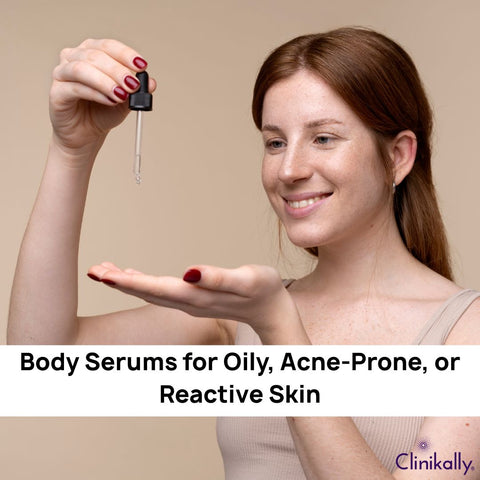
Body serums are usually water-based or gel-like, so they absorb fast and feel light on the skin. Unlike thicker moisturizers, they do not leave a greasy residue or trap perspiration and bacteria, which is helpful for those who suffer from body acne. They're also made with high concentrations of active chemicals, making them more effective at treating breakouts, oiliness, irritation, and post-acne signs. Body serums are less likely to overrun the skin barrier for reactive or sensitive skin, especially if you avoid formulas with fragrance, alcohol, or abrasive exfoliants. They're also ideal for layering under lightweight lotions when extra hydration is desired. The effectiveness of a body serum is largely determined by its active ingredients, which should be selected based on your specific skin concerns:
-
Niacinamide is a multipurpose substance that regulates sebum production, decreases inflammation, and enhances skin tone. Ideal for oily, acne-prone skin.
-
Salicylic acid (BHA) is a beta-hydroxy acid that penetrates and exfoliates inside pores, removing excess oil and dead skin cells. Ideal for treating and preventing body acne.
-
Azelaic acid reduces inflammation, combats acne-causing bacteria, and aids in the removal of post-inflammatory hyperpigmentation.
-
Zinc PCA regulates oil and provides antimicrobial benefits, thereby preventing new breakouts.
-
Tea tree extract is a natural antibacterial and anti-inflammatory agent that reduces acne and redness.
-
Centella asiatica, also known as gotu kola, is a potent skin-soothing herb that promotes healing and reduces irritation—ideal for reactive or inflamed skin.
-
Gluconolactone (PHA) is a gentle exfoliant ideal for sensitive skin that cannot tolerate stronger acids.
Body Oils for Dry, Dehydrated, or Mature Skin
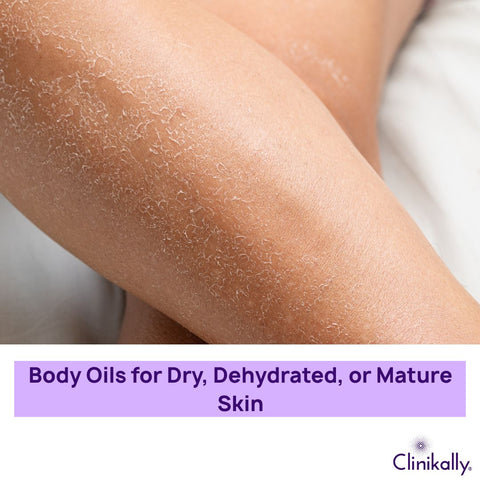
If your skin is frequently tight, flaky, harsh, or thin, body oils can be a very beneficial option. Oils do more than soften dry, dehydrated, or older skin; they also help rebuild the skin barrier, lock in moisture, and improve suppleness. When chosen and used appropriately, body oils can convert drab, fragile skin into skin that is smooth, resilient, and beautiful.
-
Deep moisture sealing: Oils provide a protective barrier on the skin's surface, limiting trans epidermal water loss (TEWL), a common issue with dry or aging skin. They do not offer water, but they do help to retain moisture from hydrating serums or damp skin.
-
Barrier restoration and strengthening: Dry and aged skin frequently has a compromised lipid barrier. Oils high in essential fatty acids repair this barrier, enhancing the skin's capacity to retain moisture and guard against irritants.
-
Nutrient-dense for skin health: Many body oils contain vitamins, antioxidants, and anti-inflammatory components that promote collagen synthesis, battle free radicals, and relieve inflammation.
-
Improved texture and elasticity: Oils improve texture and elasticity by softening rough spots, increasing suppleness, and reducing the appearance of fine wrinkles or creepy skin—especially good for adult bodies.
Adjusting Your Routine for Weather and Environment

Your skin is always responding to environmental changes, so you must alter your skincare routine to account for weather, climate, and environmental stressors. Temperature, humidity, wind, sun exposure, and pollution all have a direct impact on your skin's hydration, oil production, barrier strength, and appearance. By adjusting your routine seasonally and based on your location, you may avoid irritation, dryness, breakouts, and premature aging while keeping your skin balanced and healthy year-round.
-
Summer: During hot and humid weather, excessive sweating, extra sebum, and higher UV radiation can cause breakouts, shine, and sun damage. The skin may feel greasy and clogged, particularly in tropical or coastal areas. Adjustments include using a gentle gel or foam cleanser to eliminate sweat, sunscreen, and excess oil. Replace heavy moisturizers with lighter, oil-free lotions or gel creams. Antioxidant serums, such as vitamin C or green tea, can help battle free radical damage caused by UV light and pollution. Apply a broad-spectrum sunscreen with an SPF of 30 or higher every day. If you have acne, try niacinamide or salicylic acid to regulate oil and care for your pores.
-
Winter: Cold weather and dry indoor heating deplete skin's natural moisture, resulting in flakiness, tightness, sensitivity, and even breaking. For many people, this is the moment when their skin's barrier is lowest. Adjustments include switching to a creamy, non-foaming cleanser that does not dry out the skin. Hydrating serums containing hyaluronic acid, panthenol, or glycerin can help draw water into the skin. To lock in moisture, layer on richer creams or balms containing ceramides, shea butter, or fatty acids. Use face or body oils such as rosehip, argan, or squalene to help restore the lipid barrier. Add a humidifier to your interior environment to keep moisture in the air.
-
Monsoon or high-humidity climates: While it may appear that your skin is moisturized during the humid or rainy seasons, water can still evaporate from the skin, and excessive humidity can provide a breeding ground for bacteria, perspiration, and clogged pores. Adjustments include using lightweight, quick-absorbing hydrators such as aloe vera, centella asiatica, or polyhydroxy acids (PHAs). Use non-comedogenic moisturizers to avoid clogged pores. Exfoliate lightly with salicylic or lactic acid 2-3 times each week to avoid buildup and body acne. Consider using antifungal body cleansers if you are prone to fungal outbreaks, particularly in the body folds or on your back.
-
Pollution and urban exposure: Pollution levels in cities are high, which can lead to oxidative stress, dullness, and premature aging. Pollutants adhere to the skin's surface, infiltrate pores, and promote collagen degradation. Adjustments include a second cleanse in the evening to remove grime, SPF, and pollutants, beginning with micellar water or cleaning balm and ending with a light face wash. To counteract pollution-induced damage, use antioxidant serums containing resveratrol, vitamin C, or niacinamide. Ceramides, peptides, and fatty acids all help to strengthen your skin's barrier. Don't skip sunscreen, especially in polluted or gloomy situations, because UV and pollution combine to injure the skin.
Choosing Smart: Tailoring Body Care to Your Routine and Goals

Smart body care entails developing a routine that matches your lifestyle while successfully meeting your skin's needs. Understanding your skin, setting clear goals, and selecting the correct products and textures can allow you to establish a consistent routine that produces obvious, long-lasting benefits without overwhelming you.