Butt Acne Treatment: How to Get Smooth, Clear Skin Fast
Butt acne can be unattractive and unpleasant. Some home remedies may help unclog clogged follicles and remove pimples on the buttocks. Butt acne is not the same as facial acne. A facial breakout is usually caused by acne vulgaris, which has its own set of treatments and therapies. Anyone who has used these treatments to clear up acne on their buttocks will find that they do not produce the same effects.
Butt acne is sometimes a misnomer for another condition. The medical word is "folliculitis." Folliculitis attacks the hair follicles, not the skin's pores. Folliculitis develops when hair follicles get clogged and infected with germs, resulting in red lumps and pus-filled follicles. These clogged hair follicles resemble pimples or blocked pores, so many individuals mix the two disorders.
Understanding Butt Acne: Causes & Common Triggers
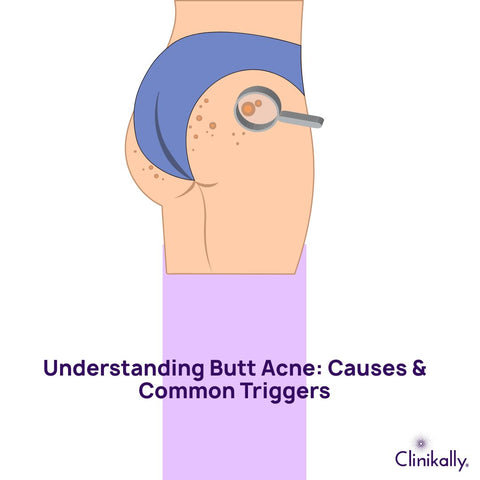
Butt acne, despite its name, is not the same as facial acne. Folliculitis is most commonly defined as the inflammation or infection of hair follicles and clogged pores caused by sweat, dead skin cells, and friction. Pimples, red bumps, or pus-filled patches on the buttocks that can be irritating, painful, or persistent. The primary causes of butt acne are
-
Blocked hair follicles: Dead skin, sweat, and sebum (skin oil) can clog the follicles, causing breakouts.
-
Bacterial or fungal infections: When clogged follicles become infected (particularly with Staphylococcus aureus), painful pustules develop.
-
Friction and pressure: Tight clothing, prolonged sitting, and constant rubbing from leggings or underwear. These cause irritation and trap moisture, ideal conditions for folliculitis.
-
Sweat and poor hygiene: Not showering immediately after sweating can lead to bacterial growth, clogged pores, and inflammation.
-
Dry skin: In dry or cold climates, dry skin accumulates, clogs follicles, and raises the risk of irritation.
The Difference Between Folliculitis and Acne
The comparison can help you grasp the difference between folliculitis and acne, which may appear similar but are caused and treated differently.
-
Acne: It is a chronic skin disorder in which the hair follicles become blocked with oil (sebum), dead skin cells, and bacteria. This causes whiteheads, blackheads, papules, pustules, nodules, and cysts. It is typically found on the face, chest, back, and shoulders. Key causes include hormonal fluctuations, excessive oil production, bacterial overgrowth (Cutibacterium acnes), hereditary factors and nutrition, stress, and certain medications.
-
Folliculitis: Folliculitis is an inflammation or infection of the hair follicles that is commonly caused by friction, perspiration, bacteria (typically Staph) or fungi. Commonly found on the buttocks, thighs, beard area, and scalp. Tight clothing, poor post-workout cleanliness, shaving/waxing, prolonged sitting or perspiration buildup, and hot tubs are all potential factors.
Role of Sweat, Friction, and Blocked Pores
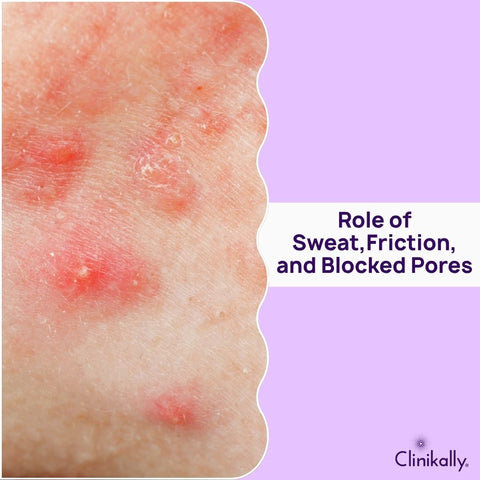
The role of sweat, friction, and blocked pores in causing butt acne and other skin issues such as folliculitis:
-
Sweat (A Bacterial Breeding Ground): Sweat is not inherently dirty, but when combined with bacteria, oil, and dead skin cells, it provides an excellent environment for clogged pores and follicular irritation. Sweating softens skin, making it more susceptible to friction damage; traps germs, which can cause inflammation or infection; and mixes with oil, causing blockages in hair follicles. Not showering after workouts or wearing sweaty clothes for too long.
-
Friction (Constant Rubbing = Constant Irritation): Tight clothing, synthetic fabrics, or prolonged sitting can damage or inflame hair follicles, press bacteria and sweat deeper into the skin, and worsen folliculitis, particularly on the buttocks and thighs. Tight undergarments or leggings, long commutes or sedentary jobs, and strenuous physical activity all contribute to friction. Choose moisture-wicking, breathable fabrics, such as cotton or athletic blends.
-
Blocked Pores: Blocked pores or hair follicles occur when dead skin cells, excess oil (sebum), sweat, or germs clog them up. It causes whiteheads or blackheads (acne) and red, inflammatory pimples (folliculitis). Causes of clogged pores include a lack of exfoliation, wearing unclean or tight clothing, using heavy, pore-clogging body products, and failing to cleanse skin after sweating. To keep pores clean, use salicylic acid or glycolic acid body wash 2-3 times a week.
Why It’s More Common Than You Think

The role of sweat, friction, and blocked pores in causing butt acne and related skin issues such as folliculitis:
-
High-friction, low-airflow area: The buttocks are virtually always covered, using tight or non-breathable textiles. This causes continual friction, trapping sweat and heat, and insufficient ventilation. That's the perfect recipe for clogged follicles and discomfort.
-
Everyone sits a lot: Whether for work, driving, or lounging, extended sitting puts pressure and friction on the skin. Heat accumulates, making the skin more susceptible to irritation. This regular pressure inflames the hair follicles, causing outbreaks.
-
Post-workout hygiene is often missed: People sometimes overlook post-workout cleanliness, such as delaying showering or wearing sweaty clothes for an extended period of time. This encourages bacteria to grow and sweat to combine with dead skin, causing follicles to become plugged.
-
Misconceptions equal lack of treatment: Several individuals claim, "It's just a rash," "It's not acne, so it'll go away on its own," or even "I'm embarrassed to talk about it." This causes a delay in care, making illness appear less uncommon than it is - it is just underreported and untreated.
-
Common lifestyle triggers: Common lifestyle factors include synthetic underwear/leggings, inadequate air circulation around the skin, shaving, waxing, or hair removal, hot climates, and tight workout gear.
-
Everyone has hair follicles: Everyone has hair follicles, even on their buttocks! Folliculitis, which is essentially inflamed hair follicles, can affect anyone with skin and hair.
Treatment Options That Work: From OTC to Natural
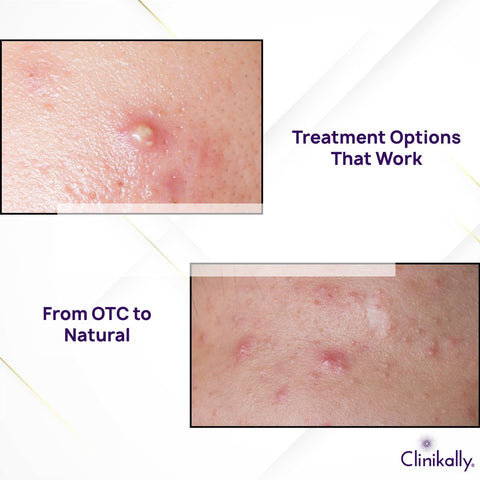
Effective treatment choices for butt acne and folliculitis, ranging from over-the-counter (OTC) to natural therapies, allowing you to select what works best for your skin type and lifestyle. These are reasonably priced, easily accessible, and suitable for the majority of mild to moderate cases.
-
Benzoyl peroxide (5%-10%): Kills acne-causing bacteria and clears clogged pores. Apply as a wash or spot treatment. Let it sit for 1-2 minutes before rinsing.
-
Salicylic acid (2%): Exfoliates inside pores and prevents and treats clogged follicles.
-
Glycolic or lactic acid: AHA exfoliants that smooth the skin and prevent dead skin buildup.
-
Topical retinoids (adapalene): Improves cell turnover and prevents clogged follicles.
-
Antibacterial or antifungal creams: Creams containing clindamycin (for bacterial folliculitis) and ketoconazole or clotrimazole is an antifungal ingredients (for fungal infections).
These are best suited for mild cases or as supplementary care.
-
Tea tree oil (diluted): A natural antibacterial and antifungal; dilute with a carrier oil (such as jojoba or coconut) and apply with a cotton swab 1-2 times daily.
-
Warm compresses: Reduce inflammation and help drain pus from infected follicles; apply for 10-15 minutes, 2-3 times per day.
-
Apple cider vinegar: Antimicrobial properties; mix 1 part ACV with 2 parts water and gently dab the afflicted area with a cotton swab.
-
Oatmeal baths: Reduce skin irritation and itching. In a warm (not hot) bath, add 1 cup of colloidal oatmeal, and soak for 15 to 20 minutes.
-
Aloe vera gel: Reduces inflammation and promotes healing. Apply 100% pure aloe gel directly to the area.
Salicylic Acid and Benzoyl Peroxide for Targeted Action
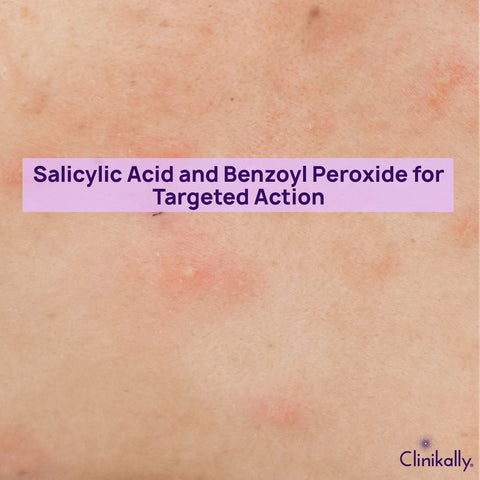
Salicylic acid and benzoyl peroxide are two of the most efficient and tested medicines for treating buttock acne and folliculitis. Here's a detailed explanation of how they function, when to use them, and how to combine or select them for the greatest outcomes.
-
Salicylic acid: Type (beta hydroxy acid (BHA)), primary action (exfoliates interior pores), strengths (unclogs pores, eliminates dead skin), ideal for (blackheads, whiteheads, greasy skin), and OTC strength (often 0.5%-2%).
-
Benzoyl peroxide: Type (antibacterial agent), principal action (kills acne-causing bacteria, particularly C. acnes), strengths (reduces inflammation and dries up pimples), ideal for (red, inflammatory pimples, folliculitis), and OTC strengths (2.5%-10%).
Gentle Exfoliation with AHAs and BHAs
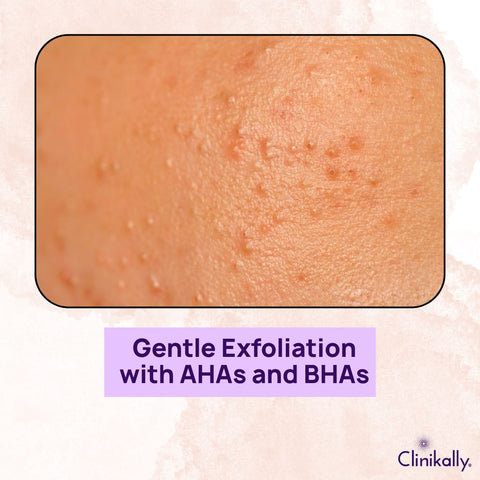
Gentle exfoliation using AHAs (alpha hydroxy acids) and BHAs (beta hydroxy acids) is one of the most effective and skin-friendly strategies to prevent and treat butt acne and folliculitis. Here's a breakdown of how they function, what to use, and how to do it securely.
-
AHAs (Alpha Hydroxy Acids): They are water-soluble exfoliants that work on the skin's surface to remove dead skin cells, smooth rough texture, and reduce discoloration and scarring. Common AHAs include glycolic acid, lactic acid, and mandelic acid (gentler).
-
BHAs (Beta Hydroxy Acids): They are oil-soluble exfoliants that penetrate deep into pores to dissolve excess oil (sebum), unclog pores, and reduce inflammation. Main BHAs include salicylic acid.
Natural Ingredients Like Tea Tree Oil and Aloe Vera

Natural components such as tea tree oil and aloe vera can be quite beneficial in treating butt acne and folliculitis, particularly for people with sensitive skin or who want a gentler, more holistic approach. Here's how they function and how to apply them effectively:
-
Tea tree oil (Nature’s antibacterial and antifungal powerhouse): Kills the bacteria and fungus that cause folliculitis and acne, decreases inflammation, redness, and swelling, and aids in the drying of pimples without using harsh chemicals. Combine 1-2 drops with a carrier oil (such as jojoba or coconut oil). Gently apply with a cotton swab to clean, dry skin. Use once or twice a day (more frequently if tolerated).
-
Aloe vera: A gentle healer and hydration booster. Benefits include relaxing inflammatory or itchy skin, promoting faster healing of red or irritated bumps, moisturizing without clogging pores, and maybe helping remove post-acne dark stains. Choose 100% pure aloe vera gel. Apply a thin layer to clean skin; no need to rinse, and apply 1-2 times per day, particularly after exfoliating or treating. Keep it in the fridge for a cooling and anti-inflammatory effect.
Everyday Practices That Prevent Flare-Ups
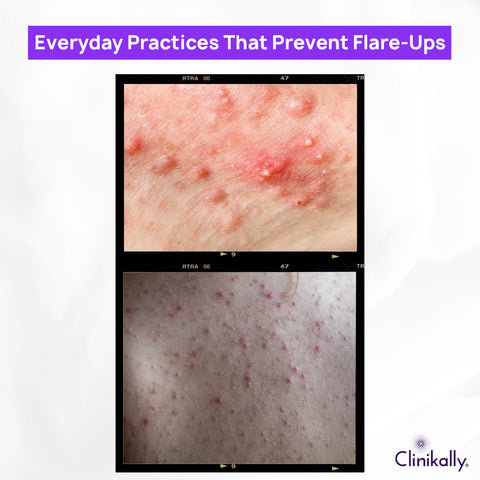
Everyday practices make a significant impact in preventing butt acne and folliculitis flare-ups. Even with fantastic products, if daily routines cause friction, block pores, or trap germs, breakouts will continue to occur. Here's how to maintain clear, smooth skin with simple, persistent practices:
-
Wear breathable and clean clothing: Choose cotton underwear or moisture-wicking fabrics, change out of sweaty clothes immediately after workouts, and wash gym clothes after each usage.
-
Shower smartly and on time: Shower within 30 minutes of sweating or working out, use a light body wash containing salicylic acid or benzoyl peroxide, and wash your buttocks last to remove shampoo/conditioner residue.
-
Change sheets and towels regularly: Change your bedding and towels on a regular basis. Wash your bed linens once a week, use a separate towel for your body and face, and dry off gently – pat, not rub. Dirty bedding and towels can carry bacteria and oil to your skin.
-
Exfoliate gently (2-3 times/week): Instead of abrasive scrubs, use chemical exfoliants like AHAs and BHAs. It focuses on eliminating dead skin cells that obstruct the follicles. Avoid using loofahs or abrasive brushes, as these might exacerbate inflammation.
-
Moisturize everyday: Skin = a healthier, less irritable skin barrier Choose lotions that are non-comedogenic and fragrance-free. Ceramides, aloe vera, and lactic acid are all examples of calming substances.
-
Shave with Care (or Skip It): Use a clean razor, shave with the grain, and use a soothing, antibacterial lotion afterward. Alternatively, trim instead – shaving frequently causes irritation and ingrown hairs on the buttocks.
-
Avoid prolonged sitting: Take standing/stretching breaks every hour, use breathable cushions or pads for extended periods of sitting, and persistent pressure and friction on the buttocks can create flare-ups.
-
Keep an eye on what you apply: On acne-prone skin, avoid thick body butters, coconut oil, and heavy creams, as well as fragranced lotions and talc-based powders. Instead, opt for light, acne-safe solutions that won't clog pores.
-
Be consistent rather than aggressive: Stick to your routine even when skin is clear, don't over-exfoliate or mix too many actives at once, and be patient — clear skin requires time and consistency.
Choosing Breathable, Sweat-Wicking Fabrics
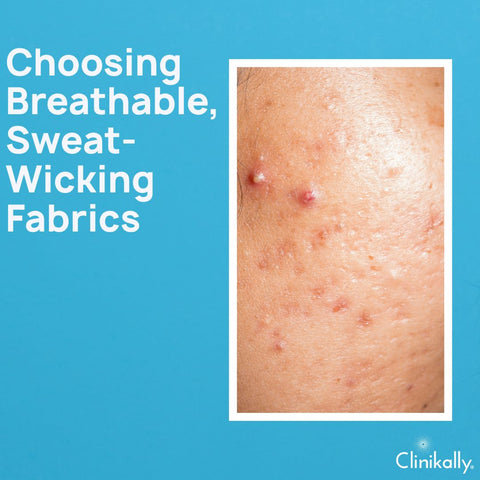
Choosing the correct textiles can significantly reduce butt acne and folliculitis. Tight, non-breathable clothing collects sweat, oil, and bacteria, creating the ideal conditions for breakouts. Here's how to choose textiles that will keep your skin dry, cool, and clear.
-
Cotton: Soft, breathable, gentle on the skin, and absorbs moisture – ideal for everyday wear. Best for sleepwear, everyday underwear, and relaxing.
-
Modal & bamboo: Modal and bamboo are silkier, more breathable, more moisture-wicking than cotton. They are also naturally antimicrobial and mild on delicate skin. Ideal for underwear, leggings, and PJ shorts.
-
Moisture-wicking synthetics (for workouts): Designed to draw perspiration away from the skin and dry fast, lowering the risk of bacterial overgrowth during exercise. Look for polyester/spandex blends marketed as "moisture-wicking" or "breathable". Ideal for gym clothing, long treks, and hot weather.
Showering After Workouts and Proper Hygiene
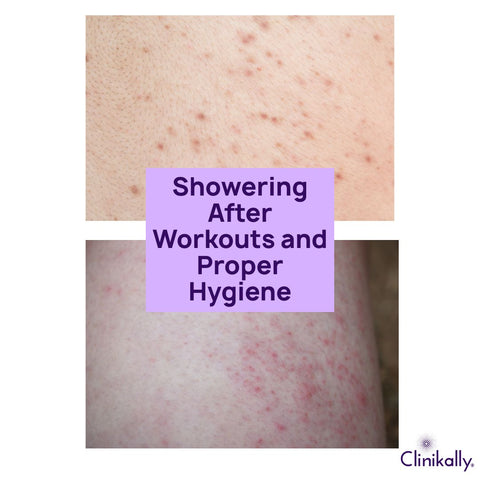
Showering after a workout, along with maintaining basic cleanliness, is one of the most crucial practices for avoiding and treating butt acne and folliculitis. Sweat, oil, friction, and germs build up quickly during exercise or regular activity, thus properly washing your skin helps prevent flare-ups from occurring. Here's what you should do (and avoid):
Post-workout showers
When you sweat, your pores open up, especially on the buttocks and thighs, and bacteria (such C. acnes and Staph) grow in wet regions. Sweat + friction from tight clothing = clogged hair follicles, and trapped perspiration dries, leading to inflammation, itching, and breakouts.
Proper showering routine (especially after sweating)
-
Shower ASAP: Within 30 minutes of intense sweating is ideal, and if you can't shower immediately, wipe down with a fragrance-free body wipe.
-
Apply an acne-safe cleanser: Look for salicylic acid (BHA). It unclogs pores and exfoliates. Benzoyl peroxide destroys bacteria. Gentle, pH-balanced washes protect the skin barrier. For optimal results, allow medicated shampoos to stay on the skin for 1-2 minutes before washing.
-
Wash your butt last: Wash your buttocks last, as shampoo and conditioner can leave residue that clogs pores. Rinse your entire body after washing out hair products.
-
Avoid rough scrubbing: Use your hands or a soft towel – no loofahs or abrasive scrubs, as excessive friction can aggravate folliculitis and acne.
-
Dry the proper way: pat dry with a clean towel without rubbing. Do not reuse damp towels (they contain bacteria).
Avoiding Harsh Scrubs and Overwashing
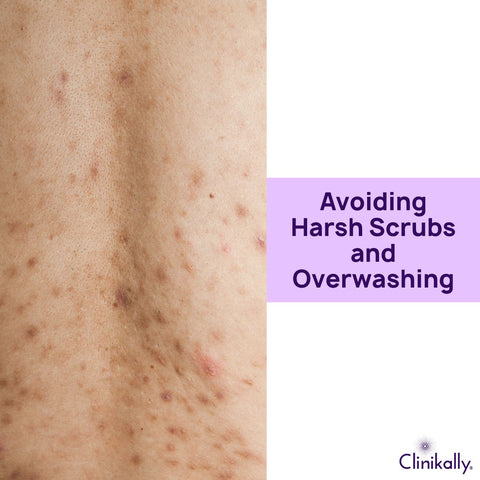
If you want to cure or prevent butt acne and folliculitis, you should avoid abrasive scrubs and excessive cleaning. While it may be tempting to "scrub it all away," overly aggressive skin care can exacerbate the problem by creating irritation, micro-tears, and inflammation. They can irritate hair follicles, causing further breakouts, or produce micro-tears in the skin, leading to irritation. Scrubbing over active pimples can spread bacteria and break the skin barrier, leaving your skin exposed. Gritty scrubs (such as walnut shell, apricot, or sugar-based) may feel pleasant, but they are too harsh for acne-prone or delicate areas like the buttocks.
When to Seek Medical Advice for Persistent Butt Acne
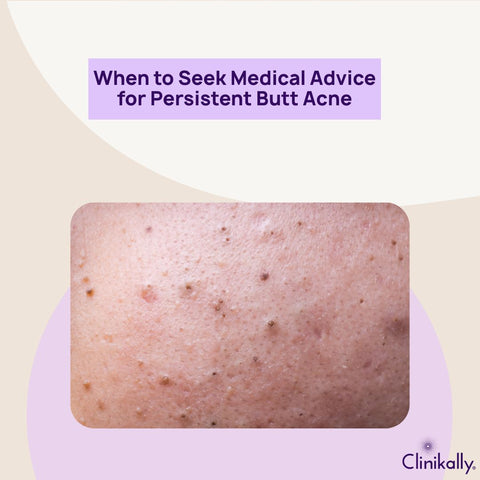
Knowing when to seek medical attention for persistent butt acne or folliculitis is critical for preventing long-term skin damage, scarring, or worsening symptoms. While many cases can be treated at home with over-the-counter medications and proper cleanliness, more severe or stubborn cases require expert attention.
-
Does not respond well to consistent home care.
-
Worsens or becomes painful.
-
Or you are unsure if it is acne.
It's time to seek professional advice. A quick visit can save you months of frustration and help you get the right diagnosis and treatment right away.