Calamine for Acne: An Old Remedy with New Relevance
Calamine lotion, for many years relied on for its therapeutic touch, is drawing new attention as a possible solution to oily skin and acne. The calming effect of calamine on sensitive skin is enhanced by its zinc oxide and ferric oxide ingredients, which alleviate inflammation, dehydrate excess oil, and reduce the visibility of pimples. As more individuals look for gentle, budget-friendly skincare solutions, calamine is becoming a buzzworthy acne remedy-particularly for those fighting against hormonal acne, maskne, or the occasional breakout. This centuries-old pink lotion provides antibacterial properties, reduces redness, and aids in spot treatment without nasty side effects. Dermatologists as well as skincare fans are relearning about calamine as a part of minimalistic skincare habits and homemade acne treatments. With a world so fixated on active ingredients such as salicylic acid and niacinamide, calamine offers a balanced option that is both effective without being irritating. Find out with Clinikally how this old-school over-the-counter remedy can be a force to be reckoned with in your acne-fighting weapons.
Understanding Calamine Lotion: More Than Just a Rash Solution
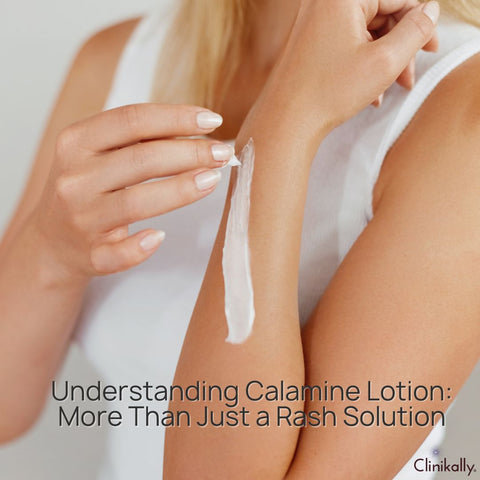
Calamine lotion, which is commonly known for soothing itchy rashes and insect bites, has so much more potential in skincare than what most know. Zinc oxide- and ferric oxide-enriched pale pink topical solution, once studied only for its antiseptic, anti-inflammatory, and soothing effects, is now being researched for its oil-absorbing properties-particularly in acne skin and sensitive skin. Its redness-calming, excess-sebum-controlling, active-breakout-drying action makes it a very useful but lesser-known participant in acne skincare. Outside of its conventional application, calamine is now popular as a natural spot treatment and after-sunburn relief. With the popularity of minimalistic regimens and barrier-friendly products, calamine lotion easily becomes a part of soothing, effective skincare routines. As dermatologists return to this ancient formula, it's becoming increasingly apparent that calamine is greater than just a childhood rash remedy-it's a multi-purpose skin hero with newfound relevance for contemporary acne treatment.
What is Calamine Lotion Made Of? Key Ingredients & Their Role
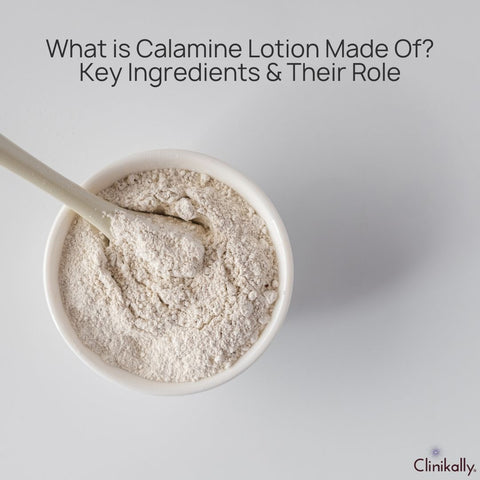
Calamine lotion is a very popular topical treatment for its calming and anti-itching effects. Generally used to soothe skin irritation, insect bites, sunburn, and minor rashes, the pink-colored lotion has been a skincare favorite because of its mild yet potent ingredients. Knowing what it's composed of can assist users in making better choices about its application and uses.
-
Calamine: A combination of ferric oxide in a small quantity and zinc oxide, calamine is the active ingredient. It possesses anti-itch, cooling, and slight antiseptic activity.
-
Zinc Oxide: Famous for its skin-protectant features, zinc oxide serves as an irritant barrier and exerts anti-inflammatory and astringent action.
-
Ferric Oxide (Iron Oxide): Imparts pink color to calamine and contributes to mild astringent action.
-
Glycerin: Humectant that brings moisture to the skin, not allowing it to become too dry upon application.
-
Bentonite Clay: In some cases, added for its absorptive ability, and it will pull impurities and extra oil out of the skin.
-
Water: The base and solvent for all the ingredients to ensure ease of application.
-
Phenol or Liquefied Phenol (optional): Added to some treatments for local anesthetic and antiseptic properties.
-
Calcium Hydroxide (optional): Can be utilized to adjust the pH and help stabilize the lotion.
-
Sodium Citrate or Citric Acid: Employed as a pH buffer and for stability of the formulation.
-
Preservatives: Incorporated in trace quantities to guard against microbial contamination and increase shelf life.
Calamine lotion's combination of ingredients cooperates to soothe, defend against, and moisturize irritated skin without inflicting further damage or sensitivity. Its long-proven formula makes it a solution of choice for most minor skin problems, providing relief and assurance. Few products available at Clinikally containing calamine are:
How Calamine Works on Skin: Soothing and Absorbing Properties
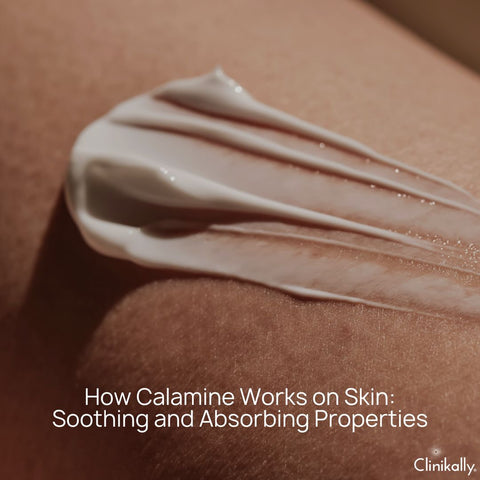
Calamine acts upon the skin through the aggregation of physical, chemical, and anti-inflammatory effects, making it useful for calming irritation, itching, and drying up moisture or oil in excess. This is how its mechanism of action operates:
-
Anti-Pruritic Effect (Alleviates Itchiness): The zinc oxide in calamine creates a water-impermeable barrier on the skin and minimizes irritation by acting as a barrier to external irritants. It also numbly anesthetizes the surface of the skin, alleviating itchiness due to insect bites, allergic rashes, or sunburn.
-
Astringent Action: Zinc oxide and ferric oxide possess astringent activities in that they strengthen skin proteins, stop or reduce inflammation, and decrease oozing from minor skin injuries or irritations. Calamine is thus utilized to dry up blisters or weeping rashes.
-
Mild Antiseptic Activity: Calamine is capable of preventing secondary infection through mild disinfection of the skin surface, though it is not a potent antibacterial agent. The action is largely due to zinc oxide.
-
Adsorption of Excess Moisture and Oil: Bentonite clay or kaolin (where present) in the preparation functions as an absorber, pulling out sebum, sweat, or pus, and drying the skin. This is very effective in disorders such as prickly heat or acne.
-
Heat-inhibition Effect: As it evaporates slightly when applied, calamine produces a brief cooling sensation, calming inflamed skin and distracting from pain.
-
Barrier Formation: Zinc oxide forms a physical barrier that shields damaged or sensitive skin from outer friction, allergens, and irritants, hence enabling the skin to heal.
All these mechanisms combine to make calamine lotion an efficient topical agent for soothing inflamed, itchy, or irritated skin while inducing a cleaner, more balanced environment of the skin.
A Look at Calamine's Anti-Acne Potential
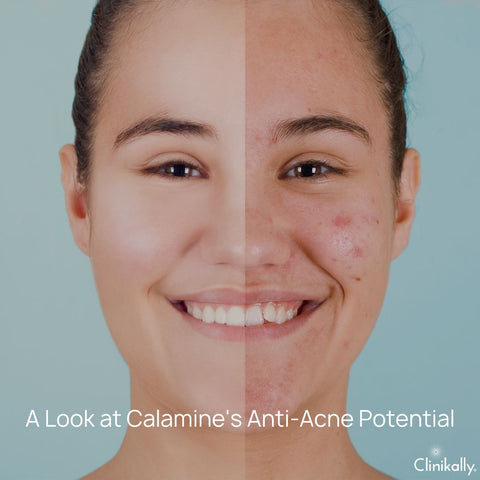
Calamine demonstrates anti-acne efficacy through a combination of physicochemical, anti-inflammatory, and mild antimicrobial mechanisms, making it a supportive topical agent in the management of mild to moderate acne vulgaris. Its formulation, primarily composed of zinc oxide and ferric oxide, contributes to acne control through the following pathways:
-
Zinc oxide and secondary excipients such as bentonite or kaolin possess lipophilic absorbent qualities that render them quite successful at lowering surface sebum levels. By lowering excess oil, calamine reduces follicular occlusion-a key inciting factor in acne development.
-
Zinc oxide has a localized anti-inflammatory action through the regulation of cytokine expression and lowering inflammatory mediators in the pilosebaceous unit. This leads to diminished erythema, edema, and lesion severity in inflammatory acne.
-
Astringent properties of zinc and ferric oxides are responsible for their vasoconstrictive effect and precipitation of proteins on the surface of the skin, leading to tightening of pores and minimized trans-epidermal water loss, as well as inhibition of entry of bacteria and debris into the follicles.
-
Zinc oxide also has weak bacteriostatic activity, potentially inhibiting growth of Cutibacterium acnes, the gram-positive anaerobe responsible for causing acne flare-ups.
-
By creating an occlusive yet permeable film over the epidermis, calamine shields the skin against external irritants and facilitates re-epithelialization of inflammatory lesions, thus helping to heal acne-related disruption of the skin barrier.
In short, calamine offers a multi-mechanistic strategy in acne therapy by influencing sebum levels, reducing inflammation, upholding barrier restoration, and lightly suppressive bacterial colonization-therefore, a science-based adjunct to dermatologic acne treatment protocols for sensitive or reactive skin phenotypes.
Calamine Lotion for Acne: Does It Actually Work?
Calamine lotion has come back into the spotlight as a trendy solution to the struggle against acne, but is it truly all it's been hyped up to be? Historically applied to soothe itch and rashes, calamine is now being hailed for its ability to combat acne-particularly for people with oily, sensitive, or acne-prone skin. Due to its blend of zinc oxide and ferric oxide, calamine calms inflammation, absorbs oil, and minimizes the visibility of zits without drying the skin. Skincare communities and social media skincare routines are replete with rave reviews about calamine's matte finish and how it soothes raging zits overnight. Yet, anecdotal effectiveness aside, it's worth investigating whether this over-the-counter classic is indeed effective for regular acne management or perhaps better suited for spot treatment on and off. Here, we analyze what science and dermatologists have to say regarding the use of calamine lotion for acne.
Calamine for Inflammatory Acne: Redness and Swelling Relief
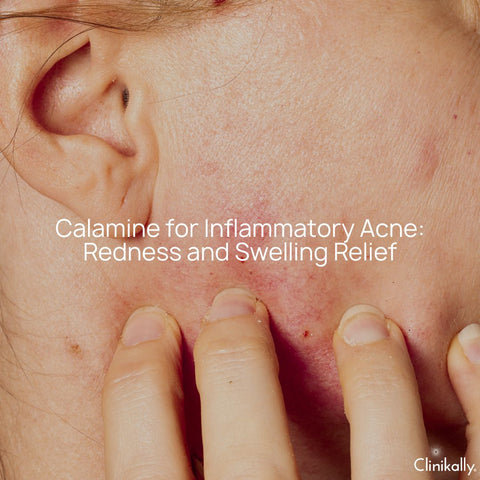
Calamine is especially good at treating inflammatory acne because it works on the root causes of redness, swelling, and pain of inflamed lesions like papules, pustules, and nodules. Its drug action is because of its physical property and biological activity against the skin. Let's see how and why calamine helps.
-
The zinc oxide in calamine regulates the local immune response of the body by reducing activity of various inflammatory mediators at the site of acne lesions, hence effectively reducing erythema and edema associated.
-
Calamine creates an adherent thin, semi-occlusive barrier on the skin that minimizes transepidermal water loss (TEWL) and protects inflamed skin from external agents and secondary infection. This barrier enables quicker healing of inflamed skin.
-
The blend of zinc and ferric oxides also induces gentle vasoconstriction and protein coagulation in the skin surface. This results in decreasing the superficial blood flow, which further minimises redness. It also closes up the skin and calms irritation.
-
When applied, calamine produces a gentle evaporative cooling sensation. This results in providing objective relief against heat and itch of inflammation and also diverts sensory nerves away from pain signals.
-
With repeated application, the anti-inflammatory and oil-absorbing nature of calamine reduces the size of inflammatory acne lesions, leading to visibly quietened skin and enhanced textural smoothness.
In essence, calamine addresses the vascular, immune, and barrier-related aspects of inflammatory acne, offering a gentle yet effective strategy to alleviate redness, swelling, and irritation without over-drying or sensitizing the skin.
Using Calamine for Oily, Acne-Prone Skin: What to Expect
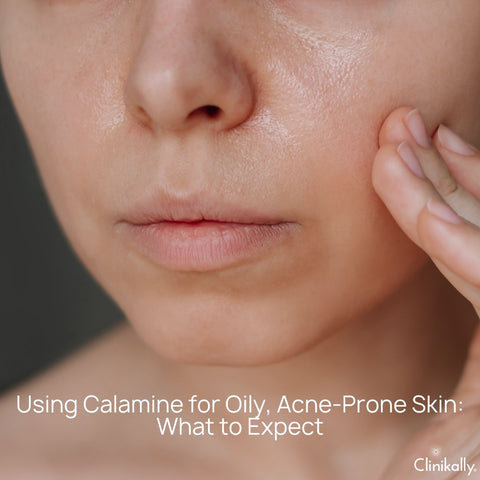
When applied to oily acne skin, the individual can expect positive results because calamine has oil-absorbing, anti-inflammatory, and soothing effects. Responses may also vary based on skin sensitivity, simultaneous products, and the severity of acne. This is a summary of anticipated results and reactions:
-
Excess Sebum Reduction: Calamine takes up surface oil, resulting in a visibly matte appearance and less greasy glow, particularly in the T-zone. With consistent use, this minimizes pore clogging and acne breakouts.
-
Drying of Active Lesions: Mild to moderate acne lesions, such as papules and pustules, can shrink more quickly with the astringent and calming action of calamine. It promotes the drying process without inducing harsh peeling.
-
Calming of Inflamed Skin: There can be a sense of calming when users use calamine on red, inflamed acne. It minimizes discomfort, itchiness, and overall skin sensitivity.
-
Better Skin Texture: When used regularly, skin can look smoother and less clogged, as calamine clears excess oil and smooths the look of pores.
-
Possible Mild Flaking or Dryness: Mild dryness, tightness, or flaking can occur in some patients-particularly those applying other active ingredients such as retinoids or salicylic acid-through calamine use, most likely with overuse.
-
Low Risk of Irritation: Although calamine is well tolerated, very dry or sensitive skin patients might only feel a slight stinging or discomfort, typically caused by product layering or impaired barrier function.
-
Non-Comedogenic Finish: Calamine does not typically clog pores, making it a safe adjunct in acne regimens. However, formulation matters-choose alcohol-free, fragrance-free versions to minimize irritation.
Overall, calamine is a gentle yet functional addition to acne care for oily skin types, offering immediate oil control and inflammation relief with minimal risk of adverse effects when used appropriately.
Scientific Insights and Dermatologist Opinions

Calamine lotion can look like a holdover from the medicine chest, but contemporary science and dermatologists are taking another glance-particularly at acne and sensitive skin. Clinically speaking, calamine's active components, namely zinc oxide and ferric oxide, are recognized for their anti-inflammatory, astringent, and sebum-regulating properties. Zinc oxide, however, is especially common in dermatology due to its use in calming irritation, wound healing of small lesions, and preventing outbreaks of acne. Current dermatological reports emphasize the function of calamine in quelling redness and inhibiting secondary infections by creating a protective film over broken or inflamed skin. Though not a substitute for prescription medications, calamine is now widely suggested by skin professionals as an adjunct or occasional spot treatment, particularly for individuals who have a negative response to harsher active ingredients such as benzoyl peroxide or retinoids. Supported by both heritage and cutting-edge clinical application, calamine is finding its place again in discussions about acne care.
Safe and Smart Usage: Applying Calamine Lotion Effectively
Though calamine lotion provides various skin-calming advantages, proper application is important to promote safety and efficacy-particularly in treating acne or sensitive skin. The soothing, zinc-based lotion can reduce redness and draw out oil, but inappropriate use can create dryness, flakiness, or pores that are blocked. Dermatologists point out that calamine can be used on clean, dry skin only, preferably as a spot treatment, not a product for the entire face. Layering it with excessive use or using it with harsh active ingredients such as AHAs or retinoids can interfere with the skin barrier or diminish its effects. Also, ensure an alcohol-free formulation to prevent unnecessary irritation. Whether you have hormonal breakouts or oily T-zones, knowing where, when, and how much calamine to use makes all the difference. Intelligent use not only reduces possible side effects but also enables you to unlock its complete relaxing potential in your skin care regimen.
Step-by-Step Application Guide for Acne-Prone Skin
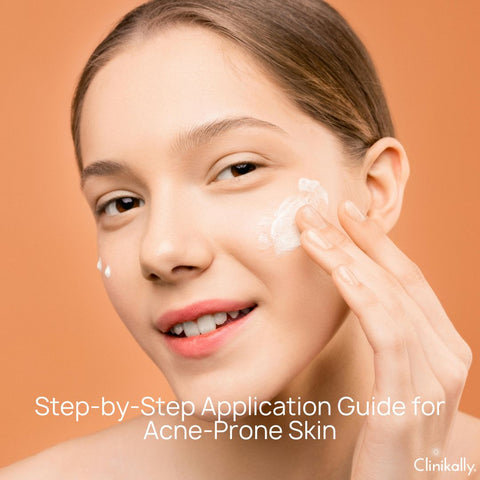
Here is a step-by-step guide to applying calamine lotion effectively on acne skin for maximum benefits with minimal irritation:
-
Wash your face gently with a gentle, non-comedogenic cleanser like Cetaphil Gentle Skin Cleanser to clear oil, dirt, and impurities.
-
Pat the skin dry with a towel-do not rub.
-
If part of your regular routine is to use mild, alcohol-free toner like Klairs Supple Preparation Facial Toner, apply it to help equalize pH and prepare the skin. This can be omitted if your skin is extremely sensitive or dry.
-
Prior to general use, conduct a patch test by applying a little calamine on a hidden area to test for sensitivity or reaction.
-
Shake the bottle vigorously.
-
With clean fingers or a cotton swab, apply a thin layer of calamine lotion to acne areas or one spot at a time. Don't rub it in too hard.
-
Let the lotion dry fully before adding another product. It dries to a light pink film, which calms and absorbs excess oil.
-
If your skin is tight or parched, use a light, non-comedogenic moisturizer like CosmoQ OC Moisturizing Gel over or around calamine-treated areas after it's completely dry.
-
When applying calamine during the day, be sure to follow up with a broad-spectrum sunscreen such as Cuvia-XL Sunscreen Lotion SPF 50 PA+++ to avoid sun sensitivity and guard treated skin.
-
Begin with once-a-day use, ideally in the evening. If well-tolerated, twice-daily usage as desired is permitted but do not overdo it to avoid over-drying.
-
Do not apply calamine over powerful exfoliants or retinoids because this can heighten redness or undermine the product's soothing effect.
-
If you’ve used it during the day, cleanse your skin thoroughly with Puerile Foaming Cleanser before bed to prevent product buildup and maintain skin clarity.
With consistent, gentle use, calamine can help reduce oiliness, calm inflamed breakouts, and support clearer, more balanced skin over time.
When to Use and When to Avoid Calamine Lotion
Calamine lotion is extremely useful in certain situations but isn't suitable for every skin type or ailment. An understanding of when to apply it and when not to will maximize the benefits while avoiding any undesired irritation or complications. A comprehensive overview discussed below is provided.
When to Use Calamine Lotion
It can be used for:
-
Mild to Moderate Inflammatory Acne- Can be used as a spot treatment for red, inflamed, swollen pimples due to its anti-inflammatory and soothing properties.
-
Excess Oil or Shine- Ideal for oily or combination skin to absorb sebum and reduce greasy appearance.
-
Skin Irritation and Itching- Soothes skin reactions from insect bites, rashes, contact dermatitis, or heat rashes (prickly heat).
-
Sunburn or Minor Burns- Provides temporary relief from burning, stinging, and redness through its cooling and protective action.
-
Post-Procedure Sensitivity- May be used following non-invasive dermatological treatments (with physician's guidance) to calm mild irritation.
When to Avoid Calamine Lotion
Calamine lotion application is best avoided in:
-
Severely Dry or Eczema-Prone Skin- Its drying effect can aggravate flaking, cracking, or tightness in already weakened skin.
-
Deep Nodulocystic Acne- Not successful in treating cystic or hormonal acne with deeper dermal inflammation. For such cases, prescription treatment is recommended. Book your consultation with a dermatologist now.
-
Open Wounds or Broken Skin- Not to be applied on raw, bleeding, or ulcerated skin since it can cause stinging or hamper healing.
-
Known Allergy to Zinc or Iron Oxides- Use with caution in hypersensitive individuals to calamine ingredients to avoid allergic contact dermatitis.
-
Concurrent Use with Harsh Actives- Do not use in conjunction with strong exfoliates (AHAs, BHAs), retinoids, or benzoyl peroxide without consulting a professional since it might disturb the skin balance and cause over-drying or irritation.
Pairing Calamine with Other Acne Treatments
Calamine lotion can be a helpful component of acne treatment regimens, particularly when applied with care in combination with other active agents. Although it provides soothing, anti-inflammatory, and sebum-absorbing effects, combining it with more powerful acne medications must be approached in a balanced, educated manner to prevent over-drying or irritating the skin.
-
Combining calamine with a mild, non-foaming cleanser such as Clinikally HydraSoft Gentle Skin Cleanser keeps the skin in balance and avoids exacerbating dryness.
-
It cannot be layered on top of potent actives such as AHAs, BHAs, or retinoids; rather, alternate between them in different regimens to minimize irritation risk.
-
Calamine is most effective as a spot treatment when combined with full-face acne treatments such as niacinamide containing Clinikally The Ultimate NIA (10% Niacinamide) Serum or azelaic acid rich Aczee 10% Azelaic Acid Serum.
-
It is always best to follow up with a light, non-comedogenic moisturizer like Moisturex Hydra Gel to neutralize any dryness or tightness that calamine may cause.
-
Do not use alcohol-based toners or serums in the same routine to avoid disrupting the skin barrier.
-
Space applications by 10-15 minutes when combining calamine and actives to reduce interaction.
-
Regular daily sunscreen is a must, particularly when combining calamine with agents that enhance photosensitivity, like retinoids. It is recommended to use Clinikally SunProtect Sunscreen SPF 50/PA+++ to achieve optimal photoprotection.
-
Patch test new combinations to test for sensitivity or irritation before using widely.
-
Avoid piling up thick occlusives such as petroleum jelly on top of calamine because it may hinder the heat and diminish its soothing impact.
-
Use calamine during the day and save more potent active therapy for evening use to preserve skin integrity.
Adding calamine to your acne treatment program can make a big difference in inflammation management and sebum regulation when combined sensibly with other therapies. By adopting a deliberate and skin-sensitive strategy, one can maximize therapeutic effects while maintaining the skin as calm, balanced, and clear.
Tailoring Calamine Use for Your Skin: Personalized Skincare Advice
No two skin types are the same-and when using calamine lotion, customization is the key to optimal results. Whether you have oily, sensitive, combination, or acne-prone skin, understanding how calamine fits into your routine can prevent over-drying and enhance skin health. For oily skin, it may serve as a daily T-zone mattifier or spot treatment, while those with dry or sensitive skin should use it sparingly to avoid irritation. If you're fighting hormonal acne or post-inflammatory hyperpigmentation, calamine can soothe flares without the severity of conventional acne products. Patch test always and observe how your skin develops over time. Combining calamine with hydrating serums or barrier-repair moisturizers can help find the perfect balance. Personalized skincare isn't about trends - it's about working with ingredients like calamine to address your individual skin concerns and objectives.